rocketfuel, Author at LaunchUX - Page 19 of 28

Author: rocketfuel

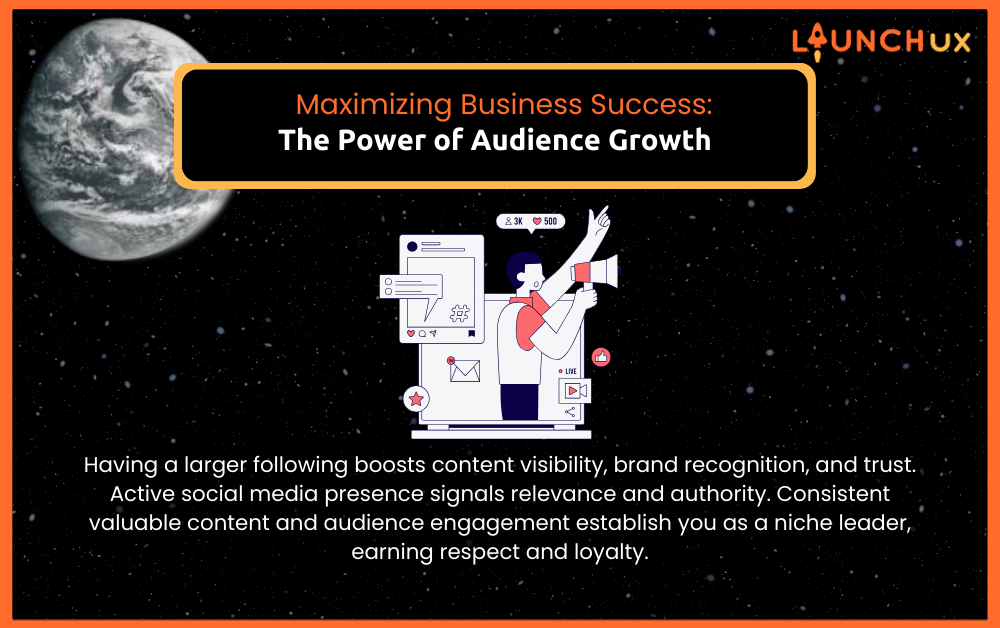
Maximizing Business Success: The Power of Audience Growth

Are you ready to elevate your brand to new heights? Today, we’re diving headfirst into the dynamic world of audience growth in social media. It’s not just about racking up followers; it’s about building a community that champions your brand and drives tangible results. So, let’s roll up our sleeves and explore why audience growth is the secret sauce for your business success.

Understanding Audience Growth

What is Audience Growth?

At its core, audience growth encompasses more than just increasing the number of followers on your social media platforms. It’s about cultivating a loyal community of individuals who are genuinely interested in your brand, products, or services. Audience growth involves nurturing relationships with your audience, fostering engagement, and building trust over time. It’s about attracting the right people—those who align with your brand values and are likely to become advocates for your business. Ultimately, audience growth is a strategic endeavor aimed at expanding your reach, enhancing brand awareness, and driving meaningful interactions with your target audience.

The Metrics that Matter

When it comes to audience growth, focusing on the right metrics is essential for measuring success. While follower count is one indicator, it’s not the whole picture. Look beyond numbers to engagement metrics such as likes, comments, shares, and click-through rates. These metrics offer valuable insights into how well you’re connecting with your audience and driving action. By tracking these key indicators, you can identify what content resonates most with your audience and adjust your strategy accordingly. Additionally, monitoring conversion metrics, such as website traffic, leads generated, and sales, provides a clearer understanding of how your social media efforts are impacting your bottom line. Ultimately, focusing on the metrics that matter allows you to make data-driven decisions and optimize your audience growth strategy for maximum impact.

The Importance of Audience Growth for Your Business

Building Brand Awareness and Authority

In today’s fiercely competitive digital landscape, establishing brand awareness and authority is paramount for business success. Audience growth plays a pivotal role in this endeavor by amplifying your brand’s visibility and credibility. As your social media following expands, so does your reach, allowing you to connect with a broader audience and introduce them to your brand. A larger following not only increases the likelihood of your content being seen but also enhances brand recognition and recall among potential customers. Moreover, a robust social media presence signals to consumers that your brand is active, relevant, and trustworthy, further solidifying your authority within your industry. By consistently delivering valuable content and engaging with your audience, you position yourself as a go-to resource and thought leader in your niche, earning the respect and loyalty of followers along the way.

Driving Conversions and Revenue

Audience growth isn’t just about numbers; it’s about turning followers into customers and revenue. By building an engaged community on social media, you create opportunities to convert prospects into buyers. With a larger audience, you have more potential customers to target with your marketing efforts. Engaged followers are more likely to trust your brand, making them easier to convert into paying customers. Through strategic content and personalized interactions, you can nurture leads and guide them through the sales funnel. A loyal and engaged audience also leads to increased word-of-mouth referrals and repeat purchases, boosting your revenue. In essence, audience growth is essential for driving tangible business results and maximizing your bottom line.

Strategies for Growing Your Audience

Know Your Audience Inside and Out

Understanding your audience is the foundation of effective audience growth on social media. It’s not enough to have a general idea of who your target demographic is; you need to delve deep into their demographics, interests, behaviors, and pain points. Conduct thorough market research, analyze social media insights, and gather feedback from your audience to gain valuable insights into their preferences and needs. By truly understanding your audience, you can tailor your content and messaging to resonate with them on a deeper level, increasing the likelihood of engagement and loyalty. Moreover, understanding your audience allows you to identify new opportunities for growth and innovation, ensuring that your social media strategy remains relevant and effective in an ever-changing landscape. In essence, knowing your audience inside and out is the key to unlocking meaningful connections and driving sustainable audience growth for your business.

Create Compelling Content

Compelling content is the cornerstone of successful audience growth on social media. It’s not just about posting for the sake of it; it’s about delivering value and engaging your audience in meaningful ways. Whether it’s captivating visuals, informative blog posts, or entertaining videos, your content should resonate with your audience and inspire them to take action. Focus on quality over quantity, ensuring that each piece of content you create is tailored to your audience’s interests and preferences. Consistency is key; establish a content calendar and stick to a regular posting schedule to keep your audience engaged and coming back for more. Additionally, don’t be afraid to experiment with different formats and styles to keep your content fresh and exciting. By continuously delivering valuable and compelling content, you’ll not only attract new followers but also retain existing ones, fostering a loyal community around your brand.

Conclusion:

Audience growth isn’t just a buzzword; it’s the lifeblood of your business’s success in the digital age. By understanding what audience growth is, why it’s important, and how to achieve it, you can unlock endless opportunities for your brand. So, go ahead, implement these strategies, and watch as your audience—and your business—flourishes like never before.

Unlock your Audience Growth Potential Today!

Ready to supercharge your audience growth and take your business to new heights? Contact us today to learn how our tailored social media strategies can help you achieve your goals. Let’s make magic happen together!

The Impact of Grammar on SEO: Common Mistakes to Avoid

In the digital age, where content is both king and kingdom, the clarity and correctness of your writing are not merely about polish—they are about power. The power to attract, engage, and retain readers. The power to rise through the ranks of search engine results. Poor grammar is more than just a deterrent for discerning readers. It also poses a significant barrier to your content’s visibility and success in search engine rankings. The synergy between “Grammar on SEO” transcends superficial aesthetics; it’s a foundational component that influences your website’s credibility, discoverability, and authority. Join us on an insightful journey to explore the severe impact of grammatical errors on your content’s SEO performance. This exploration underscores the pivotal role of every punctuation mark, sentence structure, and word choice in the vast digital landscape.

The Foundation of Credibility and User Experience

Credibility Through Correctness

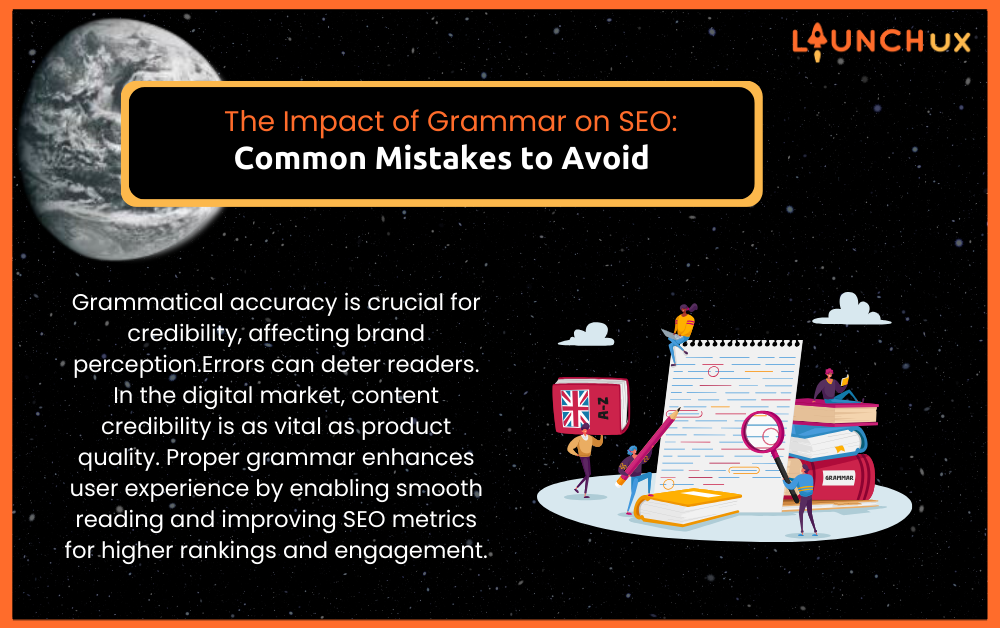
Your content’s first interaction with a reader sets the tone for their perception of your brand. Grammatical errors, unfortunately, act as blemishes that can tarnish this first impression. They detract from the authority and trustworthiness you want to project, potentially turning away potential followers or customers. In the competitive digital marketplace, where credibility is as crucial as the quality of the products or services offered, ensuring grammatical accuracy is non-negotiable.

Enhancing User Experience

Beyond the basics of grammar lies the realm of user experience—how smoothly readers can navigate your narrative, emphasizing the importance of grammar on SEO. Proper grammar facilitates a frictionless reading experience, allowing readers to immerse themselves in your content without being jarred by errors. This seamless engagement, underscored by the concept of grammar on SEO, is essential for positive user experience metrics, which are critical for SEO. Search engines analyze user behavior signals, such as how long visitors stay on your page and how they interact with your content. Pages that provide a superior user experience, bolstered by meticulous attention to grammar on SEO, are more likely to earn higher rankings, driving more traffic and engagement.

Understanding SEO Implications of Grammatical Errors

Search Engine Algorithms: Beyond Keywords

The sophistication of search engine algorithms continues to evolve, with a growing emphasis on content quality and user experience. These algorithms are now capable of understanding the nuances of language, including the grammar and readability of your content. Content perceived as low-quality due to grammatical errors is less likely to rank well, as search engines prioritize delivering the highest quality results to users.

Impact on Readability and Engagement

The readability of your content is not just about the simplicity of language but also the coherence and fluidity with which ideas are presented. Grammatical errors disrupt this flow, forcing readers to pause and decipher the intended meaning, which can significantly detract from the engagement factor of your piece. This disengagement is particularly detrimental in an online environment where attention spans are notoriously short, and content is consumed rapidly. Moreover, readers encountering difficulties in understanding or following along due to grammatical mistakes become hesitant. They are less likely to share the content on social platforms or link back to it from their own sites. Such behaviors are vital signals to search engines, indicating the value and relevance of content to a wider audience. High-quality, grammatically sound content encourages deeper interaction, prompting comments, shares, and discussions, thereby amplifying its reach and further bolstering SEO efforts. In essence, the grammatical integrity of your content directly influences its ability to captivate and retain readers. This transformation turns casual browsers into loyal followers and active participants in your digital ecosystem.

Strategies for Impeccable Grammar

Leveraging Technology for Grammar Checks

The digital age offers a plethora of tools designed to assist in grammar and spelling checks. These technological aids are crucial for initial reviews, helping identify and rectify common errors. However, reliance solely on technology is not enough. These tools, while advanced, cannot fully grasp the context or stylistic nuances that a human editor can.

The Human Touch: Proofreading and Editing

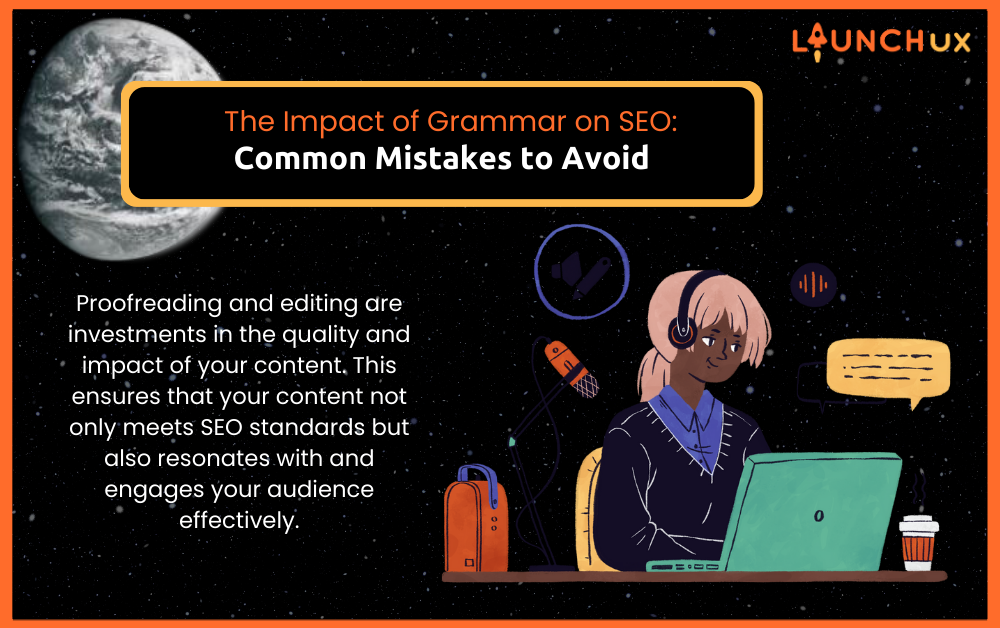
Beyond the basic elimination of grammatical errors, the human touch in proofreading and editing brings a layer of depth and nuance to content that automated tools cannot replicate. A skilled editor not only corrects mistakes but also enhances the content’s voice, ensuring it aligns with the brand’s identity and speaks directly to the target audience’s needs and preferences. This process often involves rephrasing awkward sentences, clarifying ambiguous points, and enriching the narrative to make it more engaging and relatable. Furthermore, editors can provide critical feedback on the structure and flow of the content, suggesting improvements that increase its overall coherence and impact. This meticulous refinement process bolsters the grammatical integrity of the content. It also elevates its quality, making it more persuasive, memorable, and shareable. In essence, investing in human proofreading and editing is an investment in the quality and effectiveness of your content, ensuring it not only meets SEO standards but also genuinely connects with and captivates your audience.

Expanding the Discussion: The Broader Impacts of Grammar on Digital Presence

SEO and Beyond Building a Brand Reputation

Grammar impacts not just SEO but the broader perception of your brand. Consistently high-quality, grammatically correct content establishes your brand as authoritative and reliable. This reputation for quality can lead to increased engagement, higher conversion rates, and more opportunities for your content to be shared across social platforms and linked by other websites, further enhancing your SEO efforts.

Global Reach: Grammar and Localization

In an increasingly globalized online community, the precision of grammar in content localization is not just a matter of translation accuracy but a reflection of respect and understanding towards diverse cultures. Grammatical nuances in translation can significantly affect the message’s reception in different languages, potentially altering its intended meaning and impact. Effective localization goes beyond mere translation; it involves adapting content to reflect local idioms, cultural references, and linguistic subtleties. This careful attention to detail ensures that your content resonates with international audiences, fostering a sense of inclusivity and connection. As a result, well-localized, grammatically accurate content can dramatically enhance your global SEO strategy, making your site more accessible and appealing to users around the world, thereby expanding your digital footprint and influence across borders.

Conclusion: Grammar’s Role in SEO Success

Grammar in the context of SEO is a critical factor that extends far beyond the mere avoidance of errors. It encompasses the creation of content that is engaging, readable, and authoritative. By dedicating attention to grammatical excellence, content creators can significantly enhance their SEO performance. This dedication also elevates the brand’s digital presence and forges deeper connections with its audience.

Unlock Your SEO Potential with LaunchUX

Ready to elevate your SEO game? Turn to LaunchUX for expert guidance and innovative strategies that ensure your content not only shines but also ranks. Whether it’s refining grammar for SEO impact or crafting compelling narratives, our team is here to propel your digital presence to new heights. Join us at LaunchUX, where your SEO success story begins.

The Ethics of AI in SEO: Navigating the New Frontier

Welcome to the ethical crossroads of the digital age, where the rapid advancement of Artificial Intelligence (AI) intersects with the intricate world of Search Engine Optimization (SEO). In this blog post, we’ll navigate the Ethics of AI in SEO, delving into the ethical considerations surrounding the utilization of AI technologies in shaping online visibility. Join us as we explore the challenges and opportunities of this emerging frontier, striving to uphold principles of integrity and fairness in the ever-evolving landscape of digital marketing.

Transparency and Accountability

Ethics of AI: Transparency in AI Algorithms

Central to ethical considerations within the realm of SEO is the imperative of transparency in AI algorithms. As we navigate the integration of AI technologies into SEO practices, ensuring transparency becomes not only a practical necessity but also a moral imperative. By illuminating AI algorithms, we uphold integrity and fairness, fostering trust among users and stakeholders. In embracing the Ethics of AI, we pave the way for a digital ecosystem grounded in transparency, accountability, and ethical conduct.

Accountability for AI Decisions

With AI algorithms increasingly influencing search rankings, accountability becomes paramount. Who bears responsibility for the decisions made by AI systems? SEO professionals must advocate for clear lines of accountability to prevent the evasion of responsibility and mitigate potential ethical pitfalls.

Accountability should extend beyond individual practitioners to encompass the organizations developing AI technologies and the search engines deploying them. Establishing accountability mechanisms, such as regular audits and oversight committees, can help ensure that AI-driven SEO remains ethical and accountable to users and stakeholders.

Avoiding Manipulation and Bias

Guarding Against Manipulative Tactics

While AI can enhance SEO strategies, it also presents opportunities for manipulation. Techniques like keyword stuffing, cloaking, and link schemes can exploit AI algorithms for unfair ranking advantages. Upholding ethical standards means eschewing manipulative tactics and prioritizing genuine, user-focused content.

Ethical SEO practitioners focus on creating valuable content that addresses the needs and interests of their target audience. By prioritizing relevance and quality over shortcuts and gimmicks, they build trust with users and search engines alike. Educating clients and stakeholders about the long-term benefits of ethical SEO practices is essential for fostering a culture of integrity and sustainability.

Addressing Bias in AI Models

AI algorithms are susceptible to bias, reflecting the prejudices present in the data they’re trained on. In the context of SEO, biased algorithms can perpetuate inequality by favoring certain demographics or viewpoints. Ethical SEO practitioners must advocate for bias detection and mitigation strategies to ensure fair and inclusive search results.

Bias in AI algorithms can stem from various sources, including historical data, societal biases, and algorithmic design choices. Ethical SEO professionals collaborate with data scientists and AI developers to identify and address biases in algorithmic models. By promoting diversity and inclusivity in data collection and model training, they strive to create more equitable and unbiased search experiences for all users.

Promoting User-Centric Practices

Ethics of AI in Prioritizing User Experience

At the heart of ethical SEO lies a commitment to prioritizing the user experience amidst the complexities of AI integration. Recognizing the profound impact of AI algorithms on search results, ethical practitioners place a paramount emphasis on crafting user-centric strategies. By weaving principles of fairness and transparency into every facet of SEO, we ensure that the digital landscape remains accessible and inclusive for all users.

Empowering Informed Decision-Making

Transparency and education are essential components of ethical SEO. Empowering users with accurate information and helping them make informed decisions fosters trust and credibility. Ethical SEO practitioners strive to provide transparent, trustworthy content that empowers users to navigate the digital landscape with confidence.

Educational content, such as blog posts, guides, and tutorials, helps users understand how search engines work and how to make the most of SEO techniques. By sharing insights and best practices openly, ethical SEO professionals empower users to improve their own online visibility ethically. This collaborative approach fosters a sense of community and shared responsibility in the digital ecosystem.

Conclusion:

As AI continues to shape the future of SEO, ethical considerations are more important than ever. By prioritizing transparency, accountability, and user-centricity, we can navigate the ethical complexities of AI-driven SEO and uphold integrity in our practices. Let’s embrace the challenge of ethical SEO and work together to shape a digital ecosystem that is fair, inclusive, and trustworthy.

Embrace Ethical SEO: Partner with Us to Navigate the Future Responsibly

Elevate your SEO strategy ethically with LaunchUX. Partner with us to navigate the evolving landscape of digital marketing while prioritizing integrity and transparency. We’re here to meet your SEO needs with expertise and dedication.

Understanding Link Juice in SEO: What It Is and How to Get It

Welcome aboard as we embark on an exploration into the fascinating realm of SEO. Today, we’re setting sail to unravel the mysteries of a critical aspect of search engine optimization: Link Juice. If you’ve ever pondered its significance and how it influences your website’s visibility, you’re in for an enlightening journey. So, without further ado, let’s dive into the depths of Link Juice and uncover its secrets together!

Link juice is the currency of credibility and relevance in the digital realm, representing the authority passed from one webpage to another through hyperlinks. When a reputable website links to another site, it essentially endorses its quality and importance, transferring a portion of its own credibility in the process. This transfer of authority, known as link equity, plays a pivotal role in determining a website’s search engine rankings. Factors such as the linking site’s authority, relevance, and the context of the link influence the amount of link juice passed. Understanding the mechanics of link juice is essential for optimizing link-building efforts and maximizing the impact of your SEO strategy.

Link equity, also known as link juice, is the value passed from one page to another through hyperlinks. Not all backlinks are created equal—links from authoritative websites carry more weight and contribute more link juice to your site. Understanding the dynamics of link equity is crucial for optimizing your link-building strategy.

The significance of link juice in SEO cannot be overstated, as it serves as the primary currency through which search engines gauge a website’s authority and relevance. Link juice is a vote of confidence from other websites, signaling to search engines that your site is reputable and worthy. In the competitive world of SEO, sites with quality link juice gain better visibility and organic traffic. This is because search engines like Google prioritize websites with a robust network of backlinks, viewing them as authoritative sources of information. By gaining link juice from reputable sites in your niche, you boost credibility and increase SERP rankings. Moreover, the positive impact of link juice extends beyond mere rankings, as it also contributes to increased brand visibility, organic traffic, and ultimately, conversions. In essence, link juice serves as the cornerstone of an effective SEO strategy, laying the foundation for long-term success in the digital landscape.

Google’s PageRank algorithm, although no longer the sole determinant of search rankings, laid the foundation for understanding link equity. PageRank assigns a numerical value to each webpage based on the quantity and quality of inbound links. While Google has evolved its ranking algorithms over the years, the concept of link juice remains a fundamental aspect of SEO.

Content is king in the realm of SEO, and creating high-quality, informative, and engaging content is key to attracting valuable backlinks. Whether it’s in-depth guides, insightful blog posts, or interactive infographics, aim to produce content that stands out from the crowd and provides genuine value to your audience.

Linkable assets are pieces of content specifically designed to attract backlinks from other websites. These assets can take various forms, including comprehensive industry reports, data-driven studies, and interactive tools. By investing in the creation of linkable assets, you can increase your chances of earning valuable backlinks and enhancing your website’s authority.

Establishing authentic connections within your industry isn’t just about networking—it’s also a strategic approach to acquiring valuable link juice. By cultivating genuine relationships with influencers, thought leaders, and webmasters, you not only open doors to potential backlink opportunities but also lay the groundwork for collaborative endeavors that can significantly enhance your website’s authority and visibility. Fostering backlinks isn’t just about outreach; it’s about cultivating trust and respect within your professional network. Engage with industry peers on social media, participate in relevant discussions, and offer genuine support and value wherever possible. By demonstrating your expertise, reliability, and willingness to contribute positively to the community, you can earn the respect and admiration of your peers, making them more inclined to endorse your content with valuable backlinks. In the world of SEO, relationships matter as much as link juice. Invest time in nurturing connections for long-term benefits.

Dive Deeper: The Power of Guest Blogging

Guest blogging is a tried-and-true strategy for acquiring backlinks while showcasing your expertise to a broader audience. Seek out reputable websites in your niche that accept guest contributions and pitch them well-crafted, relevant content ideas. By providing value to their audience, you’ll not only earn backlinks but also establish yourself as a trusted authority in your field.

Broken link building involves finding broken links on other websites and suggesting your own content as a replacement. This win-win strategy allows you to help webmasters fix broken links while earning valuable backlinks to your own site. It requires a bit of detective work and outreach but can yield significant results if executed effectively.

Maximizing Internal Linking: Harnessing the Power of Your Own Website

Internal linking is often overlooked but plays a crucial role in distributing link juice throughout your website. By strategically linking between pages within your site, you can enhance the authority of individual pages and improve the overall structure of your website. Remember to use descriptive anchor text and prioritize relevance when implementing internal links.

Embracing the Skyscraper Technique: Scaling New Heights in Content Marketing

The Skyscraper Technique, popularized by digital marketing expert Brian Dean, offers a potent strategy for enhancing content quality and acquiring valuable backlinks. This method entails finding top content, creating superior content, and seeking backlinks from relevant sites. By producing highly valuable and comprehensive content, you not only attract natural backlinks but also maximize link juice. The key lies in thorough research, meticulous content creation, and strategic outreach. Identify high-performing content, create something even better, and promote it to industry influencers to amplify your SEO efforts and establish your website as an authoritative source in your field.

Conclusion:

In conclusion, link juice is the lifeblood of SEO, and understanding how to acquire and leverage it can propel your website to new heights of success. Implement the strategies outlined above. Craft compelling content and foster genuine relationships. Embrace advanced link-building tactics for valuable backlinks and boosted visibility.

So, dear reader, it’s time to put these insights into action and watch your website thrive in the ever-evolving landscape of SEO. Remember, the journey to mastering link juice may be long and winding, but with perseverance and strategic execution, the rewards are well worth the effort.

Elevate Your Website’s SEO with LaunchUX

Ready to supercharge your SEO efforts and dominate the digital landscape? Reach out to our team at LaunchUX today, and let’s embark on a journey to elevate your online presence together. Whether you’re in need of expert SEO guidance, captivating content creation, or innovative web design solutions, we’ve got you covered. Let’s make your website a shining beacon in the vast ocean of the internet!

Unlocking Website Potential Through UX Analysis

In an era where online presence dictates business success, your website’s functionality and appeal can greatly impact performance. Attracting visitors is crucial, but converting them into leads is what truly matters. Success doesn’t just depend on traffic volume but on your website’s ability to engage and convert visitors, making UX analysis essential.

The Power of UX Analysis in Lead Generation

UX analysis boosts online presence by analyzing user interactions and revealing behaviors and issues to guide improvements. This enhances engagement, conversions, and lead generation. Challenges like converting traffic to leads often stem from usability problems or design misalignment. UX analysis offers data-driven insights for a tailored user experience.

Despite a good-looking site and quality offerings, achieving desired conversion rates can be tough. UX analysis tackles these challenges, providing a clear path to meet user needs and align your website accordingly.

UX analysis is more than problem-solving; it’s a growth tool. It transforms your online presence, driving the lead generation you seek, suitable for both seasoned and new business owners.”

What is UX Analysis?

UX analysis is the cornerstone of creating a website that not only attracts visitors but also effectively converts them into leads and customers. At its core, UX (User Experience) analysis involves a detailed examination of how users interact with your website. It seeks to understand their behaviors, needs, and obstacles they face as they navigate through your site. The ultimate goal of UX analysis is to gather actionable insights that can guide improvements, making your website more intuitive, accessible, and aligned with user expectations.

Understanding the User’s Journey

The process of UX analysis goes beyond mere aesthetics. It delves into the user’s journey from the moment they land on your website to the completion of their desired action – be it making a purchase, signing up for a newsletter, or contacting your business. By mapping out this journey, UX analysis identifies points of friction that may deter users from completing their goals, such as confusing navigation, slow load times, or unclear calls to action.

The Importance of Data-Driven Decisions

One of the critical aspects of UX analysis is its reliance on data. Through a combination of quantitative methods – like web analytics, heatmaps, and A/B testing – and qualitative approaches – such as user interviews and surveys – UX analysis provides a comprehensive view of the user experience. This data-driven approach ensures that any changes made to your website are not based on assumptions but are informed by real user feedback and behaviors.

Aligning with Business Goals

For business owners, UX analysis is not just about improving the user experience for its own sake; it’s about aligning your website’s design and functionality with your business goals. By understanding and addressing the needs of your users, you can increase engagement, improve conversion rates, and ultimately drive more leads. Whether it’s simplifying the checkout process in an e-commerce store or enhancing the readability of your service pages, every adjustment made based on UX analysis can contribute to your business’s success.

Key Components of UX Analysis

A successful UX analysis incorporates a variety of tools and methodologies, each designed to uncover different facets of the user experience. Understanding these components is crucial for any business owner looking to make informed decisions about their website. Here are some of the key components that play a pivotal role in UX analysis:

1. Usability Testing

Usability testing involves observing real users as they interact with your website, attempting to complete specific tasks. This method provides direct insight into the usability challenges and frustrations users may face, allowing you to identify and rectify issues that could hinder conversion or lead generation. Usability testing can range from in-person sessions with moderated guidance to remote and unmoderated tests using specialized software.

2. User Surveys and Interviews

User surveys and interviews offer valuable qualitative data about your users’ needs, preferences, and experiences with your site. By asking targeted questions, you can gather feedback on what users like, dislike, and wish to see improved. This feedback can be instrumental in guiding UX design decisions and prioritizing features that align with your audience’s expectations.

3. Analytics and Heatmaps

Web analytics tools and heatmaps provide quantitative data on how users navigate your site, where they spend most of their time, and what actions they take. Analytics can reveal patterns such as high bounce rates on specific pages or the effectiveness of your calls-to-action. Heatmaps visually represent where users click, scroll, and focus on your pages, offering insights into how effectively your content captures user attention.

4. A/B Testing

A/B testing, or split testing, is a method for comparing two versions of a webpage or element to see which performs better in terms of user engagement or conversion rates. By systematically testing changes, you can make data-driven decisions that incrementally improve the user experience and lead generation on your website.

5. User Personas and Journey Mapping

Creating user personas and mapping out user journeys are strategic components of UX analysis. These tools help you visualize the typical users of your website, their goals, challenges, and how they navigate through your site. Understanding these aspects allows you to tailor your UX design and content strategy to better meet the needs of your targeted audience.

How UX Analysis Can Transform Your Website

UX analysis is more than just an audit of your website’s usability; it’s a transformative process that can redefine how visitors interact with your site and perceive your brand. By applying the insights gained from a detailed UX analysis, businesses can make strategic changes that have a profound impact on their online success. Here’s how UX analysis can transform your website:

1. Enhancing User Engagement

One of the primary outcomes of UX analysis is a deeper understanding of what drives user engagement on your site. By identifying and implementing design and content strategies that resonate with your audience, you can significantly increase the time users spend on your site, encourage them to explore more pages and foster a positive perception of your brand. Enhanced engagement is a critical step toward converting visitors into leads and customers.

2. Improving Conversion Rates

At the heart of any business website’s objectives is the goal of converting visitors into leads or customers. UX analysis pinpoints the obstacles and friction points that deter users from completing desired actions, such as signing up for a newsletter or making a purchase. Addressing these issues by simplifying processes, clarifying calls-to-action, and optimizing page layouts can lead to a noticeable increase in conversion rates.

3. Reducing Bounce Rates

A high bounce rate often indicates that visitors are not finding what they expect or encountering usability issues upon arriving at your site. Through UX analysis, businesses can understand the reasons behind high bounce rates and make necessary adjustments. Whether it’s improving page load times, making navigation more intuitive, or ensuring content relevance, these changes can significantly reduce bounce rates and retain visitors’ interest.

4. Building Trust and Credibility

The overall user experience of your website plays a crucial role in establishing trust and credibility with your audience. A site that is easy to use, informative, and reliable encourages users to trust your brand and feel confident in their decision to engage with your business. UX analysis helps in creating a website that reflects professionalism and dedication to user satisfaction, which are key to building long-term relationships with your audience.

5. Streamlining User Pathways

A successful website guides users effortlessly from their initial entry point to the completion of their goal. UX analysis reveals the most effective user pathways and highlights where users may get lost or disengaged. By streamlining these pathways and removing unnecessary steps, businesses can create a smoother journey for users, leading to improved satisfaction and higher conversion rates.

Common Pitfalls to Avoid in UX Analysis

While UX analysis is a powerful tool for enhancing your website’s user experience and performance, certain pitfalls can undermine its effectiveness if not carefully managed. Being aware of these common mistakes can help you navigate the UX analysis process more smoothly and achieve better outcomes:

1. Relying Solely on Quantitative Date

One common mistake is focusing exclusively on quantitative data, such as analytics and metrics while neglecting the qualitative insights that user feedback and usability testing provide. Both types of data are essential for a well-rounded understanding of user experience. Quantitative data tells you what is happening on your site, while qualitative data explains why it’s happening.

2. Overlooking the Importance of User Feedback

Neglecting to gather direct feedback from your users is another pitfall. User surveys, interviews, and feedback forms are invaluable resources for understanding the needs, preferences, and frustrations of your audience. Make sure to incorporate these methods into your UX analysis to ensure that your improvements are aligned with user expectations.

3. Making Changes Based on Assumptions

Implementing changes based on assumptions rather than research and testing can lead to misguided decisions that may not address the actual issues users face. Before making any significant changes, validate your assumptions through A/B testing, usability testing, and user feedback to ensure that your efforts will have the desired impact.

4. Ignoring Mobile Users

With the increasing prevalence of mobile internet usage, failing to consider the mobile user experience can significantly harm your website’s performance. Ensure your UX analysis covers mobile usability, including load times, navigation, and the accessibility of key features and content on smaller screens.

5. Not Setting Clear Objectives

Starting a UX analysis without clear, measurable objectives can lead to unfocused efforts and difficulty in assessing the effectiveness of your changes. Define specific goals for your analysis, such as reducing bounce rates, increasing conversion rates, or improving user satisfaction scores, to guide your process and measure your success.

6. Underestimating the Value of Iterative Testing

UX analysis is not a one-time task but an ongoing process of improvement. Some businesses make the mistake of conducting a single round of analysis and then failing to revisit and iterate on their findings. Continuous testing and refinement are key to adapting to user needs and technological changes over time.

7. Overcomplicating the User Interface

In an effort to provide more features or content, it’s easy to accidentally overcomplicate your website’s user interface. This can overwhelm users and detract from the usability of your site. Focus on simplicity and clarity in your design, ensuring that users can easily find what they’re looking for without unnecessary distractions.

Unlocking Your Website’s Full Potential with UX Analysis

Throughout this guide, we’ve explored the critical role of UX analysis in transforming your website into a powerful tool for business growth. By understanding and optimizing the user experience, businesses can significantly enhance engagement, increase conversion rates, and build a strong foundation of trust and credibility with their audience. The key components of UX analysis – ranging from usability testing and user feedback to analytics and A/B testing – provide a roadmap for identifying and addressing usability issues, streamlining user pathways, and aligning your website’s design and functionality with your business goals.

Avoiding pitfalls like ignoring user feedback, assuming changes, and skipping iterative testing is key to effective UX analysis. Embracing a data-driven, user-centered approach ensures your efforts yield improvements that resonate with your audience.

Take the First Step Toward a Better User Experience

If transforming your website into a lead-generating powerhouse feels daunting, you’re not alone. But with LaunchUX, your journey to digital excellence is in expert hands. As a nationally awarded website design and SEO firm, LaunchUX specializes in driving new revenue to businesses like yours. Our team enhances your site with superior design and SEO, linking you to ideal customers.

Don’t let your website be just another digital storefront. Make it your strongest asset. Contact LaunchUX today, and take the first step toward unlocking your website’s full potential. Let’s turn visitors into leads, leads into customers, and customers into advocates for your brand. Partner with LaunchUX and watch your business soar.

Understanding AI’s Role in Search Engine Algorithms

Ever marveled at how search engines seem to predict your every query? Behind the scenes, Artificial Intelligence (AI) orchestrates this digital magic, shaping the intricate workings of Search Engine Algorithms. In this deep dive, we’ll unravel the complexities of AI’s influence on search engine algorithms, exploring how it deciphers user intent, evaluates content relevance, and guides the evolution of SEO strategies.

Deciphering User Intent

Understanding the User Behind the Query

In the vast expanse of the internet, every search query tells a unique story. Within this narrative, Search Engine Algorithms act as astute storytellers, employing AI to decipher the multifaceted layers of user intent. AI-driven algorithms analyze the words typed into the search bar, along with contextual clues, to discern the nuances of human intent encoded within the fabric of language. AI continually refines its understanding of user intent through feedback loops. This ensures that Search Engine Algorithms remain finely attuned to the ever-changing landscape of user behavior and preferences. In essence, understanding the user behind the query is at the heart of effective search engine optimization. It enables businesses to craft content strategies that resonate deeply with their target audience and drive success in the digital realm.

Remember the days when search engines stumbled over clumsy keyword matches? Those days are long gone, thanks to semantic search. With semantic search, AI interprets the meaning behind the words, considering context, relationships between words, and natural language patterns. It’s like having a conversation with a search engine that understands the nuances of language. Semantic search goes beyond surface-level keywords to deliver results that truly resonate with users, making the search experience more intuitive and rewarding.

Evaluating Content Relevance

Quality Over Quantity: The Content Conundrum

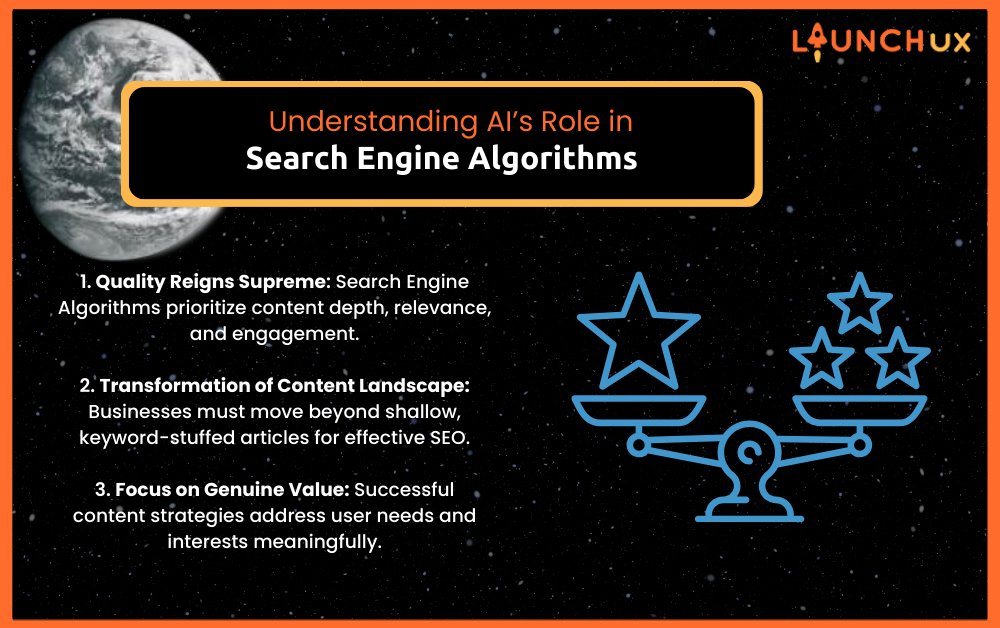
In the bustling marketplace of the internet, quality reigns supreme. As Search Engine Algorithms become increasingly sophisticated, they prioritize content that offers depth, relevance, and engagement. This shift transformed content creation, urging businesses to move beyond shallow, keyword-stuffed articles and embrace a nuanced approach. Today, successful content strategies focus on providing genuine value to users and addressing their needs, interests, and pain points in a meaningful way. AI-driven algorithms analyze metrics like readability, authority, and user engagement to assess content quality for search results. Businesses that prioritize quality content not only improve their visibility in search engine rankings but also build trust and credibility with their audience. In a world where content is king, quality reigns supreme, serving as the cornerstone of effective search engine optimization strategies.

User Engagement Signals: The Metrics That Matter

In the digital realm, engagement is the name of the game. AI algorithms closely monitor user behavior signals, such as click-through rates, dwell time, and bounce rates, to gauge the relevance and usefulness of a webpage. Think of these signals as breadcrumbs that lead search engines to the most valuable content. By optimizing for user engagement signals, businesses can create a virtuous cycle of discovery and interaction, enhancing their visibility and authority in the digital landscape.

Adapting SEO Strategies

From Keywords to Topics: The Evolution of SEO

In the ever-evolving landscape of SEO, the journey from keywords to topics marks a significant paradigm shift driven by advancements in Search Engine Algorithms. While keywords once held sway as the primary currency of optimization, AI-powered algorithms now favor a more holistic approach. They are centered around broad topics. By organizing content into comprehensive clusters that cover a range of related topics, businesses can signal to Search Engine Algorithms their authority and relevance in their niche. This shift towards topic-based optimization represents a fundamental evolution in SEO strategy. It reflects the changing needs and behaviors of users in an increasingly complex digital ecosystem. As Search Engine Algorithms continue to refine their understanding of context and semantics, businesses must adapt their SEO strategies accordingly, prioritizing content depth and relevance over keyword density. In embracing this evolution, businesses can position themselves for success in the dynamic world of search engine optimization.

Voice Search Optimization: Speaking the Language of AI

With the rise of voice-activated assistants like Siri and Alexa, voice search is revolutionizing the way we interact with technology. AI algorithms prioritize conversational queries and provide results that are tailored to the spoken word. By optimizing for voice search, businesses can tap into a whole new audience and stay ahead of the curve in the ever-changing world of SEO. It’s not just about keywords anymore. It’s about understanding the nuances of human speech and delivering results that resonate with users on a deeper level.

Conclusion:

As Search Engine Algorithms continue to evolve alongside advancements in Artificial Intelligence, understanding their role in deciphering user intent, evaluating content relevance, and guiding the evolution of SEO strategies is more crucial than ever. AI-driven algorithms shape the digital landscape through astute query analysis and prioritization of quality content. They also facilitate the shift towards topic-based optimization. By embracing this evolution and adapting their SEO strategies accordingly, businesses can position themselves for success in an ever-changing environment. By deciphering user intent, creating high-quality content, and leveraging topic-based optimization, businesses can navigate the complexities of modern search engine algorithms and elevate their online presence. In doing so, they can improve their visibility in search results. Additionally, they can build lasting relationships with their audience, driving engagement, conversions, and ultimately, success in the digital realm.

Elevate Your Digital Presence with LaunchUX

Ready to harness the power of AI to supercharge your SEO strategy? Let’s collaborate to unlock new possibilities and propel your brand to the top of the search results. Reach out to LaunchUX today, and let’s embark on this exciting journey together!

Decoding Content Analytics: Maximizing Social Media Impact

In the ever-evolving digital landscape, understanding content analytics has become paramount for businesses striving to thrive online. From deciphering audience preferences to optimizing strategies, content analytics serves as the compass guiding effective social media engagement. Let’s delve into this indispensable tool, exploring its role in shaping digital success.

Unveiling Content Analytics in Social Media

The Essence of Content Analytics

Content analytics may sound complex, but at its core, it’s all about understanding how well your content performs online. Imagine you’re a chef and your content is your signature dish. Content analytics is like having taste testers who give you feedback on how your dish is received. Instead of taste, we’re measuring things like how many people see your content (reach), how many like, comment, or share it (engagement), and whether it leads to actions like visiting your website or making a purchase (conversion). These insights help you tweak your recipe (content strategy) to make it even more delicious (engaging) for your audience.

Leveraging Insights for Social Media Success

When it comes to social media success, understanding your audience is key. Content analytics helps you do just that by providing valuable insights into who is interacting with your content, when they’re doing it, and what they’re responding to most. Armed with this information, you can tailor your content strategy to better meet the needs and interests of your followers.

For example, let’s say you’re a fitness brand posting workout videos on Instagram. By diving into your content analytics, you discover that your audience engages more with videos featuring quick, high-intensity workouts rather than longer, slower-paced ones. Armed with this knowledge, you can adjust your content strategy to focus more on the types of videos that resonate most with your audience, ultimately driving higher engagement and reach.

Additionally, content analytics can help you identify trends and capitalize on them before they fade away. Whether it’s jumping on a popular hashtag or capitalizing on a viral meme, staying ahead of the curve can help your brand stay relevant and top of mind for your audience.

In essence, content analytics isn’t just about looking at numbers – it’s about using those numbers to inform and optimize your social media strategy for maximum impact and success.

The Role of a Social Media Manager

The Anatomy of a Social Media Manager

Navigating the world of social media requires a skilled navigator, and that’s where a social media manager steps in. Indeed, picture them as the conductors of your brand’s online orchestra, orchestrating every note to resonate with your audience. Let’s break down what makes up the anatomy of these digital maestros.

1. Strategic Content Architect:

At the core of a social media manager’s role is the ability to craft strategic content that speaks directly to your audience’s hearts and minds. They’re the architects behind every tweet, post, and story, carefully constructing a narrative that aligns with your brand’s values and resonates with your target demographic.

2. Community Cultivator:

Social media isn’t just about broadcasting messages; it’s about fostering genuine connections with your audience. A skilled social media manager acts as a community cultivator, nurturing relationships and sparking conversations that keep followers engaged and invested in your brand.

3. Platform Navigator:

With the ever-expanding landscape of social media platforms, each with its own unique quirks and algorithms, navigating these digital waters can feel like a daunting task. Fortunately, a social media manager is well-versed in the intricacies of each platform, from the succinct charm of Twitter to the visual allure of Instagram. They know when to post, what to post, and how to optimize content for maximum impact on each platform.

4. Crisis Management Maven:

In the unpredictable realm of social media, crises can arise at a moment’s notice. Whether it’s negative feedback from a disgruntled customer or a PR nightmare gone viral, a social media manager is equipped to handle crises with grace and professionalism. They’re adept at defusing tense situations, turning negatives into positives, and safeguarding your brand’s reputation.

The Business Benefits of Social Media Management

Navigating the vast and ever-changing terrain of social media can be daunting for businesses. That’s where a dedicated social media manager steps in, acting as your guide and ally in the digital realm. Here are some key benefits they bring to the table:

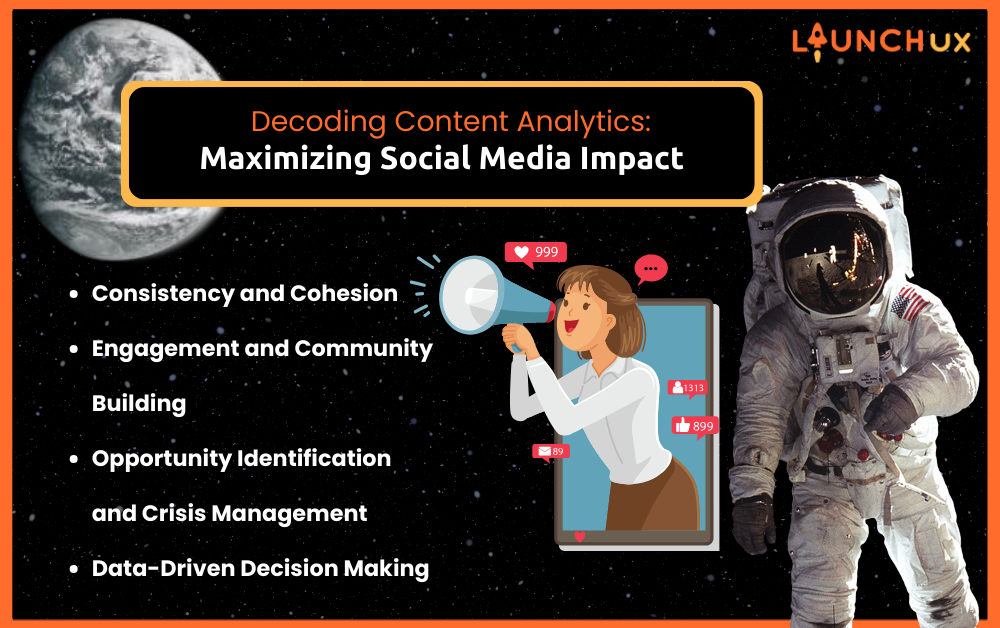
1. Consistency and Cohesion:

In the vast digital landscape, consistency is paramount for brand visibility. A social media manager plays a vital role in maintaining a unified brand voice and aesthetic across platforms, reinforcing identity, and promoting recognition. Through cohesive content strategies, they cultivate trust and foster lasting customer relationships.

2. Engagement and Community Building:

Social media is more than just broadcasting messages; it’s about building connections. A skilled social media manager focuses on engagement, and nurturing an active online community for your brand. They start and join conversations, creating a dialogue that connects with your audience. Through these relationships, they turn followers into advocates, boosting your brand’s reach and influence.

3. Opportunity Identification and Crisis Management:

In the fast-paced world of social media, trends can emerge and dissipate in the blink of an eye. A social media manager keeps a vigilant eye on industry trends and online conversations, seizing opportunities to capitalize on viral moments or address emerging issues proactively. Moreover, they act as the first line of defense in times of crisis, swiftly addressing negative feedback or misinformation to protect your brand’s reputation and integrity.

4. Data-Driven Decision Making:

A winning social media strategy hinges on data insights. Managers leverage analytics tools to track metrics such as engagement rates and audience demographics. Analyzing this data uncovers resonating content, identifies high-return platforms, and highlights areas for improvement. This data-driven approach empowers agile decision-making, allowing for ongoing optimization of your social media endeavors.

A social media manager serves as your brand’s online champion, expertly navigating social platforms to unlock their full potential. With their insights, businesses harness social media as a dynamic tool for growth and building meaningful connections.

Unlocking Unique Advantages with LaunchUX Social Media Management

LaunchUX: Redefining Social Media Management

Let’s explore how LaunchUX is revolutionizing social media management, making it simpler and more effective for businesses.

At LaunchUX, we blend creativity with data-driven insights to craft tailored social media strategies that resonate with your audience. We begin by analyzing your target market and industry landscape using advanced content analytics tools.

But what sets us apart is our personalized approach. We understand that every brand is unique, so we create customized content and ad campaigns that reflect your brand identity.

Our team handles everything from creating engaging content to managing ad campaigns, ensuring that your social media presence stands out. Plus, we provide transparent analytics reports, so you can track your ROI and make informed decisions.

With LaunchUX as your partner, you’ll unlock the full potential of social media, driving growth and building meaningful connections with your audience.

The LaunchUX Difference

What sets LaunchUX apart is our unwavering commitment to delivering measurable results. By harnessing the power of content analytics, we continuously refine our approach, optimizing content strategies to align with evolving audience preferences and industry trends. From strategic content planning to performance monitoring, we empower businesses to thrive in the competitive digital landscape.

Conclusion

In the realm of digital marketing, content analytics emerges as a pivotal tool for driving success on social media platforms. By leveraging data insights and strategic expertise, businesses can unlock the full potential of their online presence, fostering meaningful connections and driving tangible results. With LaunchUX at the helm, you can navigate the complexities of social media management with confidence, harnessing the power of content analytics to propel your brand to new heights of success.

Ready to Amplify Your Online Presence?

Are you ready to take your brand’s social media presence to the next level? Let LaunchUX be your guide. With our tailored strategies and expert understanding of content analytics, we can help you unlock the true power of social media marketing. Contact us today to discover how we can elevate your online presence and drive tangible results for your business. Let’s embark on this journey together and watch your brand soar to new heights of success!

Why Does SEO Take Time to Work?

In the digital realm, where instant results are often expected, the slow-burning process of Search Engine Optimization (SEO) can test the patience of even the most seasoned marketers, illustrating why SEO take time. Unlike paid advertising’s immediate visibility, SEO’s impact grows over time, weaving together a complex web of strategies and adjustments. But what exactly contributes to this extended timeline, and is there a way to hasten the journey to the top of search engine results pages (SERPs)? Let’s explore the multifaceted world of SEO, examining the elements that dictate its pace and uncovering methods to potentially speed up its efficacy, acknowledging that SEO take time for a reason.

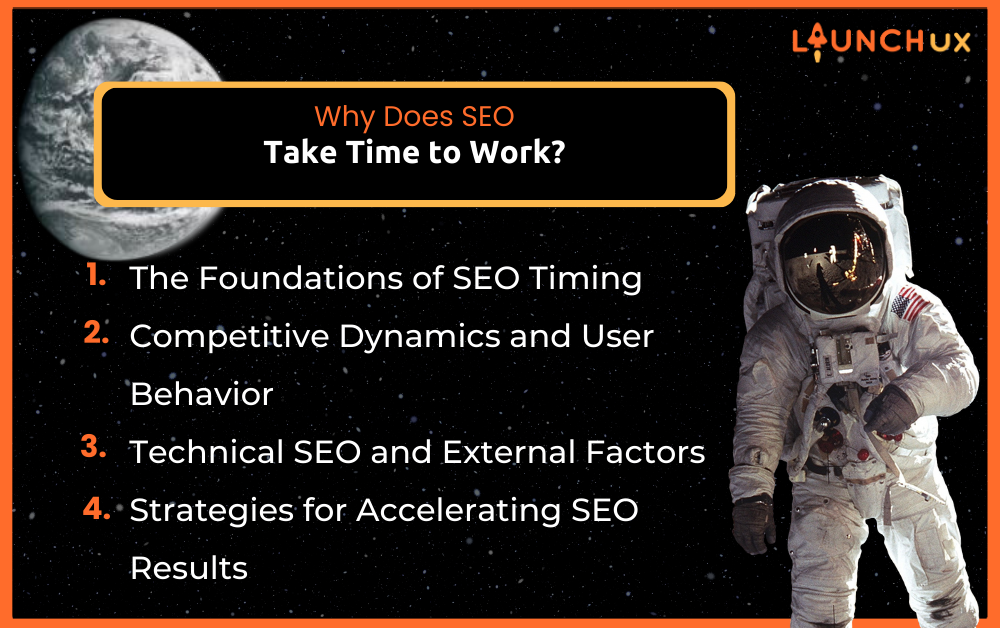
The Foundations of SEO Timing

Algorithm Complexity and Constant Updates

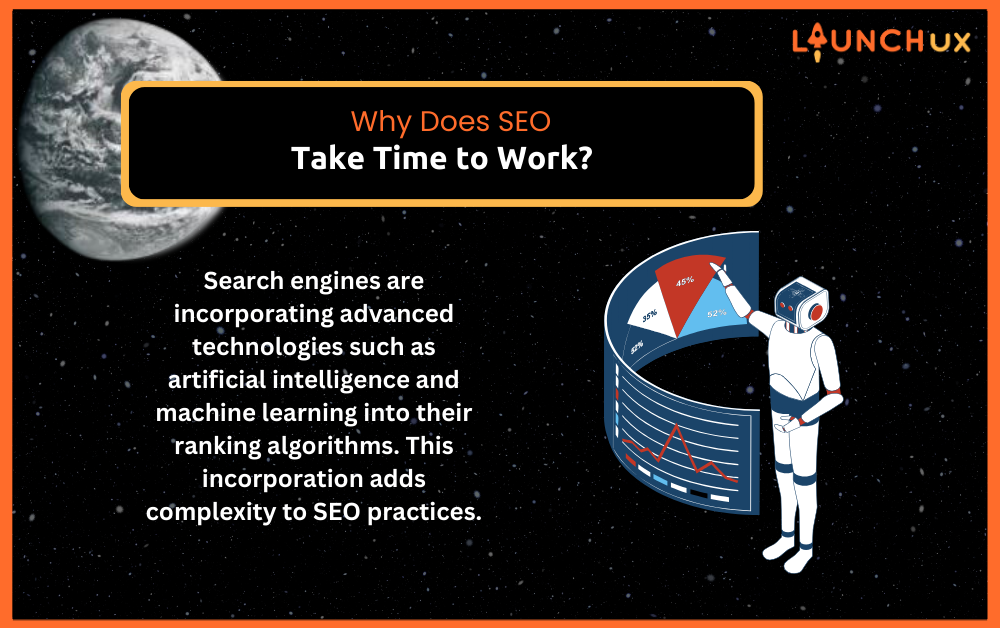
Search engines constantly update their algorithms to deliver relevant, high-quality content to users. This relentless pace of change keeps marketers and website owners on their toes. They must constantly revisit and refine their SEO strategies to match the latest algorithmic shifts. Moreover, search engines are integrating sophisticated technologies like artificial intelligence and machine learning into their ranking processes. This integration increases the complexity of SEO. This technological advancement underscores the importance of understanding and adapting to algorithmic nuances. For anyone aiming to maintain or improve their website’s visibility in search results, this adaptation is not just beneficial but essential. Staying ahead in this game requires a commitment to ongoing learning and flexibility in strategy execution, as what works today may not hold the same impact tomorrow due to these ever-evolving algorithmic updates.

The Role of Content Creation and Optimization

The role of content creation and optimization cannot be overstated in the realm of SEO. It’s the cornerstone upon which successful search engine rankings are built. High-quality, relevant content that resonates with your target audience attracts visitors and encourages site engagement. This boosts dwell time and lowers bounce rates. This process includes both the initial creation of content and its ongoing optimization. The aim is to keep content current and aligned with the evolving needs of your audience and search engine requirements. Strategic keyword integration, while maintaining a natural and engaging tone, is crucial for visibility. Furthermore, the optimization of content extends beyond text to include images and videos, making them accessible and indexable by search engines. Regularly updating your website with fresh content signals to search engines that your site is active and relevant, contributing to higher rankings. In essence, content creation and optimization is a dynamic, ongoing process crucial to SEO strategy effectiveness. It requires constant attention and adaptation to the latest trends and best practices.

Competitive Dynamics and User Behavior

Navigating a Competitive Landscape

With countless websites competing for attention, breaking through the noise requires not just meeting but exceeding the benchmarks set by competitors. This involves comprehensive SEO audits, competitor analysis, and the implementation of strategies that distinguish your site from the rest. The competitive nature of SEO means that as others improve their sites, you must evolve to stay ahead, necessitating an ongoing investment of time.

Understanding and Adapting to User Behavior

Understanding and adapting to user behavior is fundamental in SEO. It requires a keen analysis of visitor interactions, from preferred content to navigation patterns on your site. This involves closely monitoring metrics such as dwell time, bounce rates, and click-through rates to tailor your website’s content and structure to better meet user needs. Additionally, adapting to trends like the increase in mobile usage and voice search is crucial, necessitating content optimization for natural language queries and mobile responsiveness. Engaging with user feedback also plays a key role, offering direct insights into user satisfaction and areas for improvement. Ultimately, aligning your SEO strategy with user behavior enhances the user experience and boosts your site’s search engine rankings. This alignment creates a cycle of continuous improvement and success.

Technical SEO and External Factors

The Impact of Technical SEO

Technical SEO encompasses the behind-the-scenes elements that affect a site’s ability to rank well, such as site speed, mobile-friendliness, and secure connections (HTTPS). Addressing technical aspects is crucial for establishing a solid SEO foundation. However, implementation and recognition by search engines of these improvements require time.

The Influence of External Factors

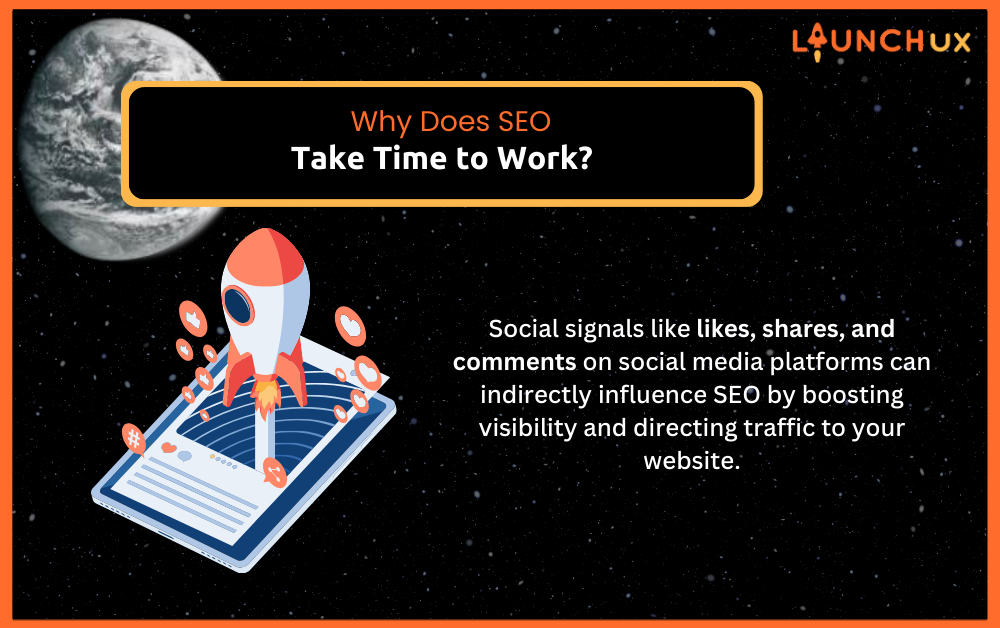
External factors significantly influence SEO timelines and how websites are perceived by users and search engines. Social signals, like social media engagement, and brand mentions enhance visibility, illustrating why SEO takes time. SEO adapts to trends such as voice search, demanding patience as strategies evolve. Backlink quality is crucial for success, requiring ongoing effort. Marketers blend traditional SEO with digital strategies for lasting impact, understanding that SEO takes time to yield results. Adapting to new platforms and technologies adds complexity to SEO, underscoring the need for patience. Continuous monitoring, audience engagement, and a strong online presence are essential for navigating these factors. Managing external influences involves blending traditional SEO with digital marketing strategies for a cohesive online visibility plan.

Strategies for Accelerating SEO Results

Prioritizing Quick Wins in SEO

While SEO generally requires a long-term perspective, certain “quick wins” can help accelerate progress. These include optimizing meta tags, improving site navigation, and ensuring all images are correctly tagged and compressed. Focusing on these areas can yield noticeable improvements in site performance and user experience, which, in turn, can positively affect search rankings.

Leveraging Analytics for Insightful Adjustments

Leveraging analytics is key to refining SEO strategies, and offering insights into website performance and user behavior. By examining metrics like bounce rates and search queries, SEO professionals can pinpoint areas for improvement, identify new keyword opportunities, and tailor content to meet audience needs. Analyzing demographic data and device usage further allows for customized strategy adjustments. Continuous analysis enables dynamic responses to search trends and user preferences, ensuring SEO efforts are both effective and up-to-date. This approach not only boosts rankings but also enhances user engagement and conversion rates, maximizing the value of a website’s online presence.

Conclusion

SEO is a long-term endeavor characterized by gradual progress and sustained efforts. The time it takes to see results is influenced by a myriad of factors, from the complexity of search algorithms to the competitive landscape and beyond. However, understanding these factors and employing strategic, focused actions makes it possible to navigate the SEO journey more efficiently. Remember, in the world of SEO, patience, perseverance, and adaptability are key to achieving lasting success.

Elevate Your SEO Strategy with Expert Guidance

Embarking on the SEO marathon and wondering why SEO take time? Let’s accelerate your journey. Contact us to discover how our comprehensive SEO services can streamline your path to improved search engine rankings, driving more organic traffic and enhancing your online visibility. Together, we’ll craft a tailored SEO strategy that not only addresses the complexities of search engine optimization but positions your website for long-term success in the digital landscape, fully acknowledging that SEO take time to fully manifest its benefits.

AI-Driven Keyword Research: Revolutionizing SEO Strategies

Imagine a world where your digital content aligns seamlessly with your audience’s needs, where every article or blog post you publish ranks high on search engine results, driving organic traffic to your website effortlessly. This isn’t a marketer’s daydream but a tangible reality made possible through the revolutionary power of AI-driven keyword research. In today’s digital-first world, SEO strategies are the backbone of online visibility and success. However, traditional keyword research methods often fall short of understanding the depth and nuances of user intent. Enter Artificial Intelligence (AI) – transforming the SEO landscape by offering unprecedented insights and automating complex research tasks. This blog delves deep into how AI is reshaping keyword research, making SEO strategies more intuitive, effective, and aligned with actual human behavior. Forget about outdated practices; it’s time to explore the future of SEO with AI at the helm.

Understanding AI-Driven Keyword Research

Evolution from Traditional to AI-Driven Keyword Research 

Traditionally, keyword research relied heavily on manual processes, often limited to basic metrics like search volume and competition. This approach, while valuable, often led to a narrow focus on exact match keywords, overlooking the nuances of user intent and semantic relevance. However, with the advent of AI-driven keyword research, the landscape has undergone a seismic shift. AI algorithms now analyze vast datasets with unprecedented speed and accuracy. They uncover hidden patterns and latent connections that manual methods could never unearth. Natural language processing (NLP) capabilities allow AI tools to understand context and user intent, enabling them to suggest keywords that align more closely with what users are seeking. This shift from rigid keyword matching to dynamic semantic analysis has revolutionized SEO. It allows for more holistic and user-centric strategies that drive meaningful engagement and results.

How AI Tools Automate Keyword Discovery

AI tools use sophisticated algorithms to process vast amounts of data, identifying not just high-volume keywords but also long-tail phrases, questions, and related terms that real people use. These tools analyze search trends, competitor content, and market dynamics, providing a comprehensive keyword strategy that’s both relevant and competitive.

Benefits of Using AI for Keyword Research

Adopting AI for keyword research transforms SEO by pinpointing precise, intent-rich keywords, streamlining content alignment with user searches, and boosting engagement. AI tools automate data analysis, revealing trends and opportunities quickly, and allowing marketers to adapt strategies promptly. They refine SEO tactics over time, enhancing campaign effectiveness and ensuring content meets evolving audience needs. This approach not only saves time but also significantly improves online visibility and user engagement. It provides a competitive edge in the digital landscape.

Navigating Through AI-Driven Tools

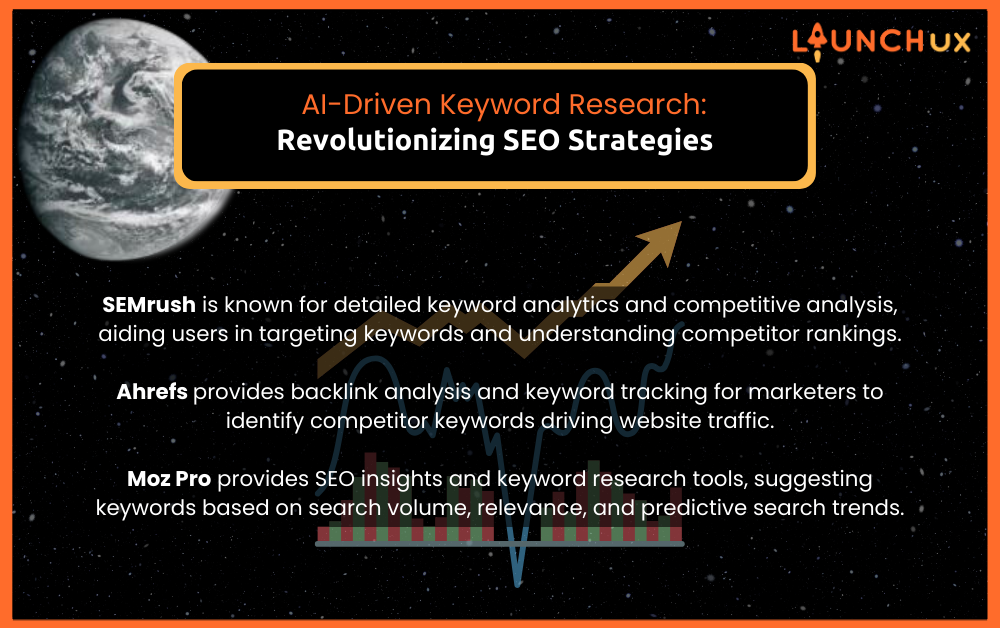
In the landscape of AI-driven SEO, several tools stand out for their innovative approaches and comprehensive capabilities. SEMrush, for example, is renowned for its detailed keyword analytics and competitive analysis features, helping users understand not just which keywords to target but also how competitors rank for similar terms. Ahrefs offers robust backlink analysis functionalities. It also provides keyword tracking, enabling marketers to see which keywords are driving traffic to their competitors’ sites. Moz Pro combines SEO insights with powerful keyword research tools. It offers suggestions based on search volume and relevance, along with predictive search trends. Another notable tool, Ubersuggest, leverages AI to provide keyword suggestions, content ideas, and SERP analysis, making it easier for marketers to craft strategies aligned with current SEO best practices. Each tool has its unique strengths, from uncovering long-tail keywords with low competition to identifying high-converting phrases. By understanding and utilizing these tools, businesses can significantly enhance their keyword research process. This leads to more effective and targeted SEO strategies.

Integrating AI Tools into Your SEO Strategy

Incorporating AI into your SEO efforts should be a thoughtful process. Begin by defining clear objectives and metrics for success. Utilize AI tools to uncover insights but tailor these recommendations to fit your unique brand voice and audience needs. It’s not just about following AI suggestions blindly but integrating them strategically into your broader SEO and content marketing strategy.

Beyond the Algorithms – Interpreting AI Suggestions Creatively

Interpreting Data with a Human Touch 

While AI provides a sophisticated analysis and plethora of data, the true art lies in interpreting this information with a human touch. Understanding the context behind the numbers—such as cultural nuances, seasonal trends, and evolving consumer behaviors—transforms raw data into actionable insights. This human element enables SEO professionals to craft content that resonates on a deeper level. It moves beyond keyword stuffing to creating meaningful, engaging experiences. These experiences satisfy user intent and foster brand connection. It’s about blending the precision of technology with the intuition and empathy of human understanding, ensuring content not only ranks well but also genuinely appeals to and satisfies the target audience’s needs and queries. This approach underscores the importance of human creativity and strategic thinking. Leveraging AI-driven insights is crucial in producing standout content. Especially in the saturated digital landscape.

Strategic Application of AI Recommendations

This part offers a deeper dive into how to strategically implement AI-driven insights into your content creation process. It’s about balancing SEO with readability and engagement, ensuring that content fulfills user intent and drives engagement, all while being optimized for search engines.

Conclusion 

AI-driven keyword research is not just a fleeting trend; it’s setting a new standard for SEO strategies. By leveraging AI, marketers can gain deeper insights, uncover new opportunities, and craft strategies that truly connect with their audience. However, the true power of AI lies not in replacing human creativity but in augmenting it. As we move forward, the synergy between AI’s analytical capabilities and human empathy and understanding will be the cornerstone of successful SEO strategies.

Elevate Your SEO Game with AI 

Are you ready to harness the power of AI in revolutionizing your SEO strategies? Begin by exploring the AI-driven keyword research tools and insights discussed today. But remember, while AI can guide you toward the right keywords and content strategies, your unique brand voice and understanding of your audience are irreplaceable. If you’re looking to elevate your SEO game and seamlessly integrate AI into your marketing efforts, reach out to our team. Let’s work together to create an SEO strategy that’s not only data-driven but also deeply connected to your audience’s needs and desires.

How Long Does It Take for SEO to Show Results?

Curious minds, brace yourselves for a journey into the heart of SEO mysteries. Today, we’re diving deep into the enigmatic realm of search engine optimization timelines. So, how long does it truly take for SEO to reveal its secrets? Let’s unravel the intricacies and unearth the factors that govern the speed at which your website ascends the ranking ranks.

The Waiting Game: Managing Expectations

Setting Realistic Timelines

Setting realistic timelines in the realm of SEO is crucial for success. It’s important to consider the competitive landscape of your industry, understanding that achieving noticeable results may take longer in saturated markets. Additionally, the age and authority of your website play a pivotal role, as new sites often face challenges in building credibility with search engines. Factor in the ever-changing algorithms, requiring continual adaptation of your SEO strategy. In essence, setting realistic timelines involves balancing ambition with pragmatism, acknowledging the complexities of SEO, and approaching the process with patience and a long-term mindset.

The Influence of Content Quality

Content quality stands as the bedrock of SEO success, akin to the cornerstone of a grand architectural marvel. It’s not merely about peppering paragraphs with keywords but rather about sculpting narratives that resonate deeply with your audience. Picture your website as a bustling marketplace, with each page serving as a storefront vying for attention amidst the digital throng. Quality content, in this analogy, becomes your most persuasive sales pitch—a chance to captivate visitors, address their needs, and leave a lasting impression. Crafting compelling, keyword-rich content isn’t just about appeasing search engine algorithms; it’s about forging genuine connections with human readers. So, let every word penned be a testament to your expertise, your passion, and your unwavering commitment to delivering value. After all, in the realm of SEO, content is king, and quality content reigns supreme.

Unveiling the Factors: What Influences SEO Timelines?

The Technical Tango

Ah, the Technical Tango—where every move counts in the intricate dance of website optimization and search engine algorithms. On-page optimization fine-tunes meta tags and enhances user experience, while site speed optimization turbocharges performance. A thorough technical audit uncovers hidden issues and sets the stage for a robust SEO strategy. From compressing images to identifying crawl errors, attention to detail is key in this digital realm where every second counts.

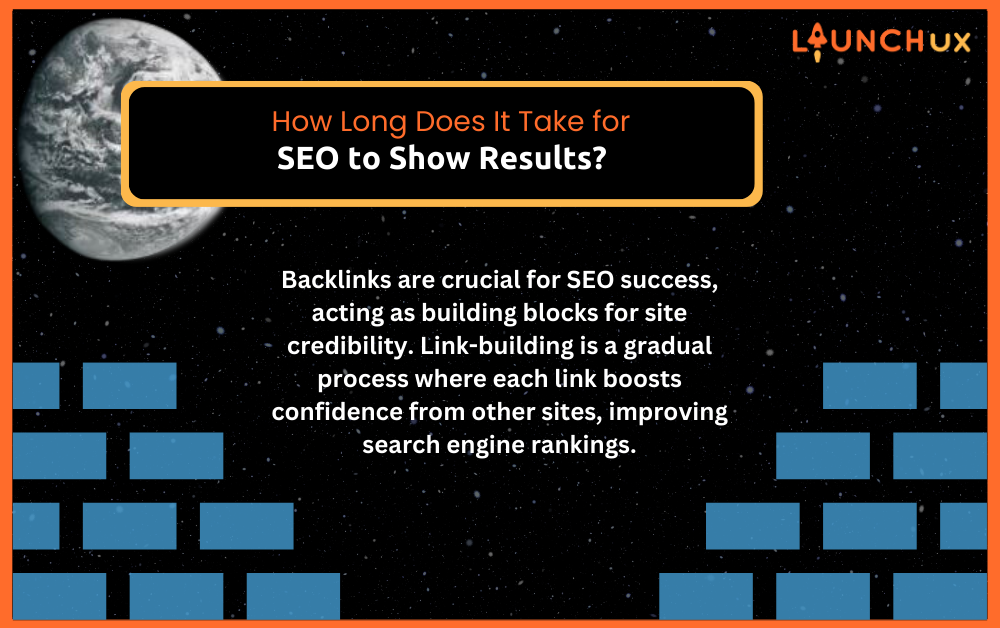
The cornerstone of SEO success—backlinks. Imagine each backlink as a sturdy brick, laying the foundation for your website’s ascent to the upper echelons of search engine glory. But, dear reader, building a robust backlink profile is no small feat—it requires patience, persistence, and a dash of strategic finesse. In the vast digital landscape, backlinks serve as digital endorsements, vouching for the credibility and authority of your website. Each link acts as a vote of confidence from another site, signaling to search engines that your content is worthy of attention. Remember, Rome wasn’t built in a day, and neither is a robust backlink profile. It’s a gradual process of cultivation, nurturing each link like a prized sapling until it blossoms into a mighty oak of digital authority. So, roll up your sleeves, dear reader, and embark on the exhilarating journey of link-building. With each brick laid, you’re one step closer to fortifying your website’s position in the ever-competitive landscape of search engine rankings.

Peering Into the Crystal Ball: Predicting SEO Success

Short-Term Wins vs. Long-Term Gains

Let’s talk strategy. In the fast-paced world of SEO, it’s essential to strike a balance between short-term tactics and long-term goals. Short-term wins, such as optimizing title tags and meta descriptions, can deliver quick boosts in visibility and traffic. These tactics provide immediate gratification and are crucial for gaining momentum early on. However, don’t let short-term gains overshadow your long-term vision. While quick fixes can yield rapid results, sustainable success in SEO often hinges on long-term investments. Building a robust content strategy, cultivating a diverse backlink profile, and enhancing technical optimization may take time to bear fruit but are instrumental in securing lasting gains. Think of short-term wins as the fuel that propels your SEO engine forward, while long-term gains serve as the sturdy foundation upon which your digital empire is built. By striking a harmonious balance between the two, you can navigate the ever-changing landscape of search engine algorithms with confidence and finesse.

Harnessing the Power of Analytics

Harnessing the power of analytics is akin to wielding a mighty sword in the battle for search engine supremacy. Google Analytics, with its intricate data-crunching prowess, unveils a treasure trove of insights into user behavior, traffic sources, and conversion rates, empowering you to make informed decisions and fine-tune your SEO strategy. Meanwhile, Google Search Console provides a backstage pass to your website’s performance in search results, offering invaluable data on indexing status and search queries. Interpreting this wealth of information is key; by deciphering the story behind the numbers and understanding key metrics, you can tailor your strategy for maximum impact. Armed with insights from analytics, it’s time to take action—whether it’s optimizing landing pages or refining keyword targeting, let data be your guiding light in the quest for search engine glory.

Conclusion: 

In conclusion, mastering the art of SEO requires a blend of patience, strategy, and a keen eye for detail. From optimizing on-page elements to cultivating a robust backlink profile, each aspect of your SEO strategy contributes to the overarching goal of improving your website’s visibility and authority. Remember, SEO is not a one-time endeavor but a continuous process of refinement and adaptation. So, roll up your sleeves, embrace the journey, and trust in the power of incremental progress. With dedication and perseverance, your website can ascend the ranks, standing tall amidst the ever-evolving landscape of search engine optimization. Ready to take the next step? Contact us today and let’s propel your website to new heights of digital success.

Accelerate Your SEO Success Today!

Ready to kick your SEO strategy into high gear? Let’s embark on this exhilarating journey together. Contact us today to unlock the full potential of your website and catapult it to the top of the search engine rankings. The digital frontier awaits—let’s conquer it together!