
rocketfuel, Author at LaunchUX - Page 12 of 28

Author: rocketfuel

Voice Search for SEO: Strategies Every Business Must Know

The way people search for information is changing rapidly. The rise of smart devices and voice assistants like Alexa, Siri, and Google Assistant has revolutionized how users interact with the internet. Instead of typing queries, users are speaking them aloud, expecting instant, accurate, and conversational answers.

Voice search is not just a trend—it’s reshaping the way businesses approach search engine optimization (SEO). With more than 40% of adults using voice search daily and the number rising, businesses must adapt their strategies to meet this shift. Failing to optimize for voice search could mean missing out on a significant portion of potential customers who rely on this technology.

In this blog, we’ll explore actionable strategies every business can use to optimize their SEO for voice search, ensuring they stay ahead of the curve and maintain their competitive edge in this evolving digital landscape. Let’s dive in!

What is Voice Search, and Why Does It Matter?

Voice search is a technology that allows users to perform internet searches by speaking their queries aloud instead of typing them. Using natural language processing (NLP) and artificial intelligence (AI), devices like smartphones, smart speakers, and virtual assistants interpret voice commands to deliver relevant results.

For example, instead of typing “best coffee shops near me,” a user might ask their voice assistant, “Where’s the best place to grab coffee nearby?”

User Intent Shift

Voice search differs significantly from traditional text-based searches, especially in terms of user intent:

  • Conversational Queries: Voice searches mimic natural speech patterns, often including full sentences or questions.
    • Example: Text-based query: “weather tomorrow” vs. Voice query: “What’s the weather going to be like tomorrow?”
  • Long-Tail Keywords: Users tend to phrase their searches more specifically, creating opportunities to target niche keywords.
  • Question-Based Searches: Many voice searches are framed as questions, such as “How do I bake a chocolate cake?” or “What are the best SEO practices for voice search?”

By understanding these shifts in user intent, businesses can align their SEO strategies to meet the demands of voice search, enhancing visibility and relevance in search results.

Key Changes Voice Search Brings to SEO

Conversational Keywords

One of the biggest shifts voice search brings to SEO is the transition from short, fragmented keywords to natural, conversational queries. Traditional searches often consist of concise phrases like “best pizza NYC,” but voice search queries are more detailed and conversational, such as, “Where can I find the best pizza in New York City?”

This change requires businesses to adapt their keyword strategies. Instead of focusing solely on short-tail keywords, they must target long-tail phrases that reflect how people naturally speak. Optimizing for these conversational queries increases the likelihood of capturing voice search traffic.

Focus on Questions

Voice search is heavily dominated by question-based queries. Users frequently begin their searches with words like “how,” “what,” “why,” or “where.” For example:

  • “How do I improve my website’s SEO for voice search?”
  • “What are the top-rated restaurants near me?”

To align with this trend, businesses should:

  • Create FAQ sections on their websites that address common customer questions.
  • Integrate question-based phrases into headers, meta descriptions, and content.

Answering these queries concisely and directly increases the chances of being featured in voice search results.

Impact on SERP Features

Voice search relies heavily on featured snippets and position zero (the very top of search results) to provide answers. These snippets are short, summarized responses that directly address the user’s question, making them prime real estate for voice search optimization.

For example, if a user asks, “What is voice search optimization?”, the assistant will often read aloud the featured snippet from the search results.
To optimize for SERP features:

  • Structure content in a way that directly answers specific questions.
  • Use bullet points, lists, and tables to make information easier to extract.
  • Leverage schema markup to improve the chances of appearing in featured snippets.

By prioritizing conversational keywords, focusing on question-based queries, and targeting SERP features, businesses can position themselves as the go-to source for voice search answers.

Natural Language Content

To succeed in voice search optimization, your content must feel conversational and natural, aligning with how users speak rather than type.

  • Tone and Style: Write in a conversational tone, using simple, everyday language. Avoid overly complex or technical jargon unless your audience specifically requires it.
  • Discover Common Queries: Tools like AnswerThePublic, SEMrush, and Google Search Console can help identify the questions your audience is asking. Create content tailored to these queries.
    • Example: Instead of “SEO voice search strategies,” write content around “How can I optimize my website for voice search?”

Long-Tail Keywords

Voice search queries are often long and specific, making long-tail keywords a critical part of your SEO strategy.

  • Keyword Research: Use tools like Ahrefs, Moz, or Ubersuggest to identify long-tail, question-based keywords relevant to your audience.
    • Example: Optimize for queries like “How to bake a chocolate cake at home” rather than simply “chocolate cake recipe.”
  • Content Integration: Naturally incorporate these keywords into headers, subheaders, and body text to enhance your content’s relevance for voice searches.

Local SEO

Many voice search queries are location-specific, making local SEO a priority for businesses.

  • Optimize for “Near Me” Searches: Use phrases like “best coffee shop near me” or “plumber in [city name].”
  • Google My Business: Claim and update your listing with accurate contact information, operating hours, and service details. Ensure your business appears in local map results, as many voice assistants pull information directly from Google My Business.

Mobile Optimization

Voice searches are commonly performed on mobile devices, so ensuring a mobile-friendly website is essential.

  • Responsive Design: Use mobile-friendly layouts that provide a seamless experience on all devices.
  • Page Speed: Optimize images, minimize unnecessary scripts, and leverage caching to ensure your website loads quickly.
  • Mobile Voice Queries: Cater to mobile-specific searches, such as finding nearby services, by targeting location-based keywords.

Structured Data and Schema Markup

Structured data helps search engines understand your content and increases the likelihood of being featured in rich snippets—key for voice search.

  • Schema Implementation: Use schema.org markup to tag important content elements like product descriptions, service details, and FAQs.
  • Rich Snippets: Structure your content to answer questions succinctly, as voice assistants often pull from snippets for voice responses.

By implementing these strategies—writing conversational content, targeting long-tail keywords, optimizing for local and mobile searches, and leveraging structured data—you’ll position your business to thrive in the age of voice search. These proactive steps will enhance your visibility, improve user experience, and help you capture valuable traffic from voice search users.

Tools and Technologies to Leverage

Keyword Research Tools

Effective voice search optimization begins with identifying the right keywords to target. Specialized tools can help uncover conversational, question-based, and long-tail keywords that align with voice search queries:

  • SEMrush and Ahrefs: These platforms provide keyword suggestions and insight into how users phrase their queries, including voice-specific searches.
  • AnswerThePublic: Ideal for discovering commonly asked questions in your industry, helping you craft content that addresses your audience’s needs.
  • Google Trends: Analyze trends in user behavior to identify which voice-related terms are gaining popularity.

Voice Search Testing

To ensure your site is voice-search-friendly, testing is essential.

  • Google’s Search Console: Monitor your website’s performance to identify voice search queries bringing traffic to your site. Analyze this data to refine your strategy.
  • Smart Device Testing: Test your website and content on voice-enabled devices like Alexa, Siri, and Google Assistant. Pay attention to how the assistant interprets your content and whether it provides the desired result.

Content Creation Tools

Producing content that resonates with voice search users requires precision and creativity. AI-powered tools can simplify this process:

  • ChatGPT or Jasper: These AI tools help generate conversational, natural-sounding content tailored to voice search users.
  • Grammarly: Ensures your content is polished and maintains a conversational tone while avoiding unnecessary jargon.
  • Quora: Platforms like these can inspire content by showcasing real user questions, helping you target voice-friendly topics.

By leveraging these tools and technologies, businesses can fine-tune their voice search strategies, create optimized content, and ensure compatibility with the devices users rely on daily. Combining these tools with a proactive approach will position your brand to capture the growing voice search audience effectively.

Measuring Success in Voice Search Optimization

Metrics to Track

To evaluate the effectiveness of your voice search optimization efforts, it’s essential to monitor key metrics that indicate how your content is performing in this space:

  • Traffic from Voice Search Queries: Use tools like Google Search Console to identify search queries that are likely voice-driven. Look for long-tail, question-based phrases that indicate voice search usage.
  • Featured Snippet Visibility: Track how often your content appears in position zero (the featured snippet) for relevant queries. Featured snippets are often the source for voice assistant responses, making them a critical metric for voice search success.
  • Local Search Rankings and Conversions: For businesses targeting local audiences, monitor your visibility in local search results and how many users take action (e.g., click-to-call, get directions) after finding you through voice search. Tools like Google My Business Insights can provide this data.

Adjusting Strategies

Voice search optimization is not a one-time effort. As trends and user behaviors evolve, so should your strategies.

  • Analyze Data: Regularly review your analytics to identify patterns in voice search traffic. Are specific types of questions driving more engagement? Are users frequently finding your content via local or mobile queries?
  • Refine Content: Update existing content to better align with voice search trends. Incorporate new long-tail keywords, optimize for emerging queries, and ensure FAQ sections remain relevant.
  • Monitor Competitors: Keep an eye on competitors who are excelling in voice search. Analyze what they’re doing well and identify opportunities to differentiate your content.
  • Test and Iterate: Continuously test your content with voice assistants and devices, making adjustments as necessary to improve its visibility and performance.

Embracing the Voice Search Revolution

Voice search is no longer just a trend—it’s a transformative force reshaping the digital landscape. With the growing reliance on smart devices and voice assistants, businesses that optimize for voice search position themselves to stay competitive in a fast-evolving market. By adopting conversational keywords, focusing on user intent, leveraging local SEO, and incorporating structured data, businesses can capture a broader audience and deliver the seamless experiences today’s users expect.

Now is the time to ensure your business is ready for the voice search revolution. At LaunchUX, we specialize in crafting SEO strategies that not only meet current trends but anticipate future shifts in the digital world. Let us help you optimize your content, target voice search users, and maintain your competitive edge.

Contact LaunchUX today to take the first step in elevating your business with voice search optimization!
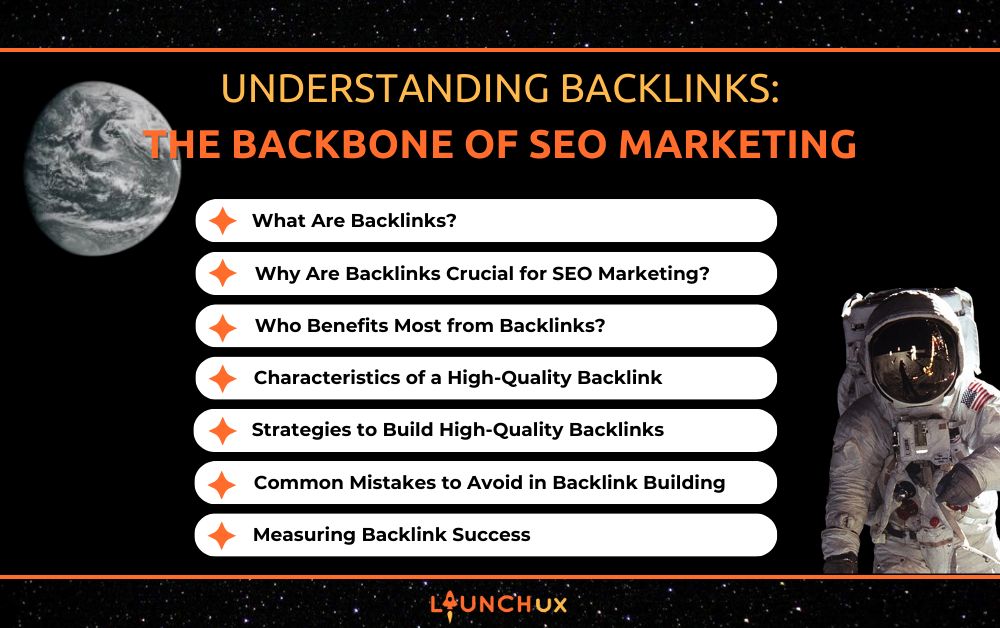
Understanding Backlinks: The Backbone of SEO Marketing

Backlinks are an essential part of any successful SEO marketing strategy. These links, which connect one website to another, act as a vote of confidence, signaling to search engines that your content is valuable and trustworthy. The more high-quality backlinks your site has, the more authority it gains, improving its chances of ranking higher on search engine results pages (SERPs).

In this blog, we’ll break down what backlinks are, why they’re important, and how you can effectively use them to elevate your SEO marketing efforts. Whether you’re running an e-commerce site, a service-based business, or a personal blog, understanding backlinks is key to driving organic traffic and building a strong online presence.

Backlinks, also known as “inbound links” or “incoming links,” are links from one website to another. They serve as pathways connecting different websites and are a critical factor in how search engines evaluate the relevance and authority of web content.

  1. Do-Follow Links: These are the most valuable type of backlinks. They pass on “link juice,” or authority, from the referring website to the linked website, boosting search engine rankings.
  2. No-Follow Links: While these do not pass on authority, they still have value. They signal to search engines that the link is for reference and not for ranking purposes. No-follow links can drive referral traffic and improve brand visibility.

Search engines view backlinks as a vote of confidence. When a website links to your content, it’s essentially vouching for its quality and relevance. The more authoritative the referring website is, the more weight the backlink carries. However, it’s not just about quantity; the quality of backlinks matters significantly in determining search engine rankings.

By understanding the role and types of backlinks, you can start building a foundation for a successful SEO marketing strategy.

Backlinks play a pivotal role in determining the success of your SEO marketing efforts. They’re more than just links—they’re trust signals that search engines use to evaluate the credibility and authority of your website. Here’s a closer look at why backlinks are so important:

Building Authority

Backlinks from reputable websites signal to search engines that your content is reliable and worth ranking higher. For instance, if an authoritative news site links to your blog, it boosts your domain authority, making your site more competitive in search rankings.

Improving Rankings

There is a strong correlation between backlinks and higher positions on search engine results pages (SERPs). Websites with a healthy backlink profile tend to rank higher because search engines interpret the links as endorsements of the content’s quality and relevance.

Driving Referral Traffic

Backlinks not only improve your search rankings but also serve as direct pathways for users. When someone clicks on a backlink to your site from another trusted source, it can generate high-quality referral traffic that’s more likely to convert.

Networking and Partnerships

Acquiring backlinks often involves outreach and collaboration with other businesses or influencers. This process can lead to valuable partnerships and networking opportunities that extend beyond SEO benefits.

By understanding these benefits, it’s clear why backlinks are a cornerstone of effective SEO marketing. When approached strategically, they can elevate your online presence and help you achieve long-term success.

While backlinks are beneficial for nearly every type of website, some businesses and industries reap particularly significant rewards from an effective backlink strategy. Here’s a closer look at who benefits most:

E-Commerce Websites

For online stores, backlinks are essential for driving traffic to product pages and increasing visibility in a competitive market. High-quality backlinks from review sites, shopping blogs, or affiliate partners can boost rankings for specific products, leading to more sales.

Service-Based Businesses

Local service providers, such as plumbers, contractors, or consultants, can use backlinks from local directories and review platforms to build credibility. These links not only improve local SEO rankings but also help potential clients find trustworthy service providers.

Blogs and Content Creators

Backlinks are a lifeline for bloggers and influencers aiming to grow their audience. Links from respected publications or fellow bloggers in their niche establish authority and attract new readers, helping them monetize their content.

Startups and Small Businesses

New businesses often struggle to gain visibility online. A strategic backlink campaign can help them establish credibility and compete with larger, established players in their industry.

SaaS Companies and Tech Firms

Software-as-a-Service (SaaS) companies rely on backlinks to showcase their expertise through whitepapers, case studies, or tutorials. Links from tech blogs and industry leaders can significantly boost trust and drive conversions.

Nonprofits and Educational Institutions

For nonprofits, backlinks from supporters, news outlets, and government sites help amplify their mission and attract donors. Similarly, educational institutions can benefit from backlinks to research papers, resources, or alumni pages.

By tailoring a backlink strategy to your specific industry or business type, you can maximize the benefits and build a strong foundation for your SEO marketing efforts.

Not all backlinks are created equal. The value a backlink brings to your SEO marketing strategy depends on several key factors. Understanding these characteristics will help you focus on acquiring links that deliver the most impact.

Relevance

Backlinks from websites within your niche or industry are far more valuable than those from unrelated sources. For example, a backlink to a gardening blog from a home improvement site carries more weight than one from a travel blog.

Authority

Links from high-authority domains, such as government websites, educational institutions, or well-known publications, boost your site’s credibility. Tools like Moz’s Domain Authority or Ahrefs’ Domain Rating can help evaluate a site’s authority before seeking a backlink.

Anchor Text

Anchor text is the clickable text in a hyperlink. Using descriptive and relevant anchor text (e.g., “best SEO marketing tools”) signals to search engines what the linked page is about, improving its chances of ranking for related keywords.

Placement

Backlinks within the main content of a webpage are more valuable than those in footers, sidebars, or comment sections. Search engines prioritize links placed naturally within well-written content.

Follow vs. No-Follow

While do-follow links pass authority, no-follow links still provide value by driving referral traffic and signaling diversity in your backlink profile. A healthy mix of both types ensures a natural-looking link profile.

Focusing on these characteristics ensures that your backlink strategy contributes positively to your SEO marketing efforts. Quality always trumps quantity, so aim for meaningful, high-value links over a large number of low-quality ones.

Building a strong backlink profile takes time, effort, and a strategic approach. Below are proven methods to acquire high-quality backlinks that enhance your SEO marketing efforts:

Content Creation and Promotion

Creating link-worthy content is one of the most effective ways to earn backlinks.

  • Examples of Link-Worthy Content:
    • Comprehensive guides or how-to articles.
    • Infographics that simplify complex information.
    • Case studies showcasing unique insights.
    • Original research or data analysis.
  • Promotion Tips:
    • Share your content on social media platforms.
    • Email it to industry influencers or collaborators.

Guest Blogging

Writing articles for other reputable websites in your industry can help you earn valuable backlinks.

  • Identify authoritative blogs or publications in your niche.
  • Pitch topics that align with their audience’s interests.
  • Include a natural backlink to your website within the content or author bio.

This involves finding broken links on other websites and offering your content as a replacement.

  • Use tools like Ahrefs or Screaming Frog to identify broken links on high-authority sites.
  • Reach out to the site owner with a polite email suggesting your content as a suitable replacement.

Outreach to Industry Influencers

Building relationships with influencers or experts in your field can result in valuable backlinks.

  • Share their content and tag them on social media.
  • Collaborate on content like interviews or co-authored blogs.
  • Request backlinks for relevant resources on your site.

Directory Submissions

Listing your business on reputable online directories can provide both backlinks and local SEO benefits.

  • Focus on industry-specific directories.
  • Avoid spammy or low-quality directories that might harm your SEO.

Social Sharing

Promoting your content on platforms like LinkedIn, Twitter, and Facebook can lead to indirect backlinks as others discover and share your work.

Implementing these strategies consistently will help you build a robust backlink profile. The key is to prioritize quality over quantity, focusing on meaningful connections and valuable content that naturally attract links.

While backlinks are crucial for SEO marketing, mistakes in your link-building strategy can do more harm than good. Avoiding these common pitfalls will ensure your efforts yield positive results without risking penalties from search engines.

Paid links from untrustworthy sources might seem like a shortcut, but they can lead to severe penalties from search engines like Google.

  • Why Avoid?
    • Search engines prioritize organic link-building efforts.
    • Purchased links are often from spammy or irrelevant websites.

Prioritizing Quantity Over Quality

A large number of low-quality backlinks won’t help your site’s ranking and may even hurt it.

  • Focus Instead On:
    • Acquiring links from authoritative, relevant websites.
    • Building a natural-looking link profile over time.

Backlinks from websites unrelated to your niche provide little to no value. For example, a fitness blog linking to a technology site creates confusion for search engines.

  • Solution:
    • Target links from sites within your industry or related fields.

Over-Optimizing Anchor Text

Using the same keyword-rich anchor text for all backlinks can make your link profile look unnatural and lead to penalties.

  • Best Practice:
    • Use a mix of branded, generic, and keyword-specific anchor texts.

While no-follow links don’t pass authority, they can still provide referral traffic and signal a diverse backlink profile.

  • Tip:
    • Embrace no-follow links as part of a balanced strategy.

Neglecting Ongoing Efforts

Building backlinks isn’t a one-time task; it requires continuous effort and monitoring.

  • Stay Consistent By:
    • Regularly updating your content to make it more link-worthy.
    • Monitoring your backlink profile for toxic or broken links.

Avoiding these common mistakes will ensure your backlink strategy aligns with search engine guidelines and contributes positively to your SEO marketing efforts.

To ensure your backlink strategy is effective, it’s essential to monitor and measure its success. By analyzing key metrics, you can refine your approach and focus on what works best for your SEO marketing goals.

Number of Referring Domains

  • What It Means: The total number of unique websites linking to your site.
  • Why It Matters: A higher number of referring domains indicates broader reach and trust.

Quality of Referring Domains

  • What to Look For: Backlinks from authoritative sites with high domain authority (DA) or domain rating (DR).
  • How to Check: Use tools like Ahrefs, Moz, or SEMrush to evaluate the authority of referring domains.

Anchor Text Diversity

  • What It Means: The variety of text used in backlinks to your site.
  • Why It Matters: A diverse anchor text profile looks natural and prevents penalties from search engines.

Referral Traffic

  • What to Monitor: The number of users visiting your site via backlinks.
  • How to Use It: Identify which backlinks drive the most traffic and replicate similar strategies.

Rankings for Target Keywords

  • What It Shows: Improvements in rankings for the keywords tied to your backlink strategy.
  • Why It’s Important: Direct evidence that your backlinks are positively influencing your search performance.
  • What They Are: Links from spammy or irrelevant websites that could harm your rankings.
  • How to Address Them: Use tools like Google Search Console to disavow harmful links.

Practical Example:
Suppose you’ve earned backlinks from a reputable industry blog. Monitor the increase in organic traffic, keyword rankings, and referral visits from that blog. These insights will help you gauge the value of similar opportunities in the future.

Tracking these metrics regularly will help you measure the success of your backlink-building efforts and ensure your SEO marketing strategy delivers results.

Conclusion

Backlinks are a cornerstone of successful SEO marketing, boosting your site’s authority, rankings, and referral traffic. By focusing on high-quality, relevant links and avoiding common mistakes, you can build a strong foundation for long-term online success.

LaunchUX specializes in strategic link-building to elevate your SEO marketing efforts. Contact us today to strengthen your backlink profile and grow your online presence!

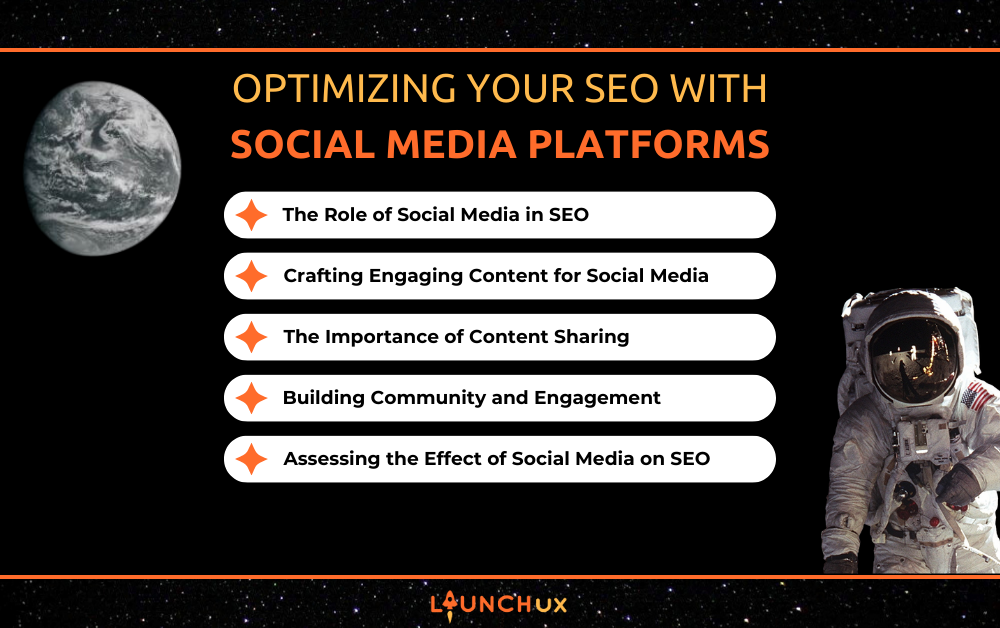
Optimizing Your SEO with Social Media Platforms

Platforms like Instagram, Twitter, and Facebook are pivotal in enhancing your SEO strategy in today’s digital landscape. This blog post explores how effectively leveraging these social media platforms can boost brand awareness, drive traffic, and make engaging content that resonates with your audience. At LaunchUX, we understand the importance of integrating social media with SEO to optimize your online presence. Join us as we delve into how you can harness these tools for maximum impact on your digital marketing efforts.

The Role of Social Media in SEO

Social media platforms are essential for advertising content and building a brand’s online presence. Although social media doesn’t directly influence search engine rankings, it significantly affects factors that lead to SEO success.

Increased Visibility

By conveying interesting content on social media, you can reach a broader audience than ever. This visibility increases the possibility of your content being discovered by new users who may not have encountered your brand otherwise. When your content spreads across different platforms, it provides additional gateways for potential visitors to find you. A larger audience can increase engagement rates, further amplifying your reach. Ultimately, the more people see your content, the more likely they will engage with it, contributing positively to your SEO efforts.

Enhanced Brand Recognition

By being active on social media, you can develop your brand identity and enhance trust in your community. As users engage with your content regularly, they build familiarity with your brand’s messaging, tone, and product range. This recognition translates into higher click-through rates when users encounter your brand in search results, as they are more likely to trust and engage with a familiar name. Moreover, strong brand recognition can increase searches for your brand, which is a positive signal to search engines. By solidifying your presence on social media, you create a robust basis for your overall SEO strategy.

Boosted Traffic

Social media platforms can be a direct channel that guides users to your website, driving significant traffic. When followers see compelling posts with links to your content, they are more inclined to click through and explore what you offer. Clear calls to action in your posts can further encourage users to visit your site. The more traffic you generate from social media, the better your chances of enhancing your SEO ranking.

Crafting Engaging Content for Social Media

Engaging content is crucial for capturing attention on social media. Your approach must be tailored because different platforms have unique formats and audiences.

Visual Storytelling on Instagram

With its focus on imagery, Instagram allows brands to showcase their offerings artistically. High-quality images and videos can captivate audiences, making them more likely to engage with your posts. Telling a story through visuals can create a stronger emotional connection with your audience. Using Instagram Stories and Reels can enhance visibility and encourage followers to share your content. Engagement like this supports your brand and funnel traffic to your website, ultimately strengthening your SEO efforts.

Quick Updates on Twitter

The swift nature of Twitter allows for the effective sharing of quick updates and immediate interaction with your audience. Crafting concise messages with links to your content can drive immediate traffic and engagement. The platform’s use of hashtags allows you to reach a wider audience, increasing the chances of your content being discovered by those outside your follower base. Also, the retweet capability on Twitter inspires followers to share your content with their networks, significantly broadening your audience. When you continually share insightful content, you can build your brand’s reputation as a trusted resource and encourage more visitors to visit your site.

In-depth Discussions on Facebook

Facebook’s platform allows for longer posts and more in-depth community interactions, making it ideal for sharing comprehensive articles and insights. Utilizing this space to provide valuable content can increase your followers’ engagement and discussions. Encouraging users to comment or voice their opinions fosters a sense of community and motivates them to return for future interactions. Additionally, Facebook groups can be a powerful way to build a dedicated audience around specific topics related to your brand. This engagement enhances your relationship with your audience and drives traffic back to your website, further supporting your SEO goals.

The Importance of Content Sharing

Content sharing is one of social media’s most significant benefits. Users sharing your content can amplify your reach and improve your SEO.

Viral Potential

When your content resonates with audiences, it has the potential to go viral. This viral spread can drive shares across multiple channels, generating a domino effect that enhances your exposure. More shares lead to more backlinks as bloggers and influencers cite your content, which is crucial for SEO success. When search engines detect a high volume of engagement, they may rank your content higher due to its perceived value. Harnessing the power of viral content can create a strong foundation for long-term SEO

growth.

Influencer Engagement

Engaging with social media influencers can increase shares and visibility for your content. When influencers share your posts, their large following can drive traffic to your website, amplifying your reach significantly. Cultivating connections with industry influencers can also open doors for partnerships that result in collaborative content and valuable backlinks. These connections can enhance your credibility and attract more users to your brand. Influencer engagement can be a powerful strategy for boosting your visibility and SEO performance.

User-Generated Content

Encouraging your audience to develop and share content associated with your brand can broaden your reach. User-generated content builds community and serves as authentic testimonials that enhance your brand’s credibility. As customers share their experiences with your offerings, it creates a sense of reliability and authenticity that prospective customers appreciate. This type of content can help increase visits to your website, mainly if you create campaigns designed to inspire sharing. Leveraging user-generated content enriches your social media presence and positively impacts your SEO.

Building Community and Engagement

Establishing a community centered on your brand nurtures loyalty and promotes dialogue regarding your content. Social media platforms allow for immediate interaction with your audience.

Direct Interaction

Addressing messages and comments on social platforms builds relationships with your audience and demonstrates that you value their input. When followers see you actively engaging with them, they are likelier to remain loyal and participate in future discussions. This direct interaction can increase content sharing as users feel more connected to your brand. Fostering a community allows for exchanging ideas and feedback, which can inform your future content strategies. By prioritizing direct interaction, you create a vibrant community that supports your SEO efforts.

Encouraging Conversations

Prompting discussions around your content can lead to deeper engagement and increased sharing. Asking open-ended questions or inviting opinions on your posts encourages followers to share their thoughts and experiences. This interaction enriches your content and increases the likelihood of sharing it within their networks. A surge in engagement around your posts indicates to search engines that your website is lively and relevant, which can significantly elevate your SEO. By creating a space for dialogue, you enhance your brand’s visibility and authority.

Gathering Feedback

Social media is an essential platform for gathering feedback from your audience. You can acquire helpful insights that inform your strategy by asking for opinions on your products or content. Understanding your audience’s demands and preferences can help you tailor your content for better engagement and SEO outcomes. Additionally, feedback can lead to improvements that enhance user experience, encouraging more visitors to return to your site. Valuing feedback strengthens your community and improves your overall SEO undertaking.

Assessing the Effect of Social Media on SEO

Calculating and analyzing your performance is crucial to optimizing your social media SEO strategy.

Utilizing Analytics Tools

Resources such as Google Analytics can assist you with staying up to date with referral traffic from social media, providing valuable insights into which platforms are most effective. By monitoring this traffic, you can identify trends and adjust your strategy. Analyzing user behavior on your site can also indicate what content styles resonate most with your audience. This data is instrumental in optimizing your content strategy to resonate with audience preferences. Ultimately, utilizing analytics tools empowers you to make data-driven decisions that enhance your SEO efforts.

Monitoring Engagement Metrics

Paying attention to engagement metrics such as shares, likes, and comments is essential for assessing the effectiveness of your social media strategy. Higher engagement rates indicate that your content resonates with your audience, making it more likely to be shared and linked. Monitoring these metrics enables you to identify which types of content shine the brightest, enabling you to concentrate your steps where they will yield the best results. You can refine your approach by understanding engagement patterns to maximize your reach and impact. Monitoring these metrics contributes significantly to your overall SEO strategy.

Tracking the number of backlinks generated from your social media efforts can provide insight into your content’s authority and relevance. Increased backlinks signal to search engines that your content is trustworthy and valuable, which can improve your rankings. By regularly assessing this growth, you can recognize which content formats yield the most significant backlinks, allowing you to replicate that success in future posts. Fostering relationships with influencers and bloggers can lead to even more backlink opportunities. By prioritizing backlink growth, you can enhance your SEO strategy significantly.

Conclusion

Harnessing the power of social media within your SEO strategy is a must for achieving your goals. By leveraging platforms like Instagram, Twitter, and Facebook, you can drive traffic and brand awareness and generate engaging content that speaks to your audience. At LaunchUX, we understand the importance of this synergy and can help you effectively integrate social media into your SEO efforts. Embrace the power of social media and watch your online presence flourish.

Ready to take your SEO strategy to the next level? Start leveraging the power of social media today! Share your wisdom, entertain your audience, and produce influential content that drives traffic to your website. Don’t wait—contact LaunchUX today to begin optimizing your online presence now and watch your brand thrive! If you found this article helpful, share it with your network, and let’s start a conversation about enhancing our SEO strategies together!

Effective Ways to Increase User Engagement

User engagement is key to growing your business on social media. When people like, comment, or share your posts, it’s a clear sign that they’re excited about what you’re offering and want to connect with your brand. The more engagement you have, the more people will see your posts and the more likely they will become your customers. LaunchUX can help you create a strategy that boosts engagement and builds lasting relationships with your audience. This blog will share helpful tips on improving your social media engagement, whether you’re just starting or looking to strengthen your current strategy. These steps can help you grow your following, build relationships with your audience, and increase your brand’s visibility online.

Understanding User Engagement

User engagement refers to your audience’s actions when they see your posts. This can include liking, commenting, sharing, or clicking on your links. The more engagement your posts get, the more likely they will show up on people’s feeds, helping you reach a wider audience. High user engagement means people are interested in what you’re posting and want to connect with your brand. The more you interact with your followers, the stronger your connection will be. Increased engagement can also improve your reach, helping you grow your community and attract more customers.

Importance of Building Relationships with Your Audience

Engaging with your audience helps create trust and loyalty. When people feel you care about their opinions and take the time to respond to their comments, they’re more likely to keep interacting with your posts. This trust can lead to more meaningful conversations and a deeper connection with your brand. If your followers feel heard and valued, they will return to your page, share your content, and even recommend your business to others. Building these relationships doesn’t just boost engagement; it helps create a community around your brand that will continue to grow over time. The more engaged your followers are, the stronger your online presence becomes.

Listening to Your Audience

Listening to your audience is an essential part of engagement. When you pay attention to the feedback your followers give you, you learn what they care about and what they want to see more of. Replying to comments and messages shows you appreciate their feedback, while asking questions or conducting polls gives them a chance to voice their opinions. By listening closely, you can adjust your content to suit their interests better. The more you listen to your followers, the better you can connect with them and create content they’re more likely to engage with. This helps build a more substantial, more loyal audience.

Using Analytics to Improve Engagement

Social media analytic tools can help you understand which posts get the most engagement and why. These tools show you which content your followers like, when they’re most active, and which posts get the most comments and shares. With this information, you can make smarter decisions about what type of content to post, how often, and when. Analyzing your performance helps you improve your strategy and create more content that your audience wants to see. By regularly reviewing these insights, you can track your improvement and make modifications to improve your engagement over time.

Creating Compelling and Shareable Content

One of the most useful ways to increase user engagement is by creating content that catches your audience’s attention. Shareable content, such as funny videos, helpful tips, or relatable stories, encourages people to like, comment, and share your posts. People want to share things that make them laugh or learn something new. Make sure your content is visually engaging and consistent with your brand’s message. Posts with images, videos, and infographics often get more engagement than plain text posts. The more inviting and shareable your content is,the more likely your audience is to interact with it.

The Power of Visual Content

Visual content, like photos, infographics, and videos, is a great way to increase engagement because it’s more eye-catching and engaging. People are more likely to stop scrolling when they see a post with a picture or video. Visual content can also help explain complicated ideas more efficiently and simplify your message. Videos, in particular, can tell a story, showcase your products, or give your followers a behind-the-scenes look at your business. High-quality visuals can make your posts more noticeable and capture your audience’s attention. The more visually appealing your content is, the more people will engage with it.

Creating Interactive Content

Interactive content, like polls, quizzes, and surveys, can boost engagement by encouraging your followers to get involved. These posts make people feel like they are part of the conversation, which can increase their connection to your brand. Asking for feedback, sharing their opinions, or testing their knowledge can make them more likely to like, comment, or share your content. Interactive posts also give valuable insights into your audience’s interests and preferences. By  encouraging participation and asking questions, you can keep your audience engaged and deepen their relationship with your brand.

Encouraging User-Generated Content

User-generated content (UGC) is content your followers create, like photos, videos, or reviews about your products or services. Sharing UGC is a great way to increase engagement because it shows your followers that you value their input and creates a sense of community around your brand. When people see that others are enjoying your products or services, they’re more likely to trust your brand and engage with your posts. You can encourage UGC by running contests, creating challenges, or simply asking your followers to share their experiences. Reposting user-generated content also helps build social proof and makes followers feel more connected to your brand.

Posting Consistently and At the Right Time

Consistency is a fundamental focus point when it comes to social media engagement. Posting consistently keeps your brand relevant to your followers and encourages them to engage with your content. It’s also essential to post at the correct times when your audience is most active. Social media platforms have peak times when users are likelier to be online and engaging with content. By posting during these times, you can ensure that your posts get the most visibility and interaction. Consistency and timing are essential for maintaining follower engagement and drawing in new ones. Remember to balance quality and frequency to keep your content fresh and exciting.

Scheduling Your Posts for Maximum Reach

Social media scheduling tools help you post consistently without manually doing it. These tools let you plan your posts and set them to be published at the best times for engagement. Scheduling your posts ensures you maintain a regular and consistent presence on social media. This way, you won’t miss essential peak times and can remain active even when busy. Using scheduling tools helps you focus on creating great content while ensuring it reaches your audience at the right moments.

Balancing Quality and Frequency

While posting often is essential, it’s just as important to maintain the quality of your content. If you post too much without focusing on the value of your content, your followers may get bored or stop engaging. Instead, prioritize creating high-quality content that offers value to your audience, while maintaining consistency in your posts. Top-tier content is more likely to be shared and commented on, which helps boost your engagement. Make sure each post is meaningful and relevant to your followers. When you focus on quality, your posts will stand out and keep your audience interested.

Engaging During Peak Hours

When your followers are most active online is the best time to post to boost engagement. Each social media platform has its peak times, depending on the habits of your audience. For example, people might be more active on social media during lunch breaks or the evening after work. Posting during these peak times increases the chances of your posts being seen and interacted with. Using analytics tools to track when your audience is most active can help you post at the correct times and get better results. Posting during peak hours ensures that your content has the best chance of reaching and engaging more people.

Running Contests and Giveaways

Operating contests and giveaways is a fun way to increase user engagement and attract followers. People love the chance to win prizes, and offering something they want can encourage them to like, comment, and share your posts. Contests can create excitement and buzz around your brand and help you grow your social media following. When you offer a prize related to your products or services, you attract followers who are genuinely interested in what you offer. Contests are also a great way to promote word-of-mouth, as people share the contest with friends and family. The more people participate, the more engagement you’ll receive.

Setting Clear Rules for Contests

It’s essential to set clear rules to ensure your contest is successful. Let your followers know how to enter, the reward, and how the winner will be chosen. Clear instructions help avoid confusion and ensure that everyone knows what to expect. When people understand the rules, they’re more likely to participate, which leads to higher engagement. Providing transparency shows your followers that you value their trust and helps create a positive experience for everyone involved. Ensure your rules are easy to follow and fair to encourage more people to join in.

Encouraging Social Sharing

Encouraging social sharing during a contest or giveaway can help spread the word and increase engagement. Ask your followers to share your contest post with friends or tag others to enter. This allows your contest reach a wider audience and attract new followers to your page. The more people share your posts, the more exposure your brand gets, leading to greater engagement. Offering bonus entries for sharing or tagging can also motivate people to spread the word. Social sharing can turn your contest into a viral event that gets even more people interacting with your content.

Offering Valuable Prizes

The prizes you offer in a contest can significantly affect how much engagement you get. To encourage more participation, make sure the prizes are something your followers would want. Whether it’s a free product, a discount, or a gift card, the more valuable the prize, the more likely people will engage. Offering prizes related to your brand or services also helps bring in followers who are genuinely interested in what you have to offer. A great prize can spark excitement in your contest and inspire your followers to actively engage with your brand.  Choose prizes that align with your business to attract the right customers.

Conclusion

Boosting user engagement on social media takes time and effort, but it’s worth it for growing your business. You can increase your brand’s reach and build a loyal community by posting consistently, interacting with your audience, creating shareable content, and running contests. Want to take your social media engagement to the next level? Contact LaunchUX today to create a tailored strategy to help your business grow and succeed online!

Ready to take your social media engagement to the next level? Contact LaunchUX today to develop a personalized strategy to help your business connect with your audience and grow online!

Understanding the Future of AI Through Its Revolutionary Past

Artificial Intelligence, or AI, has become a buzzword in nearly every industry, promising to change how we work, live, and interact. But to truly understand where it’s heading, we need to take a step back and look at where it came from. The future of AI isn’t being built from scratch—it’s standing on the shoulders of decades of innovation, trial, and error. From the early days of simple programs solving basic problems to today’s powerful systems capable of analyzing vast amounts of data, AI has come a long way.

By exploring AI’s revolutionary past, we can better understand how its future will shape our world. This journey not only reveals how far we’ve come but also sheds light on the challenges and opportunities ahead. So, let’s dive into the history that built the foundation for the future of AI and see what’s next on the horizon.

The Revolutionary Past of AI

The story of Artificial Intelligence is filled with groundbreaking moments that have brought us to where we are today. To understand the future of AI, it’s essential to recognize the milestones that have defined its past.

The Birth of AI (1956)

AI officially began in 1956 at the Dartmouth Conference, where researchers gathered to explore the possibility of creating machines that could think. It was during this event that the term “Artificial Intelligence” was coined. Early projects like the Logic Theorist, a program capable of solving mathematical problems, showcased the potential of AI and set the stage for further innovation.

Key Innovations That Shaped AI

Throughout the 20th century, AI saw periods of rapid growth and stagnation, often called “AI winters” when progress slowed due to limited technology. However, during times of progress, key innovations emerged:

  • In the 1970s and 1980s, expert systems—AI programs designed to mimic human decision-making—were widely adopted in industries like medicine and engineering.
  • The development of neural networks in the 1980s provided the foundation for machine learning, a critical aspect of modern AI.
  • The 2010s brought a resurgence of AI thanks to deep learning and big data, leading to advancements in natural language processing, image recognition, and predictive analytics.

AI’s Impact on Society So Far

AI has already revolutionized many areas of life. From medical diagnosis tools that save lives to virtual assistants like Siri and Alexa, AI has proven its ability to enhance both personal and professional spaces. In industries like finance, transportation, and entertainment, AI’s past achievements have paved the way for its growing influence.

Understanding these key moments helps us appreciate how the future of AI is being built on a rich history of innovation. But history isn’t just about celebrating successes—it’s also about learning from challenges.

Lessons from the Past Shaping the Future of AI

The successes and setbacks of AI’s past offer valuable lessons that are shaping how we approach its development today. To predict the future of AI, we must learn from these experiences and address the challenges that come with it.

The Importance of Data

One of the biggest hurdles AI faced in its early days was a lack of data. Early programs could only operate within small, predefined sets of information. Today, thanks to advancements in technology and the rise of big data, AI systems can process and learn from vast amounts of information. This shift has not only enabled better decision-making but has also highlighted the importance of clean, unbiased data. As we move toward the future of AI, ensuring the quality and diversity of data will remain a top priority.

Scalability and Computational Power

AI’s early breakthroughs were often limited by the technology of the time. Computers lacked the processing power to handle complex algorithms or large datasets. Over time, advancements in hardware, including the introduction of GPUs and cloud computing, revolutionized what AI could achieve. Looking ahead, technologies like quantum computing promise to push these boundaries even further, unlocking new possibilities for AI systems.

Ethical Challenges and Solutions

The history of AI has also revealed the ethical challenges that come with its development. Early AI systems often exhibited bias, reflecting the limitations of the data they were trained on. These issues remind us that ethical considerations must be at the forefront of AI’s future. Efforts to create fair, transparent, and unbiased systems are crucial as AI becomes more integrated into daily life.

By reflecting on these lessons, we can approach the future of AI with a stronger foundation, ensuring that its growth is guided by both innovation and responsibility. But what exactly does this future look like? Let’s take a closer look.

The Future of AI: What’s Next?

As AI continues to evolve, its potential seems limitless. The future of AI is filled with opportunities to enhance industries, improve lives, and solve problems we once thought impossible. Here’s a glimpse into what lies ahead:

Autonomous Systems and General AI

The shift from narrow AI, which focuses on specific tasks, to more autonomous and general AI systems is already underway. Autonomous systems, such as self-driving cars and automated warehouses, are becoming more common. Meanwhile, researchers are exploring Artificial General Intelligence (AGI), which aims to replicate human-like reasoning and decision-making. While AGI is still a work in progress, its development could redefine what we expect from AI in the future.

AI in Everyday Life

The future of AI will likely bring it even closer to our daily routines. Smart homes, wearable devices, and virtual assistants will become more intelligent and responsive, making life more convenient. AI’s role in healthcare will expand, offering better diagnostics, personalized treatments, and even virtual health assistants. The integration of AI into everyday life is poised to transform how we interact with technology.

The Role of Governance and Regulation

As AI becomes more powerful, the need for governance and regulation grows. The history of AI has shown us what can happen when technologies are developed without oversight—issues like bias, misuse, and privacy concerns arise. To ensure the future of AI is safe and beneficial, governments and organizations are working to create ethical frameworks and regulations that address these challenges.

Breaking New Ground with Quantum Computing

One of the most exciting developments in AI is the potential impact of quantum computing. By processing massive datasets and solving complex problems faster than ever before, quantum computing could unlock new AI capabilities. This technology promises to take AI into areas like drug discovery, climate modeling, and advanced simulations, opening doors to breakthroughs we can’t yet imagine.

The future of AI isn’t just about making machines smarter—it’s about creating tools that improve our lives, our work, and the world around us. But to get there, we must continue to learn from AI’s past while pushing the boundaries of what it can achieve.

Learning from the Past to Shape the Future

The future of AI holds incredible promise, but its success depends on how well we learn from its past. From the early days of simple programs to today’s breakthroughs in machine learning and deep learning, AI’s history provides a blueprint for its next steps. By addressing challenges like ethical concerns, data quality, and scalability, we can ensure AI develops in a way that benefits everyone.

As we look ahead, AI’s potential to revolutionize industries, enhance daily life, and tackle global challenges is more exciting than ever. However, this journey isn’t just about building smarter machines—it’s about using them responsibly and creatively to make the world a better place.

The future of AI isn’t just about technology; it’s about people. Let’s learn from the past to shape a future that’s innovative, ethical, and inclusive. Together, we can ensure AI continues to evolve in ways that improve lives and transform possibilities.

Optimizing User Experience Through Modern Website Design

Modern website design is essential for establishing a strong online presence. A website must look good and be user-friendly, mobile-optimized, and fast-loading. These factors ensure visitors can easily navigate your site, find the information they need, and have a positive experience. Since more people browse the web on smartphones and tablets, your design must adapt to different screen sizes. Whether creating a personal blog, a business site, or an e-commerce store, modern website design helps immerse visitors and encourage them to act, such as signing up for your newsletter or purchasing. LaunchUX is here to help you achieve an innovative, practical design that ensures your website stands out and delivers the best user experience.

The Importance of Modern Website Design

Modern website design goes beyond aesthetics; it improves user experience, promotes search engine rankings, and drives the overall success of your online presence. A well-designed website attracts more visitors, encourages them to explore your content, and keeps them engaged for longer. Mobile-friendly and fast-loading websites are crucial in today’s market as more users access the internet via smartphones. Websites that load quickly are also favored by search engines, and a clean, intuitive layout makes it easy for visitors to find what they need. You can construct a website that provides a seamless user experience by focusing on modern design principles.

Landing Pages

Landing pages are often the first place visitors encounter your site, making them a critical part of your modern website design. These pages need to grab attention immediately with clear headlines, attractive images, and a message that addresses visitors’ needs. A well-designed landing page optimizes conversions, encouraging users to join an email list, claim an offer, or complete a purchase. The layout should be simple and direct, with a call to action that guides visitors to the next step. An excellent landing page is an easy entry point into your site, making users feel welcome and motivated to engage further.

Capturing Leads

Landing pages are key to capturing leads by offering value in exchange for contact information. This might include a free e-book, a discount code, or exclusive content. Visitors can easily submit their details by providing precise and straightforward forms without feeling overwhelmed. Once you capture a lead, you can nurture the relationship through targeted email campaigns or follow-up offers. A strong lead-capture strategy helps you build a list of potential customers and drive business growth.

Testing and Optimization

To maximize your landing page’s effectiveness, you should regularly test and optimize it. A/B testing helps you compare elements like headlines, colors, and images to determine which versions perform best. By experimenting with other options, you can continuously improve the design and functionality of your landing pages. This data-driven approach helps refine your strategy and ensures your landing pages effectively achieve your goals.

A/B Testing

A/B testing lets you compare two landing page versions to see which performs better in terms of user engagement and conversions. You can determine which resonates most with your audience by testing elements such as images, headlines, or calls to action. A/B testing helps you make informed decisions and optimize landing pages for better performance.

Contact Pages

A clear, easy-to-navigate contact page is essential for building trust and credibility with visitors. It should include multiple contact options, such as a contact form, phone number, and email, so visitors can choose the best method. A straightforward design makes it simple for users to find the information they need. You can also include a map or a live chat feature for additional convenience. A well-designed contact page helps foster positive communication with your audience and boosts customer satisfaction.

Building Trust and Credibility

Trust plays a significant role in any successful website. By making your contact page clear and accessible, you show visitors that you are open, transparent, and ready to communicate. Accurate contact information and a professional layout increase your credibility and helps your website feel more legitimate. Visitors who can quickly contact you will be more inclined to trust your brand and interact with your site.

Automated Responses

Automated responses offer visitors instant confirmation that their inquiry has been received. For example, when someone fills out a contact form, an automatic email can acknowledge their message and tell them when to expect a reply. This reassures users and keeps them engaged, improving their overall experience. Automated responses save time for website owners and ensure inquiries are acknowledged immediately.

Multiple Contact Options

Providing different ways for visitors to reach you ensures accessibility for all users. Some prefer to email you, while others want to speak with you directly on the phone or through social media. Offering various contact options increases the likelihood of meaningful interaction with your audience. Catering to different preferences makes it easier for visitors to contact you.

SEO

Incorporating SEO into your modern website design is essential for improving visibility and boosting search engine rankings. A modern website design guarantees that your website loads quickly, use clean code, and is mobile-friendly—all factors that enhance SEO. Optimized titles, headings, and meta descriptions can improve your search rankings. Additionally, user-friendly design decreases bounce rates and increases visitors’ time on your site, improving SEO. A modern design that embraces SEO best practices attracts more organic traffic and helps you connect with your target audience.

Content Strategy

A strong content strategy is key for improving SEO and engaging visitors. Creating relevant, high-quality content increases your chances of ranking higher in search engines. Consistently publishing blog posts, guides, and articles targeting specific keywords helps your SEO and provides value to your audience. Great content keeps users on your site and establishes your website as a reliable, authoritative source in your niche, benefiting both SEO and user retention.

SEO Analytics

Tools like Google Analytics can assist you with tracking your site’s performance in search rankings. These tools provide insights into which pages attract the most traffic, which keywords drive visitors, and how users interact with your content. With this data, you can adjust your strategy, refine your design, and optimize for keywords that attract more traffic. Regularly reviewing SEO analytics ensures your website stays competitive and expands its organic audience.

SEO Best Practices

Following SEO best practices, both on-page and off-page, can significantly boost your website’s visibility. Optimizing content, images, and links ensures that search engines can easily crawl and index your site. A modern website design that adheres to SEO best practices improves your search ranking and offers a better user experience. Combining good design with innovative SEO strategies is the key to developing a site that attracts both search engines and visitors.

E-Commerce

A modern design is crucial for turning your website into a successful e-commerce platform. A clean, intuitive design helps customers easily browse products, make purchases, and complete secure transactions. Since more people shop on mobile devices, your e-commerce website must be mobile-responsive. Clear product descriptions, high-quality images, and easy-to-use filters ensure that customers can quickly find what they’re looking for. A secure payment system, a shopping cart, and customer reviews build trust and encourage purchases.

Secure Transactions

Security is essential for e-commerce websites. A modern design ensures that transactions are secure and customer data remains protected. Safe payment systems and SSL encryption protect sensitive information during the purchasing process. By offering a secure shopping experience, you build customer trust, which leads to more completed transactions. With increasing online security concerns, a secure e-commerce site is critical for maintaining customer confidence.

User Reviews and Ratings

User reviews and ratings are vital to modern e-commerce websites. Positive reviews increase potential buyers’ confidence and encourage them to make purchases. Allowing customers to leave feedback builds credibility and trust in your products. Displaying these reviews may increase sales by offering social validation of the product’s quality.

Easy Navigation

Effective navigation is key for a successful e-commerce site. Modern websites feature easy-to-use menus, filters, and search bars that help customers find their needs with minimal effort. Clear product categories, sorting options, and personalized recommendations enhance the shopping experience. By offering intuitive navigation, you improve user experience and increase the likelihood of sales, reducing abandoned carts and boosting conversions.

Conclusion

Modern website design is essential for developing a visually appealing site that is user-friendly and optimized for search engines. Whether your focus is on landing pages, contact pages, SEO, or e-commerce, each element plays a vital role in your website’s success. By incorporating these key design principles, you can build a site that engages visitors and drives conversions. If you’re ready to take your website to the next level, contact LaunchUX today for expert website design and development services!

Ready to transform your website with a modern, user-friendly design that drives results? Contact LaunchUX today and let our experts help you create a sensational website that fulfills your business needs and exceeds your expectations. Don’t wait—take the first step toward enhancing your online presence!

Crafting a Winning Digital Marketing Strategy

A well-executed marketing strategy is a critical element of business growth, aligning every aspect of your digital presence to achieve clear goals. Developing this strategy requires more than simply adding individual tactics like SEO, PPC, or social media—it demands creating an interconnected system where each component supports the others. This approach ensures that every marketing effort contributes to the bigger picture, driving traffic, building brand awareness, and generating leads.

Let’s explore how to create a robust marketing strategy and examine how your website, SEO, PPC, and social media work together to form a cohesive plan.

The Central Hub: Your Website

Your website acts as the foundation of your marketing strategy. It’s the first place potential customers go to learn about your business, services, and products. No matter how well you execute other aspects of your marketing plan, they will fall short if your website fails to engage and convert visitors.

An effective website must focus on three primary objectives:

  1. User Experience (UX): Visitors should navigate your website easily, whether they’re exploring your homepage, reading blog posts, or checking out products. Mobile responsiveness and fast loading times are non-negotiable.
  2. Brand Representation: A website is an extension of your brand. The design, tone, and content should reflect your business’s values and personality.
  3. Conversion Optimization: Every page should encourage visitors to take the next step, whether that’s signing up for a newsletter, making a purchase, or contacting you for more information.

Beyond its functionality, a website serves as the hub where all other marketing efforts converge. SEO drives organic visitors, PPC ads direct clicks, and social media channels guide users back to your site. Without a strong website, these traffic-driving efforts won’t reach their full potential.

SEO: Attracting Organic Traffic

Search Engine Optimization (SEO) ensures your website is visible to people actively searching for your services or products. While other forms of advertising require ongoing budgets, SEO generates organic traffic over time, making it a cost-effective and sustainable element of a marketing strategy.

Key components of SEO include:

  • Keyword Research: Understand what terms your target audience uses when searching for solutions you provide. Tools like Google Keyword Planner or SEMrush can help identify high-value keywords.
  • Content Creation: Blog posts, guides, videos, and infographics should provide valuable information, keeping visitors engaged while naturally incorporating relevant keywords.
  • Technical SEO: Optimizing site speed, implementing structured data, and ensuring mobile-friendliness help search engines index and rank your site effectively.
  • Local SEO: For businesses that serve specific geographic areas, local SEO is vital. Optimizing your Google Business Profile and building local citations can improve visibility in your community.

While SEO may take time to deliver results, its long-term benefits make it indispensable. As traffic increases, it lays a solid foundation for other marketing efforts to build upon.

PPC: Generating Immediate Results

While SEO builds momentum, pay-per-click (PPC) advertising delivers instant results by placing your business directly in front of potential customers. Platforms like Google Ads and Bing Ads enable you to bid on keywords and display your website at the top of search results, regardless of organic rankings.

PPC campaigns should be carefully managed to maximize their return on investment:

  • Audience Targeting: Define specific demographics, geographic areas, and user behaviors to ensure your ads reach the right people.
  • Landing Pages: Direct PPC traffic to tailored landing pages that align with the ad’s messaging. A dedicated page with a clear call-to-action (CTA) performs much better than a generic homepage.
  • Budget Optimization: Monitor click-through rates (CTR), conversion rates, and cost-per-click (CPC) to allocate your budget where it generates the highest returns.
  • A/B Testing: Experiment with different headlines, CTAs, and ad formats to find what resonates most with your audience.

PPC’s strength lies in its ability to complement SEO. While SEO builds organic rankings, PPC ensures your business appears in search results immediately, giving your strategy a dual approach to capturing search traffic.

Social Media: Building Relationships and Amplifying Reach

Social media plays a critical role in today’s interconnected marketing strategies. Platforms like Facebook, Instagram, LinkedIn, and TikTok allow businesses to build relationships, engage with audiences, and share content that aligns with their broader strategy.

Here’s how social media fits into a comprehensive marketing strategy:

  • Content Distribution: Share blog posts, videos, and other website content to drive traffic and increase visibility.
  • Engagement: Use social media to communicate directly with your audience. Responding to comments, answering questions, and participating in discussions humanizes your brand and builds trust.
  • Advertising: Paid social media campaigns allow for highly specific targeting, from demographic information to user behaviors and interests.
  • Brand Awareness: Regular posting and engaging visual content ensure your business stays top-of-mind for followers, even if they’re not ready to convert immediately.

By integrating social media into your marketing strategy, you extend the reach of other efforts. For instance, a blog post optimized for SEO can gain additional traction when shared across your social channels, reinforcing the interconnected nature of your strategy.

The Power of Integration

The real magic happens when your website, SEO, PPC, and social media efforts are not only executed well but also interwoven into a single, cohesive marketing strategy. Here’s how these components work together:

  1. Driving Traffic to Your Website: SEO and PPC campaigns bring visitors to your website, while social media guides followers to specific pages or resources.
  2. Engaging Visitors: Your website captures attention and delivers a seamless user experience, encouraging visitors to explore further.
  3. Converting Leads: Optimized landing pages, CTAs, and lead generation forms help convert visitors into customers or subscribers.
  4. Reinforcing Efforts: Social media amplifies content created for SEO purposes, while PPC campaigns retarget users who have already visited your site but didn’t convert.

This interconnected approach ensures that no single channel is working in isolation. Instead, each effort enhances the others, maximizing your overall marketing impact.

Tracking Success and Refining Strategy

No marketing strategy is static. Regular evaluation and adjustments are essential to ensure each component is performing at its best. Tools like Google Analytics, Facebook Insights, and PPC platforms provide invaluable data for measuring success.

Here are some metrics to monitor:

  • Website Traffic: Track where your visitors are coming from—organic search, paid ads, or social media—and adjust your focus accordingly.
  • Conversion Rates: Measure how effectively your website turns visitors into leads or customers.
  • SEO Rankings: Monitor keyword performance and make updates to content and technical elements as needed.
  • Ad Performance: Analyze CTRs, CPCs, and ROI to fine-tune PPC campaigns.
  • Engagement: Review likes, shares, comments, and followers on social media to gauge your audience’s interest.

By consistently analyzing data and refining your approach, you’ll ensure your marketing strategy evolves alongside your business goals and market trends.

Final Thoughts

A successful marketing strategy is far more than the sum of its parts. It’s a carefully constructed system where your website, SEO, PPC, and social media efforts all work together seamlessly. Each component serves a unique purpose but contributes to the shared objective of building brand awareness, driving traffic, and generating leads.

When executed correctly, this interconnected approach delivers results that far exceed what any single tactic could achieve alone. By focusing on integration, consistency, and continuous improvement, you’ll create a marketing strategy that not only meets your current goals but also lays the groundwork for long-term success.

How Web Application Development Can Transform Your Business Operations

Think about your favorite store or service. What makes you keep coming back? Chances are, it’s because the experience is easy, quick, and feels like it’s made just for you. That’s exactly what web application development can do for your business. Whether you run a small shop or a growing company, web applications can make your customers’ experience better and keep them coming back. In this blog, we’ll break down how web application development can boost customer satisfaction, what tools make it work, and how it benefits your business. Let’s get started!

Features of Web Applications That Improve Customer Experience

When it comes to keeping customers happy, web applications can do a lot of heavy lifting. The right features make their experience smoother, faster, and more enjoyable, which means they’re more likely to stick around and keep coming back. Here are some ways web application development makes that happen:

Personalization That Feels Like Magic

Ever noticed how your favorite shopping site seems to know exactly what you’re looking for? That’s no accident. Web application development allows businesses to use data to offer personalized experiences, like product recommendations or tailored dashboards. Customers love it when a business “gets” them.

Real-Time Interaction for Instant Help

Nobody likes waiting, especially online. Features like live chat, instant notifications, or interactive forms let you connect with your customers in real-time. Whether they have a question or need support, web application development ensures they get what they need, fast.

Seamless Navigation That Keeps Them Coming Back

If your website or app is slow or clunky, people won’t stay long. Web applications are designed to be quick, easy to use, and intuitive. Customers can browse, shop, or book services without frustration, which makes them more likely to return.

One Experience, Everywhere

Your customers don’t care if they’re on their phone, tablet, or computer—they want the same great experience. Web application development helps you create platforms that work seamlessly across all devices, keeping your brand consistent and your customers happy.

Safety First

In a world where data breaches are all too common, customers want to know their information is safe. Web applications built with security in mind give your audience peace of mind and build trust in your business.

These features aren’t just nice to have—they’re must-haves if you want to create a customer experience that stands out. Next, we’ll dive into the technologies that make these features possible.

Technologies That Drive Great Customer Experiences

Behind every great web application is a mix of smart technology working hard to make things easy for your customers. Here’s how web application development leverages cutting-edge tools to keep your business ahead of the curve:

AI and Machine Learning: Smarter, Faster, Better

Artificial intelligence (AI) and machine learning aren’t just for sci-fi movies. They’re tools that can learn what your customers like and need. For example, AI-powered chatbots can answer common questions instantly, while recommendation engines suggest products or services based on a customer’s past behavior. It’s like having a personal assistant for every visitor to your site.

Progressive Web Applications (PWAs): The Best of Both Worlds

PWAs combine the benefits of a website and a mobile app. They’re fast, work offline, and don’t require downloads. Think of a PWA as a lightweight app that runs in a browser but feels as smooth as a native app. It’s one of the best innovations in web application development to date.

Real-Time Updates: Keeping Customers in the Loop

People love knowing what’s happening in real time. Whether it’s tracking a package, updating stock availability, or confirming a booking, real-time updates keep customers engaged and informed. This is made possible through technologies like WebSockets and APIs, which are staples in modern web application development.

Responsive Design: Anywhere, Anytime Access

Today’s customers switch between devices constantly. One minute they’re on their phone, the next they’re on a desktop. Responsive design ensures your web application looks great and works perfectly no matter the screen size. It’s a key part of any good web application development strategy.

Integrated Systems: Everything Works Together

When your web application can connect with other tools—like payment gateways, shipping services, or customer relationship management (CRM) software—it saves time and creates a seamless experience. Integration is a game-changer, especially for businesses that need everything to work smoothly behind the scenes.

These technologies aren’t just about keeping up with trends—they’re about creating a better, easier experience for your customers. In the next section, we’ll talk about how these features and tools directly benefit your business.

How Web Applications Benefit Your Business

Investing in web application development isn’t just about making life easier for your customers—it’s also a game-changer for your business. Here’s how it can help you grow, stand out, and stay competitive:

Build Loyal Customers Who Keep Coming Back

When your web application is fast, easy to use, and meets customer needs, people notice. A smooth experience builds trust and loyalty, encouraging repeat business. Whether it’s through personalized features or quick support, customers are more likely to stick with you over the competition.

Turn Browsers into Buyers

A well-designed web application can guide customers through the buying process with ease. Features like intuitive navigation, real-time updates, and secure payment options reduce friction, leading to higher conversion rates. The smoother the journey, the more likely customers are to hit “buy.”

Stand Out from the Competition

In a crowded market, offering a superior customer experience can be your secret weapon. Custom web application development lets you create unique features tailored to your audience, helping your business stand out and build a strong reputation.

Save Time and Money

Web applications don’t just serve your customers—they also streamline your business operations. Automation tools, integrations with other systems, and real-time data processing reduce the time and effort needed to manage everyday tasks. This means more time for you to focus on growing your business.

Scale Easily as You Grow

One of the best things about web application development is its scalability. Whether you’re adding new features, expanding your customer base, or moving into new markets, a well-built web application can grow with you. It’s a long-term investment that pays off as your business evolves.

By delivering better customer experiences, driving sales, and saving resources, web applications can transform your business. Ready to take the next step? Let’s talk about how custom web application development can work for you.

Conclusion: Smarter Web Solutions Without Mobile Apps

At LaunchUX, we specialize in creating tailored web applications that deliver exceptional customer experiences. While LaunchUX currently does not offer mobile application development for Android or iOS, we fully understand the importance of mobile accessibility in today’s business world. Instead of diving into costly and complex mobile app development, we guide our clients toward smarter, budget-friendly solutions.

We recommend alternatives like progressive web apps (PWAs), which deliver an app-like experience directly through a mobile browser, or enhance your website for seamless mobile performance. These approaches provide the benefits of mobile apps while being more scalable, cost-effective, and adaptable to future needs.

If you’re ready to invest in web solutions that drive growth and align with your business goals, contact LaunchUX today. Let’s create a web application strategy that works for you—no mobile app is required.

What Are Title Tags and How Can They Improve Your SEO?

A title tag is more than just a label for your web page—it’s a key element that directly influences how your site performs in search engine results. Acting as the clickable headline in search listings, title tags not only help search engines understand the content of your page but also play a pivotal role in attracting users to click. When crafted thoughtfully, they can drive significant traffic, improve rankings, and enhance the overall user experience, making them an essential part of any successful SEO strategy.

What Are Title Tags?

Title tags are HTML elements that define the title of a web page. They are visible in multiple key locations, such as:

  • Search Engine Results Pages (SERPs): Title tags appear as the clickable blue link users see when searching for information.
  • Browser Tabs: Displayed at the top of your browser, title tags help users navigate between open pages.
  • Social Media Previews: When sharing links, title tags often serve as the headline in preview snippets.

These tags provide a concise summary of what your page is about, acting as a critical first impression for both users and search engines.

The Role of Title Tags in SEO

Title tags are a cornerstone of on-page SEO, playing a dual role in influencing both search engine algorithms and user behavior.

  • Search Engine Algorithms: Search engines use title tags to understand the topic of a page and determine its relevance to a user’s query. A well-optimized title tag with strategic keywords can improve your page’s chances of ranking higher in results.
  • User Engagement: An engaging, clear, and relevant title can entice users to click on your link over others, improving your click-through rate (CTR). The more users click on your link, the more search engines recognize your page as valuable, further boosting your rankings.

By balancing technical optimization with user appeal, title tags are a powerful tool for increasing visibility and driving organic traffic to your site.

Why Are Title Tags Important for Your Website?

Improving Click-Through Rates (CTR)

Optimized title tags are your website’s first chance to grab attention in search results. A well-written title tag clearly communicates the value of your content, enticing users to click on your link over others. Imagine browsing a library shelf—books with clear, engaging titles are the ones you’re more likely to pick up. Similarly, a title tag with relevant keywords and compelling phrasing encourages users to visit your site, improving your click-through rate (CTR) and signaling to search engines that your page is worth promoting.

Boosting Search Engine Rankings

Search engines rely on title tags to determine the relevance of your page to a user’s query. When your title tag includes carefully chosen keywords that align with user searches, it acts like a beacon, helping search engines categorize and rank your content appropriately. For example, a page titled “Affordable Winter Jackets for Men” is more likely to rank for relevant searches than a vague title like “Shop Now.” By clearly defining your page’s purpose, you boost your visibility in search results, making it easier for potential visitors to find you.

Enhancing User Experience

They do more than help search engines—they guide users by providing a quick snapshot of your page’s content. Clear and descriptive title tags reduce confusion and set accurate expectations, ensuring visitors find what they’re looking for once they click. Think of them as signposts on a highway: the clearer and more specific the signs, the more confident drivers feel about their destination. When users have a seamless experience navigating to your page, it fosters trust and encourages longer engagement, which benefits your website’s overall performance.

Optimizing title tags is a simple yet powerful step in creating a better experience for both users and search engines, ultimately driving measurable results for your website.

How to Write Effective Title Tags

1. Use Keywords Wisely

Including primary keywords in your title tags is crucial for effective SEO. Position these keywords naturally at the start of the title to clearly communicate relevance to search engines and users alike. For instance, instead of “Discover Tips for Writing Blogs,” a stronger title would be “Blog Writing Tips: How to Engage and Rank Better.”

2. Keep It Concise and Clear

To ensure your title tags display properly in search results, keep them under 60 characters. This prevents truncation, which can cut off important information and leave users guessing. A clear and concise title like “Best Hiking Boots for Winter Adventures” is more impactful than a lengthy, vague one.

3. Make It Compelling

Capture attention by creating title tags that spark curiosity or offer clear value. Use action-driven words like “Unlock,” “Master,” or “Improve” to emphasize benefits or urgency. For example, “Unlock the Secrets to Better SEO Rankings” is much more engaging than a generic title like “SEO Advice.”

4. Avoid Duplicate Title Tags

Each page on your website should have a unique title tag tailored to its specific content. Duplicate title tags confuse search engines, which can negatively impact rankings, and may mislead users. Individualized titles like “SEO Tips for Beginners” and “Advanced SEO Strategies” clarify the purpose of each page and improve navigation.

5. Consider Branding

Including your brand name in title tags can enhance recognition and build trust, especially for well-known businesses. Position your brand at the end of the title for better visibility, such as “SEO Title Tag Optimization | LaunchUX.” However, prioritize the page’s main topic first to maintain relevance and attract clicks.

By combining these strategies, you can create title tags that not only rank well but also encourage users to visit your site, driving traffic and engagement.

Common Mistakes to Avoid

Using Overly Long or Keyword-Stuffed Title Tags

Title tags that exceed 60 characters are often truncated in search results, leaving important information out and frustrating users. Similarly, stuffing too many keywords into your title not only looks unprofessional but can also harm your SEO by making your content appear spammy to search engines. Instead of “Best Winter Jackets, Affordable Winter Coats, Cheap Winter Outerwear,” opt for a clean, focused title like “Affordable Winter Jackets for Every Budget.”

Creating Vague or Irrelevant Titles

A vague title like “Click Here for More Info” or a misleading one that doesn’t reflect the page’s content can quickly drive users away. Titles need to be specific, relevant, and actionable to earn clicks and maintain user trust. For instance, instead of “Great Products Online,” use “Top 10 Organic Skincare Products for 2024” to provide clarity and value.

Forgetting to Align the Title with the Page Content

Title tags should set clear expectations for what users will find on the page. If the title promises “How to Bake a Perfect Chocolate Cake,” but the content is about baking tools, visitors will leave disappointed. This misalignment not only frustrates users but also increases your bounce rate, which can negatively impact your rankings. Always ensure your title accurately reflects the page’s content for a seamless user experience.

Avoiding these common mistakes ensures your tags are effective, user-friendly, and aligned with best practices, ultimately driving better results for your website.

The Impact of Title Tags on SEO Success

While title tags are vital, they are most effective when paired with other on-page SEO elements:

  • Meta Descriptions: The title tag grabs attention, but the meta description provides context, convincing users to click. Together, they act as your “ad copy” in search results.
  • Headers (H1, H2, etc.): Title tags set the stage, but headers help structure your content. Search engines look for consistency between your title tag and on-page headers to confirm relevance.
  • Content: The page content must deliver on the promise of the title tag. Search engines reward pages with well-aligned, high-quality content that matches user intent.
  • Internal Links: Pairing optimized tags with clear internal linking strategies enhances navigation and further reinforces keyword relevance.

When used strategically, title tags work harmoniously with these elements to enhance both search engine rankings and user engagement, forming the backbone of an effective SEO strategy.

Optimize Your SEO Strategy with LaunchUX

Ready to take your website’s performance to the next level? Crafting effective title tags is just one piece of the SEO puzzle, and LaunchUX has the expertise to help you put it all together. Contact us today for professional SEO and web development services designed to boost your visibility, engagement, and overall success.

Let LaunchUX transform your website into a powerful tool for growth—reach out now to get started!

Why Website Optimization Matters for SEO

Ranking high on search engines isn’t just luck—it’s the result of strategic website optimization. Optimizing a website means refining its performance, usability, and content to meet search engines’ standards and create a seamless user experience. By focusing on website optimization, you improve your chances of ranking higher, attracting more visitors, and ultimately driving more business. In this post, we’ll explore why website optimization matters for SEO, breaking down key elements that help boost your site’s visibility and effectiveness.

Understanding the Connection Between Website Optimization and SEO

What is Website Optimization?

Website optimization is the process of enhancing a website’s structure, speed, and content to make it more efficient and user-friendly. It’s not just about looks; it’s about building a site that functions well for both users and search engines.

Why Search Engines Favor Optimized Websites

Search engines like Google reward sites that provide a smooth, enjoyable experience. They rank sites higher when they load quickly, are easy to navigate, and display properly on all devices. Google’s Core Web Vitals, for example, focus on aspects like loading speed, interactivity, and visual stability—all essential parts of website optimization. By meeting these standards, an optimized site is more likely to achieve better rankings, meaning it appears higher on search engine results pages (SERPs) and is more visible to potential visitors.

Key Elements of Website Optimization That Impact SEO

Page Load Speed

Page load speed is crucial. Slow-loading websites frustrate visitors, leading to higher bounce rates and lower search rankings. Speeding up your site—by compressing images, reducing redirects, and minimizing JavaScript—improves user experience and directly benefits SEO. Google’s algorithms prioritize sites that load quickly, so this aspect of website optimization is key to ranking success.

Mobile Optimization

With mobile browsing dominating the web, making sure your site looks and works great on smartphones and tablets is essential. Mobile optimization goes beyond resizing; it includes touch-friendly buttons, fast loading, and a clean, responsive layout. Google’s mobile-first indexing means that a site’s mobile experience impacts its overall SEO ranking, making mobile optimization a top priority for any website optimization strategy.

User-Friendly Navigation

Clear, intuitive navigation helps visitors find what they’re looking for easily, which keeps them on your site longer and reduces bounce rates. Streamlined navigation not only benefits users but also boosts SEO, as search engines prefer sites that are easy to crawl and understand. A simple, logical menu structure is an effective step in website optimization that enhances usability and supports higher rankings.

On-Page SEO Optimization

On-page elements like title tags, meta descriptions, and header tags are essential to website optimization and directly impact SEO. Optimizing these elements with relevant keywords and clear descriptions improves your site’s chances of ranking for targeted terms. On-page SEO ensures search engines understand your content’s relevance, helping your site connect with the right audience.

Content Quality and Structure

Good content keeps visitors engaged, which positively impacts SEO. Optimizing content means creating valuable, well-structured text that’s easy to read. Using headers, bullet points, and images helps break up content, making it more appealing to both readers and search engines. Quality content also encourages visitors to stay on your page longer, signaling to search engines that your site provides value.

Tools and Strategies for Effective Website Optimization

Essential Optimization Tools

Using the right tools can make website optimization a lot easier and more effective. Tools like Google PageSpeed Insights, GTmetrix, and SEMrush help identify areas for improvement, whether it’s load speed, SEO elements, or user experience. These tools offer insights into how your website performs and recommend adjustments that can boost your SEO.

Technical SEO Aspects

Technical SEO is a critical part of website optimization, covering aspects like XML sitemaps, robots.txt files, and schema markup. These elements help search engines understand and index your website more effectively, which can lead to improved rankings. Ensuring that your website’s back-end structure is sound and optimized makes it easier for search engines to crawl and rank your pages.

Ongoing Optimization and Testing

Website optimization isn’t a one-time task—it’s an ongoing process. Regular performance audits and A/B testing allow you to keep up with changing user preferences and search engine updates. By tracking performance with Google Analytics, you can see how users interact with your site and make necessary adjustments. Continuous optimization keeps your website competitive and ensures it consistently delivers a top-notch experience.

The Long-Term Benefits of SEO-Focused Website Optimization

Improved Search Engine Rankings and Visibility

A well-optimized website steadily climbs the search rankings, leading to greater visibility over time. Search engines value sites that consistently meet optimization standards, so investing in website optimization is a proven way to keep your website in front of more eyes and attract organic traffic.

Increased Organic Traffic

As your rankings improve, so does your organic traffic. By focusing on website optimization, you’re creating a better experience that keeps users coming back, leading to more clicks, visits, and potential conversions. The more users find and enjoy your site, the more search engines take notice.

Enhanced User Experience and Retention

An optimized website is enjoyable to navigate, encouraging visitors to stay longer and explore more. This leads to lower bounce rates and higher user retention, which both positively impact SEO. By investing in website optimization, you’re creating a seamless experience that keeps users engaged, boosting both customer satisfaction and search engine favorability.

Conclusion

Investing in website optimization is one of the best strategies for boosting SEO and building a stronger online presence. By improving elements like page speed, mobile responsiveness, navigation, and content quality, you’re not only aligning with search engines’ ranking criteria but also delivering a more enjoyable experience for your visitors. Optimization isn’t a one-and-done task—it requires ongoing effort and regular updates to keep pace with changing SEO standards and user expectations.

Ready to take your website’s performance to the next level? Start prioritizing website optimization today to climb higher in search results and attract more engaged visitors. And if you need expert support, LaunchUX is here to help with a tailored approach to optimizing your site for both search engines and users alike.