
rocketfuel, Author at LaunchUX - Page 13 of 28

Author: rocketfuel

Brand Reputation Manager: Key Strategies for Success

A Brand Reputation Manager protects and enhances a brand’s image by actively monitoring public perception and managing public relations (PR) strategies. They respond quickly to issues, ensuring the brand is seen positively across all platforms. Brand Reputation Managers are vital in maintaining a brand’s public image, preventing crises, managing customer relationships, and executing long-term strategies to boost trust and credibility. They protect brands from potential damage and turn challenges into opportunities for improvement. LaunchUX helps protect, maintain, and enhance your brand’s image.

What Does a Brand Reputation Manager Do?

Monitoring Brand Sentiment

Reputation managers track public opinion using tools that measure how people perceive the brand. They actively monitor social media, reviews, and forums to identify trends and areas for improvement. Real-time feedback allows for quick responses to emerging issues and highlights opportunities to increase brand engagement.

Handling PR and Media Relations

A brand reputation manager develops media strategies and builds strong relationships with journalists. They respond swiftly to negative media coverage, crafting clear and consistent messages that ensure the brand’s values are communicated accurately. They use media opportunities to boost the brand’s image and manage public perception, especially during crises.

Crisis Management

Your brand reputation manager should lead communication during a crisis, issuing statements and ensuring the brand’s response remains controlled and transparent. They prepare crisis plans to minimize damage to the brand’s reputation. Swift and transparent responses demonstrate accountability and protect long-term trust. A well-managed crisis can restore confidence and enhance the brand’s reputation.

Customer Relationship Management

Reputation managers work with customer service teams to address feedback and maintain positive customer relationships. They ensure that customers feel heard and valued, building long-term loyalty. By resolving complaints efficiently, they turn negative experiences into positive ones. Managing customer relationships strengthens the brand’s credibility and ensures ongoing engagement with the audience.

Social Media Strategy

A brand reputation manager creates social media strategies to improve your brand’s public image. They monitor online conversations and respond to customer inquiries so the company owner can work on more important matters. Social media platforms allow your brand to engage directly with consumers and showcase brand values. A positive social media presence humanizes the brand, fosters customer trust, and helps handle PR issues. Brand reputation managers use social media to create loyal communities and reinforce brand messaging throughout multiple platforms to target their key demographics.

Reputation Repair

Brand reputation managers develop strategies to restore trust and credibility when a brand’s reputation suffers. Reputation repair requires consistent effort and time. Brand managers address negative reviews and engage with upset customers to rebuild relationships with unhappy clientele. Working with influencers or brand ambassadors to shift public perception is a crucial strategy for brand managers when dealing with a threat to the brand’s reputation. Consistent social media updates demonstrate the brand’s commitment to improvement and show transparency to its audience when problems occur.

Competitive Analysis

Reputation managers track competitors’ reputations to understand their positioning and identify risks. By learning from competitors’ successes and failures, brand managers adjust their strategies to help the brand differentiate itself and remain competitive. Understanding competitors’ weaknesses allows reputation managers to capitalize on opportunities and stay ahead of trends.

Developing Brand Guidelines

A brand reputation manager ensures that all communications align with the brand’s identity by creating clear guidelines. These guidelines establish tone, voice, and visual elements, ensuring platform consistency. This consistency strengthens the brand’s reputation and ensures all employees and partners communicate the same values. Reputation managers work closely with marketing and design teams to develop and enforce these guidelines.

Why Brand Reputation Managers Are Essential

Trust and Credibility

A strong reputation builds consumer trust, leading to higher loyalty, increased sales, and a stronger market position. Trust also helps attract new customers and partners. An optimistic brand image makes it easier to retain customers, while a damaged reputation can drive them to competitors, ultimately diminishing market share.

Crisis Prevention and Management

Reputation managers act quickly and strategically to prevent and manage crises. They prepare crisis plans in advance, identify spokespeople, and control messaging. Quick, clear responses protect the brand’s long-term value and demonstrate transparency and accountability—critical elements for maintaining trust during a crisis.

Brand Value

A positive brand image directly contributes to increased market value and consumer loyalty. Brands with solid reputations attract investors, partners, and customers, driving growth and profitability. Negative perceptions can complicate marketing efforts and damage relationships. A brand’s reputation is often closely tied to its ability to expand and succeed.

Customer Retention

A brand reputation manager maintains customer loyalty by addressing issues, resolving complaints, and delivering high-quality service. Acquiring new customers is less cost-effective than retaining existing customers, making reputation management a critical focus. Loyal customers are more likely to recommend the brand, further strengthening its position in the market.

Online Influence

Brand reputation managers monitor reviews, social media, and public forums to maintain a positive online presence. Addressing negative comments and amplifying positive feedback ensures the brand remains viewed favorably. Staying engaged online helps prevent minor issues from escalating into more extensive problems and builds customer trust.

Market Differentiation

A strong reputation helps a brand stand out in a competitive social media market. Consumers who discern a brand based on trust and reliability are more likely to select it over others. In a crowded market, a brand with a trustworthy reputation is more likely to entice faithful customers, positioning itself as a leader.

Competitive Edge

Reputation managers ensure a brand maintains a positive public perception, giving it a competitive edge. Brands with solid reputations often outperform competitors in sales and market share. Reputation managers track competitors to identify gaps and capitalize on opportunities, helping the brand remain competitive in a rapidly evolving market.

Why LaunchUX is the Ideal Partner for Brand Reputation Management

Expertise and Experience

At LaunchUX, we understand that a brand’s reputation is its most valuable asset. Our team brings years of experience in reputation management, combining strategic insight with hands-on expertise to protect and enhance your brand’s image. We are skilled in handling proactive and reactive brand reputation management, ensuring your brand is always prepared to face challenges head-on. Whether responding to negative feedback, managing media relations, or steering your brand through a crisis, LaunchUX has the knowledge and tools to guide your brand to success.

Tailored Strategies for Your Brand

LaunchUX works with you to comprehend your brand’s identity, goals, and challenges,  and we take a customized approach to reputation management. We then develop a personalized strategy to protect and enhance your brand’s image across all touchpoints, including social media, customer service interactions, and media coverage. Our team adapts and implements numerous strategies to make sure that your brand is always one step ahead of potential reputation risks with the help of your brand reputation manager.

Proactive Crisis Management

When a crisis strikes, timing and messaging are everything. LaunchUX specializes in proactive crisis management, makingtailored crisis communication plans to ensure your brand can respond swiftly and effectively. Our team is experienced in issuing transparent, strategic statements and managing the narrative to protect long-term trust. By planning, we minimize damage and turn potential threats into opportunities for growth, demonstrating your brand’s resilience and commitment to improvement.

Comprehensive Monitoring and Reporting

We believe in the power of data to inform strategy. LaunchUX comprehensively monitors customer feedback, online mentions, and social media sentiment, providing real-time insights into your brand’s reputation. Our advanced analytics tools help track trends, measure sentiment, and gauge the effectiveness of our efforts. LaunchUX provides regular reports that highlight key performance metrics and give you complete visibility into the effectiveness of your reputation management strategy.

Building Lasting Relationships with Your Audience

At LaunchUX, we understand that maintaining a solid brand reputation manager is for more than mitigating crises. Fostering long-term relationships and building trust with your audience are our top priorities. Through effective community management, personalized customer engagement, and consistent messaging, we help you stay connected with your customers, strengthen loyalty, and enhance your brand’s credibility.

The LaunchUX Advantage

When you choose LaunchUX, you’re partnering with a team dedicated to upholding your brand’s reputation for the long haul. We handle every aspect of reputation management, from surveying public sentiment to repairing damaged reputations, with precision and care. Our proven track record in brand reputation management ensures that your brand survives its challenges and emerges more robust and better trusted.

How to Measure the Effectiveness of Brand Reputation Management

Key Metrics for Success

To determine the success of brand reputation management, reputation managers rely on key performance indicators (KPIs) that track the brand’s public perception and overall impact. Common metrics include:

  • Sentiment Analysis: Tools that analyze online mentions, reviews, and social media posts to determine whether the public perception is positive, neutral, or negative.
  • Engagement Rates: Measuring the level of interaction on social media and other platforms—such as comments, shares, and likes—helps gauge how well the brand connects with its audience.
  • Customer Satisfaction Scores: Surveys and feedback mechanisms that track customer satisfaction, loyalty, and Net Promoter Scores (NPS) can help assess the impact of reputation management efforts.
  • Media Mentions: The quantity and quality of media coverage and the tone of those mentions give insights into how the brand is portrayed in the press.
  • Brand Sentiment Over Time: Reputation managers track changes in brand sentiment over time, measuring the effectiveness of strategies and interventions in real-time.

Brand reputation management is a continuous process requiring consistent monitoring of trends and shifts in public opinion. Reputation managers use tools like Google Alerts, social listening platforms, and sentiment-tracking software to keep a pulse on brand perception. Regular reporting and analysis ensure that strategies can be adapted to maintain or improve the brand’s image.

As the brand’s reputation improves, a brand reputation manager can set new benchmarks for engagement, customer satisfaction, and overall sentiment. By continuing to assess and refine their strategies based on data, reputation managers can ensure long-term success and continued brand growth.

Conclusion

A Brand Reputation Manager is essential for maintaining and improving a brand’s image. Reputation managers track public sentiment, handle crises, and foster customer trust. They protect and enhance the brand’s value by ensuring consistent, positive messaging. Reputation managers are vital in helping brands navigate crises, manage customer relationships, and remain competitive in crowded markets. Their expertise is critical for long-term brand success and customer loyalty.

If you’re ready to safeguard your brand’s reputation and elevate its image, contact LaunchUX today to learn how a Brand Reputation Manager can help build lasting customer trust and improve your brand’s perception.
The Importance of Search Engine Monitoring in SEO

Search engine monitoring is a key part of SEO that helps track your website’s rankings in search engines like Google. SEO aims to improve your site’s visibility, making it easier for users to find your content. This includes optimizing keywords, creating high-quality content, and addressing technical issues. The higher your site ranks, the more likely people will discover your content when they search for related topics. However, SEO isn’t a one-time task; continuous monitoring is essential to track changes in rankings and ensure long-term success. In this blog, we will explore the importance of search engine monitoring, how it impacts your SEO performance, and the best tools and techniques to enhance your rankings. To maximize your website’s potential, partnering with an experienced team like LaunchUX can help optimize your site and improve your SEO for better results. 

What is Search Engine Monitoring?

Definition of Search Engine Monitoring

Search engine monitoring tracks how your website or web page ranks in search engine results. It shows where your site appears for specific keywords and how much traffic comes from search engines (e.g., Google, Yahoo, and Bing), helping you improve your online visibility.

Key Metrics Monitored

Search engine monitoring checks where your website appears when people search for certain words or phrases. This can include keyword rankings, search engine traffic, and changes in rankings. Keyword rankings show which specific search terms your website is appearing for. Search engine traffic allows you to monitor how many visitors from search engines to your website or webpage. Monitoring your SEO also shows you changes in ranking, keeping you up to date with your website position over time, such as moving higher and lower in search results.

Types of Search Engine Monitoring

  • Organic Search Monitoring: Tracks how your website ranks for keywords in regular search results (not paid ads).
  • Local Search Monitoring: Monitors rankings for location-based searches, like when users search for businesses or services near them.
  • Mobile Search Monitoring: Tracks how your website ranks in search results specifically for mobile devices.
  • Paid Search Monitoring: Focuses on the performance of paid ads in search results (e.g., Google Ads).
  • Voice Search Monitoring: Tracks how your website ranks in voice search queries (e.g., through Google Assistant or Siri).
  • Video Search Monitoring: Monitors how video content ranks in search engines, especially on platforms like YouTube.
  • Image Search Monitoring: Tracks how images from your website perform in search engine image results.

How Search Engine Monitoring Affects SEO Performance

Keyword Performance Tracking

Tracking keywords is crucial for optimizing content, as it helps you understand how well your website performs in search engine results. By monitoring keyword rankings, you can identify high-performing content and see which pages rank the best for targeted keywords so that you can build on successful topics. Consistent keyword monitoring will help you spot ranking declines quickly; if your ranking drops, you can adjust and improve your content to regain visibility. When you run into declining trends on your common keywords, it’s good to improve your SEO strategy and discover new keyword opportunities to track keywords you may not be targeting yet, which could help drive additional traffic to your site. Tracking keywords shows the direct impact of your content efforts, helping you gauge what’s working and what needs improvement. 

Adapting to Algorithm Changes

Monitoring algorithm updates is crucial for preventing ranking drops when search engines like Google change their ranking algorithms, which they do frequently. Staying updated on changes can help you anticipate future changes in ranking factors and allow you to adjust your ranking strategies accordingly. If a ranking drop happens after an update, monitoring helps you quickly locate the cause and adjust your content and SEO strategy accordingly. Some of the SEO tactics you can adapt when you identify negative impacts in your trends is starting with understanding the cause for the updates (e.g., focus on content quality, targeted keywords, mobile friendliness, etc.), which allows you to modify your SEO tactics to stay aligned with new ranking signals. Keeping track of the constant updates in algorithms helps you adapt to changes in how search engines rank websites, ensuring your content remains optimized and competitive.

Competitor Analysis

Monitoring competitors is vital in staying ahead in SEO by providing insight into their strategies and helping you refine your own. This type of search engine monitoring enables you to stay ahead in SEO by revealing keyword opportunities, content strategies, and backlink sources. Monitoring competitors allows you to spot gaps in their plan, capitalize on trends, and adjust your tactics for better performance. Understanding what works for competitors can refine your SEO approach and improve your rankings.

Tracking backlinks and technical issues are crucial for improving SEO as they directly impact your website’s performance in search rankings. Backlink tracking monitors backlinks, helping you identify valuable links that boost your site’s authority and uncover harmful links that may damage your website’s rankings. Technical issue tracking checks for problems like slow page speeds, crawl errors, or broken links to keep your website running smoothly. Tracking backlinks and technical issues ensures your website remains optimized, improving rankings and overall SEO performance for your website.

Tools for Effective Search Engine Monitoring

Google Search Console

Google Search Console has valuable tools like performance reports (showing your keyword rankings, clicks, and impressions), index coverage (which checks if your pages are in Google’s search results), sitemap submission, mobile checks, Core Web Vitals, and backlink tracking. These tools help track your website’s performance, fix issues like broken links or slow pages, and improve user experience. It’s a great way to make your website work well in search results.

SEMrush or Ahrefs

Ahrefs and SEMrush are popular tools for tracking SEO performance. SEMrush helps track keyword rankings, backlinks, traffic, and competitor insights while spotting technical issues on your website. Ahrefs is excellent for backlink analysis, keyword tracking, and discovering content opportunities by seeing what competitors rank for. Both tools improve SEO by identifying growth areas: SEMrush focuses on content and competitor analysis, while Ahrefs excels at backlinks and traffic insights. 

Ubersuggest and Free Alternatives

Ubersuggest is an affordable tool that helps track keywords, check your website’s health, analyze backlinks, and see traffic. Free alternatives include Google Search Console, which shows website performance in search results, and Google Analytics, which tracks traffic. Other free tools, like Moz’s basic SEO tools and AnswerThePublic, help find content ideas and check your site’s SEO. These tools are excellent for monitoring search engines without spending much money.

Best Practices for Search Engine Monitoring

Regular Monitoring and Analysis

regular monitoring of search engine performance is crucial for improving and maintaining SEO. Monitor smaller websites weekly to catch sudden changes in rankings, traffic, or technical issues. For larger websites or businesses, daily monitoring may be necessary to track performance closely and react quickly to changes. Regular analysis helps identify trends, fix issues, like broken links or slow speeds, and stay ahead of competitors. Consistent monitoring also ensures that your SEO strategy works and allows for timely adjustments. Regular analysis helps identify trends, fix issues, like broken links or slow speeds, and stay ahead of competitors. Consistent monitoring also ensures that your SEO strategy works and allows for timely adjustments.

Adjusting Your Strategy Based on Insights

Adjust your SEO strategy based on monitoring results, and look at essential things like keywords, rankings, website, traffic, and backlinks. If your rankings drop, check if your content needs updating or if there are problems like broken links or slow speeds. If some keywords are doing well, create more content around them or improve existing pages. You can also learn from your competitors by seeing what they’re doing right. By regularly checking your results, you can make changes to keep your SEO strategy working well and help you reach your goals.

Tracking long-term trends is essential for improving SEO over time. It helps you see how your website is doing, not just in the short term but over months or even years. By analyzing trends, you can identify patterns, such as high-traffic keywords or popular pages receiving more visits. This helps you make better decisions, like focusing on what’s working and fixing what’s not. Tracking trends also enables you to stay ahead of changes in search engines, competitors, and what users are looking for, leading to better SEO results in the long run.

Common Challenges in Search Engine Monitoring

Understanding Ranking Fluctuations

Ranking can change for several reasons, and understanding why helps you interpret fluctuations. Search engine, like Google, constantly update their algorithms, which can cause your rankings to go up or down. Changes in your website (like adding new content or fixing issues) can also affect your rankings. Competitors might improve their SEO, causing your site to drop in rankings. Additionally, seasonal trends or search behavior shifts can influence your rankings. Monitoring these changes regularly is essential to understand what’s affecting your site and adjusting your strategy to stay competitive.

Balancing Data with Action

Balancing data with action is essential to avoid getting stuck in “analysis paralysis,” where you overthink data without making any changes. While tracking SEO metrics is good, focusing on insights that lead to action is key. For example, if specific keywords drive traffic, focus on curating more content around those keywords. If you notice technical issues, fix them quickly. Focus on the most important data and take clear actions to improve your SEO without getting overwhelmed.

Dealing with Data Accuracy Issues

Data accuracy issues can occur due to tool differences, delays, or changes in search engine algorithms. To address this, use multiple tools to cross-check data, ensure correct tracking settings, and allow time for updates to settle. Staying informed about algorithm changes helps minimize inaccuracies and ensures better decision-making.

Conclusion

Search engine monitoring is essential for improving and maintaining SEO by tracking rankings, traffic, and changes in search algorithms. Using tools like Google Search Console or SEMrush, allows you to track key metrics to make adjustments to optimize your website. Regular monitoring helps you stay ahead of competitors and adapt to new trends, ensuring your site remains competitive through every algorithm change and stays responsive to change. This will keep your SEO strategy effective and allows your websites performance the ability to grow.

Ready to take your SEO to the next level? Contact LaunchUX today for expert insights and tailored strategies to help your website thrive in search results.  

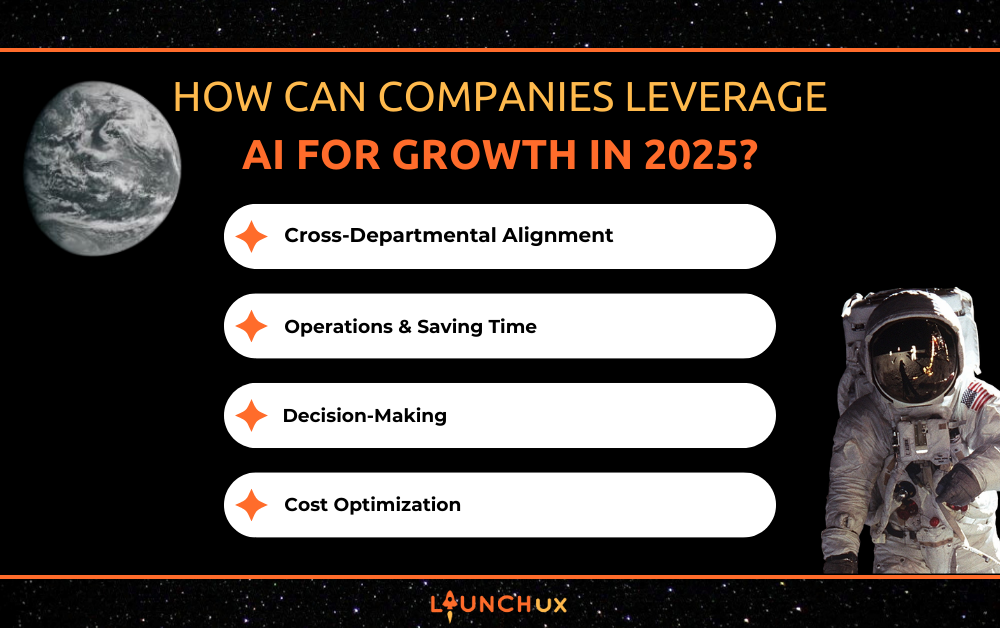
How Can Companies Leverage AI for Growth in 2025?

In recent years, artificial intelligence (AI) has become a transformative force in the business world, reshaping how companies operate, make decisions, and engage with customers. As we move into 2025, the role of AI in business is only set to expand, offering new ways to drive growth, streamline operations, and gain a competitive edge. AI’s capabilities—ranging from automating repetitive tasks to providing deep insights for strategic decision-making—enable businesses to achieve more with less, optimize costs, and innovate at a pace previously unimaginable.

However, to truly harness AI’s potential, it’s crucial for companies to understand how to leverage it effectively. With the right strategies, businesses can ensure AI not only enhances efficiency but also aligns with their unique goals, values, and market needs. In this guide, we’ll explore how businesses can use AI to thrive in 2025, from maximizing its benefits to addressing common concerns and selecting the right tools.

The Benefits of AI for Business Growth

1. Creating Cross-Departmental Alignment

AI fosters a level of integration across departments that’s often challenging to achieve through traditional methods. By automating and centralizing data collection, AI enables departments like sales, marketing, and customer support to share insights and collaborate seamlessly. For example, AI-driven customer data platforms allow marketing to access up-to-date information on customer behavior, which sales teams can use to personalize outreach and customer support can use to address issues proactively. This alignment leads to a unified approach that boosts both efficiency and customer satisfaction.

2. Streamlining Operations and Saving Time

Repetitive tasks can drain time and resources, but with AI-powered automation, businesses can reclaim those hours for higher-value initiatives. From automating meeting summaries and follow-ups to managing compliance checks, AI tools handle routine tasks with minimal human input. This efficiency not only frees up employees to focus on strategic work but also enhances accuracy and consistency. For example, AI-driven HR platforms can screen job applications quickly and effectively, allowing recruiters to focus on engaging top candidates.

3. Enhanced Decision-Making

Data-driven decisions have become essential in today’s business landscape, and AI significantly enhances the decision-making process. By analyzing large datasets in real-time, AI tools provide deep insights into market trends, customer preferences, and operational risks, helping companies make more informed choices. AI-driven platforms, like predictive analytics and machine learning models, empower businesses to anticipate market shifts, identify risks, and make proactive adjustments. This level of informed decision-making can be a game-changer for companies looking to stay ahead in competitive markets.

4. Cost Optimization, Not Just Cost-Cutting

AI brings a unique approach to managing costs, focusing on optimization rather than mere reduction. Instead of cutting jobs or services, AI enables businesses to allocate resources more effectively, prioritizing high-impact tasks that drive growth. For instance, by automating lower-value tasks, AI allows employees to devote more time to projects that require creativity, problem-solving, and innovation. This approach to cost management enables businesses to not only save money but also invest in areas that contribute to long-term success and resilience.

Addressing Concerns About AI in Business

1. Data Privacy and Ethics

As businesses adopt AI, data privacy and ethics remain top concerns. Ethical AI practices are essential to building and maintaining trust with clients and customers, especially when handling sensitive data. Companies must ensure they comply with data protection regulations, such as GDPR, and develop transparent data policies that safeguard personal information. Ethical AI practices also involve using unbiased datasets and algorithms that reflect diverse perspectives. By prioritizing privacy and ethics, companies show their commitment to responsible AI, which not only strengthens client relationships but also enhances the organization’s reputation.

2. Inaccuracies and Bias in AI Outputs

AI algorithms, while powerful, are not immune to inaccuracies and biases, which can impact business decisions and customer experiences. AI systems learn from historical data, which may contain biases, potentially leading to skewed or unfair outputs. To counter this, human oversight is essential. Companies need to establish protocols for regularly reviewing and correcting AI-generated outputs to ensure they align with organizational standards and values. This oversight not only minimizes errors but also ensures that AI contributes positively to the company’s goals. Training team members to recognize and address these issues is a proactive step toward more reliable AI use.

3. Managing Costs of AI Implementation

Implementing AI can involve substantial costs, including software, infrastructure, and skilled personnel. However, when used strategically, AI offers a significant return on investment by streamlining processes, reducing manual errors, and enhancing productivity. Businesses should view AI as a long-term investment, with a focus on scalability. Starting with pilot programs allows companies to test AI in smaller areas, refining processes and managing costs before scaling up. By aligning AI projects with specific business goals and monitoring their impact, companies can ensure AI investments are cost-effective and impactful over time.

Common Use Cases for AI in Business

1. Marketing

In marketing, AI enables companies to connect with customers more effectively by delivering personalized experiences. AI-driven personalization tailors content, product recommendations, and messages based on individual customer behaviors and preferences. Content creation tools powered by AI assist in generating relevant marketing copy, blog posts, and even ads that resonate with specific audiences. Additionally, AI enables social listening, allowing businesses to monitor conversations about their brand and analyze customer sentiment. Performance analysis tools further help marketing teams gauge the effectiveness of campaigns, allowing for data-driven adjustments that enhance engagement and conversion rates.

Marketing Personalization Example:

Imagine a fashion retailer, StyleWave, using AI-driven interest-based personalization in their email marketing campaigns. By analyzing customer browsing history and purchase patterns, StyleWave’s AI tool segments customers based on their style preferences—casual, business, or athleisure. This allows them to send tailored content and promotions, boosting email open rates and leading to an increase in online purchases. This level of personalization helps StyleWave connect with customers on a more personal level, fostering loyalty and driving revenue.

2. Sales

AI has become invaluable in sales, where it enhances lead generation and sales forecasting. AI-powered lead scoring models identify high-potential leads by analyzing historical customer data, allowing sales teams to prioritize outreach. Sales forecasting models help businesses anticipate revenue and adjust strategies to meet sales goals. AI can also support upselling and cross-selling by suggesting relevant products or services based on customer purchase histories. Personalization in sales communication, driven by AI, makes every customer interaction more meaningful, contributing to stronger customer relationships and higher conversion rates.

Sales Lead Example:

Consider LeadMax, a software provider that uses AI-based lead scoring to streamline its sales process. Their AI tool analyzes data from past customer interactions and assigns scores to each new lead based on the likelihood of conversion. The top leads receive a priority score, ensuring the sales team focuses on high-value opportunities. This AI-driven approach has led LeadMax to an increase in conversion rates, as the sales team now dedicates their time to leads most likely to close, driving more consistent revenue growth.

3. Customer Support

In customer support, AI is transforming how businesses engage with customers. Chatbots powered by AI handle common inquiries, provide quick answers, and assist customers with basic troubleshooting. Sentiment analysis tools monitor customer emotions and feedback in real-time, helping support teams proactively address issues before they escalate. AI-driven ticket management systems categorize and prioritize support tickets, enabling faster resolution and better allocation of resources. These tools not only enhance the customer experience but also increase the efficiency and productivity of support teams.

Customer Support Example:

A travel booking company, JetEase, implemented AI-powered chatbots on its website to handle basic inquiries such as booking changes, cancellation policies, and destination information. These bots, available 24/7, handle customer inquiries without human intervention. As a result, the support team can focus on more complex issues, and overall productivity will increase.

4. Operations

AI is a valuable tool for optimizing business operations. Predictive analytics can forecast demand, helping businesses manage inventory and resources more effectively. AI-powered risk assessment tools analyze operational data to identify potential risks, allowing companies to take preventive measures. Process automation tools streamline repetitive and time-consuming tasks such as data entry and compliance checks, freeing up staff to focus on strategic tasks. By leveraging AI in operations, companies can boost efficiency, reduce costs, and enhance overall productivity.

Predictive Analytic Example:

TechPro Manufacturing produces electronic parts and relies on equipment operating at high precision levels. To avoid costly downtime, they adopted a predictive maintenance system powered by AI. The system monitors machine health in real time, analyzing factors like temperature, vibration, and usage patterns. When the AI detects early signs of wear, it notifies the maintenance team to make repairs before any failures occur. By implementing this system, TechPro will reduce equipment downtime, resulting in more consistent production and substantial cost savings.

Common AI Tools for Businesses in 2025

  • ChatGPT: Known for its conversational abilities, ChatGPT is a versatile AI tool that can assist in customer support, content creation, and brainstorming. Businesses can integrate ChatGPT to automate responses for common inquiries, draft marketing copy, and even help employees generate ideas for campaigns or projects. Its user-friendly interface makes it an accessible option for teams across various departments.
  • Claude: Claude specializes in understanding complex text and providing detailed responses. It’s particularly useful for research, data analysis, and summarization. Companies can integrate Claude for processing large documents, analyzing customer feedback, or summarizing market reports, making it a valuable asset for teams that handle extensive data.
  • Gemini: Gemini is an AI tool focused on multimedia analysis and content generation. It’s ideal for businesses that work heavily with images, video, and audio content, like marketing agencies or e-commerce platforms. With Gemini, companies can automate tasks like tagging visual assets, creating video transcripts, and even generating captions for social media posts, boosting productivity and content accessibility.
  • Meta AI: This AI tool by Meta is designed for deep learning and large-scale data processing. It supports personalization, predictive analytics, and customer segmentation. Retailers and e-commerce platforms can use Meta AI to predict customer preferences, personalize marketing campaigns, and recommend products. By leveraging these insights, businesses can improve customer engagement and optimize marketing efforts.

Advanced AI Platforms

  • IBM Watson: IBM Watson is an enterprise-level AI platform renowned for its machine learning, natural language processing, and predictive analytics capabilities. Businesses use Watson to automate complex tasks, such as risk assessment, customer sentiment analysis, and personalized customer experiences. Watson is highly adaptable, making it a valuable tool for sectors like healthcare, finance, and retail, where it can streamline operations and enhance decision-making.
  • Tableau AI Analytics: Tableau integrates AI with advanced data visualization, helping businesses make sense of complex datasets and spot trends at a glance. With features like predictive modeling and natural language processing, Tableau AI allows users to make data-driven decisions quickly. It’s particularly useful for companies that rely on data to drive strategy, as it simplifies analysis and allows non-technical teams to interact with data meaningfully.
  • TensorFlow: TensorFlow is an open-source machine learning framework by Google, ideal for developing custom AI models. It’s widely used for image recognition, language processing, and predictive analytics, and is powerful enough for specialized applications. Companies with in-house AI teams use TensorFlow to build tailored models for unique business needs, from optimizing logistics to forecasting demand. TensorFlow’s flexibility makes it a preferred choice for tech-savvy organizations seeking highly specific solutions.

These tools, ranging from accessible applications to advanced platforms, offer businesses scalable ways to integrate AI into daily functions, enhancing productivity, customer engagement, and decision-making.

Preparing for AI-Driven Growth in 2025

As we approach 2025, it’s clear that artificial intelligence holds the potential to be a powerful catalyst for business growth. When used strategically, AI can streamline operations, enhance decision-making, and create meaningful connections with customers, giving companies a decisive edge in competitive markets. However, the key to maximizing AI’s impact lies in a thoughtful approach—one that starts with small, manageable steps, adapts as needs evolve, and embraces AI as a long-term investment.

For businesses ready to begin or expand their AI journey, the first step is selecting the right tools that align with specific goals and values. By exploring accessible AI applications and advanced platforms alike, companies can build a solid foundation for sustainable, AI-driven growth.

If you’re interested in learning more about how AI can benefit your business, consider reaching out to LaunchUX for guidance on selecting and implementing the AI tools best suited to your unique needs. Together, let’s make 2025 a year of growth and innovation with AI at the forefront.

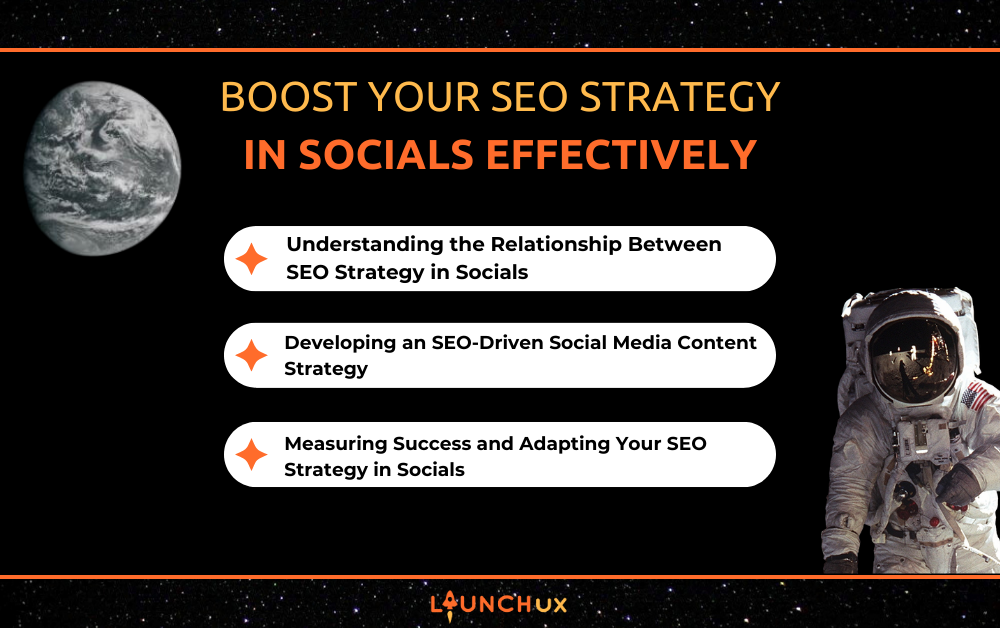
Boost Your SEO Strategy in Socials Effectively

Having a strong SEO strategy is essential for any business looking to thrive online, yet navigating search engine optimization can often feel overwhelming. As marketing efforts increasingly focus on social media, it’s crucial to recognize how a well-crafted SEO strategy in socials can elevate your online presence. Social media isn’t just a platform for connecting with friends and sharing cute cat videos. It’s also a powerful tool for driving traffic to your website and improving your search engine rankings. By harnessing the synergy between SEO and social media, you can create a content plan that resonates with your audience while boosting visibility across search engines. This blog will explore how to effectively integrate your SEO strategy in socials. It will provide actionable steps to develop a content plan that works in harmony with both SEO and social media marketing. Whether you’re just starting out or looking to refine your existing approach, these insights will help you maximize your efforts and truly make an impact.

Understanding the Relationship Between SEO Strategy in Socials

The Connection Between SEO and Social Signals

To truly leverage your SEO strategy in socials, it’s important to understand the connection between social signals and search engine rankings. Social signals refer to the engagement metrics that arise from your content on social media—likes, shares, comments, and overall interactions. Search engines, like Google, consider these signals as indicators of quality and relevance. When your content is shared widely across social media, it generates buzz. This signals to search engines that your content is valuable. This, in turn, can improve your search rankings. It’s a symbiotic relationship; the more engagement your posts receive, the higher the likelihood that they’ll appear prominently in search results.

The Role of Content in SEO Strategy in Socials

High-quality content is the cornerstone of both SEO and social media engagement. When your content is informative, engaging, and relevant to your audience, it encourages users to share it within their networks. This not only amplifies your reach on social media but also enhances your SEO strategy in socials. Well-optimized content that includes relevant keywords, compelling visuals, and clear calls-to-action can drive traffic to your website and improve your search visibility. Remember, social media platforms thrive on fresh and engaging content, so consistently producing valuable posts can have a profound impact on your overall online presence.

Developing an SEO-Driven Social Media Content Strategy

Identifying Your Target Audience

The first step in crafting an effective SEO-driven social media content strategy is to identify your target audience. Understanding who your audience is, what they care about, and how they engage with content is crucial for tailoring your messages. Take the time to analyze demographic data, interests, and online behavior to create audience personas. Tools such as social media insights, Google Analytics, and customer surveys can provide valuable information. By knowing your audience, you can create content that not only aligns with their preferences but also incorporates relevant keywords that enhance your SEO strategy in socials.

Keyword Research for Social Media

Keyword research is not just for your website; it’s equally important for your social media content. Identifying the right keywords to target will help you optimize your posts for searchability. Use tools like Google Keyword Planner or SEMrush to discover keywords that resonate with your audience and relate to your niche. Incorporate these keywords naturally into your social media posts, captions, and hashtags. This practice will enhance your SEO strategy in socials, making your content more discoverable to users searching for information related to your business.

Content Planning and Creation

With your audience and keywords in mind, it’s time to plan and create content that aligns with your SEO strategy in socials. Consider the various types of content that can engage your audience, such as blog posts, infographics, videos, or live streams. Each piece of content should have a clear purpose and incorporate relevant keywords seamlessly. Develop a content calendar to organize your posting schedule, ensuring a consistent flow of fresh content. This structured approach not only helps maintain audience interest but also keeps your SEO efforts on track.

Scheduling and Distribution

Timing is everything when it comes to social media. To maximize visibility and engagement for your SEO strategy in socials, you need to know when your audience is most active. Utilize scheduling tools like Hootsuite or Buffer to plan your posts at optimal times for each platform. Consistency is key; regularly sharing content keeps your brand top-of-mind for your audience and encourages ongoing engagement. By distributing your content strategically, you can enhance its impact and support your overall SEO objectives.

Measuring Success and Adapting Your SEO Strategy in Socials

Key Performance Indicators (KPIs)

To determine the effectiveness of your SEO strategy in socials, it’s essential to track key performance indicators (KPIs). These metrics provide insight into how well your social media efforts are contributing to your overall SEO goals. Key KPIs to monitor include engagement rates (likes, shares, comments), website traffic from social media, conversion rates, and follower growth. By keeping an eye on these indicators, you can assess which types of content resonate most with your audience and which strategies are driving results.

Analyzing Data for Insights

Regularly analyzing your social media data is crucial for refining your SEO strategy in socials. Use analytics tools like Facebook Insights, Instagram Analytics, or Google Analytics to evaluate performance. Look for trends in engagement and traffic—what types of posts generate the most interaction? Are there particular keywords that seem to drive traffic? This data can help you understand your audience’s preferences and guide your future content creation. By continuously analyzing performance, you can make informed decisions that enhance your strategy and maximize your impact.

The digital landscape is constantly evolving, and so should your SEO strategy in socials. Staying adaptable is key to remaining relevant and effective. Keep an eye on emerging trends in both SEO and social media, such as changes in algorithms, new features on platforms, or shifts in user behavior. Being proactive and adjusting your strategy accordingly will ensure you maintain your competitive edge. This might involve experimenting with new types of content, exploring different social media platforms, or revisiting your keyword strategy to align with current trends.

Conclusion

Integrating a thoughtful SEO strategy in socials is essential for maximizing your online presence and driving meaningful engagement. By understanding the connection between social signals and search engine rankings, you can create content that not only resonates with your audience but also enhances your visibility across search engines. From identifying your target audience and conducting keyword research to planning and distributing your content effectively, each step plays a critical role in developing a robust strategy.

As you measure success and adapt your approach based on insights and emerging trends, remember that flexibility is key. The world of digital marketing is ever-changing, and staying ahead requires a willingness to evolve. At LaunchUX, we understand the importance of integrating social media with SEO to create a cohesive online presence. By implementing these strategies and continuously refining your efforts, you’ll be well-equipped to leverage social media as a powerful component of your overall SEO strategy. Embrace the journey, and watch as your online presence flourishes!

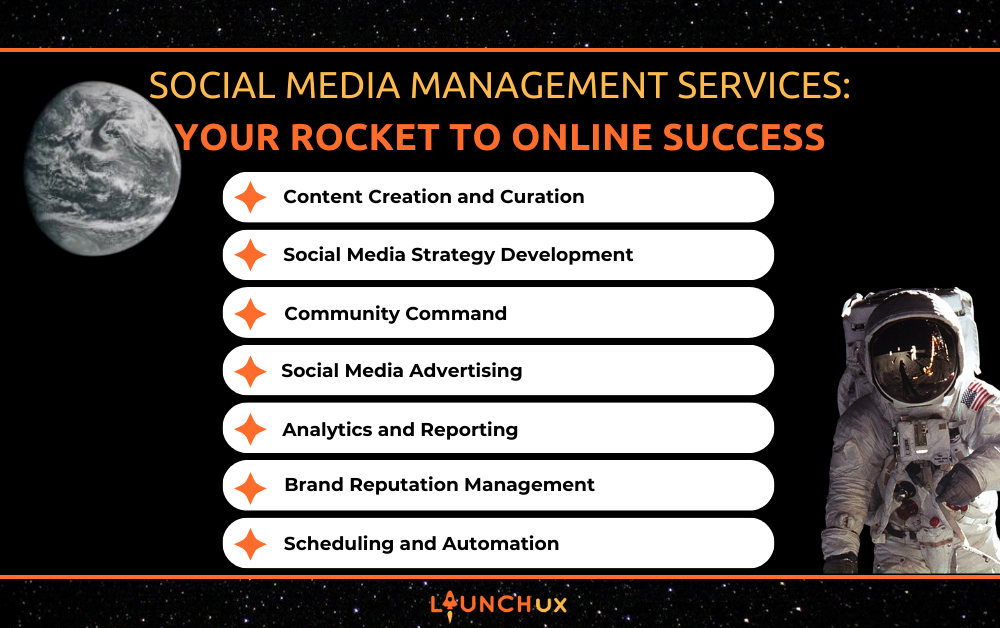
Social Media Management Services: Your Rocket to Online Success

Social media management services empower businesses to grow their online presence and foster meaningful engagement with their target audience. Content creation, community management, paid campaigns, and performance tracking are some of the services included with LaunchUX. Leveraging professional social media management allows brands to maintain a consistent, strategic approach to marketing. Social media management helps businesses grow their audience and achieve marketing objectives.

Well-executed social media plans foster customer relationships, build trust, and increase platform engagement. When you have the right strategy in place, social media can become a powerful business asset with the help of LaunchUX.

Content Creation and Curation

Content forms the foundation of any effective social media strategy. Social media marketing creates engaging, relevant content that resonates with your audience and encourages interaction. High-quality content inspires action, strengthens trust, and fosters continuous conversations with your audience. Consistently providing value to your audience turns social media into a meaningful, reliable connection between your business and community.

Content Creation

Content creation involves crafting original materials like images, videos, blog posts, and infographics. When reflecting the brand’s voice in your posts, make sure to appeal to the target audience. Creating high-quality content, implementing strategic storytelling, and visually appealing graphics capture your followers’ attention. Effective content enhances your brand’s online presence and strengthens your engagement with your community.  

Content Curation

Curation is about sharing relevant third-party content that complements your own. Reposting articles, creating similar content, or keeping up with trends are great ways to curate content. Curation keeps brands connected with trending topics and builds reputation without creating everything from scratch. Sharing trusted content helps brands position themselves as creative influencers while keeping their audience engaged.

Platform-Specific Content

Understanding the differences between social media platforms allows brands to create unique content made for their target audiences. Each social media platform has its unique set of rules and preferences for content formats. Instagram favors posts LinkedIn- articles, and  TikTok primarily features videos.  Content must be tailored to fit the specific platform style to maintain the reach and effectiveness of your range. Social media management services ensure content is tailored to each platform, enhancing reach and engagement for your brand.

Social Media Strategy Development

Clear social media strategies are essential for long-term success in the growth of your social media presence. Without a concise plan for your social media, resources can easily be wasted on tactics that don’t align with overall goals. Guiding content, creation, social media interaction, and audience engagement ensure progress in achieving brand objectives, and a strategic approach ensures long-term success for your business’s brand. 

Setting Measurable Objectives

Boosting brand awareness and increasing website traffic are measurable goals in a solid social media strategy. Your brand objectives should be actionable, specific, and pertain to your business needs. Tracking key performance indicators (KPIs) keeps you on track to meet your goals. By prioritizing data-driven results, brands can refine their strategies to achieve maximum effectiveness for optimal impact. 

Identifying the Target Audience

Effective social media strategies for any brand start with a profound sense of your target audience. By knowing your audience’s interests, behaviors, and preferred platforms, you will create innovative posts that resonate with them. Identifying key demographics and areas of high engagement allows your brand to craft more relevant messages and connect better with followers. Audience insights also inform product development and marketing strategies, ensuring your efforts are aligned with what your audience values.

Planning and Scheduling Content

Planning and scheduling content helps maintain consistency and relevance. A content calendar aligns posts with seasonal events, campaigns, or product launches, ensuring timely delivery and eliminating the need for last-minute content creation. With a clear plan in place, brands can consistently provide engaging content that resonates with their audience.

Competitor Analysis

Competitor analysis provides valuable insights into industry trends and audience preferences. By monitoring competitors, brands can identify gaps in the market and areas for differentiation. Studying competitors’ successes and failures helps brands develop strategies to stay ahead. This competitive insight enables brands to fine-tune their content and messaging, ensuring they stand out in a saturated market.

Community Command

A strong brand community is essential for achieving long-term success.  Social media is about more than posting; it’s about interacting with your audience. Engaging with followers creates trust and loyalty, turning casual users into brand advocates. Strong community management fosters meaningful relationships with customers, increasing long-term engagement.

Monitoring and Responding

Community management involves responding to comments, messages and mentions across social media platforms. By engaging with followers, brands build loyalty and strengthen relationships. Timely, thoughtful responses demonstrate that followers are valued. Whether addressing a question or acknowledging feedback, effective community management humanizes your brand and encourages ongoing interaction.

Social Media as Customer Service

Many consumers use social media for customer service. Social media managers must respond quickly and professionally to customer inquiries. A fast response to issues enhances customer satisfaction and fosters positive brand perception. Addressing complaints transparently builds trust and strengthens brand reputation.

Social Media Advertising

Paid social media ads expand your brand’s reach and connect with specific audience segments. While organic growth is essential, paid campaigns can target ideal customers faster. Social media management services are vital to running effective ads that align with broader business goals. Paid advertising allows brands to scale their visibility and boost engagement quickly.

Types of Social Media Ads

Social media platforms offer various ad formats, including sponsored posts, carousel ads, and video ads. These ads allow precise targeting based on location, interests, and behaviors. Retargeting ads also engage users who have interacted with your brand previously. This tailored approach maximizes the efficiency of advertising spending.

Managing Ad Budget and Performance

Social media management services help manage ad budgets to ensure a good return on investment. By tracking ad performance, brands can adjust targeting, creative, or budget allocation as needed. A/B testing helps you refine ad formats to achieve the best possible results.  Regular optimization ensures ads continue to deliver value and meet business goals.

Analytics and Reporting

Social media analytics track content performance, helping brands understand what works and what needs adjustment. Regular reporting provides valuable insights that inform future content and strategy decisions. By analyzing data, LaunchUX can help brands refine their approach, optimize campaigns, and improve audience engagement. This data-driven method ensures that marketing efforts continue to evolve and stay effective.

Key Performance Indicators (KPIs)

KPIs like engagement rates, reach, and website traffic provide a clear picture of social media performance. These metrics allow brands to measure success and adjust tactics. By tracking KPIs, businesses ensure they meet goals and continuously improve their strategies. Insights from KPIs help optimize future content and campaigns for better results.

Refining Strategies with Data

Continuous analysis of social media data helps brands fine-tune their strategies. Adjusting content, messaging, and tactics based on data-driven insights ensures ongoing relevance. Brands can use these insights to increase engagement, drive conversions, and maximize ROI. A data-centric approach keeps social media strategies aligned with audience preferences and market trends.

Brand Reputation Management

Social media often shapes public opinion about your brand. Managing your reputation on these platforms is crucial for maintaining a positive image. By monitoring mentions and responding to feedback, brands can prevent issues from escalating. A proactive approach to reputation management helps protect your brand’s public perception.

Addressing Negative Feedback

Responding to negative comments promptly and professionally can turn dissatisfied customers into loyal ones. Addressing complaints swiftly shows commitment to customer satisfaction. A thoughtful response demonstrates transparency and willingness to resolve issues. Quick and empathetic responses help protect your brand’s reputation and strengthen customer trust.

Encouraging Positive Reviews

Encouraging positive feedback and sharing customer success stories boosts credibility and trust. Customer reviews help build brand authority and attract new prospects. Sharing testimonials and user-generated content shows your brand’s positive impact. Positive social media content from customers strengthens your brand’s presence and encourages community engagement.

Proactive Reputation Management

Proactively managing your brand’s online reputation ensures that your image remains positive. Regularly monitoring social media for mentions allows you to respond quickly. Establishing a positive narrative around your brand helps mitigate negative press. Taking a proactive approach guarantees that issues are resolved rapidly, maintaining the integrity of your brand’s image.

Scheduling and Automation

Social media management tools automate many tasks, improving efficiency. Tools like Hootsuite, Buffer, and Sprout Social simplify scheduling, allowing brands to plan posts. Automation ensures consistency, even during busy periods or while managing multiple platforms, and it enables social media managers to concentrate on high-level strategy and creative work.

Scheduling Posts

Scheduling posts ensures content is published at the best times, even when you’re not available. Tools like Buffer let brands schedule content for multiple platforms simultaneously, saving time. Scheduling ensures consistency and helps reach a wider audience. Properly timed posts can lead to higher engagement and brand visibility.

Maintaining Consistency

Automation tools help brands maintain consistency across all platforms. Whether reposting evergreen content or automating direct messages, these tools save time. Consistency strengthens trust and encourages ongoing audience engagement. Automation allows social media managers to direct their attention to high-level tasks, all while keeping their online presence active.

Conclusion

Social media management services are essential for brands aiming to thrive in the digital landscape. Brands can strengthen their online presence by combining content creation, strategy development, community engagement, and analytics. A clear strategy ensures social media efforts align with business goals and drive meaningful results. Social media management services help brands create lasting connections with their audience and achieve success. Social media is an ongoing process that requires adaptability and innovation. Effective social media management allows brands to build lasting relationships, grow visibility, and attain tremendous business success.

Ready to take your brand’s social media presence to the next level? Contact LaunchUX today to learn how our social media management services can help you grow, engage, and succeed online. Let’s build your digital strategy together!

The Ultimate SEO Checklist for 2025

Navigating the complexities of search engine optimization can be daunting, but with the right tools, it becomes manageable. Our comprehensive SEO checklist is designed to streamline this process, helping both novices and seasoned pros alike to optimize their sites for better rankings and increased traffic in 2025. From technical adjustments to content strategies, this SEO checklist will guide you through essential steps to enhance every aspect of your website’s SEO.

Technical SEO

Optimizing the Basics with Our SEO Checklist

  • Get Your Site Indexed: Make sure to submit your XML sitemap to Google Search Console and Bing Webmaster Tools as outlined in our SEO checklist. Ensuring your site is indexed properly is the first step toward good SEO.
  • Check for Crawl Errors: Use tools like Google Search Console to identify and fix any crawl errors, an essential step on our SEO checklist to make sure search engines can access all parts of your website smoothly.

Boost Site Security and Speed

  • Implement SSL (HTTPS): Securing your site with HTTPS not only protects your users but also boosts your rankings—a key recommendation on our SEO checklist.
  • Optimize Site Speed: Compress images, leverage browser caching, and minimize code. Fast loading times are crucial for SEO and user experience, as emphasized in our SEO checklist.

Ensure Mobile Compatibility

  • Responsive Design: With mobile traffic increasingly dominating the web, our SEO checklist stresses the importance of having a responsive site that looks and works great on all devices.

This section of the SEO checklist covers the fundamental technical optimizations that are crucial for maintaining a robust and search engine-friendly website. Each point not only incorporates the keyword but also underscores its importance in the SEO strategy.

On-Page SEO

Optimize Your Tags

  • Title Tags: Ensure each page has a unique title that includes main keywords. Crafting effective title tags is a critical step in our SEO checklist because they significantly impact search visibility.
  • Meta Descriptions: Write compelling meta descriptions that encourage clicks. Although they don’t impact rankings directly, they are an essential part of our SEO checklist for improving click-through rates from search engine results pages.

Structure Your Content

  • Header Tags (H1, H2, H3, etc.): Use headers to organize and structure content logically. Including relevant keywords in header tags is recommended in our SEO checklist to help improve page structure and SEO.
  • Keyword Optimization: Place your primary and secondary keywords strategically throughout the text, maintaining a natural flow. Our SEO checklist emphasizes the importance of not overdoing it to avoid penalties for keyword stuffing.

Enhance Usability with Internal Linking

  • Internal Links: Link to other pages within your site to help users navigate and distribute page authority. Effective internal linking is a staple in our SEO checklist for boosting SEO by showing search engines the relationships between pages on your site.

Optimize Image Alt Text

  • Alt Text for Images: Provide descriptive alt text for images, which helps search engines understand the content of the image. Including keywords in alt text where appropriate is a best practice noted in our SEO checklist.

This section of the SEO checklist details how to refine the content and structure of your web pages to maximize their search engine relevance and usability.

Content SEO

Create Engaging, High-Quality Content

  • Quality and Value: Deliver content that is not only informative but also engaging and relevant to your audience. Our SEO checklist highlights the importance of content quality as a major ranking factor for search engines.
  • Content Freshness: Regular updates and additions to your content keep it relevant and can boost your site’s rankings. Refreshing old posts and adding new insights are recommended practices in our SEO checklist.

Incorporate LSI Keywords

  • Using LSI Keywords: Include Latent Semantic Indexing (LSI) keywords to help search engines better understand the context of your content. Our SEO checklist advises using these to enhance relevance without keyword stuffing.

Content-Length and Depth

  • Comprehensive Coverage: Ensure your content thoroughly covers the topics at hand. Our SEO checklist often points out that longer, more detailed content tends to perform better in search engine results, as it is seen as more authoritative.

This section of the SEO checklist is focused on optimizing the actual content on your website, making sure it’s both user-friendly and search engine optimized, driving both engagement and search performance.

Off-Page SEO

  • Backlink Acquisition: Focus on obtaining high-quality backlinks from reputable websites. Our SEO checklist emphasizes the importance of backlinks as they significantly influence search engine rankings by enhancing your site’s authority.
  • Guest Blogging: Contribute articles to other blogs in your industry. This practice, highlighted in our SEO checklist, can lead to valuable backlinks and increased visibility.

Leverage Social Media

  • Social Media Engagement: Use platforms like Facebook, Twitter, and LinkedIn to promote your content and engage with your audience. Although social signals are not a direct ranking factor, our SEO checklist includes them because they help increase traffic and indirectly boost SEO.
  • Shareable Content: Create content that is easily shareable. Our SEO checklist suggests using visually appealing graphics, infographics, and videos that encourage users to share your posts, extending your content’s reach.

Optimize for Local SEO

  • Google My Business: Set up and optimize your Google My Business profile. This is a crucial step in our SEO checklist for improving local search visibility.
  • Local Backlinks: Try to gain backlinks from local news sites, blogs, and business associations to strengthen local SEO efforts, as recommended by our SEO checklist.

This section of the SEO checklist focuses on strategies outside of your website that can help improve your overall search engine ranking and visibility.

Compliance and Security

Ensure GDPR Compliance

  • Data Protection: It’s crucial to protect user data and adhere to privacy laws, especially if you’re dealing with customers from the European Union. Our SEO checklist recommends implementing GDPR-compliant practices, such as clear privacy policies and explicit consent mechanisms.

Conduct Regular Security Audits

  • Website Security: Maintain a secure website environment by regularly updating your CMS, plugins, and any other software. Our SEO checklist stresses the importance of security audits to identify and mitigate potential vulnerabilities, which not only protects your site but also reassures users about their data safety.

SSL Certification

  • Implement SSL: Secure your website with HTTPS encryption. This is a fundamental security measure in our SEO checklist that also contributes to higher search rankings as Google favors secure websites.

Maintaining compliance and security is not only crucial for user trust and safety but also impacts your SEO rankings. Following this part of the SEO checklist can help ensure that your site is both secure and compliant with current standards.

Performance Monitoring

Track Your Success

  • Use Analytics Tools: Implement tools like Google Analytics to monitor website traffic, behavior, and other key performance indicators (KPIs). Our SEO checklist recommends setting up goals and tracking conversions to understand how well your SEO strategies are performing.

Continuously Improve

  • Review and Optimize: Regularly review the data collected through analytics to identify areas for improvement. Adjusting your SEO strategies based on these insights is a crucial step in our SEO checklist to ensure your site continues to perform well in search rankings.

A/B Testing

  • Experiment with Variations: Test different versions of your web pages to see which elements perform best in terms of user engagement and conversions. A/B testing is an important tool listed in our SEO checklist because it allows you to optimize your website based on actual performance data.

SEO Health Checks

  • Regular SEO Audits: Conduct SEO audits periodically to assess the health of your website. This practice, as outlined in our SEO checklist, helps identify both technical and content-related improvements you can make to boost search engine visibility and user engagement.

This final section of the SEO checklist emphasizes the importance of monitoring and refining your SEO efforts continuously to adapt to changes in search algorithms, user behavior, and the competitive landscape.

Master Your Site’s SEO with Our Checklist

Enhance your website’s performance and user experience by consistently applying the steps from our SEO checklist. This guide helps you tackle everything from basic setups to advanced optimizations, ensuring your site remains competitive in the ever-evolving search landscape. Remember, effective SEO requires ongoing effort and regular updates, so keep this checklist handy as you strive to boost your online visibility and success.

Perfecting Your E-commerce Development Services

E-commerce development services are essential for creating a successful online business. Effective e-commerce strategies can enhance user experience, streamline operations, and boost sales in today’s online environment. This blog will cover key areas of e-commerce development services, including user experience design, robust back-end systems, SEO optimization, effective marketing strategies, and security measures. Businesses can build a strong foundation for long-term growth and customer loyalty by focusing on these components. Let’s explore how LaunchUX can help your business perfect your e-commerce development services to thrive in a competitive marketplace.

Understanding E-commerce Development Services

E-commerce development services involve technical and strategic processes for online stores. This includes website design, payment processing, and marketing strategies. Effective development integrates various components to work harmoniously. A holistic approach can significantly impact user satisfaction and business performance.

Investing in effective e-commerce development services leads to higher conversion rates and increased customer satisfaction. A well-developed platform attracts visitors, encourages purchases, and fosters loyalty. This loyalty translates into repeat business and positive referrals. Creating a seamless online shopping experience is crucial for retention.

Key Areas of Focus for E-commerce Development Services

To ensure your platform stands out, consider essential areas of development. Each aspect plays a vital role in your online business’s success. Focusing on these areas creates a more efficient and enjoyable shopping experience. A strong foundation in these elements sets the stage for future growth.

Importance of Responsive Design

Responsive design is crucial in today’s mobile-driven world. Ensuring smooth functionality on all devices is a necessity. This improves user experience and positively affects search engine rankings. By accommodating various screen sizes, you broaden your audience. Moreover, a mobile-friendly design can lead to higher engagement rates, as users are more likely to stay on a site that’s easy to navigate. Adopting responsive design also future-proofs your website against emerging technologies and devices. Additionally, it enhances accessibility, making your content available to a wider range of users, including those with disabilities. This commitment to inclusivity not only boosts your brand reputation but also fosters loyalty among diverse audiences.

Creating Intuitive Navigation

Intuitive navigation is essential for a positive user experience. Your website should be easy to navigate with clear menus. When users can find what they need, they are more likely to purchase. A logical organization helps reduce bounce rates and increases engagement.

Ensuring Fast Load Times

Fast load times are critical for user retention. A slow site can lead to high bounce rates and lost sales. Optimizing speed by compressing images and minimizing scripts is key. In a world of instant gratification, speed enhances user satisfaction.

Robust Back-End Development

Building a Scalable Architecture

A scalable architecture allows your platform to grow with your business. Choosing solutions that accommodate growth saves time and resources. Scalability ensures your site handles increased traffic and transactions. Planning for growth establishes a foundation for success. Additionally, a well-designed scalable system can adapt to changing market demands and technologies, keeping you competitive. By anticipating future needs, you can invest wisely in infrastructure that supports long-term objectives.

Implementing Secure Payment Processing

Secure payment processing is vital for customer confidence. Integrating reliable gateways ensures safe transactions for users. Trust is crucial in online shopping; secure options enhance that trust. Prioritizing security can lead to higher sales and retention.

Effective Inventory Management

Implement inventory management systems to track stock levels efficiently. This minimizes the risk of overselling or stockouts, impacting satisfaction. Real-time tracking helps streamline operations and improve fulfillment. An efficient system allows quick responses to market changes.

SEO Optimization

Conducting Keyword Research

SEO is fundamental for driving organic traffic to your site. Utilizing keyword research identifies terms your customers are searching for. Tailoring content with these keywords enhances search visibility. This strategic approach significantly increases your reach and attracts leads. Furthermore, optimizing on-page elements, such as meta tags and headers, can improve your site’s relevance to search queries. Additionally, incorporating e-commerce development services can enhance your online presence and user experience. Consistent monitoring of your SEO performance allows for ongoing adjustments, ensuring sustained growth in traffic over time.

Optimizing URLs for Better SEO

Optimizing URLs is important for SEO and user experience. Creating clean, descriptive URLs improves search engine rankings. Descriptive URLs also help users know what to expect when they click. Clear URLs contribute to a more organized website and improve navigation. Additionally, incorporating relevant keywords in URLs can further enhance search visibility. By ensuring consistency in URL structure, you can create a more professional and trustworthy online presence.

Utilizing Content Marketing Strategies

Content marketing, including blogs and articles, drives traffic and improves rankings. Creating valuable content establishes authority and attracts a loyal audience. Quality content encourages sharing, further extending your reach. Consistent creation maintains engagement and positively influences SEO.

Effective Marketing Strategies

Leveraging Email Marketing

Email marketing is a powerful tool for informing customers about promotions. Building a mailing list allows effective engagement with personalized content. Automated campaigns save time while reaching your audience optimally. When integrated with e-commerce development services, a strong email strategy boosts sales and fosters loyalty.

Engaging on Social Media

Social media engagement is essential for brand promotion. Leveraging platforms to interact with customers fosters loyalty and community. Regularly posting updates creates a sense of belonging. Engaging content leads to shares, increasing visibility and awareness. Additionally, timely responses to comments and messages can enhance customer relationships and trust. By creating a two-way dialogue, brands can better understand their audience’s needs and preferences.

Investing in PPC Advertising

Pay-per-click advertising is beneficial for reaching targeted audiences. This strategy allows you to set budgets and target demographics effectively. PPC campaigns provide immediate results, unlike organic strategies that take time. A well-planned PPC approach enhances visibility and drives traffic.

Analytics and Data Tracking

Monitoring Performance with Google Analytics

Using tools like Google Analytics allows you to monitor traffic and user behavior. This data is invaluable for informed decisions about marketing strategies, including e-commerce development services. Regularly reviewing analytics helps identify trends needing attention. A data-driven approach leads to effective strategies and better performance.

The Value of A/B Testing

Conducting A/B testing helps experiment with different layouts and CTAs. This iterative process allows for continuous improvement based on real behavior. Testing different elements reveals insights that optimize your site. A culture of testing fosters innovation and enhances user experience.

Gathering Customer Feedback

Regularly gathering customer feedback identifies areas for improvement. Surveys and reviews provide insights into preferences and pain points. Acting on feedback shows you value customer opinions, fostering loyalty. Continuous improvement based on input enhances your brand reputation. Moreover, integrating feedback into your business strategy can lead to innovative solutions that resonate with your audience. This proactive approach not only boosts customer satisfaction but also drives long-term success.

Security Measures

Implementing SSL Certificates

Implementing SSL certificates secures your website and protects customer data. An SSL certificate encrypts information exchanged between users and your site, which is crucial for e-commerce development services. This measure can improve your SEO rankings and build trust. A reputation for security leads to increased conversions and loyalty.

Conducting Regular Security Audits

Conducting regular security audits helps identify vulnerabilities proactively. Keeping your platform secure is an ongoing responsibility. Regular audits ensure compliance with industry standards and regulations. A secure platform protects your business and instills confidence in customers.

Ensuring Compliance with Regulations

Familiarizing yourself with regulations like GDPR ensures compliance and avoids fines. Understanding the legal landscape of e-commerce maintains your business’s reputation. Compliance fosters trust, showing respect for customer privacy and data rights. Staying informed enhances your overall business strategy.

Customer Support and Engagement

Enhancing Support with Live Chat

Implementing live chat features provides instant support to customers. Real-time interaction addresses queries and concerns promptly. Offering live support improves customer satisfaction and fosters loyalty, especially in e-commerce development services. A responsive support system sets your brand apart in the competition. Additionally, live chat can help gather valuable customer feedback, enhancing your service offerings. By leveraging this data, businesses can continuously refine their approach to meet evolving customer needs.

Developing a Comprehensive FAQ Section

Developing a detailed FAQ section addresses common inquiries efficiently. A well-structured FAQ guides users through issues, enhancing experience. This resource reduces direct inquiries, allowing focus on complex issues. A proactive support approach enhances your brand’s reputation.

Encouraging Repeat Purchases

Encouraging repeat purchases through loyalty programs fosters community and loyalty. These programs incentivize customers to return, increasing lifetime value. A well-designed loyalty program creates emotional connections with your brand. Engaging customers through rewards fosters a loyal customer base.

Seamless Checkout Process

Simplifying Guest Checkout

Allowing customers to purchase without creating an account simplifies the process. A streamlined checkout experience minimizes friction and encourages purchases. Guest checkout caters to first-time visitors hesitant to commit. Prioritizing convenience in checkout enhances user satisfaction.

Offering Multiple Payment Options

Offering multiple payment options accommodates different preferences easily. Flexibility in payment methods increases conversions and reduces cart abandonment. Providing various options shows an understanding of customer needs. This approach enhances the shopping experience and drives sales.

Providing Clear Shipping Information

Providing clear shipping information builds trust and reduces cart abandonment. Transparency in shipping policies manages customer expectations effectively. Outlining shipping options improves user experience and informed decisions. A focus on transparency leads to greater satisfaction and loyalty.

Conclusion

Perfecting your e-commerce development services involves a comprehensive approach that includes enhancing user experience, ensuring robust back-end systems, and prioritizing SEO and marketing strategies. By focusing on intuitive design, secure payment processing, and effective customer support, you can build trust and foster loyalty among your customers. As the online marketplace evolves, it’s essential to assess your current strategies and implement these best practices to create a seamless shopping experience. Now is the time to take action—refine your e-commerce development services today with LaunchUX and watch your business thrive!

How a Contact Page Enhances Your SEO

A contact page is an essential element of any website, playing a crucial role in both user experience and SEO. It serves as a direct link between your business and potential customers, facilitating communication and engagement. In this blog, we’ll explore how a well-designed contact page enhances trust and credibility, improves user experience, boosts local SEO, utilizes structured data, optimizes internal linking, and creates opportunities for backlinks. At LaunchUX we can help you understand why investing time in your contact page can lead to significant improvements in your overall search engine rankings. 

Trust and Credibility

Establishing Legitimacy

A contact page adds legitimacy to your website. Users are more likely to trust brands that provide clear contact information. This page signals to search engines that your business is credible. It’s crucial for e-commerce sites that handle transactions. A comprehensive contact page includes email, phone numbers, and physical addresses. All these elements create an aura of reliability. This can increase your chances of higher search rankings.

Building User Confidence

Visitors engage more when they see easy access to contact information. This fosters trust and makes them likely to convert. Users who feel confident are more inclined to share personal information. Quick access to your contact details reduces anxiety about purchases. Providing various communication methods enhances user confidence further. The more options you provide, the more likely users will reach out. Ultimately, this builds a more loyal customer base.

Enhancing Brand Reputation

A contact page enhances your brand reputation significantly. Users can reach out with questions, showing you care about service. An accessible contact page humanizes your brand and makes it relatable. Quick responses can turn casual visitors into long-term customers. Consumers value brands that prioritize customer interaction and support today. This engagement can lead to positive reviews and referrals. A strong brand reputation correlates with improved SEO performance.

User Experience

Easy Navigation

A dedicated contact page improves site navigation for users. They can find the information they need easily and quickly. A clutter-free page makes it easy for users to connect. Seamless experiences keep users on your site longer. Positive navigation experiences lead to higher conversion rates. A good contact page is also mobile-friendly for all devices. Improved navigation contributes to better SEO rankings over time.

Lower Bounce Rates

Users who find it easy to navigate are less likely to leave immediately. A lower bounce rate signals site quality to search engines. Reducing bounce rates improves your chances of ranking higher. Engaging content keeps users interested while accessing your contact page. This leads to more page views and greater conversions. A contact page acts as an anchor for user exploration. It plays a crucial role in maintaining user interest.

Increased Engagement

A well-designed contact page encourages users to engage with your content. Users can fill out forms or connect on social media. Engagement signals to search engines that your content is valuable. Features like chat options can further enhance this engagement. Responding quickly to inquiries builds rapport with your audience. This interaction leads to repeat visits and loyal customers. Increased engagement metrics contribute to improved SEO performance.

Local SEO

Importance of Local Listings

Including your address and phone number helps improve local SEO. This makes it easier for local customers to find you. An optimized contact page can make or break local search visibility. Local SEO connects you with customers searching for your services. Increased foot traffic often results from this local visibility. Moreover, local searches usually have higher conversion rates. A strong local presence enhances your overall SEO strategy.

Google My Business Integration

Your contact page complements your Google My Business listing. Consistent information helps search engines trust your data. Discrepancies can confuse users and search engines alike. Updating your contact page ensures accurate information for your audience. A cohesive online presence improves rankings in local search results. This makes it easier for customers to contact you directly. The synergy between these elements enhances local SEO efforts significantly.

Targeting Local Keywords

Including local keywords can enhance your local SEO efforts significantly. Using phrases like “contact us in [City Name]” is helpful. This optimization makes it easier for potential customers to find you. Local keyword usage improves your site’s relevance in search results. Combined with other strategies, this can lead to increased organic traffic. Tailoring content to your local market attracts interested users. This targeted approach boosts visibility and engagement substantially.

Structured Data

Understanding Structured Data

Implementing structured data on your contact page helps search engines understand your information better. This allows for effective categorization of your content. Using structured data increases your chances of appearing in search results. It may lead to enhanced visibility through rich snippets. Proper data conveys essential information like business hours and location. The more you provide, the better search engines can serve your site. This clarity can significantly improve your overall SEO performance.

Potential for Rich Snippets

Using structured data can lead to rich snippets in search results. Rich snippets often display additional information, attracting user attention. The more appealing your listing, the higher your click-through rate. Increased clicks signal to search engines that your content is valuable. Rich snippets provide quick overviews, helping users make informed decisions. Enhanced visibility from rich snippets can lead to more organic traffic. This feature serves as a powerful tool for boosting your online presence.

Improving Visibility

Clear contact information increases your site’s chances of appearing in relevant searches. Improved visibility can lead to higher traffic and more conversions. An optimized contact page is key to this process. Ensuring search engines interpret your data correctly improves search performance. This visibility is crucial in competitive markets to stand out. Users prefer businesses that they can easily contact and learn about. Ultimately, clear visibility enhances your SEO efforts significantly.

Internal Linking

Enhancing Site Navigation

Linking to your contact page improves overall site navigation. Users are guided to essential information seamlessly, encouraging exploration. Effective internal linking helps distribute page authority across your site. This boosts the rankings of all linked pages over time. A well-connected site enhances user experience, vital for SEO. Easy navigation leads to longer visit durations and lower bounce rates. A focus on internal linking benefits your site’s overall SEO health.

Distributing Page Authority

Internal links help distribute authority across your site effectively. Backlinks from high-authority pages boost your contact page’s authority. Search engines analyze links to determine page importance and relevance. Strategically placing internal links guides users to valuable content. This keeps visitors engaged while enhancing SEO. Over time, this strategy can improve visibility for your website. Strong internal linking is foundational for a successful SEO strategy.

Encouraging Exploration

An accessible contact page encourages users to explore other areas of your site. Users are more likely to delve deeper into your offerings. Increased exploration leads to higher engagement rates and more conversions. Engaging content linked to your contact page directs interested users toward specific actions. Whether subscribing or making purchases, this increases conversion potential. This cycle of exploration and engagement enhances overall SEO performance. A well-thought-out contact page is part of a broader user journey.

Creating Valuable Resources

A contact page serves as a valuable resource for other websites looking to link back to you. Easy access to your contact information encourages external referrals. Increased backlinks improve your site’s SEO significantly. Backlinks from reputable sources signal that your site is trustworthy. A robust backlink profile enhances visibility in search results. Making your contact page a resource opens collaboration opportunities. Ultimately, this strengthens your online presence and boosts SEO performance.

Networking Opportunities

Providing contact options opens networking opportunities for valuable backlinks. Collaborating with businesses can result in mutually beneficial partnerships. These relationships may lead to guest blogging opportunities and mentions. Outreach can elevate your online authority and visibility significantly. Networking expands your brand’s reach to new audiences. Each backlink is a vote of confidence from another website. Building a network of quality backlinks is crucial for SEO success.

Strengthening Online Presence

Backlinks are vital for SEO, and a strong contact page strengthens your online presence. Each backlink signals that your content is valuable to search engines. A robust online presence is built on quality content and accessible information. Increased visibility in search results leads to more organic traffic. More traffic can translate into higher conversions and engagement rates. This creates a positive feedback loop for your site. A well-optimized contact page contributes to a more effective SEO strategy.

Conclusion

A contact page is more than just a functional element; it’s a powerful tool for enhancing your SEO. Throughout this blog, we explored how a well-structured contact page builds trust, improves user experience, boosts local SEO, utilizes structured data, optimizes internal linking, and opens doors for valuable backlinks. Each of these aspects contributes to your website’s overall performance and visibility in search engine results. If you’re ready to elevate your online presence and optimize your contact page effectively, we’re here to help. Our team of experts can provide tailored strategies to enhance your SEO and drive meaningful engagement with your audience.

Reach out to us at LaunchUX today to get started!

The Ultimate Guide to a Successful Website Redesign

Welcome to the digital front door of your business—your website! But if it starts to look a bit old-fashioned or doesn’t work well, it’s not just a small hiccup; it can actually drive people away. That’s where a website redesign can make a big difference. It’s not just about sprucing up the design; it’s about making sure your website meets modern expectations and uses the latest technology. From improving how it looks on mobile devices to making it easier for visitors to navigate, a website redesign helps ensure your site stays competitive and effective. Think of it as a key investment in your online presence, one that keeps paying off by better engaging visitors and boosting your conversions.

Enhancing User Experience Through Website Redesign

What is User Experience?

User experience, or UX, is all about how people feel when they interact with your website. It’s the difference between a visitor staying to explore or bouncing off to check out a competitor. A good UX makes your site not just usable, but enjoyable. In a website redesign, the goal is to streamline how users interact with your site, making everything from navigation to finding information as smooth as possible.

Principles of Effective UX in Website Redesign

During a website redesign, it’s crucial to focus on a few key UX principles:

  • Simplicity: Keep the interface clean and the content straightforward. Clutter confuses users.
  • Consistency: Whether it’s the layout, fonts, or colors, consistent design helps users feel at home across all your pages.
  • Accessibility: Your site should be usable by everyone, including people with disabilities. This means clear contrasts, keyboard navigability, and alt text for images.
  • Feedback: Interactive elements should give immediate feedback. For example, buttons should change when clicked to show users their action was successful.

By prioritizing these aspects in a website redesign, you can dramatically improve how visitors interact with your site, potentially leading to longer visits, more conversions, and a better overall perception of your brand. 

Visual Design and Its Impact on Website Redesign

The Role of Aesthetics

The visual appeal of your website is what catches the eye of visitors and makes a first impression. In a website redesign, it’s vital to focus on aesthetics to ensure your site looks contemporary and professional. Effective visual design is not just about beauty; it’s about creating an environment where visitors feel compelled to stay and explore. This involves using appealing color schemes, modern typography, and high-quality images that reflect your brand’s personality and resonate with your target audience.

Consistency and Brand Identity

A website redesign is an excellent opportunity to reinforce or refresh your brand identity. Consistency across your website in terms of colors, fonts, and style helps in building brand recognition and trust with your audience. Here are some tips to ensure consistency during your redesign:

  • Style Guide: Develop a style guide if you don’t already have one. It should detail your brand colors, typography, logo usage, and other design elements.
  • Brand Message: Align the design with your brand message. Every visual element should contribute to the story you want to tell about your brand.
  • Quality Control: Ensure that all visuals are of high quality and properly optimized for web use to maintain a professional appearance and quick loading times.

Effective visual design not only makes your site visually appealing but also supports your brand strategy and connects with visitors on an emotional level. By paying close attention to these elements during a website redesign, you can create a more compelling and cohesive online presence.

Responsive Design: A Cornerstone of Website Redesign

The Need for Mobile Compatibility

Today, mobile devices account for over half of web traffic worldwide. This underscores the necessity for your website to perform flawlessly across all types of devices, not just desktop computers. In a website redesign, ensuring that your site is mobile-friendly is no longer optional; it’s essential. Responsive design allows your site to automatically adjust to the screen size and orientation of the device it’s being viewed on, providing a seamless experience whether on a phone, tablet, or desktop.

Adapting to Various Devices

Creating a responsive website during a website redesign involves several technical and design considerations:

  • Flexible Layouts: Use fluid grid layouts that utilize percentages for widths instead of fixed pixels. This flexibility helps layouts stretch and contract to fit the screen.
  • Responsive Images: Implement techniques so images resize and adjust to different screens without losing quality or slowing down the page.
  • Touch-friendly Navigation: Ensure that all interactive elements like buttons and links are easy to tap on a touchscreen device.

A responsive website redesign not only enhances user experience but also contributes positively to SEO. Google favors mobile-friendly websites in search rankings, especially for searches made on mobile devices. By prioritizing responsive design, you ensure your site caters effectively to today’s diverse array of web users.

Performance Optimization in Website Redesign

Improving Speed and Load Time

In a website redesign, one of the top priorities should be optimizing the site’s performance. Fast loading times are crucial for retaining visitors, reducing bounce rates, and improving user satisfaction. Here are some strategies to enhance your site’s speed:

  • Optimize Images: Use the right format and compress images without losing quality to ensure they load quickly.
  • Minimize HTTP Requests: Reduce the number of elements on your page to decrease load times, including scripts, fonts, and CSS style sheets.
  • Leverage Browser Caching: Store parts of your site on a visitor’s browser so it doesn’t reload entirely with every visit.

Technical SEO Enhancements

SEO is a critical component of a website redesign. Enhancing your site’s technical SEO can lead to better search engine visibility and higher rankings. Consider these elements:

  • Mobile Optimization: As mentioned earlier, ensure your site is mobile-friendly, as this is a significant factor in SEO.
  • Clean and Structured Code: A well-coded site is easier for search engines to read and index, which can improve your site’s SEO performance.
  • Use of Keywords: Strategically use keywords throughout your site’s content, including titles, descriptions, and headers, to align with SEO best practices.

Optimizing your website’s performance not only enhances user experience but also strengthens your SEO efforts. By focusing on these areas during a website redesign, you can ensure your site is both fast and discoverable.

Navigation: Simplifying User Journeys in Website Redesign

Structuring for Simplicity

Effective navigation is key to a successful website redesign. It should guide visitors effortlessly to the information they need, enhancing their overall experience and satisfaction. Here’s how to simplify navigation:

  • Logical Structure: Organize content in a clear, logical manner. Group related information together under intuitive categories to make it easy for users to find what they’re looking for.
  • Hierarchical Layout: Use a hierarchical site structure with clearly defined main and sub-categories. This helps in creating a more navigable website.

Menu Layouts and Accessibility

The design of your menu plays a pivotal role in how easily users can navigate your site during a website redesign. Consider these aspects:

  • Dropdown Menus: These can be effective for organizing large amounts of content under broader categories. However, ensure they are easy to interact with, especially on mobile devices.
  • Sticky Navigation: A sticky menu stays visible at the top of the screen as users scroll down, making it easy to navigate to other sections without having to scroll back up.
  • Accessibility Features: Ensure your navigation is accessible to all users, including those with disabilities. Use ARIA labels for screen readers, ensure keyboard navigability, and maintain sufficient color contrast.

Simplifying navigation not only makes your website easier to use but also helps in retaining visitors and converting leads. A well-structured website redesign can drastically improve the way users interact with your site, leading to a better overall performance.

Ensuring Accessibility in Website Redesign

Why Accessibility Matters

Accessibility is crucial in a website redesign because it ensures that everyone, including people with disabilities, can use your website effectively. An accessible website not only broadens your audience but also complies with legal standards, preventing potential legal issues and enhancing your brand’s reputation for inclusivity.

Key Accessibility Features

Here are important features to integrate during a website redesign to make your site accessible:

  • Contrast and Color: Use high contrast between text and background colors to make content easy to read. Avoid using color alone to convey information.
  • Text Alternatives: Provide alt text for all images, allowing screen readers to describe them to visually impaired users.
  • Keyboard Navigation: Ensure that your site can be navigated using a keyboard alone. This includes accessible drop-down menus and other interactive elements.
  • Readable Fonts: Use fonts that are easy to read and make sure the font size can be adjusted by users without breaking the site layout.
  • ARIA (Accessible Rich Internet Applications) Labels: Implement ARIA labels and roles to help screen readers interpret the content correctly, particularly for dynamic content like modal windows and updating information.

Focusing on accessibility in your website redesign is not just about compliance; it’s about creating an equitable user experience that values all visitors. This inclusive approach can significantly enhance user satisfaction and expand your market reach.

Security Considerations During Website Redesign

Protecting User Data

Security is a paramount concern in any website redesign. As threats evolve, so must the measures to protect sensitive user data. Implementing robust security protocols not only safeguards your visitors’ information but also boosts your credibility and trustworthiness. Here are some security measures to consider:

  • SSL Certificate: Ensure your site uses SSL to encrypt data transmitted between your server and users’ browsers. This is crucial for all websites, especially those handling sensitive information.
  • Secure Hosting: Choose a reputable hosting provider known for strong security measures. Regular security updates and backups are essential.
  • Strong Password Policies: Enforce strong password policies for any user accounts associated with your site to prevent unauthorized access.

Compliance and Best Practices

A website redesign offers the perfect opportunity to update your compliance with the latest web security standards and regulations, such as GDPR for European users or CCPA for Californians. Here’s how to ensure compliance:

  • Data Protection: Implement measures to protect user data, such as data encryption, secure data storage solutions, and clear privacy policies.
  • Regular Updates: Keep all software up to date, including CMS, plugins, and scripts. This helps protect against vulnerabilities that could be exploited by attackers.
  • Security Audits: Conduct regular security audits and vulnerability assessments to identify and rectify security gaps.

Investing in these security aspects during your website redesign not only protects your site and users but also enhances your reputation as a secure and reliable brand.

Call to Action: Converting Visitors in Your Website Redesign

Designing Effective CTAs

Calls to action are pivotal in converting site visitors into customers or leads. In a website redesign, it’s essential to strategically design and place CTAs to guide users towards taking desired actions, such as making a purchase, signing up for a newsletter, or contacting your business. Here are some tips for designing effective CTAs:

  • Visibility: Ensure your CTAs stand out with contrasting colors or design elements that draw attention.
  • Clarity and Urgency: Use clear, action-oriented language that creates a sense of urgency or benefit. Phrases like “Start Your Free Trial Today” or “Download Now to Improve Your Skills” can be very effective.
  • Placement: Position CTAs in strategic locations where users are most likely to be persuaded to take action, such as the end of a persuasive content section or a compelling product description.

Placement and Visibility

Effective CTA placement can significantly impact conversion rates in a website redesign. Consider these strategies:

  • Above the Fold: Place important CTAs above the fold so they’re visible without scrolling. This captures attention immediately when a visitor lands on your page.
  • Repetition: Use CTAs multiple times across a page as relevant, especially on longer pages. This increases the chance of engagement as users navigate through your content.
  • Testing: Continuously test different CTA versions (A/B testing) to see which ones perform best in terms of visibility, wording, and placement. This data-driven approach can optimize your site’s conversion potential.

By focusing on these elements, your website redesign can effectively turn passive visitors into active participants, enhancing your site’s overall success.

The Strategic Value of Website Redesign

A website redesign isn’t just a facelift for your site; it’s a crucial update that brings it into line with the latest user expectations and technological advancements. By improving aspects such as user experience, responsiveness, and security, a website redesign can significantly enhance how effectively your site engages visitors and drives conversions. It’s an essential step for any business looking to stay competitive in today’s digital landscape.

If you’re considering a website redesign, it’s worth examining your current site’s performance and user feedback to pinpoint where changes are needed. Embarking on a redesign can help you maximize your website’s potential as a powerful tool for business growth. Contact LaunchUX today to start your website redesign journey!

SEO for Revenue vs. Growth: What’s the Difference?

Two approaches often come into focus when it comes to marketing: revenue marketing and growth marketing. Both are crucial for business success, but they serve different purposes and require distinct strategies. While revenue marketing zeroes in on generating direct sales and immediate results, growth marketing takes a broader view, aiming to build long-term brand value and expand market reach.

SEO (Search Engine Optimization) plays a pivotal role in supporting both of these marketing approaches. Whether it’s driving qualified leads for revenue or enhancing visibility for growth, SEO provides a foundation for online success. However, the tactics used for revenue-focused SEO can differ significantly from those employed for growth-focused SEO. In this blog, we’ll explore how SEO strategies align with both revenue and growth marketing goals, and how to effectively implement them for your business.

Defining Revenue Marketing and Growth Marketing

Revenue Marketing

Revenue marketing is centered on achieving short-term gains and driving direct conversions. This approach focuses on generating immediate results, such as sales or lead generation, by targeting high-intent customers who are ready to take action. SEO strategies for revenue marketing often include:

  • Targeting High-Intent Keywords: Using keywords that indicate strong purchasing intent, such as “buy now” or “best price,” to attract users ready to convert.
  • Optimizing for Local Search: Ensuring the business is visible in local searches by optimizing Google My Business listings, local citations, and targeting location-specific keywords.
  • Leveraging PPC Ads: Complementing SEO efforts with pay-per-click (PPC) ads to capture additional high-intent traffic and ensure immediate visibility.

Growth Marketing

Growth marketing, on the other hand, aims for long-term brand building and audience engagement. It emphasizes creating value, increasing brand loyalty, and expanding the customer base over time. SEO strategies for growth marketing include:

  • Content Marketing: Publishing high-quality, informative content that addresses various stages of the buyer’s journey. This helps build authority, trust, and brand recognition over time.
  • Building Backlinks: Earning backlinks from reputable websites to increase domain authority and improve long-term organic rankings.
  • Broader Keyword Optimization: Targeting a range of keywords, including informational and educational queries, to capture a wider audience.

Understanding these distinctions is essential for implementing the right SEO tactics that align with your specific marketing goals.

SEO Tactics for Revenue Marketing

1. Targeting High-Intent Keywords

High-intent keywords are phrases that indicate a strong likelihood of a user making a purchase or taking an action. These keywords are often characterized by terms such as “buy,” “price,” “near me,” or specific product names. Users searching with these terms are typically at the bottom of the sales funnel and are ready to convert. For example, an e-commerce site targeting “buy X product online” is more likely to drive immediate sales compared to a broader query like “X product information,” which may attract users simply researching options.

When businesses focus on high-intent keywords, they can significantly improve conversion rates. In fact, keywords with high intent generate up to 3x higher conversion rates than those with lower intent, making them essential for revenue-focused marketing strategies.

2. Conversion-Optimized Content

To capture leads and drive revenue, it’s crucial to have content that is optimized for conversions. This means creating landing pages, product pages, and service pages that encourage users to take action. Key elements of conversion-optimized content include:

  • Compelling Calls-to-Action (CTAs): Strategically placed CTAs guide users toward the desired action, such as “Buy Now” or “Get a Free Quote.”
  • Clear Messaging: Content should be concise, value-driven, and directly address the needs or pain points of the audience.
  • Fast Loading Speeds: Page load time is a critical factor in user experience. Even a one-second delay in page speed can reduce conversions by 7%.

By combining these elements, businesses can ensure that their web pages are not only visible in search results but also effective in turning visitors into customers.

3. Local SEO & PPC Ads

Local SEO is a powerful tactic for revenue marketing, especially for businesses that serve a specific geographic area. Optimizing for local search involves updating Google My Business listings, gathering positive reviews, and targeting location-specific keywords like “plumber near me” or “best restaurant in [city].”

Additionally, running PPC ads can complement local SEO efforts by providing immediate visibility for high-intent keywords. This ensures the business captures traffic that is ready to convert. According to research, local searches lead 76% of users to visit a nearby business within 24 hours, highlighting the effectiveness of focusing on local SEO and PPC for driving direct revenue.

These strategies work together to maximize visibility and conversions, making them ideal for businesses focused on revenue marketing.

SEO Tactics for Growth Marketing

1. Content Marketing for Brand Awareness

Content marketing is a cornerstone of growth marketing, focusing on building long-term relationships with audiences and establishing the brand as an industry authority. Creating valuable content—such as long-form blogs, comprehensive guides, and case studies—helps answer audience questions, solve problems, and position your brand as a go-to resource in your field. When content is optimized for informational and educational keywords (e.g., “how to improve SEO rankings” or “best practices for content marketing”), it attracts users who are looking for more than just a product or service—they want insights and knowledge.

Building a strong backlink profile is crucial for enhancing domain authority and achieving long-term organic visibility. High-quality backlinks signal to search engines that your content is credible and valuable, which boosts your rankings in search results.

To build backlinks effectively, consider the following strategies:

  • Guest Posting: Write articles for reputable websites in your industry to gain exposure and link back to your own content.
  • Partnerships: Collaborate with industry peers or influencers to create content that naturally includes links to each other’s websites.
  • Content Outreach: Promote your content to industry publications or bloggers who may find it useful and link to it as a resource.

3. Focusing on User Experience (UX)

User experience (UX) is a pivotal factor in growth marketing SEO because it influences how users interact with your website. A well-designed website with fast loading speeds, mobile optimization, and intuitive navigation keeps users engaged and encourages them to explore further. Good UX not only improves overall user satisfaction but also reduces bounce rates, increases time on site, and enhances the likelihood of conversions over time.

For example, improved UX design can increase conversion rates by up to 400%, making it a crucial component of growth-focused SEO strategies. By prioritizing UX, you can ensure that users have a positive experience on your site, which in turn boosts your SEO performance and supports long-term brand growth.

Combining these growth marketing tactics—content marketing, backlink building, and enhanced UX—creates a powerful strategy for establishing a strong online presence and driving consistent growth over time.

How to Balance SEO for Both Revenue and Growth

1. Integrated SEO Strategy

Successfully integrating SEO for both revenue and growth marketing requires a balanced approach that leverages both short-term and long-term tactics. While revenue-focused SEO aims for quick wins, growth-focused SEO lays the groundwork for sustained success. Combining these strategies ensures that you capture immediate sales opportunities while simultaneously building a robust online presence.

For example, you can target high-intent keywords on product or service pages to attract users who are ready to convert (revenue marketing) while also maintaining a content-rich blog that covers broader topics to engage a wider audience (growth marketing). This approach allows you to meet short-term revenue goals without sacrificing long-term growth potential.

Consider these integrated tactics:

  • Use PPC Ads to Complement Organic Growth: Invest in paid ads to generate quick results for revenue-focused keywords while allowing your organic SEO efforts to mature.
  • Create a Content Hub: Develop a content hub that combines educational content with product or service recommendations, satisfying both informational and transactional intent.
  • Optimize for Multiple Intent Types: Include a mix of high-intent and informational keywords in your SEO strategy to cater to users at different stages of the buyer’s journey.

2. Measuring SEO Success for Revenue vs. Growth

Measuring success in SEO depends on your primary marketing objectives. Revenue-focused SEO metrics are centered on immediate results, while growth-focused SEO metrics provide insight into long-term progress and brand visibility. Here’s how you can evaluate success for each:

  • Revenue-Focused SEO Metrics:
    • Conversions: Track the number of purchases, sign-ups, or other conversion actions resulting from organic traffic.
    • Click-Through Rate (CTR): Monitor the percentage of users who click on your link after seeing it in search results.
    • Immediate Sales or Leads: Measure sales generated through organic search or the number of new leads acquired.
  • Growth-Focused SEO Metrics:
    • Organic Traffic Growth: Evaluate how your website’s organic traffic is increasing over time.
    • Brand Mentions: Measure the number of times your brand is mentioned online, indicating increased brand visibility.
    • Social Shares and Engagement: Analyze how your content performs on social media, as this can drive additional traffic and enhance brand authority.

By understanding how to integrate and measure SEO efforts for both revenue and growth, businesses can create a cohesive strategy that maximizes their online potential and ensures sustainable success in the digital marketplace.

Aligning SEO with Revenue and Growth for Long-Term Success

In summary, revenue marketing and growth marketing may have different objectives, but both can benefit immensely from well-executed SEO strategies. While revenue marketing leverages SEO for immediate conversions and direct sales, growth marketing focuses on building long-term brand value and expanding reach through content marketing and backlinks. Understanding these distinctions and tailoring your SEO approach to align with your marketing goals is crucial for achieving success.

Businesses that balance both revenue and growth-focused SEO tend to achieve a higher overall market presence and stronger brand authority. In fact, companies that adapt their SEO strategies to fit both short-term and long-term goals see up to 2x higher brand awareness and consistent growth in organic traffic over time.

If you’re looking to create an SEO strategy that supports both revenue and growth marketing, LaunchUX can help. Our team of SEO experts will work with you to build a comprehensive plan that maximizes your online potential and drives sustainable success. Contact us today to start your journey toward a balanced and effective SEO strategy!