
rocketfuel, Author at LaunchUX - Page 14 of 28

Author: rocketfuel

10 Posts a Month: Why Your Marketing Calendar Matters

Have you ever wondered why making 10 strategic posts per month is crucial for your social media success? Implementing a well-planned social media strategy can significantly impact your brand’s visibility, engagement, and growth. This blog explores the importance of creating 10 strategic posts each month, outlines effective methods to achieve this, and explains why having a marketing calendar is essential for your success.

The Role of a Marketing Calendar in Social Media Strategy

Understanding the Marketing Calendar

A marketing calendar is an indispensable tool for organizing and planning your social media posts. Essentially, it acts as a roadmap for your content strategy, ensuring both consistency and alignment with your brand’s goals. By having a marketing calendar, you can efficiently schedule your posts in advance, allowing for a more strategic approach to content creation. Consequently, this proactive planning helps in avoiding last-minute rushes, ensuring that each post is purposeful and impactful.

Planning Your Monthly Posts with a Marketing Calendar

A marketing calendar helps you plan your monthly posts, making sure you achieve the goal of 10 strategic posts. Each post should serve a specific purpose, whether it’s to inform, entertain, or engage your audience. By mapping out these posts in your marketing calendar, you ensure a balanced and varied content mix throughout the month. This foresight allows you to allocate sufficient time for crafting high-quality posts and coordinating with other marketing activities, enhancing overall effectiveness.

How to Create Effective Strategic Posts

Crafting Valuable Content

Creating effective posts involves more than merely filling up your marketing calendar. Each post should offer tangible value to your audience. For instance, consider what information, insights, or entertainment your followers seek. Educational posts that solve common problems or provide useful tips generally resonate well. By addressing your audience’s needs and interests, your content becomes more engaging and shareable, thereby maximizing the relevance of your posts.

Using Visuals Wisely

Visuals are pivotal in capturing attention on social media. Thus, incorporating high-quality images, infographics, or videos into your posts is essential. A well-designed graphic or a compelling video can significantly enhance engagement and make your content more memorable. The strategic use of visuals should be meticulously planned and included in your marketing calendar to maintain consistency and impact. Consistent visual elements not only reinforce your brand identity but also make your posts more recognizable.

Timing and Frequency of Posts

The timing of your posts is as crucial as their content. Therefore, your marketing calendar should include optimal posting times based on when your audience is most active. Posting at the right time increases the likelihood of your content being seen and engaged with. Regular posting, such as making 10 strategic posts per month, helps keep your brand top-of-mind for your audience. Analyzing your audience’s activity patterns can guide you in scheduling posts for maximum impact. Proper timing can significantly influence the performance of your posts.

Boosting Engagement with a Strategic Marketing Calendar

Encouraging Interaction

Engagement is a fundamental metric for social media success. To encourage interaction, craft posts that invite comments, shares, or likes. Questions, polls, and calls-to-action are effective ways to prompt your audience to engage. Your marketing calendar should plan for these interactive elements to boost overall engagement. Engaging content fosters a sense of community and strengthens relationships with your audience. Moreover, interactive posts provide valuable feedback and insights.

Analyzing and Adjusting Your Strategy

Regular analysis of your post performance is essential. Utilize insights from your social media platforms to assess which types of posts resonate most with your audience. Adjust your strategy based on this data to improve future posts. Your marketing calendar should be flexible enough to accommodate adjustments based on performance analytics. This iterative approach ensures that your content remains relevant and effective. Continuous refinement based on data leads to better engagement and results.

Building Community

Strategic posts also contribute to building a sense of community around your brand. Share content that reflects your brand’s values and fosters a connection with your audience. A social media calendar aids in planning content that aligns with these values and promotes community-building efforts. By consistently posting content that resonates with your audience, you create a loyal and engaged community. Building a strong community enhances brand loyalty and advocacy.

Why Consistency Matters

Maintaining a Consistent Brand Presence

Consistency is vital for maintaining a robust brand presence on social media. By making 10 strategic posts per month, you ensure that your brand remains visible and relevant to your audience. A marketing calendar helps maintain this consistency by scheduling posts in advance and ensuring regular updates. Consistent posting builds trust and keeps your brand at the forefront of your audience’s mind. Additionally, it reinforces your brand’s message and values effectively.

Avoiding Content Gaps with an Organized Marketing Calendar

Without a marketing calendar, it’s easy to miss posting opportunities or experience gaps in content. These gaps can adversely affect your engagement rates and overall social media presence. Planning your posts in advance using a social media calendar helps prevent these issues and ensures a steady flow of content. A well-structured calendar prevents lapses in communication and keeps your content strategy on track. Avoiding content gaps is crucial for sustaining audience engagement.

The Benefits of a Marketing Calendar

Streamlining Content Creation with your Marketing Calendar

A marketing calendar streamlines the content creation process. It provides a clear plan for what to post and when, which can greatly enhance efficiency. With a well-organized marketing calendar, content creation becomes a more manageable task, allowing you to focus on crafting high-quality posts. Streamlining this process reduces stress and boosts productivity. A marketing calendar can make content creation more systematic and less overwhelming.

Coordinating with Broader Marketing Efforts

A marketing calendar facilitates better coordination with other marketing efforts. By integrating your social media strategy with broader marketing campaigns, you ensure a cohesive approach. This coordination reinforces your brand message across different channels and increases overall effectiveness. A unified strategy enhances the impact of your marketing activities and ensures consistency in messaging. Effective coordination maximizes the reach and effectiveness of your campaigns.

How to Implement a Marketing Calendar Effectively

Setting Clear Objectives

When implementing a marketing calendar, it’s crucial to set clear objectives for your posts. Define what you aim to achieve with each post, whether it’s increasing brand awareness, driving traffic, or boosting engagement. These objectives should guide the content you create and schedule in your social media calendar. Clear goals ensure that each post contributes to your overall strategy and helps in measuring success more effectively.

Regular Review and Adjustment of Your Marketing Calendar Strategy

Regular review and adjustment are fundamental for maintaining an effective marketing calendar. Periodically assess the performance of your posts and make necessary adjustments to your calendar. This ongoing evaluation helps in optimizing your strategy and ensures that your content remains relevant and engaging. Adaptability is key to responding to changing trends and audience preferences. Regular adjustments enhance the effectiveness of your social media strategy.

Creating a Balanced Content Mix

Diversifying Content Types

To keep your audience engaged, it’s important to diversify your content types. Your social media calendar should include a mix of educational, entertaining, and promotional posts. This balance ensures that your content remains interesting and caters to different audience preferences. A varied content mix prevents monotony and keeps your audience interested in what you have to say. Diverse content types can appeal to various segments of your audience and maintain engagement.

Planning for Special Events

Incorporate special events and seasonal themes into your marketing calendar. Planning posts around holidays, product launches, or industry events can make your content more timely and relevant. These special posts should be integrated into your overall content strategy and planned in advance. Leveraging timely events enhances engagement and aligns your brand with current trends. Special events provide opportunities for increased visibility and engagement.

Measuring Success and Making Improvements

Tracking Key Metrics Using your Marketing Calendar

Measuring the success of your social media posts involves tracking key metrics such as engagement rates, reach, and conversions. Utilize these metrics to evaluate the effectiveness of your strategy. Your marketing calendar should include time for analyzing these metrics and making improvements based on the data. Tracking performance helps in understanding what works and what needs adjustment. Data-driven insights lead to better decision-making and more effective content strategies.

Learning from Insights

Leverage insights gained from tracking metrics to refine your content strategy. Adjust your social media calendar based on what you learn about your audience’s preferences and behaviors. Continuous improvement ensures that your social media strategy remains effective and aligned with your goals. Learning from data-driven insights helps in optimizing future posts and strategies. Regularly applying insights enhances the relevance and impact of your content, contributing to long-term success.

Conclusion

In conclusion, making 10 strategic posts per month is a crucial element of a successful social media strategy. Each post should be thoughtfully planned and executed to maximize engagement and effectiveness. A marketing calendar plays an essential role in this process by providing structure, ensuring consistency, and facilitating better content planning.

By utilizing a marketing calendar to organize and schedule your posts, you can streamline your content creation process, maintain a consistent brand presence, and ultimately achieve your social media goals. The benefits of having a marketing calendar extend beyond mere organization; it enhances the overall effectiveness of your social media efforts and supports your broader marketing objectives.

Ready to elevate your social media strategy? Embrace the power of strategic posting and a well-planned marketing calendar to achieve greater success. Contact us today to discover how we can assist you in creating a customized marketing calendar and developing a strategy that drives results.

Get in touch now and start planning your path to social media success!
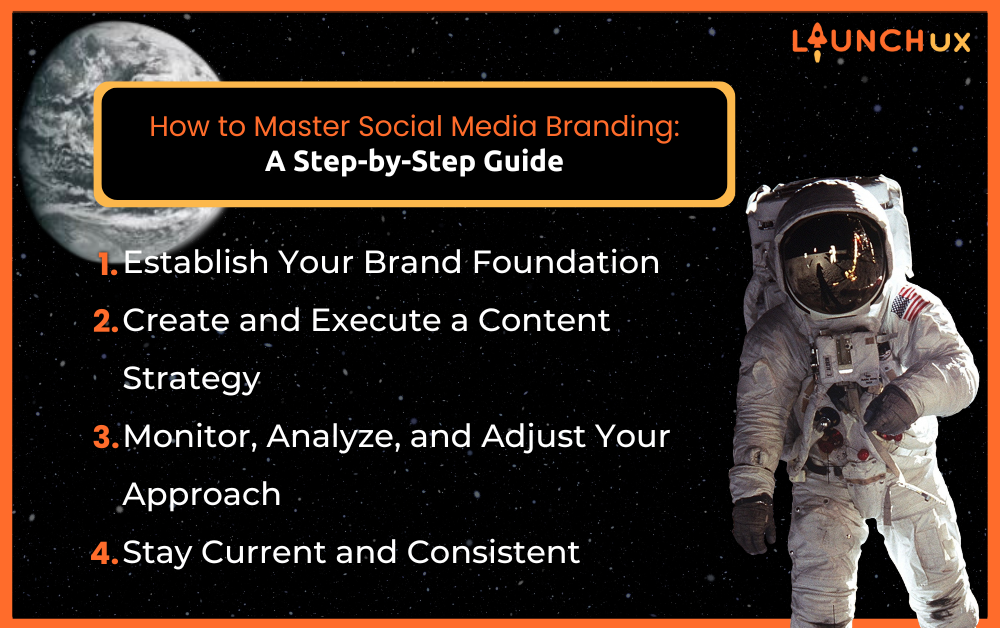
How to Master Social Media Branding: A Step-by-Step Guide

Social media branding is essential for any business looking to connect with customers, build trust, and stand out online. It’s more than just sharing content; it’s about consistently presenting your brand’s unique voice, values, and visuals across all platforms. This guide will help you implement effective social media branding strategies to create a strong, recognizable presence that drives real engagement and growth.

Establish Your Brand Foundation

Define Your Brand Identity

To make your social media branding effective, start by defining who you are as a brand. Think about your mission, core values, and what sets you apart from others in your industry. Are you aiming to be seen as approachable and friendly, or more authoritative and professional? Your brand’s personality should be reflected in everything from the language you use in captions to the colors and imagery in your posts. Consistency in these elements helps followers instantly recognize your content and builds a cohesive brand experience that sticks in their minds.

Creating a visual style guide can help maintain this consistency across all platforms. This should include your logo, color palette, fonts, and types of imagery that match your brand’s vibe. When people scroll through their feeds, these consistent visual cues will make your posts stand out, reinforcing your brand identity.

Know Your Audience

Successful social media branding isn’t just about knowing who you are—it’s also about knowing who you’re talking to. Dive into research to understand your target audience’s demographics, interests, and online habits. Are they primarily young professionals on LinkedIn, or do they prefer the visual focus of Instagram? Knowing which platforms they frequent and the type of content they engage with—like videos, stories, or blog posts—will help you tailor your branding efforts to reach them effectively.

Understanding your audience also means knowing their pain points, preferences, and what they find valuable. When your content resonates with their needs and interests, it’s easier to build a loyal following and foster genuine engagement. By aligning your brand with your audience’s expectations, you create a more personal and impactful connection, making your social media branding efforts far more successful.

Create and Execute a Content Strategy

Develop a Consistent Content Plan

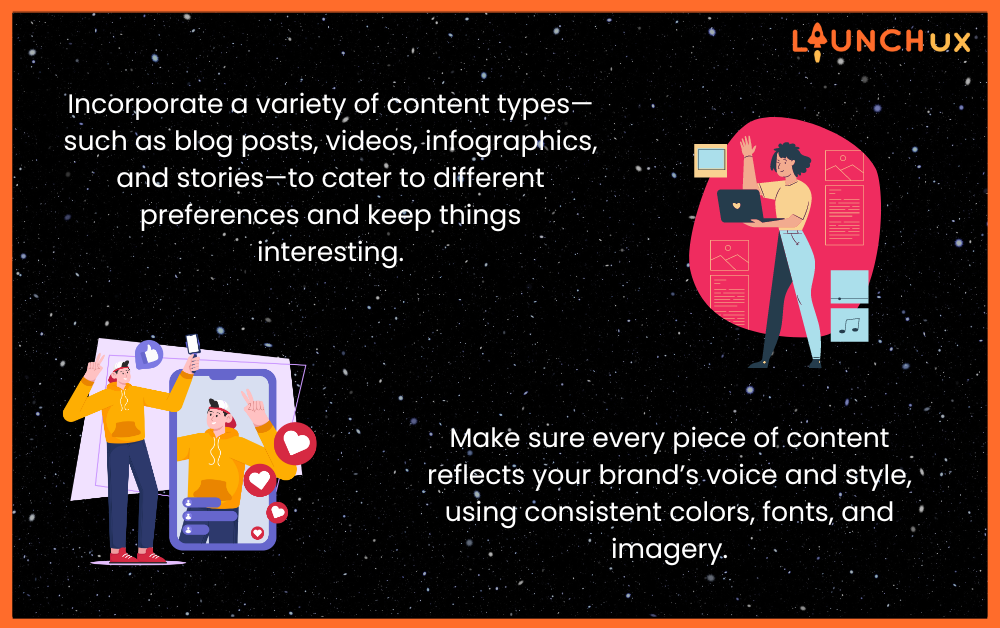
To make your social media branding stick, a well-planned content strategy is essential. Start by creating a content calendar that outlines what you will post and when. This helps maintain a steady flow of content that aligns with your brand’s identity and keeps your audience engaged. Incorporate a variety of content types—such as blog posts, videos, infographics, and stories—to cater to different preferences and keep things interesting. Make sure every piece of content reflects your brand’s voice and style, using consistent colors, fonts, and imagery. This visual and messaging consistency will reinforce your brand identity and make it easily recognizable to your followers.

Engage Actively with Your Audience

Social media branding is not just about posting content; it’s about building relationships. Engage with your audience by responding to comments, messages, and mentions. This interaction shows that you value their input and helps to foster a sense of community around your brand. Encourage user-generated content by inviting followers to share their experiences with your products or services, and consider featuring their content on your page. This not only builds trust but also boosts your credibility. Additionally, participate in relevant conversations by using trending hashtags and engaging in industry groups. These activities can increase your brand’s visibility and establish you as a thought leader in your field.

Collaborating with influencers and creating partnerships with complementary brands can further amplify your reach. Influencers who align with your brand values can introduce you to new audiences and lend credibility to your brand. Similarly, partnering with other brands for joint campaigns or content can help you tap into their audiences, expanding your reach and strengthening your social media branding efforts.

Monitor, Analyze, and Adjust Your Approach

Track Performance Metrics

To ensure your social media branding is effective, it’s crucial to regularly monitor and analyze key performance metrics. Look at engagement rates, such as likes, shares, comments, and clicks, to see which types of content resonate most with your audience. Also, track follower growth, reach, and conversions to understand the overall impact of your branding efforts. These metrics provide valuable insights into what’s working and what isn’t, allowing you to make data-driven decisions to refine your strategy. Use analytics tools provided by platforms like Facebook, Instagram, and LinkedIn, or invest in third-party tools that offer more in-depth analysis.

Refine Your Strategy Based on Data

Once you’ve gathered enough data, use it to fine-tune your social media branding strategy. For example, if you notice that video content is generating higher engagement than text posts, consider incorporating more videos into your content plan. If your audience seems more active on specific days or times, adjust your posting schedule accordingly. Regularly conducting audits of your social media profiles, content, and audience behavior will help you stay aligned with your goals and maximize your efforts.

Stay open to feedback from your audience as well. Pay attention to comments and direct messages that offer suggestions or express concerns. This feedback can provide valuable insights into your audience’s preferences and help you improve your brand’s presence. Remember, social media branding is an ongoing process of learning and adapting—what works today might not work tomorrow, so staying flexible and responsive is key to long-term success.

Stay Current and Consistent

Social media is constantly evolving, with new trends, features, and algorithms shaping how brands engage with their audience. To keep your social media branding fresh and relevant, it’s important to stay updated with the latest developments. Follow industry news, keep an eye on platform updates, and experiment with new features like Stories, Reels, or Live videos to maintain engagement and interest. Adapting to new trends not only shows that your brand is modern and dynamic but also gives you the chance to reach new segments of your audience in creative ways.

Being aware of changes in platform algorithms is also essential. Algorithms often determine which content gets seen by your audience, so understanding them can help you optimize your posts for maximum visibility. For example, if a platform starts prioritizing video content, consider incorporating more videos into your strategy to stay ahead of the curve.

Maintain Consistency Across All Platforms

While staying current is important, consistency remains the cornerstone of effective social media branding. Ensure that your visual elements, messaging, and overall tone are uniform across all platforms. This consistency helps build a strong and recognizable brand that your audience can easily connect with, no matter where they find you. Regularly update your profiles with fresh content and make sure your branding elements—like your logo, color scheme, and taglines—are up-to-date and aligned with your overall brand identity.

Utilize paid advertising to enhance your reach and target specific audiences more effectively. Paid ads allow you to amplify your most important content and ensure it reaches the right people. Experiment with different ad formats—such as carousel ads, sponsored posts, or video ads—to find out what resonates best with your audience and reinforces your brand message.

Building a Strong Social Media Brand

Implementing effective social media branding is a powerful way to build a strong and recognizable presence online. By establishing a solid brand foundation, creating a well-rounded content strategy, actively engaging with your audience, and continuously monitoring and refining your approach, you can create a cohesive and impactful brand identity across all platforms. Staying current with trends while maintaining consistency ensures that your brand remains relevant and trustworthy in the ever-evolving world of social media.

Ready to take your social media branding to the next level? Contact LaunchUX today for professional guidance and customized strategies to help your brand shine online.

Top SEO Tips for Auction Houses to Increase Traffic & Bids

A strong online presence is essential for auction houses looking to attract more bidders and achieve higher sales. With the increasing shift toward online and hybrid auctions, having a website that stands out is crucial. Search Engine Optimization (SEO) plays a vital role in enhancing the visibility of auction house websites, driving traffic, and ultimately increasing bids by connecting with potential buyers more effectively. This blog offers SEO tips tailored for auction houses to enhance their online presence and succeed in a competitive market.

Why SEO Matters for Auction Houses

The landscape of auctions is rapidly evolving, with more buyers and sellers turning to online platforms to conduct business. This growing trend toward online auctions has made it essential for auction houses to capture digital traffic effectively. As competition grows, a well-optimized website in search results is essential for attracting bidders.

Statistics show that 81% of customers use Google to find local businesses, making it the go-to platform for buyers seeking auction opportunities. Moreover, the top organic search results capture 27.6% of all clicks, meaning that if your auction house is not appearing at the top of search results, you could be missing out on a significant portion of potential traffic​.

By improving SEO, auction houses can enhance their website’s visibility, leading to increased traffic, higher engagement, and ultimately, more bids. A strong SEO strategy puts your auction house before the right audience, turning visibility into revenue growth. Whether you are hosting live auctions, timed auctions, or online-only events, optimizing your website for search engines can drive more traffic and bids, maximizing your reach and profits in the digital auction market.

Essential SEO Tips for Auction Houses

For auction houses, local SEO is crucial to attract bidders in your specific area. When people search for auctions or auction services nearby, you want your business to be one of the top results they see. This is important because 76% of people who search for something nearby visit a business within a day​. By optimizing for local search, you can ensure your auction house captures this valuable local traffic.

SEO Tips:

  • Claim and Optimize Your Google Business Profile: Make sure your auction house has a Google Business Profile, and fill it with accurate information, such as address, phone number, business hours, and images.
  • Include Local Keywords: Use keywords that mention your location alongside your auction services to improve local search rankings.
  • Encourage Reviews: Positive customer reviews can boost your credibility and help you rank higher in local searches.

2. Create High-Quality, Relevant Content:

Content marketing is a key component of SEO, and it can be particularly effective for auction houses. 70% of internet users prefer to learn about a company through blogs rather than ads​. By creating valuable, relevant content, you can attract more visitors to your website and keep them engaged longer, which improves your SEO performance.

SEO Tips:

  • Develop Engaging Content: Write blogs, articles, and guides about auction previews, highlights of rare items, buyer guides, and market trends to capture your audience’s attention and encourage them to stay longer on your site.
  • Use High-Quality Media: Incorporate images, videos, and infographics that highlight your auction items and create a more engaging experience.

3. Build a Mobile-Friendly Website:

With the increasing use of smartphones, having a mobile-friendly website is no longer optional. 57% of global website traffic comes from mobile devices, and auction houses need to ensure that their sites are easily accessible and navigable on these devices. A poor mobile experience can lead to high bounce rates, negatively impacting your SEO performance.

SEO Tips:

  • Ensure Fast Load Times: Optimize your website’s speed by compressing images, minimizing code, and leveraging browser caching.
  • Use Responsive Design: Make sure your site is designed to adjust seamlessly to different screen sizes and devices.
  • Simplify Mobile Navigation: Create easy-to-use menus and search functions that help users quickly find what they need.

Backlinks, or links from other reputable sites to yours, are one of the most important factors that search engines consider when ranking websites. Building a solid backlink profile can greatly enhance your SEO by signaling to search engines that your site is credible and authoritative.

SEO Tips:

  • Partner with Related Blogs or Websites: Collaborate with sites related to the auction industry, such as antique dealers, collectors’ blogs, or art sites, to earn backlinks.
  • Share Valuable Content: Create high-quality, shareable content that others in your industry will want to link to.
  • Use Internal Linking Strategies: Link relevant pages within your own website to keep users engaged longer and improve the flow of link equity throughout your site.

By implementing these SEO strategies, auction houses can enhance their visibility in search results, attract more bidders, and ultimately, drive higher revenue.

Leveraging Technical SEO for Auction House Websites

Improve Site Speed and Performance:

Fast-loading pages are critical for both user experience and SEO rankings. Slow websites not only frustrate visitors but also negatively impact your site’s search engine ranking. Google has made site speed a crucial ranking factor, and only 33% of websites currently pass the Core Web Vitals threshold, which measures page performance based on loading speed, interactivity, and visual stability. Ensuring your website loads quickly helps reduce bounce rates and increases the likelihood of ranking higher on search engine results pages (SERPs).

Optimize Metadata and URL Structure:

Clear, descriptive metadata and clean URLs are essential for improving your website’s visibility on search engines. Metadata, such as meta titles and descriptions, helps search engines understand the content of your pages, while clean URLs make it easier for users and search engines to navigate and index your site.

Measuring and Analyzing SEO Success

To understand the effectiveness of their SEO efforts, auction houses should use tools that provide detailed insights into website performance and user behavior. Two essential tools for this purpose are Google Analytics and Google Search Console.

  • Google Analytics allows auction houses to track important metrics such as organic traffic, bounce rates, and conversion rates. It provides data on how visitors interact with the website, which pages they visit, how long they stay, and where they drop off. This information is crucial for understanding the effectiveness of SEO strategies and identifying areas for improvement.
  • Google Search Console helps monitor and troubleshoot a site’s presence in Google Search results. It provides data on search queries that bring users to your site, the number of clicks and impressions, and the average position of your website in search results. It also alerts you to any issues, such as crawl errors or mobile usability problems, that could affect your SEO performance.

Tracking Key Performance Indicators (KPIs):

  • Organic Traffic: The number of visitors coming to your website through unpaid search results. An increase in organic traffic indicates that your SEO strategies are effectively driving more visitors to your site.
  • Bounce Rate: The percentage of visitors who leave your website after viewing only one page. A high bounce rate may indicate that your site isn’t meeting user expectations, or that it loads too slowly, which can negatively impact your SEO rankings.
  • Conversion Rate: The percentage of visitors who complete a desired action, such as registering for an auction or placing a bid. This metric helps determine whether your site is effectively engaging visitors and converting them into active participants.

By monitoring KPIs with tools like Google Analytics and Search Console, auction houses can evaluate SEO success, make informed decisions, and refine strategies for better results.

Unlock the Full Potential of Your Auction House Online

In summary, effective SEO is crucial for auction houses to boost online visibility, attract more bidders, and increase revenue. Optimize local search, create quality content, ensure mobile compatibility, build links, and track SEO to help your auction house succeed.

Ready to elevate your auction house’s online presence and attract more bidders? Contact LaunchUX today for a comprehensive SEO audit and a customized digital strategy tailored to your specific needs. With our expertise in enhancing visibility, driving traffic, and increasing bids, we deliver impactful results for businesses, including auction houses. Don’t miss out on potential customers; let LaunchUX optimize your website and SEO strategy for success.

What is a Web Crawler? And Why Do I Need to Care About It?

Ever wondered how search engines like Google seem to know exactly what you’re looking for? The answer lies in something called a web crawler. Now, you might be thinking, “What on earth is a web crawler?” or “Why should I even care?” Well, if you’re managing a website, running a business online, or just keen on understanding how the internet works, knowing about web crawlers is pretty important. These little bots are responsible for indexing the web and deciding which pages show up in search results. In this post, we’ll break down what web crawlers are, how they work behind the scenes, and why you should care about them if you want people to actually find your website.

What is a Web Crawler?

The Basics: What Exactly is a Web Crawler?

Imagine a web crawler as the internet’s version of a detective—constantly on the move, gathering clues, and putting together a big map of what’s out there on the web. A web crawler, sometimes called a web spider or bot, is an automated program that search engines like Google use to “crawl” through websites. Their job? To discover new pages and keep track of changes to existing ones.

How Web Crawlers Work: From Seeds to Search Results

Web crawlers start with a list of known websites, referred to as “seeds.” They visit these sites, read the content, and follow any links they find to discover new pages. Every time a crawler visits a page, it analyzes the content, images, and links, storing all that information in a giant database. This database is what search engines rely on to serve up relevant results when someone types in a search query.

Robots.txt: The Rulebook for Crawlers

But don’t worry—a web crawler doesn’t just barge into every corner of the internet. They follow a set of rules that website owners create, known as a “robots.txt” file. This file acts like a digital “No Trespassing” sign, telling crawlers which parts of a site they can explore and which ones they should avoid.

Why Should You Care About Web Crawlers?

Your Website’s Visibility Depends on Them

Web crawlers are like the gatekeepers to the internet’s vast landscape. If your website isn’t crawler-friendly, search engines might not index your pages correctly—or worse, not at all. This means that when potential customers search for topics related to your business, your website might not even show up. By understanding how web crawlers work, you can make sure your site is easy to crawl and, therefore, more likely to rank higher in search results.

SEO and Rankings: How Crawlers Impact Your Performance

Search Engine Optimization (SEO) is all about making your website appealing not just to users but to a web crawler as well. Crawlers help determine where your website will rank for specific keywords. If your site has a clean structure, quality content, and follows SEO best practices, web crawlers will index it more effectively, boosting your chances of appearing on the first page of search results. On the flip side, if your site has broken links, duplicate content, or pages that are hard to navigate, web crawlers might not even bother indexing it properly.

The Benefits of a Crawler-Friendly Website

A website that is easy for crawlers to navigate is also typically more user-friendly. This means faster load times, better navigation, and a more seamless experience for visitors. Not only does this improve your search engine ranking, but it also keeps visitors engaged and more likely to convert into customers.

Types of Web Crawlers and Their Importance

General-Purpose Web Crawlers: The Internet’s Main Explorers

The general-purpose web crawler is like the all-terrain vehicles of the internet—they’re built to cover a lot of ground and index a wide range of content. These are the crawlers used by major search engines like Google (Googlebot), Bing (Bingbot), and Yahoo (Slurp Bot). Their job is to discover and index all types of websites so that when users search for something, they can provide the most relevant results. Understanding how these crawlers operate helps you optimize your website for better search engine performance.

Vertical Crawlers: Specialists on a Mission

While general-purpose crawlers are jacks of all trades, vertical crawlers specialize in specific types of content or industries. For example, a vertical crawler might focus solely on news websites, e-commerce platforms, or academic research. If your business operates in a niche market, knowing how vertical crawlers work can help you target a more specific audience and improve visibility in that sector.

Site-Specific Crawlers: Tailored for Specific Needs

Some companies develop their own site-specific crawlers to focus on a single website or a group of related sites. These crawlers are used for tasks like competitive analysis, data scraping, or internal site searches. For businesses, understanding site-specific crawlers can offer insights into optimizing your site’s internal search functionality or even monitoring competitor activity.

Why Knowing the Types Matters for Your SEO Strategy

Different types of web crawlers serve different purposes. By understanding which type of crawler is likely to visit your site, you can tailor your SEO strategies accordingly. For instance, a content-heavy blog might want to focus on optimizing for general-purpose crawlers, while a niche online store might benefit from targeting vertical crawlers.

Best Practices to Optimize Your Website for Web Crawlers

Create and Maintain an Up-to-Date Sitemap

Think of a sitemap as a roadmap for a web crawler. It tells them where to go and what to look for on your website. Submitting a well-organized XML sitemap to search engines ensures that all your important pages are indexed properly. This is especially helpful for larger sites or those with a lot of new content, as it guides crawlers directly to the pages you want them to prioritize.

Ensure High-Quality, Fresh Content

Web crawlers love fresh content. Regularly updating your website with new blog posts, articles, or product pages signals to crawlers that your site is active and worth revisiting. Not only does this improve your chances of getting indexed more frequently, but it also boosts your SEO rankings. Remember, the more relevant and up-to-date your content is, the better it is for both crawlers and users.

Optimize Internal Linking and Site Structure

Internal linking helps web crawlers understand the relationship between different pages on your site. A clear and logical site structure, supported by well-placed internal links, ensures that crawlers can easily navigate your site and index your content effectively. This means better visibility for your key pages. For example, linking related blog posts together or directing users from a service page to a relevant case study can enhance both user experience and crawlability.

Address Technical SEO Elements

Technical SEO is like the nuts and bolts of your website’s relationship with a web crawler. Here are a few key elements to focus on:

– Page Load Speed: Faster pages not only provide a better user experience but also encourage crawlers to visit more pages.

– Mobile-Friendliness: With mobile-first indexing now a priority for search engines, ensure your site is fully optimized for mobile devices.

– Duplicate Content: Web crawlers get confused by duplicate content, which can hurt your rankings. Use canonical tags to indicate the original version of a page.

Use Meta Tags Wisely

Meta tags, including title tags and meta descriptions, help web crawlers understand what each page is about. Craft compelling, keyword-rich meta tags that accurately describe your content. While these tags don’t directly impact rankings, they play a crucial role in improving your site’s click-through rates from search engine results pages (SERPs).

The Power of Web Crawlers in Your SEO Strategy

Web crawlers are the unsung heroes (or villains, if your site isn’t optimized!) behind the scenes of every search engine. They determine how easily your website can be found by potential visitors, making them crucial to your online success. By optimizing your site with clear navigation, fresh content, a solid internal linking strategy, and attention to technical SEO details, you can ensure that a web crawler efficiently indexes your site, boosting your chances of ranking higher in search results. Understanding and leveraging how web crawlers work is key to staying competitive in the digital landscape.

Take Action with LaunchUX Today

If optimizing your website for web crawlers sounds like a daunting task, don’t worry—that’s where LaunchUX comes in. Our team specializes in SEO strategies that make your website not only crawler-friendly but also user-friendly. Reach out to us today, and let’s discuss how we can help elevate your website’s performance and drive more traffic to your business!

Integrating Branding into Web Design: Ensuring Consistency

In today’s digital age, a company’s website is often the first point of contact for potential customers. Ensuring your brand is consistently represented across your website is crucial for building trust and recognition. Integrating branding into web design is not just about making your site look good; it’s about creating a cohesive and engaging user experience. In this blog, we will explore the importance of integrating branding into web design, delve into the essential elements of brand identity, and discuss techniques for maintaining brand consistency across your website.

The Importance of Integrating Branding into Web Design

Enhancing User Experience

Integrating branding into web design significantly enhances user experience. When visitors land on your site, they should immediately recognize your brand and feel a sense of familiarity. Consistency in branding helps users navigate your site more intuitively because they can easily associate certain design elements with your brand. This familiarity reduces confusion and creates a seamless browsing experience, encouraging users to stay longer and engage more deeply with your content. For example, a user visiting an e-commerce site with a consistent brand identity will find it easier to trust the product listings and feel confident purchasing.

Building Trust and Recognition

Consistency in branding is essential for building trust and recognition. A well-branded website conveys professionalism and reliability. When users see consistent branding across all touchpoints—logos, colors, fonts—they perceive your brand as stable and trustworthy. Over time, this consistent presentation helps to establish strong brand recognition, making it easier for customers to remember and choose your brand over competitors. Trust and recognition are critical components in turning casual visitors into loyal customers. According to a study by Lucidpress, consistent branding can increase revenue by up to 23%.

Elements of Brand Identity

Your logo is the cornerstone of your brand identity. It’s a visual representation of your brand that should be prominently displayed across your website. A well-designed logo captures the essence of your brand and leaves a lasting impression on visitors. Ensure your logo is consistently placed on your site, ideally in the header, so it’s visible on every page. This consistent placement reinforces brand recognition and provides a visual anchor for your site’s design. Additionally, consider using variations of your logo, such as a simplified version for mobile devices, to maintain brand consistency across different platforms.

Color Palette

The color palette is another crucial element of brand identity. Colors evoke emotions and can significantly influence how users perceive your brand. Consistent use of your brand’s color palette across your website helps create a cohesive look and feel. Choose colors that reflect your brand’s personality and use them strategically to guide users’ attention to critical areas, such as call-to-action buttons or essential information. Consistency in color usage strengthens brand association and enhances the overall user experience. For instance, using blue on tech company websites often conveys trust and professionalism, while eco-friendly brands use green to signify sustainability.

Typography

Typography plays a vital role in brand identity and consistency. The fonts you choose convey your brand’s tone and style. Whether you opt for a modern, sleek font or a more traditional typeface, consistency in typography across your website is essential. Use the same fonts for headings, subheadings, and body text to create a uniform appearance. Consistent typography makes your site look professional and improves readability and user experience. For example, using a distinct font for headlines and a complementary font for body text can help differentiate content sections while maintaining a cohesive look.

Techniques for Maintaining Brand Consistency Across the Website

Consistent Visual Elements

Maintaining consistency in visual elements is crucial for reinforcing your brand identity. This includes using consistent imagery, icons, and graphic styles that align with your brand. Avoid using generic stock photos that don’t reflect your brand’s personality. Instead, invest in custom visuals that resonate with your audience. Ensure that these elements are used consistently throughout your site to create a unified visual experience that strengthens your brand’s presence. For example, a travel website might use high-quality images of destinations that match the site’s overall aesthetic and color scheme, creating a cohesive and immersive experience for visitors.

Unified Tone and Voice

Beyond visual elements, maintaining a consistent tone and voice is essential for brand consistency. Your website’s content should reflect your brand’s personality and values. Whether your brand is casual and friendly or formal and authoritative, ensure this tone is evident in all your web content, from blog posts to product descriptions. Consistency in tone and voice builds a stronger connection with your audience and reinforces your brand identity. For instance, a casual and friendly tone might include conversational language and humor, while a formal tone would use more technical and precise language, catering to a different audience.

Examples of Strong Brand Integration in Web Design

Case Study 1: Apple

Apple’s website is a prime example of solid brand integration. Every element, from the clean and minimalist design to the use of high-quality images and consistent typography, reflects Apple’s brand identity. The use of white space, simple navigation, and product-focused visuals all contribute to an unmistakably Apple user experience. This consistency reinforces the brand’s reputation for innovation, quality, and simplicity.

Case Study 2: Coca-Cola

Coca-Cola’s website also showcases excellent brand integration. The site’s vibrant red color palette, iconic logo, and consistent use of typography create a cohesive and engaging experience. The content, which often includes stories and images that evoke happiness and connection, aligns perfectly with Coca-Cola’s brand message. This consistency across visual and textual elements strengthens brand recognition and fosters a strong emotional connection with the audience.

Conclusion

Integrating branding into web design is more than just an aesthetic choice; it’s a strategic move that enhances user experience, builds trust, and fosters brand recognition. You can create a cohesive and engaging website that truly represents your brand by focusing on critical brand identity elements—such as logos, color palettes, and typography—and maintaining consistency across all visual and textual elements.

Consistency in branding is vital to success. Ensure your website seamlessly reflects your brand identity. Contact LaunchUX today for a consultation or quote, and let us help you integrate your branding into web design for a more substantial, cohesive online presence.

The Role of Social Signals in SEO

In the ever-evolving world of digital marketing, the quest for effective SEO strategies is ongoing. While traditional SEO methods remain crucial, social media has become a powerful player in the SEO game. Social signals in social media—likes, shares, and comments—increasingly influence search engine rankings. In this blog, we’ll explore the role of social media signals in SEO and how they can enhance your online presence.

Understanding Social Media Signals

What Are Social Media Signals?

Social media signals refer to interactions on social media platforms, including likes, shares, comments, and follows. These signals are indicators of user engagement and content relevance. For instance, posts with numerous shares and positive comments will likely be valuable and engaging. Social media signals are becoming a vital part of the digital marketing ecosystem as they provide insights into the popularity and quality of your content.

The Impact of Social Media Signals on SEO

The influence of social media signals on SEO has grown as search engines become more sophisticated in evaluating content quality and user engagement. Social media signals can indirectly affect your search engine rankings by driving traffic to your website, increasing brand visibility, and enhancing user trust. When search engines see that content is being actively shared and discussed, they interpret it as a sign of relevance and authority, which can positively impact your SEO performance.

The Correlation Between Social Engagement and Search Rankings

How Social Engagement Affects Search Rankings

A growing body of evidence suggests a correlation between social engagement and improved search rankings. High levels of social engagement can lead to increased visibility, more backlinks, and higher domain authority. For instance, when your content is widely shared on social media, it can attract more visitors to your website, resulting in higher organic search rankings. Additionally, social signals can help search engines gauge the quality and relevance of your content.

Case Studies and Evidence

Several studies have highlighted the link between social media engagement and search rankings. Research from various sources indicates that content with higher social engagement tends to rank better in search results. For example, a study by Moz found that social signals significantly impacted search engine rankings, suggesting that social media activity contributes to a website’s overall authority and relevance.

Strategies for Increasing Social Media Engagement

Creating Shareable Content

To leverage social media signals effectively, focus on creating content that resonates with your audience. Shareable content is typically engaging, relevant, and valuable. Use eye-catching visuals, compelling headlines, and informative articles to attract attention. Additionally, incorporating interactive elements such as polls and quizzes can increase user interaction and encourage sharing.

Engaging with Your Audience

Engagement is a two-way street. Actively interacting with your audience on social media platforms can boost engagement levels. Respond to comments, participate in conversations, and show appreciation for your followers. Fostering a sense of community and connection can encourage more interactions and create a positive feedback loop that enhances your social signals.

Best Practices for Content Sharing on Social Platforms

Timing and Frequency

Timing and frequency play crucial roles in maximizing social media engagement. Post your content when your audience is most active to ensure higher visibility and interaction. Use analytics tools to determine the best times to post and adjust your strategy based on performance. Consistent posting without overwhelming your audience helps maintain engagement and keeps your brand top-of-mind.

Platform-Specific Strategies

Each social media platform has its unique features and audience preferences. Tailor your content and engagement strategies to suit each platform. For example, Instagram thrives on visual content, while LinkedIn is more suited for professional and industry-related posts. Understanding the nuances of each platform allows you to optimize your content sharing and maximize engagement.

Measuring the Impact of Social Media Efforts on SEO

Tools and Metrics for Tracking Social Signals

Utilize various tools and metrics to assess the impact of social media signals on your SEO. Social media analytics tools like Google Analytics and platform-specific insights can provide valuable data on engagement levels, referral traffic, and user behavior. Track metrics like shares, comments, and click-through rates to gauge the effectiveness of your social media efforts.

Analyzing and Interpreting Data

Once you’ve collected data, analyze it to understand how social signals influence your SEO performance. Look for trends and patterns that indicate which types of content resonate most with your audience. Use this information to refine your social media strategy and make data-driven decisions that enhance engagement and search rankings.

Conclusion

Social media signals are powerful in modern SEO, influencing search rankings and driving user engagement. Understanding and leveraging social signals can enhance your online visibility, build brand authority, and improve your SEO performance. Incorporate these insights into your digital marketing strategy to stay ahead of the competition and achieve your business goals.

Contact LaunchUX today for a consultation or quote on enhancing your SEO strategy with effective social media practices.

SEO for Law Firms: Enhance Your Visibility Online

As more potential clients turn to the internet to find legal services, it’s vital for law firms to stand out in search engine results. This is where Search Engine Optimization (SEO) comes into play. SEO is a powerful tool that can significantly impact your law firm’s visibility, credibility, and client acquisition. At LaunchUX, we specialize in SEO for law firms, understanding the unique challenges and opportunities that come with marketing legal services online. In this blog, we’ll explore how SEO works for law firms, why it’s a game-changer for legal practices, and how LaunchUX can help your firm achieve outstanding results through tailored SEO strategies.

Understanding SEO for Law Firms

What is SEO?

Search Engine Optimization (SEO) involves optimizing your website and online content to improve its ranking on search engines like Google. The goal is to increase organic (non-paid) traffic to your site by making it more relevant and attractive to search engines. For law firms, SEO means incorporating legal-specific keywords, optimizing website structure, and ensuring that your site provides valuable and relevant content to potential clients.

How SEO Works for Law Firms

For law firms, SEO is particularly effective when targeting local clients. By focusing on local SEO, your firm can rank higher in search results for clients in your area. This involves optimizing your website for location-based keywords and creating content that addresses local legal issues. Additionally, technical SEO aspects such as ensuring your site is mobile-friendly and loads quickly are crucial. SEO for law firms also involves building backlinks from reputable sources and using structured data to help search engines understand your content better.

Benefits of SEO for Law Firms

Increased Online Visibility

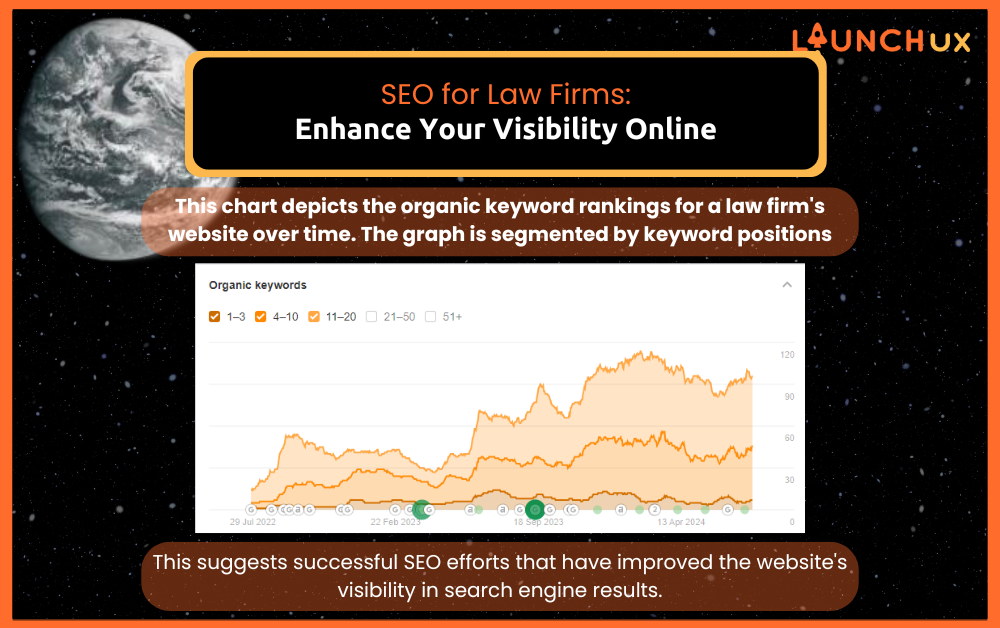
Ranking higher on search engines leads to more website traffic. When potential clients search for legal services online, a strong SEO strategy helps your firm appear at the top of search results. This increased visibility means more people will find and visit your website, which can lead to more client inquiries and potential cases.

Enhanced Credibility and Authority

High search engine rankings often correlate with credibility. Clients tend to trust firms that appear at the top of search results more than those on subsequent pages. By creating high-quality content and earning backlinks from reputable sources, your firm can establish itself as an authority in your field. Positive online reviews and testimonials also contribute to building trust with potential clients.

Cost-Effective Marketing

Compared to traditional advertising methods like print or TV ads, SEO is a more cost-effective way to attract clients. While traditional ads often require ongoing investment, SEO provides long-term benefits with a one-time setup and continuous optimization. By investing in SEO, you can achieve sustained results and a better return on investment over time.

How LaunchUX Specializes in SEO for Law Firms

Customized SEO Strategies

At LaunchUX, we understand that each law firm has unique needs and goals. That’s why we tailor our SEO strategies to fit the specific requirements of your practice. Whether you’re focusing on personal injury, family law, or any other legal niche, we develop a customized plan. This plan addresses your firm’s strengths and targets your specific audience. Our approach includes keyword research, content optimization, and local SEO tactics designed to enhance your online presence and attract the right clients.

Expert Team and Tools

Our SEO expert team brings extensive legal marketing experience and uses advanced tools to analyze and improve your website’s performance. We stay up-to-date with the latest SEO trends and best practices, ensuring that your firm benefits from the most effective strategies. From technical SEO audits to ongoing performance tracking, we use cutting-edge technology to deliver results that matter.

Results-Driven Approach

We focus on delivering measurable results and a solid return on investment for your law firm. Our approach includes setting clear goals, monitoring key performance indicators, and making data-driven adjustments to our strategies. Regular reporting keeps you informed about your SEO progress and helps us fine-tune our efforts to ensure your firm continues to thrive in search engine rankings.

Getting Started with SEO for Law Firms

Initial Consultation

Embarking on an SEO journey starts with an initial consultation. During this phase, we assess your law firm’s current online presence, discuss your specific goals, and identify key areas for improvement. This consultation helps us understand your target audience, competitors, and the unique aspects of your legal practice. With this insight, we can craft a tailored SEO strategy that aligns with your objectives.

Implementation and Monitoring

Once the strategy is in place, we begin the implementation phase. This involves optimizing your website, creating high-quality content, and executing local SEO tactics to boost your search engine rankings. Our work doesn’t stop there—ongoing monitoring and adjustments are crucial to maintaining and improving your SEO performance. We provide regular updates and reports to track progress, make necessary tweaks, and ensure that your law firm continues to attract and convert potential clients effectively.

Unlock Your Law Firm’s Potential with SEO

SEO is an essential tool for law firms looking to enhance their online presence and attract more clients. By improving your search engine rankings, you increase your visibility, build credibility, and gain a competitive edge in the legal market. At LaunchUX, we specialize in SEO for law firms, offering customized strategies and expert guidance to help your practice achieve outstanding results. Don’t miss out on the opportunity to grow your firm’s client base through effective SEO. Contact LaunchUX today to start optimizing your website and see how our tailored SEO solutions can benefit your law firm.

Ready to Elevate Your Law Firm’s Online Presence?

Take the first step towards boosting your law firm’s visibility and attracting more clients with expert SEO strategies. Contact LaunchUX today to schedule a consultation and discover how our tailored SEO solutions can help your firm succeed online. Don’t wait—transform your digital presence and stay ahead of the competition!

Social Media Marketing and Branding: A Comprehensive Guide

Understanding Social Media Marketing and Branding

Social media marketing uses platforms like Facebook, Instagram, Twitter, LinkedIn, and TikTok to promote your brand. It involves creating engaging content, including text posts, images, and videos. By sharing this content, you can reach your audience and interact with them. Furthermore, analyzing performance metrics like likes and shares helps refine your strategy. Additionally, paid ads boost your reach and target specific groups. To stay effective, it’s crucial to remain updated on trends. Overall, it’s about creating valuable content, engaging your audience, and using data to improve your branding and marketing results.

Defining Your Goals

Before diving into social media marketing, you must define your goals. These goals may range from increasing brand awareness and driving website traffic to generating leads and boosting sales. Clear goals will guide your strategy and help measure success.

Building Brand Awareness

Brand awareness involves creating a memorable presence across social media platforms. Consistent use of your logo, colors, and messaging helps users recognize your brand. Additionally, sharing high-quality content enhances visibility. To further expand your reach, consider using paid ads to reinforce your brand identity.

Encouraging Engagement

Encouraging engagement means fostering interactions through likes, comments, and shares. Create content that invites feedback and sparks discussions. Moreover, promptly responding to comments builds trust. Increased engagement strengthens relationships and increases brand loyalty.

Generating Leads

Lead generation captures potential customer information through compelling offers and content. Use lead magnets and call-to-action buttons to collect contact details. Social media tools like lead generation ads directly gather this information. Following up with leads through email or personalized offers nurtures these relationships.

Driving Sales

Social media platforms are effective for driving sales. Integrate e-commerce features and shoppable posts to streamline buying. Targeted ads and promotions help reach potential buyers. Furthermore, engaging content highlights products and drives conversions.

Identifying Your Target Audience

Understanding your audience is key to effective branding and marketing. Research demographics, interests, and behaviors to tailor your messages. Social media platforms offer robust analytics tools that provide insights into your audience’s preferences. These insights are essential for crafting content that resonates.

Choosing the Right Platforms

Not all social media platforms are created equal, but each one offers unique user bases and features. Selecting the right platforms aligned with your target audience is crucial for branding and marketing success

Facebook

Facebook is ideal for reaching a broad demographic with diverse content formats. It’s effective for building brand awareness, running targeted ads, and engaging with users. Facebook’s broad user base makes it versatile for various marketing strategies.

Instagram

Instagram excels at showcasing visual content, perfect for brands with strong imagery. It appeals to younger audiences who engage with photos, stories, and reels. Instagram’s features are tailored for high-impact visual storytelling and influencer partnerships.

Twitter

Twitter is designed for real-time updates and rapid engagement. It’s effective for sharing news and participating in trending conversations. The platform’s fast-paced nature supports timely and relevant branding and marketing communication.

LinkedIn

LinkedIn is the premier platform for B2B marketing and professional networking. It focuses on industry-specific content and connections. LinkedIn is useful for building professional relationships and showcasing expertise. The platform’s features cater to business-oriented interactions and thought leadership.

TikTok

TikTok is ideal for reaching a younger audience through creative, short-form videos. It offers a highly engaging format that encourages viral content. TikTok’s algorithm quickly helps users discover new and entertaining content.

Creating Compelling Content with Marketing and Branding

Content is the heart of social media marketing and branding. It should be engaging, relevant, and aligned with your brand’s voice. Equally consider various content types like text posts, stories, images, videos, and infographics. Consistency is crucial. Develop a content calendar to plan and schedule posts, ensuring regular output.

Engaging with Your Audience

Social media is not just for broadcasting; it’s also for dialogue. Engage with your audience by responding to comments and participating in conversations. Building a community around your brand fosters loyalty and trust. This engagement is key to successful branding and marketing.

Analyzing and Optimizing Performance

Regularly analyze your social media metrics to understand what’s working and what’s not. Key metrics include engagement rates, click-through rates, and follower growth. Using these insights to refine your strategy also improves content and adjusting your approach ensures your branding and marketing efforts remain effective.

Leveraging Paid Advertising

Organic reach can be limited. Therefore, leveraging paid advertising is valuable for expanding your audience. Social media platforms offer various ad formats, including sponsored posts, carousel ads, and video ads. Use targeting options to reach specific demographics. Additionally, tracking ad performance helps optimize your campaigns. This, in turn, enhances your overall branding and marketing results.

The Role of Branding in Social Media Marketing

Branding plays a critical role in social media marketing. It involves creating a distinct identity and image for your business. On social media, this means maintaining consistency in your messaging and visual elements.

Developing Your Brand Identity

Your brand identity includes your logo, color palette, and typography. Ensure these elements are consistent across all platforms. Consistency creates a cohesive and recognizable brand presence, crucial for effective branding and marketing.

Crafting a Unique Voice

Your brand’s voice should reflect its personality and values. Whether professional, casual, humorous, or authoritative, maintain a consistent tone across all interactions. This consistency is essential for building a relatable and trustworthy brand image.

Building Brand Awareness

Social media is powerful for increasing brand awareness. Sharing content that highlights your brand’s values and mission, coupled with collaborating with influencers, can expand your reach. Introducing your brand to new audiences strengthens your branding and marketing efforts.

Creating a Brand Narrative

A compelling brand narrative tells your business story. It connects with your audience on an emotional level. Also share stories about your company’s origins, successes, and challenges. Use social media to bring this narrative to life through engaging content and authentic interactions.

Maintaining Brand Consistency

Consistency is key to effective branding. Ensure your visual elements and messaging are uniform across all platforms. This consistency reinforces your brand identity and enhances your marketing impact.

Managing Brand Reputation

Social media allows real-time feedback and interaction. Monitor conversations about your brand and address negative comments promptly. A proactive approach to managing your brand’s reputation helps maintain a positive image; thus builds trust with your audience, which is crucial for long-term branding and marketing success.

Best Practices for Social Media Marketing and Branding

To maximize the effectiveness of your branding and marketing efforts, consider these best practices:

Be Authentic

Authenticity builds trust by presenting a genuine brand image as well as forming connections. Share real, relatable content that reflects your values. Engage sincerely with your audience to foster meaningful connections. Authenticity is key to long-term branding and marketing success.

Stay Updated on Marketing and Branding

Social media trends and algorithms change frequently. Regularly check for updates on platform features and changes. Adapting your strategy ensures it remains relevant and optimized. Staying informed is crucial for effective branding and marketing as long as you stay on top of it.

Experiment and Innovate

Trying new content formats keeps your strategy fresh. Innovation helps capture attention and differentiate your brand. Continuously connect with your audience in novel ways to stay ahead in branding and marketing.

Monitor Competitors Marketing and Branding Strategies

Observing competitors provides insights into their strategies. Furthermore analyzing their content and engagement tactics can help you identify opportunities where you can offer unique value. Competitive analysis refines your branding and marketing strategy.

Focus on Quality

Prioritize creating high-quality content that provides real value. Well-crafted posts are more likely to engage your audience. Quality content enhances your brand’s reputation and is equally important for effective branding and marketing.

Conclusion

Social media marketing and branding are essential for modern business success. By understanding your goals and consistently delivering high-quality content, you can build a strong brand presence as well as encouraging engagement. Again, the social media landscape is dynamic and evolving. Stay adaptable, keep learning, and leverage these powerful tools to connect with your audience. Achieve your business objectives through effective branding and marketing strategies.

Ready to elevate your social media strategy? Contact us today to craft a customized plan that drives results and resonates with your audience. Transform your social media approach into a powerful engine for growth and success.

Unlocking the Benefits of Local SEO for Small Businesses

In an era where digital presence often dictates business success, small businesses face a unique set of challenges in making their mark locally. As more consumers turn to search engines to find products and services nearby, mastering local SEO (Search Engine Optimization) has become essential for standing out in a crowded market. Local SEO services are not just about enhancing your online visibility, but also about connecting with your community and driving local foot traffic. This blog will delve into the benefits of local SEO for small businesses while providing actionable strategies to help you optimize your local search presence and attract more customers from your area.

Understanding Local SEO

Local SEO is a specialized branch of search engine optimization focused on improving visibility in local search results, unlike general SEO, which targets a broad audience, local SEO services hone in on users searching for products or services within a specific geographic area. This focus makes it particularly valuable for small businesses that serve local communities.

Key Aspects of Local SEO Include:

  1. Website Optimization: Ensuring that your website is structured to appeal to local searches is fundamental. This includes having a mobile-friendly design, fast loading times, and local content.
  2. Online Profile Management: Optimizing profiles on platforms like Google My Business (GMB), Yelp, Bing Places, and industry-specific directories also helps search engines and potential customers understand your business better.
  3. Local Engagement: Engaging with your local community through social media, local events, and partnerships strengthens your business’s connection to the community. Local engagement can improve credibility, increase brand recognition, and foster relationships with potential customers.
  4. Local Listings and Directories: Ensuring your business is listed accurately on local directories and business listings is crucial. In fact, consistent information across these platforms helps establish your business’s credibility and improves its visibility in local search results.
  5. Local Content Creation: Creating content tailored to local interests and concerns can attract local customers and boost your relevance in local searches. Blog posts, news articles, and community updates that focus on local topics can engage your audience and enhance your local SEO efforts above all.

Benefits of Local SEO for Small Businesses

Implementing local SEO strategies can yield several significant benefits for small businesses:

Increased Visibility 

An effective local SEO strategy includes optimizing your Google My Business (GMB) listing, which is crucial for improving your visibility in local search results. A well-maintained GMB profile helps ensure that your business information is accurate and readily available to potential customers, including your address, phone number, and hours of operation. This optimization enhances your chances of appearing in local search results and Google Maps, further driving traffic to both your website and physical location.

Enhanced Relevance

Local SEO service ensures that your business appears in searches relevant to your location. By optimizing for local keywords and managing online profiles, you attract customers who are actively searching for products or services in your area. This increased visibility makes it easier for potential customers to find your business and can significantly boost traffic to your website and physical location. An effective local SEO strategy also includes optimizing your Google My Business (GMB) listing, which is crucial for improving your visibility in local search results. A well-maintained GMB profile helps ensure that your business information is accurate and readily available to potential customers, including your address, phone number, and hours of operation. This optimization enhances your chances of appearing in local search results and Google Maps, further driving traffic to both your website and physical location.

Higher Foot Traffic

Improved rankings in local search results often translate to increased foot traffic for businesses with physical locations. This bridges the gap between online search and offline visits, furthermore making it easier for potential customers to find and visit your store. As your business gains higher visibility in local searches, it becomes more prominent in the minds of local consumers who may otherwise have overlooked it. Enhanced local search visibility also boosts the likelihood of attracting spontaneous visits from nearby individuals who are in the area and looking for immediate solutions. Consequently, the combination of improved online visibility and increased foot traffic can lead to greater brand recognition and higher overall sales for your business.

Competitive Advantage

Local SEO services level the playing field for small businesses competing with larger companies. By focusing on local search, you can capture the attention of nearby customers who might otherwise be drawn to bigger, more established businesses. This targeted approach allows small businesses to showcase their unique offerings and personalized service to a local audience, emphasizing their relevance and community connection. By optimizing for local search, small businesses can enhance their visibility in their specific geographic area, thereby attracting customers who prefer to support local enterprises. This increased local presence can lead to a loyal customer base and provide a competitive edge against larger, more generic competitors.

Cost-Effective Marketing

Compared to traditional advertising methods, local SEO offers a cost-effective way to reach your target audience. By focusing on organic search and local listings, you can achieve significant visibility and engagement without the high costs associated with print, radio, or television ads; for example. Local SEO targets users who are actively searching for products or services in their area, ensuring that your marketing efforts are directed toward individuals already interested in what you offer. This targeted approach not only improves the efficiency of your marketing budget but also provides measurable results through tracking and analytics. Additionally, the benefits of local SEO can compound over time, as maintaining high local search rankings and positive online reviews continues to drive traffic and build brand credibility without ongoing expenses.

Improved User Experience

Some practices, such as optimizing your website for mobile devices and ensuring fast load times, specifically contribute to a better overall user experience. A positive user experience not only helps retain visitors but also enhances your credibility and trustworthiness. When your website is mobile-friendly and loads quickly, users are more likely to engage with your content, explore your site further, and complete desired actions, such as making a purchase or contacting you. Moreover, a seamless user experience can lead to higher satisfaction rates and positive word-of-mouth referrals. This not only boosts your reputation but also improves your search engine rankings, as search engines prioritize websites that offer a superior user experience. By investing in these aspects, you create a more favorable impression of your business, encouraging repeat visits and fostering long-term customer loyalty.

Optimizing Google My Business (GMB)

A well-optimized Google My Business (GMB) listing is a cornerstone of local SEO:

  1. Create and Claim Your Listing: If you haven’t already created a GMB listing, then start by doing so. Claiming your listing allows you to control the information displayed about your business and furthermore ensures that potential customers have access to accurate details.
  2. Accurate Business Information: Ensure that your business name, address, and phone number (NAP) are correct and consistent across all online platforms. Albeit inaccurate or inconsistent information can confuse potential customers and negatively impact your local search rankings.
  3. Choose Relevant Categories: Selecting categories that accurately describe your business is equally crucial. Google uses these categories to match your business with relevant search queries. Choosing the right ones ensures that your business appears in searches related uniquely to your products or services.
  4. Upload High-Quality Photos: Visual content plays a significant role in attracting and engaging potential customers. Upload high-quality images of your business, products, as well as services to give users a clear sense of what to expect.
  5. Regular Updates: Keep your business hours, special offers, and other relevant information up-to-date. Use GMB posts to share updates, promotions, and events with your audience.
  6. Encourage Customer Reviews: Positive reviews on GMB can improve your search rankings and build trust with potential customers. Encourage satisfied customers to leave reviews and respond to feedback, both positive and negative, to show that you especially value customer input and are committed to providing excellent service.

Leveraging Local Keywords

Incorporating local keywords into your website content is essential for local SEO success:

Identify Local Keywords

Use keyword research tools like Google Keyword Planner, SEMrush, or Ahrefs to identify keywords relevant to your business and location. These tools help you find terms that potential customers are using when searching for local products or services.

Create Local Landing Pages

If your business operates in multiple locations, create separate landing pages for each area. Optimize these pages with location-specific keywords to target users in different geographic regions for example.

Local Content Creation

Develop content that addresses local interests and issues. Blog posts, news articles, and community updates that focus on local topics can therefore engage your audience and enhance your local SEO service efforts.

Optimize Your Website with Local Schema Markup

Integrate local keywords into key areas of your website, including title tags, meta descriptions, headers, and body content. Ensure that your content is in fact naturally written and provides value to users while incorporating these keywords. Implement schema markup on your website to provide search engines with additional information about your business, such as your address, phone number, and business hours.

Encouraging and Managing Online Reviews

Online reviews are a critical component of local SEO and play a significant role in building customer trust:

Encourage Reviews

Actively encourage satisfied customers to leave reviews on Google and other review platforms. Provide clear instructions and make the review process as easy as possible. Consider offering incentives, such as discounts or small rewards, in the hope that it will motivate customers to share their feedback.

Respond to Reviews

Engage with customers by responding to reviews, whether they are positive or negative. Address complaints professionally and thank positive reviewers for their feedback. After all, effective response management demonstrates your commitment to customer satisfaction and can positively impact your local search rankings.

Monitor Review Platforms

Regularly monitor review platforms for new feedback and address any issues promptly. Use review management tools to track and analyze reviews across different platforms. Therefore helping you identify trends and areas for improvement.

Leverage Positive Reviews

Highlight positive reviews on your website and social media channels. Showcase testimonials and customer success stories to build credibility and attract new customers. Positive reviews can especially serve as powerful endorsements of your business.

Local citations and backlinks are essential for enhancing your local SEO efforts:

Local Citations

Ensure your business is listed accurately on local directories, industry-specific sites, and business listings. Consistency in your NAP (Name, Address, Phone Number) across these platforms is crucial for establishing your business’s credibility and improving its visibility in local search results.

Acquire Local Backlinks

Seek opportunities to obtain backlinks from reputable local websites, blogs, or news outlets. Backlinks from local sources can boost your site’s authority and relevance in local search results. Consider partnerships with local organizations, sponsorships, or guest blogging as potential strategies for acquiring local backlinks.

Engage with Local Media

Build relationships with local media outlets and journalists to gain coverage and backlinks. Press releases, media appearances, and feature articles can enhance your business’s visibility and credibility within the community.

Participate in Local Events

Sponsor or participate in local events and activities to increase your business’s exposure and attract local backlinks. Event participation can also provide opportunities for networking and building relationships with other local businesses and influencers.

Monitoring and Analyzing Local SEO Performance

To gauge the effectiveness of your local SEO strategies, use tools like Google Analytics and GMB Insights:

Track Local Search Rankings

Regularly monitor your rankings for local search queries to assess the effectiveness of your SEO efforts. Tools like Google Search Console and local rank trackers can provide insights into how well your business is performing in local search results.

Analyze Website Traffic

Examine traffic from local searches to understand how well your SEO efforts are driving visitors to your website. Use Google Analytics to track metrics such as traffic sources, user behavior, and conversion rates.

Measure Customer Engagement

Evaluate engagement metrics, such as click-through rates, time on site, and bounce rates, to assess the impact of your local SEO efforts. Understanding how users interact with your website and convert into customers can provide valuable insights into the success of your strategies.

Set Performance Goals

Establish clear performance goals for your localized SEO efforts, such as increasing website traffic, improving local search rankings, or generating more leads. Regularly review your progress and adjust your strategies as needed to achieve your objectives.

Benchmark Against Competitors

Analyze your competitors’ local SEO performance to identify strengths and weaknesses in your own strategy. Use competitor analysis tools to gain insights into their keyword strategies, backlink profiles, and online presence.

Conclusion

Local SEO is a vital tool for small businesses looking to enhance their visibility, drive foot traffic, and gain a competitive edge in their local markets. By optimizing your Google My Business profile, leveraging local keywords, managing online reviews, building local citations and backlinks, and monitoring your performance, you can significantly boost your local search presence and attract more customers from your area. 

The benefits of effective local SEO services extend beyond mere search engine rankings; they help forge stronger connections with your local community, establish your business’s credibility, and drive sustainable growth. Implement these strategies to tap into the power of local search and watch your business thrive in today’s digital landscape.

Ready to take your local SEO to the next level? 

Start by evaluating your current local SEO practices and identify areas for improvement. Consider reaching out to a SEO specialist, like LaunchUX, who can provide personalized advice and support tailored to your business needs. For more insights and updates on local SEO, follow us on social media. Join the conversation, share your local SEO challenges, and get tips from fellow business owners and experts. Let’s elevate your local presence together and achieve greater success in your local market!