rocketfuel, Author at LaunchUX - Page 15 of 28

Author: rocketfuel

Why a Mobile Website Matters for SEO

With more people using smartphones and tablets to browse the internet, having a mobile website is essential. Ensuring your website is mobile-friendly is crucial for maintaining and improving your search engine rankings. This blog explores the impact of mobile-friendliness on SEO and why optimizing your website for mobile devices is essential for your online success.

Understanding Mobile-Friendliness

What Makes a Website Mobile-Friendly?

A mobile-friendly website is designed to display and function well on mobile devices such as smartphones and tablets. Key components include:

– Responsive Design: A layout that adjusts seamlessly to different screen sizes, ensuring a consistent user experience across devices.

– Fast Load Times: Optimized content that loads quickly on mobile networks to reduce bounce rates.

– Touch-Friendly Navigation: Elements such as buttons and links that are easy to tap on smaller screens, enhancing user interaction.

Importance of Mobile-Friendly Websites

Having a mobile-friendly website is crucial for user engagement and satisfaction. Mobile users expect a smooth and efficient browsing experience, and websites that fail to meet these expectations often see higher bounce rates and lower user retention. Additionally, a mobile-friendly design can lead to better conversion rates as it simplifies the user journey, making it easier for visitors to find information and complete actions such as making purchases or filling out forms.

Mobile-Friendliness and SEO

Google’s Mobile-First Indexing

Google’s mobile-first indexing means that the search engine predominantly uses the mobile version of a website’s content for indexing and ranking. This shift underscores the importance of having a mobile website. A site optimized for mobile will generally rank higher in search results, as Google prioritizes sites that provide a good mobile user experience.

Ranking Factors

– Mobile Usability: Google evaluates how easily users can navigate and interact with your site on mobile devices. Sites with poor mobile usability are penalized in search rankings.

– Page Speed: Fast load times are crucial. Google favors websites that load quickly on mobile devices, which enhances user satisfaction and reduces bounce rates.

– User Interface: A well-designed mobile interface improves the overall user experience, leading to longer visit durations and higher engagement, which positively impacts SEO.

Benefits of a Mobile-Friendly Website

Improved User Experience

A mobile website significantly enhances the user experience by providing:

– Enhanced Accessibility: Mobile-friendly sites are easier to navigate on smaller screens, ensuring users can quickly find the information they need.

– Reduced Bounce Rates: Users are more likely to stay on and engage with a site that loads quickly and displays correctly on their mobile devices.

Higher Conversion Rates

Mobile-friendly websites often see higher conversion rates because they:

– Simplify the Path to Purchase: Streamlined navigation and clear calls-to-action make it easier for users to complete transactions on mobile devices.

– Increase Engagement: A smooth and enjoyable mobile experience encourages users to interact more with the site, leading to higher engagement and conversion.

Competitive Advantage

Having a mobile website gives you a competitive edge by:

– Staying Ahead of Competitors: Businesses that optimize their sites for mobile are more likely to attract and retain users compared to those that do not.

– Catering to a Growing User Base: With the increasing number of mobile users, a mobile-friendly website ensures you are reaching a broader audience.

Best Practices for Mobile Optimization

Responsive Design

To ensure your website performs well across all devices:

– Implement Flexible Layouts: Use fluid grids and flexible images that adapt to different screen sizes. This approach helps maintain a consistent look and feel across various devices.

– Ensure Content Scales Properly: Text, images, and other elements should resize automatically to fit the screen without requiring horizontal scrolling or zooming.

Optimizing Page Speed

A fast-loading mobile website is essential for retaining visitors:

– Reduce Image Sizes: Compress images to minimize loading times while maintaining quality. Tools and plugins can assist with image optimization.

– Minimize Code: Streamline your HTML, CSS, and JavaScript to reduce file sizes and improve load speeds. Implementing browser caching can also enhance performance.

Improving Navigation

A user-friendly mobile site features:

– Simplified Menus: Use dropdown or collapsible menus to keep navigation accessible without overwhelming the screen space.

– Touch-Friendly Elements: Design buttons and links that are easy to tap with a finger. Ensure sufficient spacing between interactive elements to avoid accidental clicks.

Embracing Mobile-Friendliness for SEO Success

In summary, the importance of mobile-friendliness cannot be overstated in today’s digital landscape. As mobile internet usage continues to rise, optimizing your website for mobile devices is not just a recommendation but a necessity for maintaining and enhancing your SEO rankings. Mobile-friendly websites offer a better user experience, which in turn leads to higher engagement, reduced bounce rates, and improved conversion rates. By adopting best practices such as responsive design, optimizing page speed, and enhancing navigation, you ensure that your site is well-positioned to meet the needs of mobile users and search engines alike.

If your website isn’t yet mobile-friendly, now is the time to make the necessary changes. Assess your current site for mobile usability and consider working with a professional to implement the required optimizations. At LaunchUX, we specialize in creating and refining websites to be mobile-friendly and SEO-optimized. Contact us today to learn how we can help you enhance your website’s performance and visibility in the mobile-first world.

Using Artificial Intelligence to Boost Your SEO Content Game

Mastering Search Engine Optimization (SEO) is crucial for enhancing online visibility and driving organic traffic. At the core of effective SEO lies content optimization—tailoring content to not only resonate with your audience but also rank higher on search engine results pages. Enter Artificial Intelligence (AI), a transformative force in SEO that automates and refines the content creation process. By leveraging AI, businesses can optimize their “SEO content” more effectively, ensuring that it not only attracts but also engages and converts viewers. This blog will explore how AI can be harnessed to elevate your SEO efforts, providing insights into its benefits, practical applications, and the tools that can help you harness its power.

Why Use AI for SEO?

1. Increased Efficiency

In the SEO realm, time is of the essence, and efficiency is key. Artificial Intelligence excels in automating repetitive tasks such as keyword research, content analysis, and SEO audits. By handling these time-consuming processes, AI allows SEO professionals to devote more energy to strategizing and implementing higher-level initiatives. This shift from manual to automated processes not only speeds up workflows but also enhances the overall productivity of SEO campaigns.

2. Improved Accuracy

AI-driven tools harness the power of machine learning and big data analytics to provide insights that are both broad and deeply accurate. These tools analyze vast amounts of data from search trends, user behavior, and past SEO campaigns to predict what content will perform best. This capability enables marketers to tailor their SEO strategies with the precision that manual sifting through data could never achieve. As a result, content is optimized not just for search engines but for actual relevance to the audience’s needs and queries.

3. Enhanced User Experience

AI’s ability to process and analyze user data extends into improving the user experience on websites. By understanding user preferences, behaviors, and engagement patterns, AI can help customize content recommendations, adjust content layout, and even optimize site navigation. Such tailored experiences not only meet user needs more effectively but also enhance engagement metrics like time on site and bounce rates, which are crucial for SEO success. AI’s role in creating a dynamic and responsive user experience translates into higher rankings and better user satisfaction.

How to Use AI for SEO?

1. Content Generation

AI tools are revolutionizing how content is conceptualized and created. These platforms can generate content ideas at scale, suggest headlines based on trending topics, and even draft entire articles that adhere to SEO best practices. By inputting a simple prompt, AI can produce a variety of content pieces, from blog posts to social media updates, all optimized for SEO. This not only speeds up the content creation process but also ensures that the output is relevant and engaging, potentially increasing organic reach and visibility.

2. Keyword Research

The backbone of effective SEO is thorough and insightful keyword research. AI tools excel in this domain by analyzing search data and predicting future trends. These tools can evaluate keyword effectiveness, suggest related keywords, and even identify gaps in the market that your content can fill. By leveraging AI for keyword research, marketers can ensure that their SEO efforts are not just reactive but proactive, anticipating shifts in user search behavior and adjusting strategies accordingly.

3. Content Optimization

Ensuring that your content is both readable for humans and optimized for search engines is a balancing act that AI tools can help manage. AI can analyze existing content and suggest optimizations such as keyword density adjustments, meta tag enhancements, and improvements in readability. It can also offer real-time suggestions for SEO enhancements while content is being created, ensuring that all published content is fully optimized. This not only helps in maintaining a consistent voice and style but also in adhering to the ever-evolving algorithms of search engines.

Tools You Can Use

1. AI Writing Assistants

As AI technology advances, so do the tools available for content creation. One of the most notable advancements is the development of AI writing assistants like OpenAI’s GPT and Jasper. These tools use sophisticated algorithms to generate text that is not only grammatically correct but also engaging and relevant to specified topics. OpenAI’s GPT, for instance, can draft content that mimics human-like writing styles, making it invaluable for creating diverse content forms from blogs to advertising copy. Jasper, similarly, excels in producing creative and compelling content quickly, helping to scale content production without sacrificing quality.

2. SEO Analytics Platforms

For those focused on maximizing their SEO outcomes, AI-enhanced analytics platforms like SEMrush, Ahrefs, and Moz offer powerful insights. These tools integrate AI to analyze SEO performance and suggest improvements. SEMrush uses AI to provide trend analysis and keyword suggestions, while Ahrefs helps in tracking backlinks and predicting which pages will perform well. Moz, known for its domain authority metric, utilizes AI to help users understand how different SEO tactics impact their ranking and visibility. These platforms are essential for anyone looking to gain a competitive edge in SEO through data-driven strategies.

3. Custom AI Solutions:

For businesses with specific needs, custom AI solutions offer a tailored approach to SEO. These bespoke systems are designed to integrate seamlessly with existing digital infrastructures, providing personalized insights and automation tailored to unique business goals. Whether it’s enhancing user experience based on behavioral data or automating complex content strategies, custom AI solutions can provide a significant advantage by addressing exact pain points and opportunities within an organization’s SEO strategy.

Do’s and Don’ts of Using AI for SEO

1. Do’s of AI

  • Enhance Creativity and Generate Fresh Content Ideas: AI can be a powerful ally in the creative process, offering new perspectives and ideas that may not be immediately obvious. Use AI tools to spark creativity and generate content ideas that keep your content fresh and engaging.
  • Utilize AI for Deep Data Analysis: AI’s ability to rapidly process and analyze large datasets makes it invaluable for understanding search trends and user behavior. Leverage AI to uncover insights from data that can guide more informed decisions about your SEO strategy.
  • Integrate AI Tools into Your Overall SEO Strategy: AI should act as a complement to your SEO efforts, enhancing your ability to execute tasks more efficiently. Integrate AI tools systematically into your workflow to streamline operations from keyword research to performance tracking, ensuring all aspects of your SEO strategy benefit from AI’s capabilities.

2. Don’ts of AI

  • Don’t Rely Solely on AI: While AI can provide support, it is not a substitute for human expertise. Always ensure that content is reviewed and refined by human experts who can apply nuance, context, and a personal touch that AI may miss.
  • Don’t Use AI to Manipulate Search Engine Results in Unethical Ways: Ethical considerations must guide the use of AI in SEO. Avoid tactics that could be considered manipulative or deceptive, such as using AI to create spammy content or to game search engine algorithms.
  • Don’t Ignore the Importance of a Human Touch: AI is powerful, but it cannot fully replicate the human capacity for emotional intelligence and empathy. Make sure that your content resonates on a human level, maintaining engagement and authenticity that fosters real connections with your audience.

Adhering to these do’s and don’ts will help ensure that your use of AI in SEO strengthens your marketing efforts, driving better results while maintaining ethical standards and genuine user engagement.

Embracing AI for Superior SEO Content

In conclusion, leveraging Artificial Intelligence for SEO content can significantly enhance your digital marketing efforts. By increasing efficiency, improving accuracy, and enhancing user experience, AI tools offer powerful capabilities that streamline and optimize the content creation process. Using AI for generating fresh content ideas, conducting deep data analysis, and integrating seamlessly into your overall SEO strategy are practical steps that can yield substantial benefits. However, it’s crucial to balance AI’s capabilities with human oversight to maintain ethical standards and ensure content resonates authentically with your audience.

As AI continues to revolutionize SEO practices, its potential to transform how we approach digital marketing becomes increasingly apparent. By adopting AI wisely, you can stay ahead of the curve, creating SEO content that not only ranks higher but also engages and converts more effectively.

Ready to take your SEO content to the next level? Experiment with AI tools and see the difference they can make in your strategy. For personalized guidance on integrating AI into your SEO efforts, contact LaunchUX today and let our experts help you harness the full potential of AI for your business.

Local Ads: Essential for Business Success

While digital marketing has opened up global opportunities, the importance of local advertising cannot be overstated. Local ads are a powerful tool for businesses to connect with their community, build brand awareness, and drive sales. In this blog, we’ll explore the benefits of local ads and why they are invaluable to a business’s success. We will dive into what local ads are, the myriad benefits they offer, and how to implement an effective local ad strategy.

What are Local Ads?

Local ads are advertisements targeted to a specific geographical area. They are designed to reach potential customers in a defined locality, a city, town, or neighborhood. These ads can take various forms, including print ads in local newspapers, online ads targeted by zip codes, radio spots, and even local television commercials. Local ads help businesses engage with their community more effectively by focusing on a smaller, more specific audience.

Definition and Types of Local Ads

Local ads encompass any advertising efforts aimed at a local audience. This includes:

  • Print Ads: These appear in local newspapers, magazines, and community bulletins.
  • Online Ads: Targeted ads on social media platforms, search engines, and local websites.
  • Radio Ads: Advertisements broadcasted on local radio stations.
  • Television Ads: Commercials aired on local TV channels.
  • Outdoor Ads: Billboards, posters, and signs in strategic community locations.

Each type of local ad has unique advantages and can be tailored to fit the business’s specific needs and budget.

How Local Ads Differ from National Ads

Local ads are distinct from national ads in several ways. While national ads aim to reach a broad nationwide audience, local ads focus on a specific region. This targeted approach offers several benefits:

  • Relevance: Local ads are more relevant to the audience, addressing particular local interests and needs.
  • Personalization: They can be tailored to reflect local culture, language, and values, making them more relatable.
  • Cost: Local ads are often more affordable than national campaigns, providing a higher return on investment for small and medium-sized businesses.

By leveraging the power of local ads, businesses can build stronger connections with their community and foster long-term loyalty.

Benefits of Local Ads

Local ads offer a range of benefits that make them an invaluable asset for businesses aiming to establish a strong presence within their community. Here, we will explore some key advantages of investing in local advertising.

Increased Local Engagement

One of the most significant benefits of local ads is their ability to drive increased engagement within the community. By targeting a specific geographical area, businesses can connect with potential customers more likely to be interested in their products or services.

  • Community Connection: Local ads help businesses establish a connection with their community. People are more inclined to support local businesses, and seeing ads that speak directly to their local context can enhance this sentiment.
  • Higher Engagement Rates: Because local ads are more relevant to the audience, they tend to have higher engagement rates. Local customers are more likely to respond to promotions, attend events, or visit a business after seeing a locally targeted ad.
  • Word-of-mouth: Effectively engaging local customers can lead to positive word-of-mouth marketing. Satisfied customers will likely recommend the business to friends and family, further expanding the reach of the ads.

For example, a local bakery running an ad in the neighborhood newspaper about a new product line is more likely to see immediate foot traffic than a national chain running a generic ad.

Cost-Effective Marketing

Another significant advantage of local ads is their cost-effectiveness. Local ads require a smaller budget while delivering substantial results than national advertising campaigns.

  • Lower Costs: Local advertising platforms, such as community newspapers, local radio stations, and geographically targeted online ads, typically cost less than their national counterparts. Local ads are viable for small and medium-sized businesses with limited marketing budgets.
  • Better ROI: Local ads often increase conversion rates because they target a more specific audience. Businesses can see a better return on investment (ROI) as their marketing efforts reach those most likely to become customers.
  • Flexibility: Local ads offer flexibility in terms of budget and scope. Businesses can run short-term campaigns or test different ad formats without significant financial risk.

Case studies and statistics often show that local ads can deliver impressive results. For instance, a small restaurant that advertises a special promotion on a local radio station might significantly increase reservations, directly correlating to the ad spend.

By focusing on localized marketing efforts, businesses can maximize their advertising budgets, ensuring that every dollar spent is more likely to yield a meaningful return.

Implementing a Local Ad Strategy

Businesses must develop and execute a well-thought-out strategy to fully leverage the benefits of local ads. This section will guide you through the essential steps to creating an effective local ad campaign.

Identifying Your Target Audience

The first step in any advertising campaign is identifying and understanding your target audience. For local ads, this means focusing on your potential customers’ specific demographic and geographic characteristics.

  • Market Research: Research to gather data on your local market. Use tools like surveys, focus groups, and customer feedback to gain insights into your audience’s preferences, behaviors, and needs.
  • Demographic Analysis: Analyze the demographics of your target area, including age, gender, income levels, and lifestyle preferences. This information will help you tailor your ads to resonate with your audience.
  • Geographic Targeting: Define the geographic boundaries for your ad campaign. Whether it’s a specific neighborhood, city, or region, ensure your ads reach the right people in the right places.

Understanding your audience will allow you to create more relevant and engaging ads, increasing the likelihood of a positive response.

Creating Compelling Ad Content

Once you clearly understand your target audience, the next step is to create compelling ad content that captures their attention and motivates action.

  • Local Relevance: Ensure your ad content is relevant to your local audience. Use local landmarks, language, and cultural references to make your ads more relatable.
  • Clear Messaging: Keep your messaging clear and concise. Highlight the unique selling points of your products or services and include a solid call to action that encourages immediate response.
  • Visual Appeal: Use high-quality visuals and graphics to enhance the appeal of your ads. Whether it’s a striking image, an engaging video, or an eye-catching design, visual elements can significantly impact the effectiveness of your ads.
  • Consistency: Maintain consistency in your branding across all local ads. This includes using the same logo, colors, and tone of voice to build brand recognition and trust.

By focusing on these elements, you can create local ads that attract attention and drive action, resulting in higher engagement and conversions.

Conclusion

In conclusion, local ads play a pivotal role in business success by fostering community engagement, providing cost-effective marketing solutions, and delivering targeted messages to potential customers. By understanding local ads, recognizing their benefits, and implementing a strategic approach, businesses can maximize their advertising efforts and achieve significant growth.

Investing in local ads is not just a marketing tactic; it’s a strategic move that can lead to sustained success and a solid regional presence. As you plan your next advertising campaign, consider the invaluable advantages that local ads offer.

Ready to take your business to the next level with effective local advertising? Contact LaunchUX today for a consultation or quote, and let us help you create a winning local ad strategy that drives results.

Content Ideas to Enhance Your Social Media Presence

Keeping your social media channels active and engaging in today’s digital landscape is crucial for business success. Fresh and creative content not only attracts and retains followers but also drives interaction and brand loyalty. This blog will guide you through many content ideas tailored specifically for Facebook and Instagram, helping your business stand out in the crowded social media space. Additionally, we’ll touch on the significance of social media management in maintaining an effective and consistent online presence. Whether you’re a seasoned social media manager or new to the scene, this guide will equip you with the tools to generate compelling content ideas that resonate with your audience.

Why Content Ideas Matter

The Role of Content in Social Media Strategy

Creating engaging content is at the heart of any successful social media strategy. Regularly posting fresh and relevant content helps keep your audience interested and invested in your brand.

Variety and Consistency

The variety in content types also ensures that different segments of your audience find something appealing. Consistency in posting not only strengthens your brand identity but also leverages social media algorithms, which tend to favor active accounts with high engagement.

Increasing Visibility

This increased visibility can lead to more followers, greater brand awareness, and higher conversion rates. Understanding the critical role of content in your social media efforts underscores the need for a steady stream of innovative content ideas.

Sources for Content Ideas

Industry News and Trends

Generating fresh content ideas can sometimes feel challenging, but numerous sources can inspire creativity. Stay updated with the latest news and trends in your industry. Sharing relevant updates positions your brand as a thought leader and keeps your content timely.

Competitor Analysis

Observe what your competitors are posting. This can provide insight into what resonates with your shared audience and help you identify gaps you can fill with unique content.

Customer Feedback and FAQs

Addressing common questions and feedback from your customers can generate content that is directly relevant to your audience’s interests and concerns.

User-Generated Content

Encourage your followers to share their experiences with your products or services. Featuring user-generated content not only diversifies your posts but also fosters a sense of community.

Content Idea Tools

Utilize tools like BuzzSumo, Google Trends, and AnswerThePublic to discover popular topics and keywords within your industry. These tools can help identify what your audience is interested in, providing a foundation for your content strategy.

Generating Content Ideas for Facebook

Leverage Facebook Insights

Facebook offers a versatile platform for sharing a wide range of content types. Start by examining Facebook Insights to see which types of posts your audience engages with the most. Use this data to guide your content creation, focusing on what resonates best with your followers.

Engage with Polls and Questions

Engage your audience with interactive content such as polls and questions. This not only boosts engagement but also provides valuable feedback and insights into your customers’ preferences.

Showcase Behind-the-Scenes Content

Share a glimpse into the inner workings of your business. Whether it’s a day in the life at your office or the process of creating your products, behind-the-scenes content humanizes your brand and builds a deeper connection with your audience.

Promote Event Announcements and Updates

Use Facebook to promote upcoming events, whether virtual or in-person. Share updates, countdowns, and live coverage to keep your audience informed and excited.

Highlight Customer Stories and Testimonials

Highlighting customer success stories and testimonials adds authenticity to your brand. Additionally, share posts where customers discuss their favorable experiences with your products or services, thereby creating trust and credibility.

By utilizing these content ideas, you can therefore create a dynamic and engaging presence on Facebook that keeps your audience coming back for more.

Generating Content Ideas for Instagram

Visual Storytelling

Instagram is a highly visual platform, making it ideal for businesses to showcase their creativity. Use high-quality photos and videos to tell your brand’s story. Whether it’s product showcases, team activities, or day-to-day operations, compelling visuals can captivate your audience.

Maximize Instagram Stories

Leverage Instagram Stories to share temporary, engaging content. Additionally, use features like polls, questions, and behind-the-scenes clips to keep your audience engaged. Stories are great for sharing quick updates, running promotions, or giving followers a peek into your business.

Collaborate with Influencers

Partner with influencers who align with your brand values. Influencers can introduce your products to their followers, expanding your reach and adding a layer of credibility through authentic endorsements.

Encourage User-Generated Content and Hashtags

Encourage customers to share their experiences with your products using a branded hashtag. Reposting user-generated content not only provides you with fresh material but also strengthens community ties and enhances authenticity.

Showcase Products and Tutorials

Highlight your products in action with tutorials and demonstrations. This not only informs your audience about your offerings but also shows them practical applications, increasing the likelihood of conversions.

By incorporating these content ideas, you can create a visually appealing and engaging Instagram presence that effectively promotes your brand and connects with your audience.

Integrating Social Media Management

Scheduling Content

Effective social media management is crucial for maintaining a consistent and impactful online presence. Utilize social media management tools like Hootsuite and Buffer to schedule your posts in advance. This ensures a steady stream of content and frees up time to focus on real-time engagement and strategy.

Analyzing Performance

Review your posts’ performance regularly using analytics tools. Analyzing engagement, reach, and click-through rates helps you understand what works and what doesn’t, allowing you to adjust your strategy accordingly.

Engaging with Your Audience

Social media is a two-way street. Respond to comments, direct messages, and mentions to engage with your audience. Active engagement fosters community and builds stronger relationships with your followers.

Maintain Consistent Branding and Messaging

Maintain a consistent brand voice and visual style across all your social media platforms. Furthermore, this includes using the same color schemes, logos, and tone of voice to ensure that your brand is easily recognizable.

Create a Content Calendar

First, create a content calendar for your posts around critical dates, events, and campaigns. Consequently, a well-structured calendar helps you stay organized and ensures your content aligns with your marketing goals.

Moreover, by integrating these social media management practices, you can optimize your content strategy, maintain consistency, and enhance your brand’s presence across different platforms.

Conclusion

In the fast-paced world of social media, consistently generating fresh and engaging content is essential for maintaining a vibrant online presence. By leveraging diverse sources for content ideas and tailoring your approach to platforms like Facebook and Instagram, you can captivate your audience and foster deeper connections. Effective social media management further enhances your strategy, ensuring that your content is creative but also consistent and well-executed.

Effective Real Estate SEO Strategies to Boost Your Listings

In the competitive world of real estate, standing out online is crucial. With buyers and sellers increasingly turning to the internet to find properties, optimizing your real estate listings for search engines is more important than ever. In this comprehensive guide, we’ll delve into the essential real estate SEO strategies for listings to help you get found faster.

Understanding Real Estate SEO

Real estate SEO is the process of improving your online visibility to attract more potential buyers and sellers. By optimizing your website and listings, you can increase your chances of appearing at the top of search engine results pages (SERPs). This visibility can lead to more leads, higher conversion rates, and ultimately, more closed deals.

Keyword Research for Real Estate Listings

Keywords are the foundation of any successful SEO strategy. They are the terms and phrases that potential buyers and sellers use when searching for properties online.

Importance of Keywords: Keywords help search engines understand the content of your listings and match them with relevant search queries.

How to Conduct Keyword Research: Start by using tools like Google Keyword Planner, SEMrush, or Ahrefs to identify popular search terms related to your listings. Focus on a mix of short-tail keywords (e.g., “real estate”) and long-tail keywords (e.g., “3-bedroom house for sale in Harrisburg”).

Types of Keywords: Long-tail keywords are particularly valuable in real estate SEO because they are more specific and often indicate a higher intent to purchase. For example, “luxury condos in downtown Harrisburg” is more targeted than simply “condos for sale.”

On-Page SEO Techniques

Once you have your keywords, it’s time to optimize your listings.

Title Tags and Meta Descriptions

– Importance: Title tags and meta descriptions are the first things users see in search results. They need to be compelling and include your primary keywords.

– Best Practices: Write concise, keyword-rich title tags and meta descriptions that accurately describe the property and include a call to action.

Optimizing Property Descriptions

– Keywords: Integrate keywords naturally throughout your property descriptions without keyword stuffing. Focus on making the content informative and engaging.

– Quality Content: Detailed descriptions that highlight key features, neighborhood benefits, and unique selling points can capture the interest of potential buyers and improve SEO.

Images and Videos

– Alt Text: Use descriptive alt text for all images to help search engines understand what the images depict. This can improve your SEO and make your site more accessible.

– Quality Media: High-quality images and videos are not only attractive to viewers but also favored by search engines. Include video tours to provide an immersive experience for potential buyers.

– Video Tours: These can significantly enhance the user experience and keep visitors on your site longer, which can positively impact your SEO.

Internal Linking

– Definition: Internal links are links that connect one page of your website to another.

– Benefits: They help search engines understand the structure of your site and can spread link equity throughout your site.

– Implementation: Use internal links to guide visitors to related listings, blog posts, or informational pages.

Off-Page SEO Techniques

Off-page SEO refers to actions taken outside of your website to improve its ranking.

– Importance: Backlinks from reputable websites signal to search engines that your site is trustworthy and relevant.

– Building Backlinks: Acquire high-quality backlinks through guest blogging, partnerships with local businesses, and listing your properties on reputable real estate directories.

Social Media Promotion

– Integration: Social media can drive traffic to your listings and boost your SEO efforts.

– Platforms: Focus on platforms where your target audience is active, such as Facebook, Instagram, and LinkedIn.

– Engagement: Regularly post engaging content and interact with your audience to build a strong social media presence.

Local SEO for Real Estate Listings

Local real estate SEO is vital because most searches are location-specific.

Google My Business

– Optimization: Ensure your Google My Business profile is complete and up-to-date with accurate contact information, business hours, and high-quality images.

– Benefits: An optimized profile can improve your chances of appearing in local search results and Google Maps.

Local Keywords

– Relevance: Use keywords that include specific locations to attract local buyers. For example, “townhouses for sale in Mechanicsburg” is more effective than just “townhouses for sale.”

– Examples: Incorporate local landmarks, neighborhood names, and other location-specific terms into your listings.

Citations and Reviews

– Listings: Ensure your business information is consistent across all online directories and citation sites.

– Reviews: Encourage satisfied clients to leave positive reviews on Google and other review platforms. Respond to reviews to show you value customer feedback.

Monitoring and Adjusting Your SEO Strategy

SEO is not a one-time effort; it requires ongoing monitoring and adjustments.

Analytics

– Tools: Use tools like Google Analytics and Ahrefs to track your SEO performance.

– Metrics: Monitor key metrics such as organic traffic, bounce rate, and conversion rate to gauge the effectiveness of your SEO strategies.

Continuous Improvement

– Regular Updates: Keep your listings and content up-to-date to maintain relevance.

– A/B Testing: Experiment with different elements of your SEO strategy, such as title tags and meta descriptions, to see what works best.

Conclusion

Real estate SEO is an essential component of a successful online marketing strategy. By implementing these SEO strategies for your real estate listings, you can improve your visibility, attract more potential buyers, and close more deals. Start optimizing your listings today, and if you need professional assistance, LaunchUX is here to help. Contact us to learn more about our comprehensive SEO services tailored for real estate professionals.

Feel free to share your experiences or ask any questions in the comments below. Happy optimizing!

Introduction to SEO Analytics: A Guide for Business Owners

In today’s time having an online presence is no longer optional for businesses; it’s a necessity. Search Engine Optimization (SEO) is a crucial component of this online presence, helping businesses to be found by potential customers on search engines like Google. But how do you know if your SEO efforts are paying off? This is where SEO Analytics comes into play. SEO Analytics involves the collection, measurement, and analysis of data related to your website’s performance in search engines. For business owners new to the concept, this blog aims to provide a clear and informative introduction to SEO Analytics, explaining its main components and their significance.

What is SEO Analytics?

SEO Analytics is the process of collecting, analyzing, and interpreting data about your website’s performance in search engines. This data helps you understand how well your site is doing in terms of attracting and retaining visitors, ranking for keywords, and ultimately driving conversions. By leveraging SEO Analytics, business owners can make informed decisions to improve their online visibility, attract more traffic, and increase sales.

SEO Analytics provides insights into various aspects of your website’s performance, from the number of visitors and their behavior to the effectiveness of your keywords and the quality of your backlinks. Understanding these components is essential for developing a successful SEO strategy and achieving your business goals.

Key Components of SEO Analytics

Organic Traffic

Organic traffic refers to visitors who come to your website through unpaid search results. It is a key indicator of how well your SEO efforts are working. Measuring organic traffic helps you understand the effectiveness of your SEO strategy and identify areas for improvement. You can track organic traffic using tools like Google Analytics, which provide insights into the number of visitors, their behavior on your site, and which pages are most popular.

Organic traffic is essential because it represents visitors who find your website naturally, without the influence of paid advertisements. High organic traffic indicates that your website ranks well for relevant keywords and provides valuable content to users. By analyzing organic traffic, you can see which pages attract the most visitors, how long they stay on your site, and where they come from. This information can help you optimize your content and improve your overall SEO strategy.

Keyword Performance

Keywords are the terms and phrases that users type into search engines to find information. Keyword performance analysis involves tracking the rankings of these keywords to see how well your website is performing in search results. Tools like Google Search Console, and Ahrefs allow you to monitor keyword rankings, search volume, and competition. By understanding which keywords drive traffic to your site, you can optimize your content to rank higher and attract more visitors.

Keyword performance is crucial because it directly impacts your website’s visibility in search engines. High-ranking keywords can lead to increased organic traffic, while low-ranking keywords may indicate the need for content optimization or additional backlinks. Analyzing keyword performance helps you identify which keywords are most effective, which ones need improvement, and which new keywords you should target. This continuous monitoring and adjustment ensures that your SEO strategy remains effective and up-to-date.

Backlinks are links from other websites that point to your site. They are an important factor in SEO because they signal to search engines that your content is valuable and trustworthy. Analyzing backlinks involves looking at both the quantity and quality of these links. Tools like Ahrefs and Moz can help you identify where your backlinks are coming from, the authority of those linking sites, and opportunities for acquiring more high-quality backlinks.

Backlinks act as endorsements for your website. When reputable sites link to your content, search engines view your site as more authoritative and relevant, which can improve your rankings. However, not all backlinks are created equal. High-quality backlinks from reputable sources are much more valuable than numerous low-quality links. By regularly analyzing your backlink profile, you can identify and disavow harmful links, discover new opportunities for building quality backlinks, and improve your overall SEO performance.

Bounce Rate and Dwell Time

Bounce rate is the percentage of visitors who leave your site after viewing only one page, while dwell time is the amount of time a visitor spends on your site before returning to the search results. Both metrics are important for understanding user engagement and the quality of your content. A high bounce rate or low dwell time may indicate that your content is not meeting visitors’ expectations or needs improvement. Monitoring these metrics can help you make adjustments to keep visitors engaged and reduce bounce rates.

Bounce rate and dwell time are critical because they reflect user satisfaction and engagement. A high bounce rate might suggest that visitors are not finding what they are looking for or that the page load time is too slow. On the other hand, a longer dwell time indicates that visitors find your content useful and engaging. By analyzing these metrics, you can identify which pages need improvement, optimize content to better meet user needs, and enhance the overall user experience on your website.

Page Load Time

Page load time refers to the amount of time it takes for a webpage to fully load. It is a critical factor for both user experience and SEO. Slow-loading pages can frustrate visitors, leading to higher bounce rates and lower rankings in search results. Tools like Google PageSpeed Insights and GTmetrix can help you measure your page load times and identify areas for improvement. Optimizing images, reducing server response times, and leveraging browser caching are some ways to speed up your site.

Page load time is essential because users expect fast, seamless experiences when browsing the web. If your site takes too long to load, visitors are likely to leave and go to a competitor’s site. Additionally, search engines like Google consider page speed as a ranking factor. Faster websites tend to rank higher in search results, leading to more organic traffic. By regularly monitoring and optimizing your page load time, you can improve user satisfaction, reduce bounce rates, and boost your SEO performance.

Conversion Rate

The conversion rate is the percentage of visitors who complete a desired action on your site, such as making a purchase, filling out a form, or signing up for a newsletter. It is a crucial metric for measuring the effectiveness of your SEO and overall marketing efforts. Tools like Google Analytics allow you to set up conversion tracking to monitor these actions. By analyzing conversion rates, you can identify which pages or strategies are most effective and optimize your site to increase conversions.

Conversion rate is vital because it directly impacts your business’s bottom line. A high conversion rate means that your website successfully persuades visitors to take desired actions, while a low conversion rate may indicate that your site needs improvements in design, content, or user experience. By regularly monitoring and optimizing your conversion rates, you can enhance the effectiveness of your SEO efforts, increase customer engagement, and drive more revenue.

Tools for SEO Analytics

Several tools can help you gather and analyze SEO data, making it easier for business owners to understand and improve their SEO efforts. Some popular SEO analytics tools include:

– Google Analytics: Provides comprehensive data on website traffic, user behavior, and conversions. It is essential for tracking organic traffic, bounce rates, and conversion rates. Google Analytics helps you understand how visitors interact with your site and which pages perform best.

– Google Search Console: Offers insights into keyword performance, backlinks, and site health. It helps you monitor and maintain your site’s presence in Google search results. With Search Console, you can see which queries bring users to your site, analyze your site’s impressions, clicks, and position on Google Search, and get alerts about issues that need fixing.

– Ahrefs: Known for its robust backlink analysis and keyword research capabilities. Ahrefs helps you identify high-quality backlink opportunities, analyze your competitors’ backlinks, and track your keyword rankings over time.

– Moz: Offers various SEO tools, including keyword tracking, site audits, and backlink analysis. Moz provides insights into your site’s on-page and off-page SEO performance, helps you optimize your content for better rankings, and identifies link-building opportunities.

Each of these tools provides valuable insights that can help you make data-driven decisions to enhance your SEO strategy. By leveraging these tools, you can gain a deeper understanding of your site’s performance, identify areas for improvement, and continuously optimize your SEO efforts.

How to Use SEO Analytics for Business Growth

Using SEO Analytics effectively involves setting clear goals, monitoring key metrics, and making informed adjustments to your strategy. Here’s how you can leverage SEO Analytics for business growth:

1. Set Clear SEO Goals

   – Define what you want to achieve with your SEO efforts, such as increasing organic traffic, improving keyword rankings, or boosting conversion rates.

   – Use SMART goals (Specific, Measurable, Achievable, Relevant, Time-bound) to create clear and attainable objectives.

2. Monitor Key Metrics

   – Regularly track important SEO metrics such as organic traffic, keyword performance, bounce rate, dwell time, page load time, and conversion rate.

   – Use SEO analytics tools like Google Analytics, Google Search Console, Ahrefs, and Moz to gather and analyze data.

3. Analyze and Interpret Data

   – Look for patterns and trends in your data to understand what is working and what is not.

   – Identify pages with high bounce rates or low dwell times and investigate potential issues such as slow load times or irrelevant content.

4. Make Data-Driven Decisions

   – Use insights from your SEO analytics to make informed decisions about your SEO strategy.

   – Optimize your content for high-performing keywords, improve underperforming pages, and focus on acquiring high-quality backlinks.

5. Continuous Monitoring and Adjustment

   – SEO is an ongoing process that requires regular monitoring and adjustments.

   – Continuously analyze your SEO performance and make necessary changes to keep up with algorithm updates, industry trends, and changing user behavior.

6. Implement Changes and Measure Impact

   – Implement the changes based on your analysis and monitor their impact on your key metrics.

   – Use A/B testing to compare different strategies and determine which ones work best for your business.

By using SEO Analytics effectively, you can gain a deeper understanding of your website’s performance, make data-driven decisions, and continuously improve your SEO strategy. This will help you attract more organic traffic, engage visitors better, and ultimately drive more conversions and business growth.

Leveraging SEO Analytics for Success

SEO Analytics is a powerful tool for business owners looking to improve their online presence and achieve their business goals. By understanding and leveraging the key components of SEO Analytics—organic traffic, keyword performance, backlinks, bounce rate, dwell time, page load time, and conversion rate—you can make informed decisions to enhance your SEO strategy. With the help of SEO analytics tools and continuous monitoring, you can optimize your website, attract more visitors, and drive more conversions.

If you’re ready to take your SEO efforts to the next level, contact LaunchUX for professional SEO analytics services. Our team of experts can help you understand your website’s performance, identify areas for improvement, and develop a customized SEO strategy that drives results.

What is a Brand? Understanding Its Role in Business

Brands are more than just a logo or a catchy tagline—they represent a company’s identity and its promise to consumers. Whether we realize it or not, brands influence our purchasing decisions and shape our perceptions of businesses. This blog will delve into the concept of a brand, its importance, and its impact on businesses. We’ll explore what constitutes a brand, why branding is crucial, the differences between branding and marketing, and highlight some examples of successful branding. By the end of this article, you’ll understand why investing in a strong brand is essential for long-term business success.

What is a Brand?

A brand is the unique identity of a business, product, or service. It encompasses a combination of elements such as the name, logo, tagline, design, and overall visual and verbal identity that distinguishes it from competitors. But it is more than just these tangible elements—it’s also the perception that consumers have about a business. It’s the sum total of how a company is seen by its customers, influenced by every interaction they have with the business.

Components of a Brand

Several key components make up a brand:

  1. Visual Elements: This includes the logo, color palette, typography, and overall design aesthetic.
  2. Messaging: The tone of voice, key messages, and communication style that a business uses.
  3. Customer Experience: Every interaction a customer has with the business, from the website and customer service to the product or service itself.
  4. Brand Values: The principles and beliefs that drive the business and resonate with its target audience.

Brand Identity vs. Brand Image

It’s important to distinguish between identity and image. Brand identity is what the company creates—its visual elements, messaging, and values. Brand image, on the other hand, is how consumers perceive the brand. While a business can control its identity, it can only influence its image through consistent and positive customer experiences.

The Importance of a Brand

Building Trust and Credibility

A strong brand builds trust and credibility with consumers. When people recognize and trust a brand, they are more likely to choose it over competitors. Trust is established through consistent quality, reliable products or services, and positive customer interactions.

Differentiation from Competitors

Branding helps businesses stand out in a crowded market. In industries where products and services are similar, a distinctive brand can be the deciding factor for consumers. Effective branding highlights what makes a business unique and why it’s the better choice.

Emotional Connection

Brands that connect emotionally with consumers are more successful. Emotional branding taps into the feelings and experiences of the target audience, creating a deep and lasting connection. This connection can turn customers into loyal advocates who are more likely to recommend the brand to others.

Customer Loyalty and Retention

Strong branding fosters customer loyalty and retention. When customers identify with a brand and have positive experiences, they are more likely to return. Loyal customers not only generate repeat business but also help spread the word through word-of-mouth marketing.

What is Branding?

Branding is the process of creating, maintaining, and enhancing a brand. It involves developing a unique identity and voice for a business, communicating its values, and ensuring a consistent experience for customers across all touchpoints. Branding is an ongoing process that requires constant attention and adaptation to stay relevant and effective.

Key Elements of Branding

Several elements are crucial to successful branding:

  1. Brand Strategy: A long-term plan for the development of a successful brand. It involves defining the brand’s purpose, target audience, and positioning in the market.
  2. Brand Voice: The tone and style of communication used by the brand. It should reflect the brand’s personality and resonate with its audience.
  3. Brand Positioning: The process of positioning the brand in the minds of consumers. It involves identifying the unique benefits and differentiators of the brand and communicating them effectively.

The Branding Process

The branding process typically involves several key steps:

  1. Research and Analysis: Understanding the market, competitors, and target audience. This includes analyzing customer needs, preferences, and behaviors.
  2. Brand Strategy Development: Defining the brand’s purpose, values, and positioning. This step involves creating a brand strategy that aligns with the business goals.
  3. Design and Creation: Developing the visual and verbal elements of the brand, including the logo, color palette, typography, and messaging.
  4. Implementation: Launching the brand and ensuring consistent application across all touchpoints, from the website and marketing materials to customer service interactions.
  5. Monitoring and Adaptation: Continuously monitoring the brand’s performance and making necessary adjustments to stay relevant and effective.

Branding vs. Marketing: What are Their Differences?

While branding and marketing are closely related, they are not the same. Branding is about defining who you are as a business—your identity, values, and the perception you want to create. Marketing, on the other hand, is about promoting your products or services and reaching your target audience. It involves activities such as advertising, social media, content marketing, and sales promotions.

Key Differences

  1. Focus: Branding focuses on building a lasting identity and emotional connection with consumers. Marketing focuses on promoting products or services and driving sales.
  2. Goals: The goal of branding is to create a strong, recognizable identity that builds trust and loyalty. The goal of marketing is to attract and convert customers.
  3. Timeline: Branding is a long-term strategy that evolves over time. Marketing campaigns are typically short-term and focused on specific objectives.

How They Work Together

Branding and marketing complement each other in building a successful business. Effective branding provides a strong foundation for marketing efforts. A clear brand identity makes marketing messages more impactful and helps create a cohesive and consistent experience for customers. Marketing, in turn, promotes the brand and brings it to the attention of the target audience.

Building Your Brand for Success

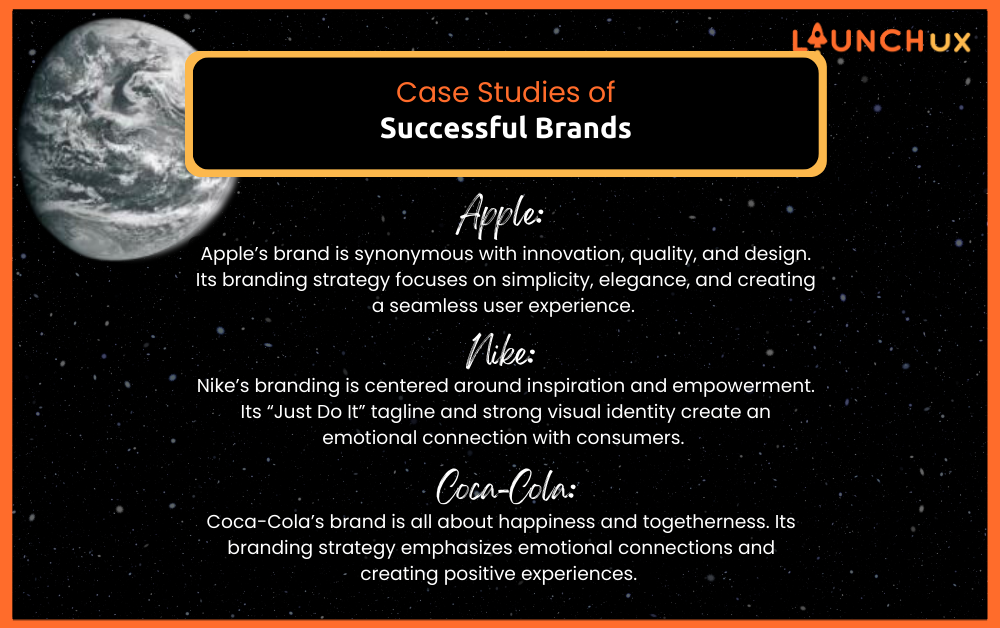
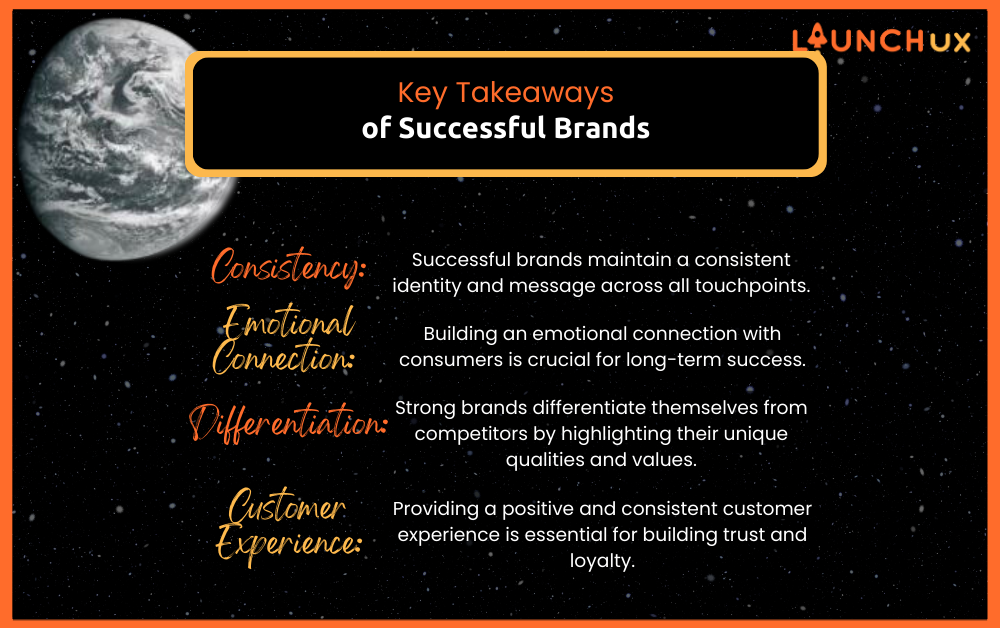
A brand is the unique identity of a business, encompassing visual elements, messaging, and customer perceptions. Branding is crucial for building trust, differentiating from competitors, creating emotional connections, and fostering customer loyalty. The branding process involves research, strategy development, design, implementation, and continuous monitoring. While branding and marketing are different, they work together to build a successful business. Examples of successful brands like Apple, Nike, and Coca-Cola illustrate the importance of consistency, emotional connection, differentiation, and positive customer experiences.

Ready to build a strong brand for your business? Contact LaunchUX today to learn how we can help you create a compelling brand identity that drives success. Our expert team is here to guide you through the branding process and ensure your brand stands out in the market. Reach out to us and start your branding journey with LaunchUX.

The Business Risk of an Old Website

Imagine waking up to find your business’s sensitive data compromised, credit card information stolen, and your website held for ransom. It’s a nightmare scenario, but for many businesses operating with outdated websites, it’s a very real risk. The digital landscape is fraught with potential hazards, and one significant business risk you don’t want to take is neglecting your website’s security. In this blog post, we’ll delve into the dangers posed by old websites and how they can put your business at severe risk.

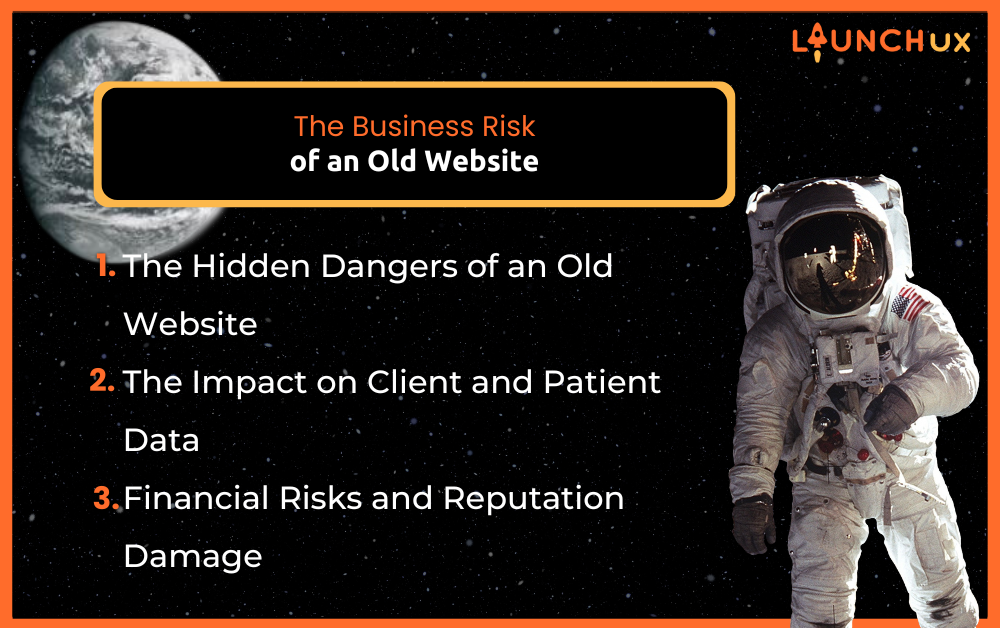
The Hidden Dangers of an Old Website

Outdated Security Protocols

One of the most significant business risks associated with an old website is outdated security protocols. Technology evolves rapidly, and so do the methods employed by cybercriminals. If your website’s security measures haven’t kept pace, it’s like leaving your front door wide open for intruders.

Outdated security protocols make it easier for hackers to exploit vulnerabilities. For instance, older versions of software might lack patches for known security flaws, providing an easy entry point for cyber attacks. Ensuring your website is running the latest software versions and security patches is crucial in mitigating this risk.

Vulnerability to Malware and Ransomware

Another critical business risk posed by old websites is the heightened vulnerability to malware and ransomware attacks. Cybercriminals often target outdated websites because they are easier to infiltrate. Once inside, they can deploy malware that can steal sensitive data or ransomware that locks you out of your own system until a ransom is paid.

A case in point is the infamous incident involving hundreds of e-commerce sites that were booby-trapped with payment card skimming malware. According to a report by Ars Technica, attackers injected malicious code into the websites, allowing them to capture payment card information as it was entered by customers. This type of attack not only compromises customer data but also severely damages a business’s reputation.

The Impact on Client and Patient Data

Data Breaches and Theft

An old website poses a significant business risk when it comes to protecting client and patient data. Data breaches are becoming increasingly common, and outdated websites are prime targets for cybercriminals looking to steal sensitive information. This can include anything from email addresses and phone numbers to more sensitive data such as medical records or personal identification details.

When your website is compromised, stolen contact form submissions can lead to a cascade of problems. For instance, if patient data is exposed, it can result in a severe breach of trust and potential legal action. Clients and patients expect their information to be safeguarded, and failing to do so can have dire consequences.

The legal and financial repercussions of a data breach are profound. Not only can you face hefty fines and legal action, but the cost of rectifying the breach can be astronomical. From hiring cybersecurity experts to rebuilding your website’s security framework, the expenses can quickly add up.

A stark example of the severe impact of cyber-attacks can be found in the latest e-commerce cyber-attacks discussed by Nox90. These attacks highlighted the vulnerabilities in outdated websites, resulting in significant financial losses and legal battles for the affected businesses. Ensuring your website is secure can save your business from these potentially crippling costs.

Moreover, data breaches can lead to a loss of business as clients and patients may seek safer alternatives, fearing for their data security. This not only impacts your current revenue but also hampers future business growth.

Financial Risks and Reputation Damage

Compromised Credit Card Information

An old website also increases the business risk of having credit card information stolen. E-commerce businesses are particularly vulnerable to this type of cyber attack. When customers make purchases on an outdated website, they trust that their payment information will be secure. However, if your site has not been updated with the latest security measures, it becomes an easy target for cybercriminals.

Compromised credit card information can lead to significant financial losses for both your customers and your business. Customers may face unauthorized charges on their accounts, leading to a loss of trust and potential legal actions against your company. For businesses, this can result in costly chargebacks, penalties, and a damaged reputation that deters future transactions.

Long-term Damage to Business Reputation

Beyond immediate financial losses, the long-term damage to your business’s reputation can be devastating. In today’s digital age, news of data breaches spreads quickly. Once word gets out that your website is not secure, it can be challenging to regain customer trust. Prospective clients and partners may view your business as unreliable or negligent, opting to take their business elsewhere.

For example, in the aftermath of a major cyber attack, businesses often find themselves under intense scrutiny. Customers demand transparency and assurance that their data is protected. If your business fails to meet these expectations, the reputational damage can have long-lasting effects, potentially leading to a decline in sales and market share.

Investing in regular website updates and security audits is essential to mitigate these risks. By proactively addressing vulnerabilities, you not only protect your financial interests but also preserve the trust and confidence of your customers.

Safeguard Your Business from Unseen Threats

An outdated website is a business risk you simply cannot afford to take. From outdated security protocols and vulnerabilities to malware and ransomware, the dangers are numerous and severe. Compromised client and patient data can lead to significant legal and financial repercussions, while stolen credit card information and long-term reputational damage can cripple your business.

Protect your business today by ensuring your website is up-to-date with the latest security measures. Regular audits and updates can help safeguard your sensitive data and maintain the trust of your customers.

Protect Your Business Today: Upgrade Your Website Security

Don’t wait until it’s too late. Contact us to learn how we can help you upgrade your website security and protect your business from these risks. Your business’s future depends on it.

What Are the Best Content Marketing Strategies for SEO?

Content marketing has become a pivotal component of any successful marketing strategy. By creating and sharing valuable content, businesses can attract and engage their target audience, building brand authority and trust. However, the true power of content marketing lies in its ability to enhance SEO efforts, driving organic traffic and improving search engine rankings. This blog will explore the best content marketing strategies for achieving SEO success, offering practical tips and insights to help you elevate your online presence.

Understanding Content Marketing

Content marketing is a strategic approach focused on creating and distributing valuable, relevant, and consistent content to attract and retain a clearly defined audience. Unlike traditional marketing, which often involves direct promotion, content marketing aims to educate, inform, and entertain the audience, ultimately driving profitable customer action. Quality content is the cornerstone of content marketing, helping businesses establish themselves as industry leaders and build lasting relationships with their audience.

The Relationship Between Content Marketing and SEO

Content marketing and SEO are intrinsically linked, with each playing a crucial role in enhancing the other. Effective content marketing can significantly impact SEO by improving search engine rankings, driving organic traffic, and increasing visibility. Keywords are at the heart of this relationship, serving as the bridge between what users are searching for and the content you provide. High-quality content that incorporates relevant keywords can boost your site’s SEO performance, making it easier for search engines to understand and rank your pages.

Best Content Marketing Strategies for SEO

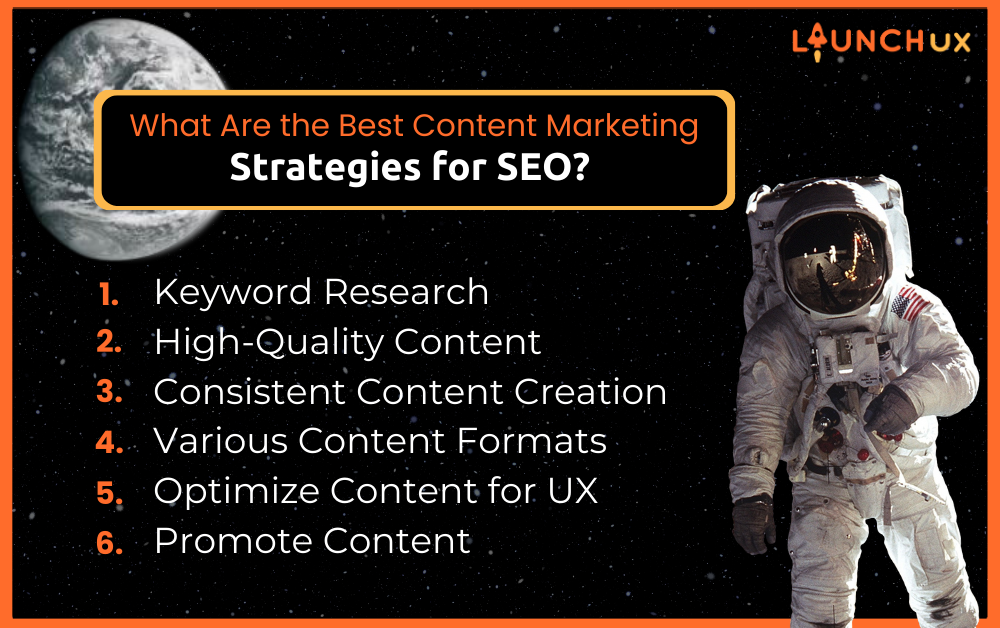
1. Keyword Research and Optimization

Keyword research is the foundation of any successful SEO strategy. By identifying the terms and phrases your target audience is searching for, you can create content that addresses their needs and interests. Tools like Google Keyword Planner, SEMrush, and Ahrefs can help you discover high-traffic keywords relevant to your industry. Once you’ve identified your keywords, optimize your content by naturally incorporating them into your titles, headings, meta descriptions, and body text. Avoid keyword stuffing, as this can negatively impact user experience and SEO.

2. Creating High-Quality, Engaging Content

High-quality content is informative, engaging, and tailored to your audience’s needs. It provides value, answers questions, and solves problems. To create such content, focus on originality, accuracy, and depth. Use a variety of content types to keep your audience engaged, such as blog posts, videos, infographics, and case studies. Incorporate storytelling to make your content more relatable and memorable. Engaging content not only attracts visitors but also encourages them to spend more time on your site, reducing bounce rates and improving SEO.

3. Consistent Content Creation and Publishing

Consistency is key in content marketing. Regularly publishing fresh content keeps your audience engaged and signals to search engines that your site is active and up-to-date. Develop a content calendar to plan and organize your publishing schedule, ensuring you consistently deliver new content. Regular updates can help you stay relevant in your industry, keep your audience informed, and improve your site’s SEO by providing more opportunities for keyword integration and backlinks.

4. Using Various Content Formats

Diversifying your content formats can appeal to different audience preferences and enhance your SEO efforts. Articles, videos, podcasts, and infographics each offer unique benefits and can reach different segments of your audience. For instance, videos can improve user engagement and increase time spent on your site, while infographics can simplify complex information and encourage social sharing. By offering a mix of content formats, you can cater to various learning styles and keep your audience engaged.

5. Optimizing Content for User Experience

User experience (UX) is a critical factor in both content marketing and SEO. A well-designed, user-friendly website can improve readability, navigation, and overall satisfaction. Ensure your content is easy to read by using clear headings, short paragraphs, and bullet points. Optimize your site for mobile devices, as mobile-friendly sites are favored by search engines and offer a better experience for users on the go. Additionally, improve page load times to reduce bounce rates and keep visitors engaged.

Promoting your content is essential for reaching a wider audience and improving SEO. Share your content across various channels, such as social media, email newsletters, and online communities. Engage with your audience by responding to comments and encouraging discussions. Building backlinks from reputable sites can also boost your SEO by signaling to search engines that your content is valuable and trustworthy. Reach out to industry influencers, collaborate with other businesses, and participate in guest blogging to acquire quality backlinks.

Measuring and Analyzing Content Performance

Tracking and analyzing your content performance is crucial for refining your strategies and achieving better results. Analytics tools like Google Analytics and SEMrush can be used to monitor key metrics, such as organic traffic, bounce rate, and conversion rate. Evaluate which content types and topics resonate most with your audience and adjust your strategy accordingly. Regularly reviewing your performance data can help you identify areas for improvement and optimize your content marketing efforts for maximum impact.

Achieving SEO Success with Content Marketing

Content marketing is a powerful tool for enhancing SEO and driving organic traffic to your website. By implementing the best content marketing strategies, such as keyword research, high-quality content creation, consistent publishing, diverse content formats, user experience optimization, and effective promotion, you can achieve SEO success and elevate your online presence. Integrating these strategies will not only improve your search engine rankings but also build brand authority and trust with your audience.

Have you tried any of these content marketing strategies? Share your experiences and tips in the comments below! For professional content marketing and SEO services, contact LaunchUX today and let us help you drive new revenue to your business.

Mastering SEO: Tips to Elevate Your Fashion Blogs

In the ever-evolving fashion world, staying ahead of the curve is essential. For fashion bloggers and business owners, this means keeping up with the latest trends and mastering the art of Search Engine Optimization (SEO). SEO might seem daunting, especially if you’re new to the digital space. However, understanding and implementing SEO strategies can significantly boost the success of your fashion blog. This blog will guide you through essential SEO tips explicitly tailored for fashion blogs, ensuring your content reaches a broader audience and stands out in a competitive market.

Understanding SEO for Fashion Blogs

What is SEO?

SEO, or search engine optimization, enhances your website to improve its visibility on search engines like Google. When people search for terms related to your content, a well-optimized blog is more likely to appear at the top of search results. For fashion blogs, your site will attract more visitors interested in the latest trends, tips, and styles you share.

Why SEO is Crucial for Fashion Blogs

Fashion is a highly competitive niche, with countless blogs vying for readers’ attention. Implementing effective SEO strategies can make the difference between your blog getting lost in the crowd and becoming a go-to resource for fashion enthusiasts. Improved SEO leads to higher search engine rankings, which translates to increased traffic, greater engagement, and, ultimately, more success for your fashion blog.

Keyword Research

Identifying Relevant Keywords

Keywords are the terms and phrases that people type into search engines when looking for content. Identifying the right keywords for your fashion blog is crucial because it helps you understand what your audience is searching for. Start with a primary keyword, such as “fashion blogs,” and then expand to related terms that capture the essence of your content.

Tools and Techniques:

  • Google Keyword Planner: This tool helps you find keywords related to your niche and shows how often they are searched.
  • Ubersuggest: Provides keyword suggestions and competitive analysis.
  • Answer the Public: Generates a list of questions and phrases people are searching for related to your keyword.

Incorporating “Fashion Blogs”: Use “fashion blogs” as your primary keyword throughout your content, for example, in titles, meta descriptions, headers, and within your articles.

Using Long-Tail Keywords

Long-tail keywords are longer and more specific phrases that visitors are more likely to use when they’re closer to purchasing or finding specific information. For instance, instead of “fashion blogs,” a long-tail keyword might be “best fashion blogs for summer trends” or “sustainable fashion blogs.”

Examples and Benefits:

  • Examples: “affordable fashion blogs,” “high fashion blogs,” “street style fashion blogs.”
  • Benefits: These keywords are less competitive, making ranking higher in search results more accessible. They also attract a more targeted audience, which can lead to higher engagement rates.

Integration: Incorporate long-tail keywords naturally into your content. Use them in blog post titles, subheadings, and articles to make your content more discoverable and relevant to specific queries.

On-Page SEO Techniques

Optimizing Content

High-quality content is the foundation of any successful fashion blog. To ensure your content is optimized for search engines, follow these key strategies:

Keyword Placement:

  • Titles and Headers: Include your primary keyword, “fashion blogs,” in the title and at least one header.
  • Meta Descriptions: Write compelling meta descriptions incorporating your primary keyword to improve click-through rates.
  • Body Content: Use the primary keyword and related terms naturally throughout your blog posts without overstuffing.

Content Quality:

  • Engaging Writing: Write in an engaging, conversational tone that resonates with your audience.
  • Value-Driven Content: Provide valuable information, tips, and insights that address your readers’ needs and interests.
  • Readability: Make your content easy to read and navigate by using short paragraphs, bullet points, and subheadings.

Image Optimization

Fashion blogs heavily rely on visual content. Optimizing your images can improve your SEO and enhance the user experience.

Best Practices:

  • High-Quality Images: Use high-resolution images that are clear and visually appealing.
  • Alt Text: Include descriptive alt text for each image, incorporating relevant keywords. For example, “street style fashion blog outfit.”
  • File Names: Rename image files to reflect the content. Instead of “IMG1234.jpg,” use descriptive names like “summer-fashion-trends-2024.jpg.”

Internal Linking

Internal linking is linking to other relevant pages within your blog. This helps search engines understand the structure of your site but also keeps readers engaged by directing them to additional content.

Benefits:

  • Improved Navigation: Helps users easily find related content.
  • SEO Boost: Distributes link equity across your site, improving the ranking potential of various pages.
  • Increased Engagement: Encourages readers to spend more time on your blog.

Strategies:

  • Contextual Links: Include links naturally within the content where relevant.
  • Related Posts: Use plugins or manually add links to related posts at the end of each article.

Off-Page SEO Strategies

Backlinks are links from other websites to your blog. They are crucial for SEO because they signal to search engines that your content is valuable and trustworthy.

Importance of Backlinks:

  • Authority: High-quality backlinks from reputable sites increase your blog’s authority.
  • Traffic: Backlinks from popular websites can drive significant traffic to your blog.
  • SEO Rankings: Search engines view backlinks as endorsements, improving your blog’s ranking potential.

How to Acquire High-Quality Backlinks:

  • Guest Posting: Write guest posts for other fashion blogs and websites, including a link back to your blog.
  • Collaborations: Partner with other fashion bloggers for joint content or projects.
  • Social Sharing: Encourage readers to share your content on social media platforms.
  • Directories: Submit your blog to reputable fashion directories.

Social Media Integration

Social media drives traffic to your fashion blog and enhances your SEO efforts. It helps increase your content’s visibility and engagement.

Role of Social Media:

  • Traffic Generation: Social media platforms like Instagram, Pinterest, and Facebook are powerful tools for attracting readers.
  • Brand Awareness: Consistent social media activity helps build your brand and attract a loyal audience.
  • Engagement: Interacting with your followers can lead to higher engagement and sharing, boosting your blog’s reach.

Tips for Promoting Your Blog Posts:

  • Visual Content: Share high-quality images and videos related to your blog posts.
  • Teasers: Post teasers or snippets of your blog content to entice followers to read the full post.
  • Hashtags: Use relevant hashtags to increase the visibility of your posts.
  • Engagement: Respond to comments and messages to build a community around your blog.

Monitoring and Analytics

Using Analytics Tools

It’s essential to use analytics tools to measure the success of your SEO efforts and make informed decisions. These tools provide valuable insights into how your blog is performing and where improvements can be made.

Introduction to Tools:

  • Google Analytics: A comprehensive tool that tracks website traffic, user behavior, and conversions. It’s free and widely used, making it an excellent starting point for beginners.
  • Google Search Console: This tool helps you monitor your site’s presence in Google search results and provides insights into search performance and indexing issues.
  • Moz and Ahrefs: Paid tools that offer advanced SEO insights, including keyword tracking, backlink analysis, and competitor analysis.

How to Track and Analyze Your Blog’s Performance:

  • Traffic Sources: Understand where your visitors come from (e.g., organic search, social media, referrals).
  • User Behavior: Monitor how users interact with your blog, including pages per session, average session duration, and bounce rate.
  • Keyword Performance: Track which keywords are driving traffic to your site and how they rank in search results.
  • Conversion Tracking: Set up goals to track specific actions, such as newsletter sign-ups or purchases, to measure the effectiveness of your SEO strategies.

Adjusting Your Strategy Based on Data

Once you have collected data from your analytics tools, it’s crucial to interpret this information and adjust your SEO strategy accordingly.

Interpreting Data:

  • Identify Trends: Look for patterns in your traffic and user behavior data to understand what is working and what needs improvement.
  • Spot Weaknesses: Identify pages with high bounce rates or low engagement and optimize them for better performance.
  • Evaluate Keywords: Regularly review your keyword rankings and adjust your content to target high-performing and relevant keywords.

Continuous Improvement:

  • Content Updates: Regularly update your blog posts with fresh content and new keywords to keep them relevant and engaging.
  • Technical SEO: Ensure your website’s technical aspects, such as site speed, mobile-friendliness, and security, are optimized for better performance.
  • User Experience: Improve the overall user experience, including site navigation, design, and readability.

Conclusion

SEO is a powerful tool for fashion blogs, helping you reach a wider audience and achieve greater success. Understanding and implementing these SEO tips can enhance your blog’s visibility, drive more traffic, and engage your readers more effectively. Remember, SEO is an ongoing process that requires patience and persistence. Stay committed to your efforts, continuously monitor your performance, and adjust your strategies based on data to achieve the best results.