
rocketfuel, Author at LaunchUX - Page 17 of 28

Author: rocketfuel

Minimalist Design: Elevating Web Presence

In the heart of clutter, simplicity sings. Today, minimalist design is not just an aesthetic choice; it’s a strategic approach to creating more impactful, user-friendly websites. As we navigate through the digital age’s complexity, minimalist design stands out by offering clarity, enhancing user experience, and focusing on what truly matters. But, what distinguishes a minimalist design from a simple website? Let’s delve deeper.

The Core of Minimalism: Principles That Guide Our Digital Craft

The Essence of Minimalism

At the heart of minimalist design lies the intentional use of essential elements to create a serene and impactful user experience. This approach focuses on the power of less to highlight more, embracing empty spaces as part of the design’s narrative to guide the user’s attention to core content and functionality. Minimalism in web design transcends mere visual aesthetics, embodying a philosophy that elevates content, usability, and the user journey. It ensures every element, from typography to color schemes, is purposeful. This approach guarantees that design choices are not arbitrary but integral to enhancing user experience. It’s about creating spaces that breathe, inviting users into a seamless interaction with the digital environment.

Minimalism vs. Simplicity: A Delicate Balance

The balance between minimalism and simplicity in web design is nuanced. Minimalism is a design approach where every element serves a strategic purpose, pushing beyond the aesthetic to enhance user engagement and focus. Simplicity, on the other hand, aims for an uncluttered interface but may not always carry the intentional depth of minimalism. Achieving the right balance in design requires careful thought on each choice’s impact on user experience. It’s crucial that the simplicity in the layout doesn’t undermine the depth of engagement. Minimalism aims to enhance, not detract from, meaningful interaction.

LaunchUX: Sculpting the Web with Precision and Purpose

From Concept to Launch: Our Blueprint for Success

From concept to launch, the journey of creating a minimalist website with LaunchUX is meticulously planned and executed. This blueprint for success begins with an in-depth research phase to understand the client’s needs, audience, and market trends. The design phase then translates these insights into a visually appealing and user-centric site. Content creation is tailored to communicate clearly and effectively, while development ensures technical precision. The launch phase is the culmination of this process, aimed at delivering a website that not only meets but exceeds expectations, ensuring it’s optimized for both users and search engines.

Why Our Methodology Matters

Our methodology stands out because it’s deeply rooted in understanding the unique needs of each project, ensuring that every website we design is not only visually appealing but also strategically effective. This approach translates into creating web experiences that are highly user-focused, SEO-friendly, and tailored to meet specific business objectives. By prioritizing both form and function, we ensure that our websites not only look great but also perform well, providing a solid foundation for our clients’ online presence.

ApolloSites: Revolutionizing the Web, One Page at a Time

Affordable Web Solutions for Every Business

At ApolloSites, we believe in making a professional web presence accessible for every business through minimalist design. Our focus on sleek, single-page websites ensures a strong first impression. Tailored for small businesses and startups, we offer affordable yet refined online solutions.

Simplified Process, Full Ownership

ApolloSites simplifies the journey to having your own website with an easy and efficient self-guided process. For a flat rate, you gain access to professionally designed layouts, SEO optimization, and essential features like Google Map integration and contact forms, all aimed at boosting your lead generation. Unlike platforms like Squarespace or Wix, with ApolloSites, you enjoy full ownership of your site, providing a solid foundation for future growth and flexibility. 

Conclusion: Charting a Path to Minimalist Elegance with LaunchUX and ApolloSites

We’ve journeyed through minimalist design, examined LaunchUX‘s tailored approach, and delved into ApolloSites’ innovative platform. Along the way, we’ve seen how simplicity, strategic design, and true ownership contribute to powerful digital experiences. Embracing minimalist design principles is not just about aesthetic appeal but about creating intuitive, user-focused websites that drive engagement and growth. LaunchUX and ApolloSites enable businesses to establish a distinctive online presence. They ensure these websites make a lasting impact in a competitive digital space. This results in memorable experiences for their audience.

Are You Ready to Simplify Your Digital Presence?

Embracing minimalist design is more than a design choice; it’s a strategic decision that can redefine your online identity. Whether you’re looking to overhaul your existing website or create a new presence from scratch, LaunchUX and ApolloSites are here to guide you towards a minimalist, impactful web presence. Reach out today, and let’s create something remarkable together.
The Double-Edged Sword of AI Integration in Web Design

I have witnessed the transformative power of technology in our industry. Artificial Intelligence (AI) is one such technology that has the potential to revolutionize web design. However, while AI integration offers numerous benefits, it also comes with significant drawbacks that can undermine the very essence of what makes web development an art and a science.

The Temptation of AI in Web Design

AI integration in web design promises efficiency, innovation, and a cutting-edge user experience. Here are some of the benefits that make AI so tempting:

  1. Efficiency and Automation: AI can automate repetitive tasks such as coding standard elements, optimizing images, and even generating content. This automation can save valuable time and resources.
  2. Personalization: AI-driven algorithms can analyze user behavior and preferences to deliver personalized content and experiences, increasing user engagement and satisfaction.
  3. Enhanced User Experience: AI can provide intelligent user interactions through chatbots, voice assistants, and adaptive interfaces, making websites more intuitive and user-friendly.

These benefits are compelling, but they come with significant caveats that any responsible web developer must consider.

The Pitfalls of AI Integration

Bloated Code: The Hidden Menace

One of the most significant issues with AI integration in web design is the potential for bloated code. AI-generated code is often far from optimal, leading to websites that are slow to load and challenging to maintain. Here’s why this is a problem:

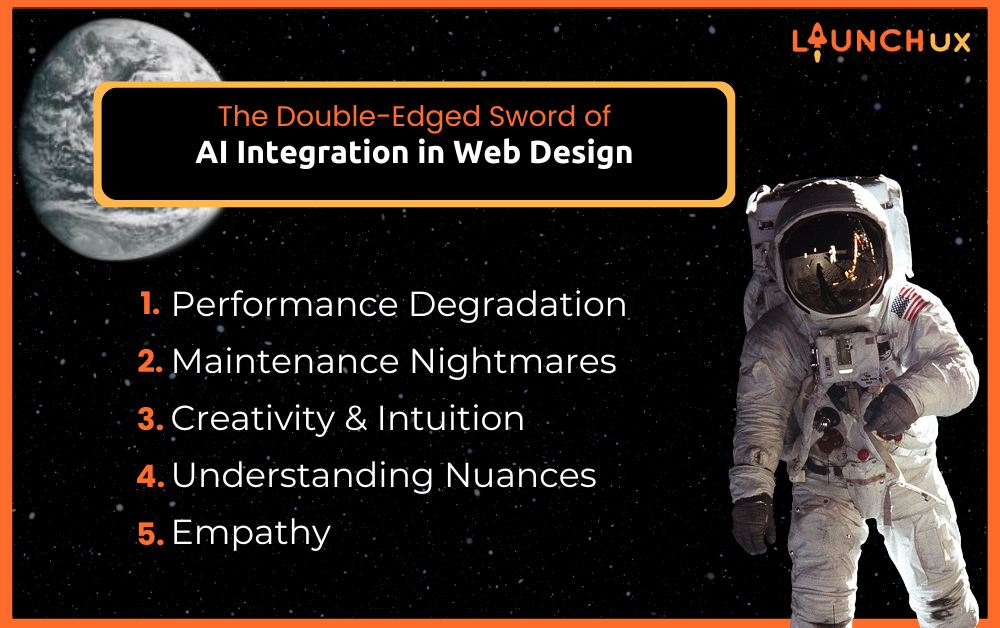
  • Performance Degradation: Bloated code can significantly slow down website performance. In an era where users expect lightning-fast load times, a slow website can lead to higher bounce rates and lost revenue.
  • Maintenance Nightmares: AI-generated code can be difficult to read and understand, making it challenging for developers to troubleshoot and update the site. This complexity can increase the time and cost associated with website maintenance.

The Human Element: Irreplaceable in Design

Web design is not just about functionality; it’s about creating an experience that resonates with users on an emotional level. This human element is something AI cannot replicate. Here are a few reasons why:

  • Creativity and Intuition: Human designers bring creativity and intuition to their work, crafting designs that evoke emotions and tell stories. AI, on the other hand, relies on patterns and data, lacking the ability to innovate in the true sense.
  • Understanding Nuances: Human designers can understand and incorporate subtle nuances in design that reflect brand identity and values. AI lacks the cultural and contextual awareness necessary to achieve this depth of understanding.
  • Empathy: A significant aspect of design is empathy – the ability to understand and cater to user needs and feelings. AI can analyze data but cannot truly empathize with users, leading to designs that may feel cold and impersonal.

The Ethical Considerations

Integrating AI into web design also raises ethical concerns. These include issues of privacy, data security, and the potential for bias in AI algorithms. As responsible developers, we must consider the implications of our choices:

  • Data Privacy: AI-driven personalization relies on collecting and analyzing vast amounts of user data. This raises concerns about user privacy and data security, particularly in the wake of increasing data protection regulations like GDPR.
  • Algorithmic Bias: AI algorithms are only as unbiased as the data they are trained on. If the training data contains biases, the AI will perpetuate and even amplify these biases, leading to unfair and potentially discriminatory outcomes.

The Importance of Human Oversight

Given these challenges, it’s crucial to emphasize the role of human oversight in the AI integration process. While AI can be a valuable tool, it should not replace human judgment and expertise. Here are some best practices to ensure a balanced approach:

  • Collaborative Approach: Use AI as a tool to augment human capabilities rather than replace them. Encourage collaboration between AI and human designers to leverage the strengths of both.
  • Rigorous Testing and Validation: Implement rigorous testing and validation processes to ensure that AI-generated designs meet performance and usability standards.
  • Ethical AI Practices: Adopt ethical AI practices, including transparency, accountability, and fairness. Ensure that AI systems are designed and deployed in a way that respects user privacy and avoids bias.

AI integration in web design is a double-edged sword. While it offers numerous benefits, it also presents significant challenges that cannot be ignored. As an expert in the field, I advocate for a balanced approach that leverages the strengths of AI while acknowledging and mitigating its drawbacks. By maintaining human oversight and adhering to ethical practices, we can harness the power of AI to create innovative, user-friendly, and responsible web designs.

What Mistakes Should You Avoid When Developing a Smart Content Strategy?

Smart content, which adapts in real-time to the individual’s needs and behaviors, represents a significant leap forward in how businesses engage with their audience. Yet, navigating the complexities of smart content can be fraught with challenges. This comprehensive guide will explore these challenges in detail, helping you to avoid common mistakes and build a more effective digital marketing strategy.

Understanding Smart Content

Smart content is designed to offer an interactive and highly personalized experience to users by automatically adjusting its form and function based on user data. This might include dynamic web pages that change based on time of day, personalized email campaigns that adapt based on user actions, or targeted offers displayed to specific segments.

The Role of Smart Content in Digital Strategy

Incorporating smart content into your marketing efforts can dramatically enhance engagement rates, improve customer satisfaction, and boost conversion rates. It acts as a bridge between data-driven insights and creative content delivery, ensuring that each user interaction is optimized for effectiveness and relevance.

Common Mistakes in Smart Content Strategy

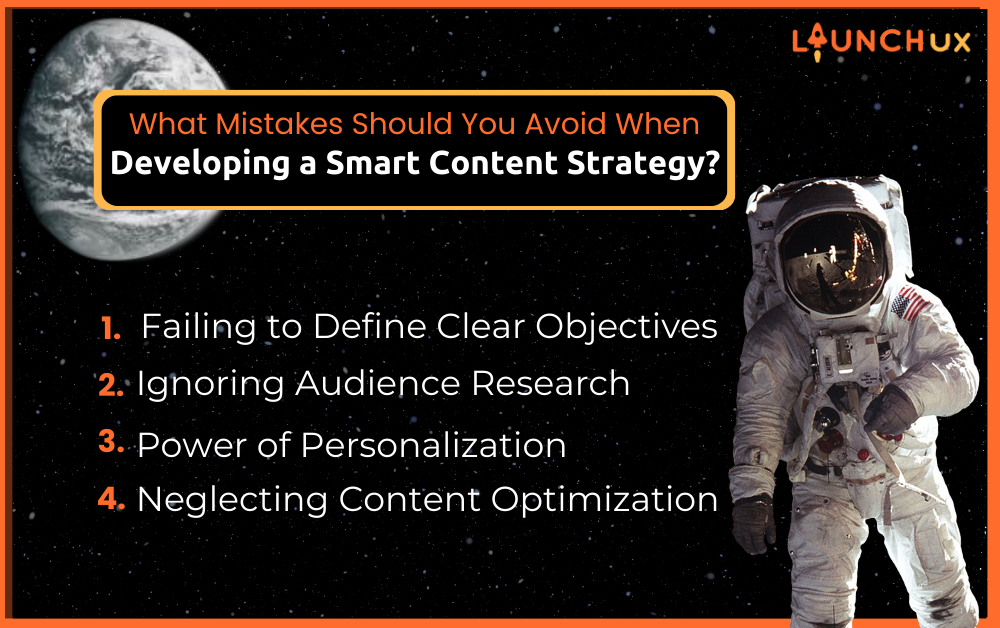
1. Failing to Define Clear Objectives

Without clear objectives, it’s challenging to gauge the success of a content strategy. Objectives should be specific, measurable, achievable, relevant, and time-bound (SMART). For instance, rather than just aiming to “increase traffic,” a better goal would be “to increase traffic by 20% within the next quarter through personalized blog content.”

2. Ignoring Audience Research

Effective smart content is rooted deeply in extensive audience research. This research should encompass a broad range of insights including demographic data, psychographic profiles, and user behavior patterns across your digital channels. Skipping this step can lead to misaligned content that does not resonate with your audience.

3. Underestimating the Power of Personalization

Personalization is more than a marketing buzzword; it’s a pivotal element of smart content. It should extend beyond surface-level adjustments to reflect deeper insights into customer behavior. For instance, instead of merely recommending products based on past purchases, you can suggest items based on predictive analysis of browsing habits and purchase history.

4. Neglecting Content Optimization for Search Engines

SEO is vital for ensuring your content reaches its intended audience. Many marketers overlook the fact that smart content must also be visible. This involves integrating target keywords naturally, optimizing images and videos, and structuring content for easy visibility and navigation.

Technical Challenges and Solutions

Overlooking Mobile Optimization

Given the predominance of mobile devices, ensuring your content performs flawlessly on mobile is non-negotiable. This means adopting a mobile-first design philosophy, compressing images to reduce load times, and testing interactive elements for mobile usability.

Poor Use of Automation Tools

Automation tools can make or break your strategy. When used correctly, they enhance efficiency and consistency. However, misuse can lead to a lack of personal touch. It’s crucial to select the right tools for automation that allow for customization and personalization at scale.

Strategic Errors to Avoid

Inconsistent Content Production

A sporadic content schedule can disengage your audience and hurt your SEO efforts. Maintaining a regular content calendar, and sticking to it, ensures your audience stays engaged and helps search engines index your site more effectively.

Not Leveraging Data Analytics

Data analytics should be at the core of your smart content strategy. It allows for the continuous improvement of your content based on real-world user engagement metrics. Regularly analyze user interactions, A/B test different content forms, and adjust your strategy based on these insights.

Best Practices for a Robust Smart Content Strategy

Integration Across Channels

Seamless integration of your smart content across all platforms ensures a unified brand experience for the user. Whether they are interacting through social media, your website, or email, the experience should be consistently personalized and reflect the core values of your brand.

Continuous Learning and Adaptation

The digital marketing landscape is constantly evolving. Staying informed about new trends, tools, and content delivery platforms is critical. Regularly participating in industry workshops, webinars, and courses can help you stay ahead of the curve.

Key Takeaways for Your Smart Content Success

By sidestepping these common pitfalls and implementing robust smart content strategies, you can significantly enhance your marketing efforts. The key lies in meticulous planning, ongoing optimization, and a relentless focus on personalization and user experience.

Take your digital marketing to the next level with LaunchUX’s expert smart content strategies. Let us help you craft personalized, dynamic content that resonates with your audience and drives your business goals. Contact us today to get started!

The Human Touch: Why AI Can’t Replace Creative SEO

In a world where technology seems to evolve at the speed of light, it’s easy to wonder if there’s any place left for good ol’ human ingenuity. Today, we’re diving deep into the heart of the matter: the intricate dance between Artificial Intelligence (AI) and the ever-essential art of Creative SEO. Buckle up as we explore why, despite the rise of AI, human creativity remains the unsung hero of the digital realm.

The Power of Creative SEO Unleashed

Beyond Keywords: Crafting a Narrative

Creative SEO isn’t just about strategically placing keywords throughout your content; it’s about weaving a compelling narrative that captivates your audience from start to finish. Think of your content as a journey. It takes your readers on an adventure filled with twists, turns, and unexpected discoveries. By crafting a narrative that resonates with your audience’s interests, aspirations, and pain points, you create an immersive experience. This experience keeps them coming back for more. Whether you’re telling the story of your brand’s origin or sharing customer testimonials, every piece of content should have a purpose. It should also have a narrative arc that guides the reader through the maze of information. This narrative should leave them feeling enlightened, empowered, or inspired. Delving into industry insights is another way to achieve this goal. In a world where attention is a precious commodity, mastering the art of storytelling is the key to capturing hearts, minds, and search engine rankings.

Connecting with Emotion: The Human Element

One of the key advantages of human-driven SEO is the ability to connect with emotions. While AI can analyze data and identify trends, it lacks the empathy and intuition required to truly understand human emotions. Creative SEO leverages the human touch to create content that not only ranks high on search engines but also strikes a chord with real people. By tapping into emotions like joy, fear, or nostalgia, brands can create content that resonates deeply with their audience. This fosters loyalty and trust.

Authenticity Matters: Building Trust and Credibility

In today’s digital landscape, authenticity is more important than ever. Consumers are inundated with advertisements and branded content, making it essential for brands to cut through the noise and establish genuine connections. Creative SEO emphasizes authenticity by focusing on creating content that is honest, transparent, and relatable. By showcasing the human side of your brand and sharing real stories and experiences, you can build trust and credibility with your audience. This ultimately drives long-term success.

The Limitations of AI in SEO

One Size Fits None: The Pitfalls of Automated Content

While AI-powered tools promise efficiency and scalability, they often fall short when it comes to producing truly original and compelling content. Automated content may tick all the SEO boxes, but it lacks the authenticity and personality that human creativity brings to the table. Generic, cookie-cutter articles may attract clicks, but they fail to engage and retain the audience. In a world where consumers crave authenticity and connection, human-driven content reigns supreme.

The Blind Spot: Context and Nuance

In the realm of SEO, context is king, and nuance reigns supreme. While AI algorithms excel at analyzing data and identifying patterns, they often struggle to grasp the subtle nuances of language, culture, and context. Humans possess a unique ability to understand the deeper meaning behind words—to read between the lines and infer intent. Creative SEO leverages this human touch to create content that resonates with its audience on a deeper level. It’s not just about using the right keywords; it’s about understanding the context in which those keywords are used and tailoring your content accordingly. Context and nuance are essential ingredients for SEO success. It involves adapting your tone for different demographics and incorporating cultural references. Additionally, addressing specific pain points and challenges is crucial. Brands can create content that ranks high on search engines by paying attention to finer details and embracing language complexities. This content resonates with real people, driving engagement, loyalty, and conversions.

Beyond the Algorithm: Embracing Creativity and Innovation

While AI can analyze data and identify trends, it lacks the creativity and innovation that drive true success in SEO. Creative SEO goes beyond the confines of algorithms and templates, empowering brands to think outside the box and experiment with new ideas and approaches. By embracing creativity and innovation, brands can differentiate themselves from the competition. They can create content that is truly unique and memorable. In a world where attention spans are short and competition is fierce, creativity is the key to standing out and capturing the hearts and minds of the audience.

Embracing Synergy: Humans and AI in Harmony

The Power of Collaboration: Humans + AI

In the dynamic landscape of digital marketing, the synergy between humans and AI holds tremendous potential for innovation and growth. AI excels at processing vast amounts of data and identifying patterns, providing invaluable insights that inform our strategic decisions. However, it’s the human touch that breathes life into these insights, transforming them into compelling narratives and creative campaigns that resonate with our audience. By leveraging AI to streamline repetitive tasks, we free up valuable time and energy. This allows us to focus on what humans do best: ideation, storytelling, and innovation. Together, humans and AI form a powerhouse team. They combine the analytical prowess of machines with the creativity and intuition of humans. This collaboration drives impactful results and shapes the future of digital marketing.

Elevating Creativity: Unleashing the Human Advantage

In the digital age, where algorithms and data reign supreme, creativity remains the ultimate differentiator. Humans possess an innate ability to think outside the box and challenge the status quo. They also push the boundaries of what’s possible. Creative SEO harnesses this human advantage, empowering brands to break free from the constraints of conventional thinking and embrace bold, innovative ideas. By unleashing our creativity, we tap into a wellspring of inspiration that fuels our content with originality, authenticity, and personality. Whether it’s through clever wordplay, striking visuals, or innovative storytelling techniques, creativity allows us to capture the imagination of our audience and leave a lasting impression. In a world where conformity is the norm, creativity is our superpower. It propels us forward, driving innovation, and setting us apart from the competition. So let’s embrace our human advantage, and together, let’s redefine what’s possible in the ever-evolving landscape of SEO.

Conclusion:

In the ever-evolving landscape of digital marketing, one thing remains constant: the irreplaceable value of human creativity. While AI may offer efficiency and automation, it’s our ability to think outside the box, connect with emotions, and tell compelling stories that truly sets us apart. So let’s embrace the human touch in SEO, weaving narratives that captivate, inspire, and drive meaningful engagement. After all, in a world dominated by algorithms, it’s the human touch that leaves a lasting impression.

Elevate Your SEO Game with Creative Genius

Ready to take your SEO strategy to the next level? Let’s join forces and unleash the power of creative genius with LaunchUX. Whether you’re a seasoned pro or just dipping your toes into the world of digital marketing, LaunchUX is here to help you craft content that stands out, resonates with your audience, and drives real results. Contact us today to embark on a journey of creativity, innovation, and digital domination. Together, we’ll redefine what it means to succeed in the ever-changing landscape of SEO.

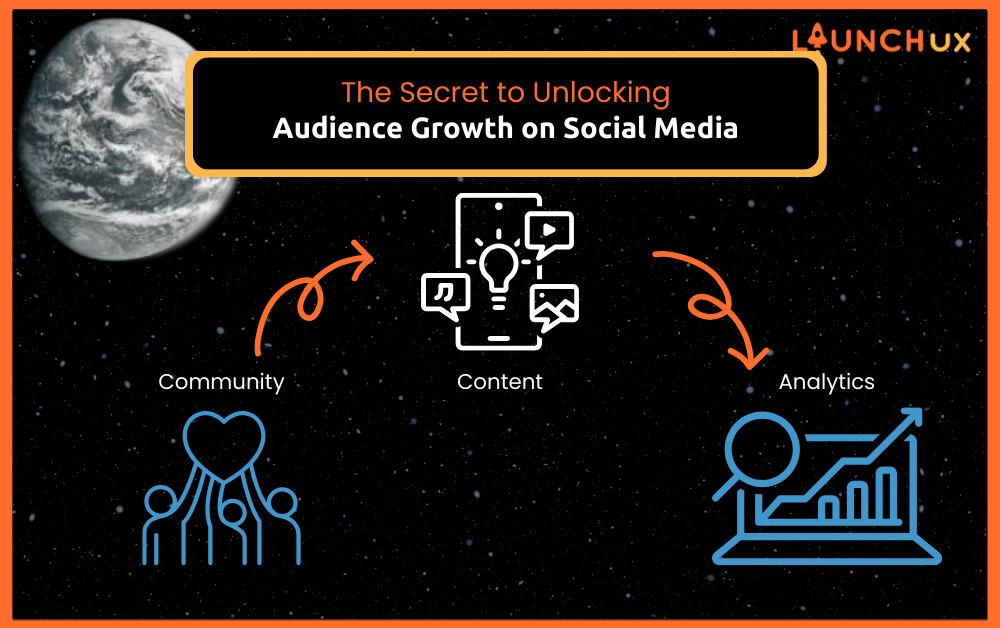
The Secret to Unlocking Audience Growth on Social Media

In the bustling world of social media, where every brand vies for attention, unlocking the secret to audience growth can feel like finding a needle in a digital haystack. Yet, it’s this very growth that has the power to transform your brand. It can shift you from being a mere participant in the social media arena to a commanding presence. Let’s embark on a journey to unravel the essence of audience growth, revealing how it can become the cornerstone of your brand’s digital strategy.

Understanding Audience Growth: The Bedrock of Your Brand’s Digital Presence

What Is Audience Growth?

Audience growth is more than just accumulating followers on social media. It symbolizes an expanding group of individuals who actively engage with your brand’s content. These people advocate for your products or services and contribute to the broader conversation surrounding your brand. This growth is not merely a reflection of popularity but an indicator of your brand’s ability to connect meaningfully with its audience. It’s about inspiring action and cultivating a sense of community among followers. Additionally, it involves building a dynamic, interactive audience that is invested in your brand’s journey.

Eager to see what you do next and ready to participate in the narrative you create, audience growth measures the vitality of your brand’s social media presence. It serves as a critical metric for understanding how effectively your brand engages with its audience and scales its influence in the digital ecosystem. In essence, audience growth isn’t solely about reaching more people. It’s about deepening connections with your audience. Ensuring that each new follower adds value to the vibrant community you’re building around your brand is crucial.

Why It Matters

Audience growth is far more than a vanity metric; it’s a lifeline to increased brand visibility, loyalty, and market influence. Each new follower signifies a potential advocate and customer, essential for amplifying your brand’s voice and bolstering word-of-mouth marketing. Moreover, a growing, engaged audience enhances your SEO, making your brand more discoverable online. This growth also offers invaluable insights into consumer preferences, guiding your strategy to meet market demands effectively. In essence, audience growth not only broadens your reach but deepens connections, transforming followers into a loyal community that propels your business forward.

Strategies to Catalyze Growth

Start with Your Community

Focusing on your community is the first step towards meaningful audience growth, acting as a cornerstone for establishing trust and loyalty. By engaging with local social media groups, participating in community events, and supporting local causes, your brand becomes an integral part of the community fabric. This deep-rooted engagement encourages community members to reciprocate, fostering organic growth through shared interests and genuine connections. It’s about transforming your brand from an outsider into a valued community member. Leveraging these authentic interactions increases visibility and builds a loyal, supportive audience.

Content that Captivates

Creating content that captivates is about sparking a conversation, evoking emotions, and inspiring your audience to engage with your brand on a deeper level. It’s a mix of art and strategy, crafting posts, videos, and stories to both inform and resonate. This means diving into the heart of what your audience cares about, using insights and analytics to tailor content that speaks directly to their interests, challenges, and aspirations. Whether it’s through compelling storytelling, interactive polls, or eye-catching visuals, the goal is clear. Your content should be so engaging that followers can’t help but interact and share. They become active participants in your brand’s narrative. In doing so, you not only boost your visibility and audience growth but also foster a sense of community where followers feel valued and heard. Effective content not only attracts attention but sustains it, turning casual viewers into committed followers and advocates for your brand.

Analytics: Your Roadmap to Success

In the journey to audience growth, analytics serve as your compass, offering clear insights into what content resonates with your audience and why. By meticulously analyzing performance data, you can identify which posts garner the most engagement. You can also discern patterns in content preferences and optimal posting times. Additionally, you can gain insights into audience demographics. This deep dive into the data allows you to tailor your content strategy precisely, ensuring that each piece of content you publish has the highest potential for impact.

Moreover, analytics can reveal emerging trends within your audience, enabling you to pivot or innovate ahead of the curve. Transforming raw data into actionable insights means using your findings to craft content that not only captivates but also converts. Embracing analytics as a fundamental part of your strategy effectively turns audience growth from an art into a science. With each decision informed and strategic, you’re equipped to foster deeper connections with your audience and accelerate your brand’s growth.

The Metric That Matters: Audience Growth Rate

Calculating Growth

The Audience Growth Rate offers a clear metric to gauge your success, calculated by dividing new followers by total followers and then multiplying by 100. This figure not only reflects your current growth but also helps inform future strategies.

Why It’s Important

Understanding your Audience Growth Rate is pivotal for fine-tuning your social media strategy, offering a transparent gauge of your brand’s ability to attract and retain followers. This metric serves as a foundation for benchmarking against competitors and setting realistic, data-driven goals. By analyzing your growth rate, you can allocate resources more efficiently, focusing on strategies that have proven to enhance engagement and expand your digital footprint.

The insights gained from tracking your Audience Growth Rate also highlight the effectiveness of specific campaigns and content strategies, guiding adjustments and improvements. Such analysis encourages a proactive approach to marketing. It also ensures that your efforts are informed by solid data. Ultimately, a deep understanding of your Audience Growth Rate is crucial. It helps maintain relevance and drive engagement. Additionally, it fosters continuous innovation in your marketing endeavors.

In Conclusion: The Path to Amplified Growth

Audience growth on social media is a testament to your brand’s ability to engage and resonate with your audience. By focusing on community, creating engaging content, and leveraging analytics, you can unlock the door to significant growth.

Let’s Ignite Your Growth Together

Embarking on your audience growth journey requires insight, strategy, and a touch of creativity. Are you ready to elevate your social media presence and transform your audience growth into a resounding success? Join us, and let’s turn your brand into a social media powerhouse.

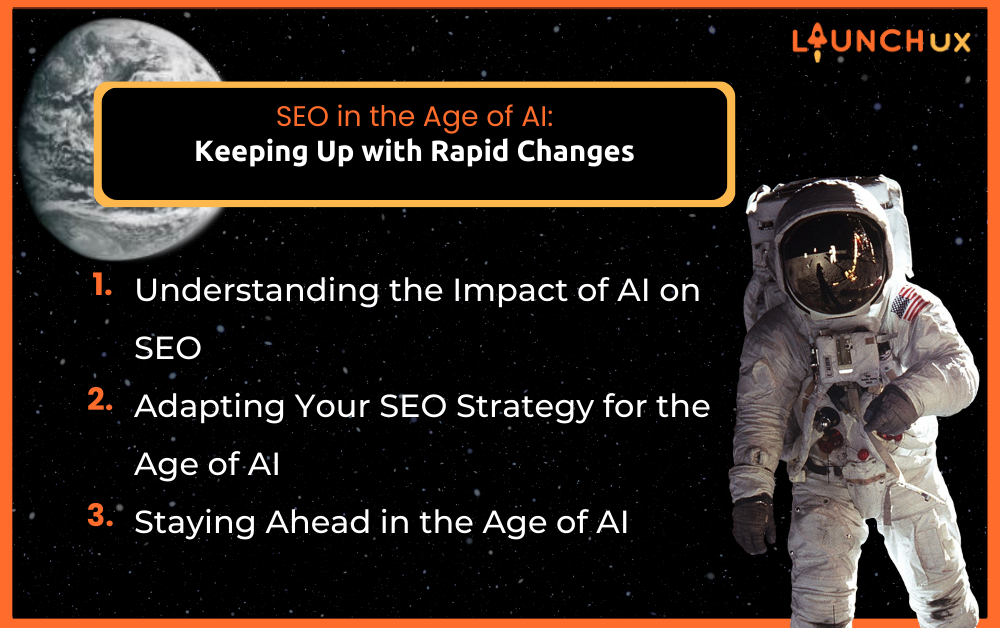
SEO in the Age of AI: Keeping Up with Rapid Changes

In the blink of an eye, the digital world shifts, and with each shift, the fusion of AI and SEO becomes more intertwined. Gone are the days when keyword stuffing and backlink farming dominated the scene. In the age of AI, outdated tactics are quickly becoming obsolete. They are being replaced by strategies that prioritize genuine user engagement and sophisticated algorithmic understanding. If you’re navigating the ever-evolving SEO landscape, this guide is your compass in the age of AI. It is designed to help you understand, adapt, and thrive in this new era.

Understanding the Impact of AI on SEO

The New SEO Landscape in the Age of AI

Artificial Intelligence is rewriting the rulebook for search engine algorithms. Google’s AI algorithm, RankBrain, is a prime example, prioritizing user experience and context over traditional metrics. This shift means SEO strategies must now accommodate semantic search and natural language processing, focusing on creating content that answers the user’s intent rather than just incorporating keywords.

AI-Powered Tools and Their Role in SEO

In the dynamic world of SEO, AI-powered tools are not just advantageous; they’re becoming indispensable. Consider the capabilities of AI-driven analytics platforms like SEMrush and Ahrefs, which go beyond traditional data analysis to offer predictive insights and trend forecasting. These tools can identify emerging keywords, assess the SEO health of your content, and even suggest optimizations in real-time. Moreover, AI applications like ChatGPT have revolutionized content strategy, enabling SEO professionals to generate ideas, titles, and even whole articles that are tailored to the nuances of search engine algorithms. But the true magic lies in personalization. AI tools can now customize user experiences, dynamically altering content presentation based on a visitor’s behavior and preferences. This approach increases engagement rates and improves SEO outcomes. By harnessing these sophisticated AI tools, SEO specialists can streamline their workflows. They also achieve a level of optimization and personalization that was once unimaginable.

Adapting Your SEO Strategy for the Age of AI

Embracing AI for Content Creation and Optimization

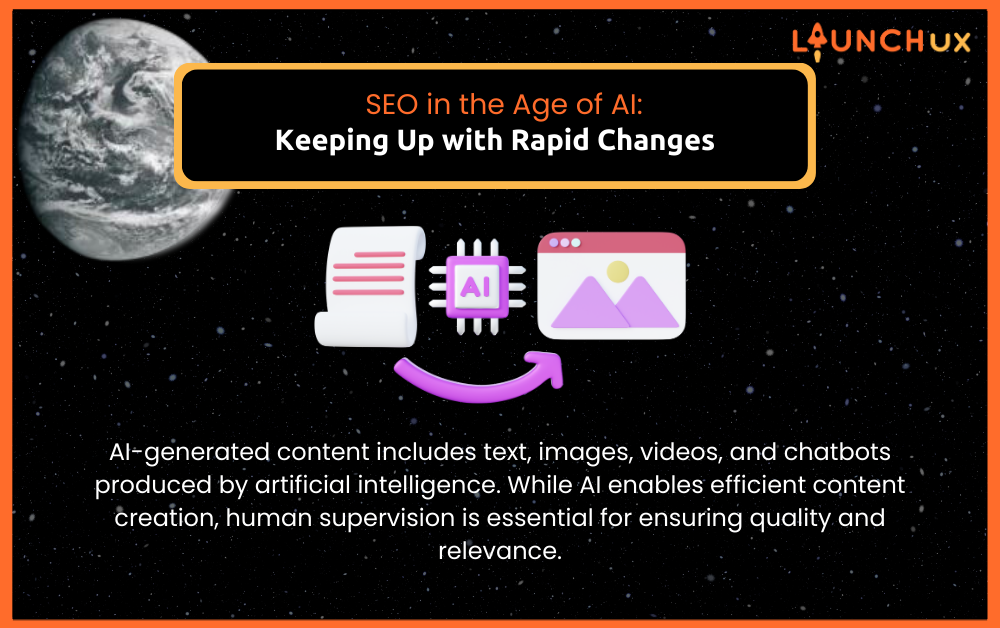
The advent of AI in content creation and optimization marks a revolutionary shift in how we approach digital content. AI streamlines the content creation process. It also elevates the quality of output to meet the sophisticated demands of modern search engines and users. By leveraging natural language generation (NLG) technologies, marketers can produce well-crafted, SEO-friendly content at scale, ensuring consistency across all digital platforms. Furthermore, AI-driven content optimization tools can analyze existing content against top-performing competitors. They highlight areas for improvement, from keyword density to readability. This level of analysis allows for strategic enhancements, ensuring that each piece of content not only resonates with the target audience but also aligns with Google’s ever-evolving algorithm standards. Embracing AI in this context does not replace human creativity. Instead, it augments it, freeing creators from the mundane aspects of SEO. This allows them to focus on innovative and engaging storytelling that truly connects with readers.

AI in Analyzing User Behavior and Search Intent

AI’s real power lies in its ability to dissect and understand complex user behavior patterns. By utilizing AI-driven analytics tools, SEO professionals can uncover nuanced insights about what users are searching for and why. This depth of understanding allows for the creation of content that not only ranks well but also fulfills the user’s informational needs, leading to better engagement and conversion rates.

Staying Ahead in the Age of AI

Continuous Learning and Adaptation

In the rapidly evolving landscape of SEO, where the age of AI ushers in new rules and tools almost daily, continuous learning and adaptation are not just beneficial; they are essential for survival and success. Engaging with ongoing educational resources, such as digital marketing courses, AI technology workshops, and SEO webinars, is crucial. These platforms provide updates on the latest trends and algorithm changes. They also offer practical advice on effectively implementing AI within SEO strategies. Furthermore, joining online communities or forums dedicated to SEO and AI can provide invaluable insights through real-world case studies and peer discussions. This ongoing learning process enables SEO practitioners to quickly pivot their strategies. They can experiment with new AI tools. Additionally, they apply innovative techniques that keep pace with the digital curve. By fostering a culture of curiosity and adaptability, professionals can transform challenges. These challenges, posed by the age of AI, become opportunities for growth and development.

Ethical Considerations and Best Practices

The integration of AI into SEO presents new ethical considerations. Ensure that your use of AI respects user privacy and adheres to data protection regulations. Be transparent about AI’s role in your content creation and SEO strategies, and always prioritize the user’s welfare and experience.

Conclusion

In the ever-evolving age of AI, the blend of artificial intelligence and SEO is reshaping the digital landscape, offering new challenges and opportunities. Adopting AI-powered tools and embracing continuous learning is no longer optional but essential for effective SEO strategies. This era demands adaptability, innovation, and a commitment to ethical practices. By staying informed and flexible, SEO professionals can navigate the complexities of modern search algorithms and meet the ever-changing needs of their audiences. As we step forward, let’s embrace the transformative power of AI with an open mind and a strategic approach, ensuring our SEO efforts are not only current but also future-ready.

Embrace the Future: Adapt Your SEO Strategy for the Age of AI

As we stand on the brink of this new era, adapting to AI’s influence on SEO becomes crucial. Partner with LaunchUX to assess and revamp your strategies, explore cutting-edge AI tools, and ensure your practices evolve with the digital landscape. With our expertise, your brand will not only survive but flourish in the age of AI.

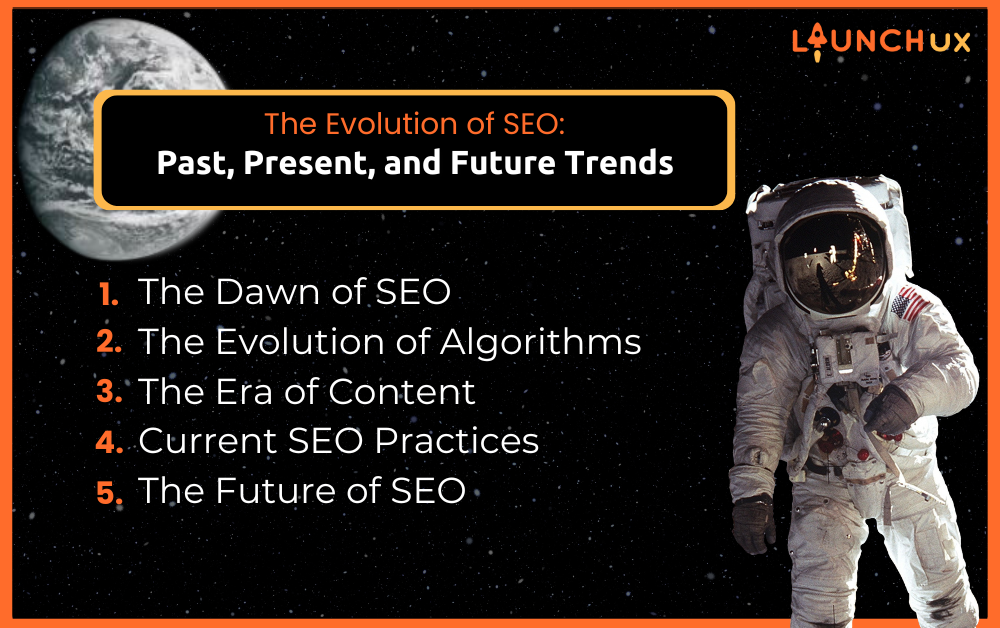
The Evolution of SEO: Past, Present, and Future Trends

In the vast digital landscape, Search Engine Optimization (SEO) stands as a beacon guiding businesses towards visibility and success. As the internet continually evolves, so does the art and science of SEO. In this comprehensive exploration, we embark on a journey through time, delving into the evolution of SEO from its humble beginnings to the future trends that will shape its trajectory.

The Dawn of SEO

The Early Days of Search Engines

The internet, once a sparse landscape, began to burgeon with information, spawning the need for tools to navigate its vastness. In the early 1990s, search engines like Archie, Gopher, and the now-famous Yahoo! emerged as pioneers, indexing and cataloging web pages. However, these primitive search engines lacked the sophistication we’ve grown accustomed to today, relying on basic algorithms to rank results.

As the internet grew in prominence, website owners quickly recognized the value of ranking higher in search results. Thus, the era of SEO was born, albeit in its crudest form. Keyword stuffing, the practice of cramming web pages with keywords to manipulate rankings, became commonplace. Additionally, backlinks, hyperlinks from other websites to your own, became a measure of a site’s authority and relevance.

The Rise of Meta Tags

Before search engines became as advanced as they are today, meta tags played a crucial role in SEO. Website owners could add metadata to their HTML code, including title tags, meta descriptions, and meta keywords, to provide search engines with more information about their content. While meta keywords are no longer as influential due to abuse by spammers, title tags and meta descriptions remain essential elements for optimizing search visibility.

Search Engines: A Historical Perspective

Understanding the history of search engines offers valuable insights into the evolution of SEO. From the early days of manually curated directories to the rise of algorithm-driven search engines like Google, each stage in the development of search technology has shaped the way we approach SEO today. By studying the successes and failures of past search engines, marketers can glean valuable lessons for optimizing content and improving search visibility in the modern era.

The Evolution of Algorithm Updates

Google Takes the Lead

In the late 1990s, a small startup named Google emerged with a revolutionary approach to search. Instead of merely counting keywords, Google’s PageRank algorithm analyzed the quality and quantity of links pointing to a page, revolutionizing search relevance. Google’s rise to prominence was swift, thanks to its unparalleled ability to deliver accurate and relevant search results.

Major Algorithm Updates

As Google’s dominance solidified, the company began rolling out major algorithm updates to combat spammy SEO tactics and improve user experience. The Panda update in 2011 penalized low-quality content, while the Penguin update targeted manipulative link-building practices. Later, the Hummingbird update introduced semantic search, enabling Google to better understand user intent and deliver more relevant results.

The Emergence of RankBrain

In 2015, Google introduced RankBrain, an AI-powered algorithm that helps interpret search queries and deliver more relevant results. RankBrain uses machine learning to analyze use behavior and refine search results in real time, making it one of the most significant advancements in SEO in recent years.

Algorithm Updates: A Constant Evolution

The evolution of SEO is in a perpetual state of flux, with search engines continuously refining their algorithms to provide users with the most relevant and useful content. Algorithm updates like Google’s BERT and E-A-T (Expertise, Authoritativeness, Trustworthiness) guidelines underscore the importance of quality content and user experience in modern SEO practices. By staying abreast of algorithm changes and adapting their strategies accordingly, marketers can maintain a competitive edge in the ever-evolving world of search.

The Era of Content and User Experience

Content is King

With the advent of Google’s algorithm updates, the focus of SEO shifted towards content quality and relevance. The mantra “content is king” became gospel, emphasizing the importance of creating valuable, engaging content that addresses the needs of users. Quality content not only improves search rankings but also fosters trust and credibility with audiences.

The proliferation of smartphones and the rise of voice assistants like Siri and Alexa have transformed the way people search. Mobile optimization became imperative as users increasingly accessed the internet on their mobile devices. Moreover, the growing popularity of voice search introduced a new paradigm in SEO, necessitating a shift toward conversations, long-tail keywords, and local optimization strategies.

User Experience and Dwell Time

As search engines became more sophisticated, factors such as user experience and dwell time (the amount of time a user spends on a page before returning to the search results) gained importance in SEO. Websites that offer a seamless browsing experience, fast load times, and relevant content tend to have higher dwell times, signaling to search engines that the content is valuable and engaging.

The Evolution of SERP Features

In addition to organic search results, search engine results pages (SERPs) now feature a variety of rich snippets, knowledge panels, and other enhanced features designed to provide users with quick answers to their queries. Optimizing content for these SERP features can significantly improve visibility and drive traffic to your website, highlighting the importance of diversifying your SEO strategy to encompass both traditional organic search and emerging SERP features.

Current SEO Best Practices

Comprehensive SEO Strategies

Today, successful SEO requires a holistic approach that encompasses on-page optimization, off-page strategies, and technical enhancements. From optimizing meta tags and headings to improving site speed and mobile responsiveness, every aspect of a website contributes to its search visibility.

The Role of AI and Machine Learning

Artificial intelligence (AI) and machine learning have emerged as powerful allies in the realm of SEO. These technologies enable marketers to analyze vast amounts of data, predict user behavior, and personalize search results. From chatbots that provide instant customer support to algorithms that generate content ideas, AI is reshaping the way we approach SEO.

Featured snippets, also known as position zero, are snippets of information that appear at the top of search results, providing users with quick answers to their queries. Optimizing content for featured snippets can increase visibility and drive traffic to your website. Additionally, rich results, such as schema markup and structured data, enhance the appearance of search listings, making them more appealing to users.

With the rise of video content and visual search technology, optimizing multimedia assets has become increasingly important in SEO. Video optimization techniques, such as creating engaging thumbnails, adding descriptive titles and captions, and optimizing video metadata, can improve visibility in both traditional search results and video-specific platforms like YouTube. Similarly, optimizing images for visual search engines like Google Images can help drive traffic and enhance the overall discoverability of your content.

The Future of SEO

As we look ahead, several trends are poised to shape the future of SEO. AI-driven content generation, video optimization, and the rise of semantic search are just a few areas that hold promise for innovation. Additionally, the continued evolution of mobile technology and the Internet of Things (IoT) will present new challenges and opportunities for SEO practitioners.

Preparing for the Future

To thrive in the ever-evolving landscape of SEO, businesses must embrace change and adapt to emerging trends. This requires a commitment to ongoing learning, experimentation, and optimization. By staying updated and innovating, businesses ensure long-term success in search.

Embracing the Ever-Evolving Terrain of SEO

The evolution of SEO is a testament to the dynamism of the digital age. SEO has transformed from a basic navigation tool to a sophisticated marketing discipline. As we move forward, it’s clear: SEO’s role in boosting online visibility and success will only grow.

Ready to navigate the evolving landscape of SEO? Contact LaunchUX for expert assistance in optimizing your website for the future. Our seasoned professionals are here to navigate SEO complexities and help you achieve your online goals.

Keyword Research: Identifying and Targeting the Right Terms

Are you ready to unlock the secrets to skyrocketing your website’s visibility? Well, buckle up because today, we’re diving deep into the world of keyword research – the cornerstone of any successful SEO strategy. If you’re not already familiar with the power of keywords, get ready to be amazed. We’re about to uncover how identifying and targeting the right terms can propel your website to the top of search engine results pages (SERPs).

The Power of Keywords

Keywords are the lifeline of SEO. They’re the words and phrases users type into search engines when seeking information, products, or services. By understanding the importance of keywords, you can tailor your content to match the intent of your target audience. Imagine you’re a traveler looking for the best pizza in New York City. You’re likely to type in a search query like “best pizza NYC.” As a business owner, wouldn’t you want your pizzeria to appear at the top of that search? That’s where effective keyword research comes into play.

Why Keyword Research Matters

Keyword research underpins the very essence of effective SEO strategies. It’s the compass guiding your digital presence amidst the vast online landscape. Without it, you’re left to navigate blindly, missing out on valuable opportunities to connect with your target audience. By delving into keyword research, you uncover the language of your audience—their queries, concerns, and desires. This insight empowers you to craft content that directly addresses their needs, boosting your visibility and relevance in search engine results. In essence, keyword research bridges the gap between your offerings and your audience’s search intent, laying the groundwork for sustainable organic growth and establishing your presence as a trusted authority in your field.

Understanding User Intent

Effective keyword research goes beyond simply identifying high-volume keywords. It’s about understanding the intent behind those keywords. Are users looking for information, seeking to make a purchase, or trying to solve a problem? By deciphering user intent, you can tailor your content to meet their specific needs, increasing the likelihood of conversion.

How to Conduct Keyword Research

Now that we’ve established the importance of keyword research, let’s explore how to do it effectively. Thankfully, numerous tools and techniques are available to streamline the process and uncover valuable insights into your target audience’s search behavior.

Utilizing Keyword Research Tools

One of the most powerful weapons in your SEO arsenal is keyword research tools. Platforms like Google Keyword Planner, SEMrush, and Ahrefs offer invaluable data on search volume, competition, and related keywords. By leveraging these tools, you can uncover hidden gems and identify lucrative opportunities to rank higher in SERPs.

Analyzing Competitor Keywords

Analyzing competitor keywords unveils invaluable insights into market dynamics and strategic opportunities. By scrutinizing rivals’ keyword strategies, you gain a clear understanding of which terms drive their traffic and engagement. Tools like SpyFu and Moz’s Keyword Explorer facilitate this competitive intelligence gathering, revealing the keywords propelling your competitors’ success. Identify gaps in their strategy, uncover niche opportunities, and refine your approach accordingly. Additionally, analyzing competitor keywords aids in benchmarking performance, allowing you to gauge your standing in the competitive landscape. Armed with this knowledge, you can fine-tune your keyword targeting, optimize content, and position your brand more effectively, ultimately gaining a competitive edge in the relentless pursuit of SEO supremacy.

Conducting Keyword Research

Keyword research is a dynamic process that involves continuous refinement and optimization. Start by brainstorming a list of relevant topics and terms related to your business. Then, use keyword research tools to expand upon those ideas, uncovering long-tail keywords and niche opportunities. Be sure to consider factors like search volume, competition, and user intent when selecting keywords for your content.

Organizing Your Keywords

Organizing your keywords effectively is pivotal for streamlining your SEO strategy. Begin by categorizing keywords based on relevance and intent. Group them into thematic clusters, ensuring each group aligns with a specific topic or aspect of your business. Utilize tools like Google Sheets or Excel to create structured lists, enabling easy reference and management. Consider organizing keywords based on the various stages of the buyer’s journey, from awareness to consideration to conversion. By categorizing and structuring your keywords strategically, you can streamline your content creation process, target specific audience segments more effectively, and optimize your website for maximum visibility and relevance in search engine results.

Tips for Effective Keyword Research

Now that you’re armed with the tools and techniques for conducting keyword research let’s delve into some pro tips to take your strategy to the next level.

Focus on Long-Tail Keywords

While short, generic keywords may have high search volumes, they’re also incredibly competitive. Instead, focus on long-tail keywords – longer, more specific phrases that are less competitive but often indicate higher intent. For example, instead of targeting “shoes,” consider targeting “best running shoes for women with high arches.”

The world of search is constantly evolving, with new trends and topics always emerging. Stay ahead of the curve by monitoring industry trends and adjusting your keyword strategy accordingly. Tools like Google Trends and BuzzSumo can help you identify rising topics and capitalize on them before the competition catches on.

Analyze and Iterate

In the dynamic realm of SEO, analysis, and iteration are the linchpins of ongoing improvement. After implementing your keyword strategy, diligent monitoring and analysis of performance metrics are crucial. Delve into analytics to discern trends, strengths, and optimization opportunities. Embrace experimentation; test new keywords, refine content, and gauge the impact of changes. Through continuous refinement, you’ll stay ahead, outpace competitors, and ensure your website’s relevance in evolving search algorithms. In SEO, stagnation equals regression; thus, leverage analysis and iteration as indispensable tools on the journey toward search engine dominance.

Conclusion:

Congratulations! You’ve now mastered the art of keyword research – a crucial component of any successful SEO strategy. By understanding the importance of keywords, leveraging powerful tools, and implementing best practices, you can propel your website to the top of search engine rankings and attract a flood of organic traffic. So what are you waiting for? Start researching those keywords and watch your website climb to new heights!

Elevate Your SEO Strategy with LaunchUX:

Ready to take your SEO game to the next level? Contact LaunchUX today to learn how our expert team can help you dominate the search results and achieve your business goals through tailored keyword research and comprehensive SEO strategies. Let’s propel your website to the top of SERPs together!

Voice Search SEO: Preparing for the AI Revolution

Are you prepared for the seismic shift happening in the world of SEO? The rise of voice search, fueled by artificial intelligence, is reshaping how users interact with search engines. In this blog post, we’ll explore the growing importance of voice search in SEO and provide actionable tips to help you optimize your content for this AI-driven revolution.

Voice Search: The Game-Changer

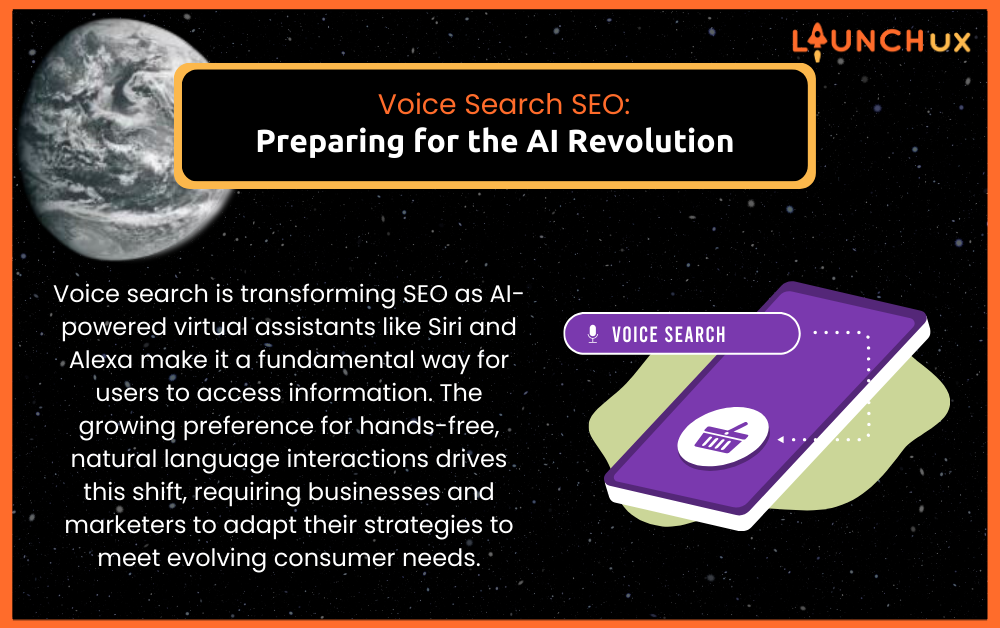
Voice search represents a seismic shift in how users interact with search engines, fundamentally altering the landscape of SEO. With the proliferation of AI-powered virtual assistants like Siri, Alexa, and Google Assistant, voice search has become more than just a convenience—it’s a fundamental aspect of how people access information in their daily lives. This shift is driven by the growing preference for hands-free, natural language interactions. It enables users to effortlessly find answers, make purchases, and perform tasks using nothing but their voice. As voice search continues to gain momentum, businesses and marketers must adapt their strategies. They need to meet the evolving needs of consumers who increasingly rely on spoken queries. These queries are used to navigate the digital world.

The Impact on SEO

The advent of voice search represents a seismic shift in the SEO landscape, necessitating a fundamental rethink of traditional optimization strategies. Voice search queries tend to be more conversational and contextually rich. They reflect the natural language patterns of users, unlike text-based queries. This shift poses both challenges and opportunities for SEO practitioners. On one hand, it requires a more nuanced understanding of user intent and behavior, as well as a greater emphasis on semantic search. On the other hand, it opens up new avenues for engagement and visibility. This is particularly true for brands that can adapt their content. They align it with the conversational nature of voice search queries. As virtual assistants become more sophisticated in understanding user queries, their importance grows. Optimizing for voice search will continue to be crucial. Businesses must stay ahead of the curve to maintain their competitive edge in the digital landscape.

1. Focus on Long-Tail Keywords

When optimizing for voice search, long-tail keywords are your best friend. These phrases are more specific and closely resemble natural language, making them a perfect match for voice search queries. Incorporate phrases like “how to,” “what is,” and “the best way to” into your content to capture the attention of voice search users.

2. Create Conversational Content

Forget about robotic-sounding keyword stuffing – the key to success in voice search SEO lies in creating content that sounds natural and conversational. Write in a friendly tone, addressing the user directly, and providing clear, concise answers to common questions related to your topic.

Featured snippets are prime real estate in the world of voice search. These concise, information-rich snippets often appear at the top of search results and are frequently read aloud by virtual assistants in response to voice queries. Structure your content in a way that answers common questions directly, increasing the chances of your content being featured in snippets.

Embracing the Future of SEO

Adaptation is Key

In the ever-evolving landscape of digital marketing, adaptability is paramount. As voice search continues to gain prominence, businesses must be proactive in adjusting their SEO strategies to align with this emerging trend. Embracing voice search isn’t just about staying relevant – it’s about future-proofing your brand against the rapid advancements in technology. By embracing change and investing in voice search optimization, you enhance your visibility in search results. You also position your brand as an innovative leader in your industry. So, don’t wait until it’s too late – now is the time to adapt and thrive in the era of voice search SEO.

Positioning for Success

In the fast-paced digital landscape, staying ahead of the curve is crucial for maintaining a competitive edge. By embracing the evolving landscape of SEO and recognizing the pivotal role of voice search in shaping user behavior, businesses can position themselves as industry leaders. Through strategic optimization of content for voice search queries, brands can enhance their visibility in search engine results. They can also foster stronger connections with their audience. By anticipating and adapting to the changing demands of consumers, companies can solidify their presence in the digital realm and capitalize on the opportunities presented by the AI revolution. With LaunchUX’s expertise and guidance, you can navigate this transformative period with confidence. Ensure that your brand remains at the forefront of innovation and success in the ever-evolving world of digital marketing.

Conclusion:

In the ever-evolving landscape of digital marketing, the rise of voice search powered by artificial intelligence represents a fundamental shift that businesses can’t afford to ignore. As users increasingly rely on voice commands to interact with search engines, optimizing content for voice search queries is essential. It helps maintain a competitive edge. By understanding the nuances of voice search SEO and implementing practical strategies, brands can enhance their visibility and engage their audience. They can also solidify their position as industry leaders. With LaunchUX’s expertise and guidance, navigating this transformative period becomes manageable. It also becomes an opportunity to thrive in the ever-evolving world of digital marketing. So, seize the moment, adapt to the changes, and position your brand for success in the era of voice search SEO.

Elevate Your Voice Search Strategy with LaunchUX

Ready to take your SEO game to the next level? Get in touch with LaunchUX‘s team of experts today and discover how we can help you dominate the world of voice search SEO. Remember, the future belongs to those who are prepared – so don’t get left behind!

What is SERP? Understanding Search Engine Results Pages

Let’s embark on a journey through the fascinating realm of SERP. We delve into the complexities of Search Engine Results Pages (SERPs). We unveil their significance in the realm of online visibility and SEO strategy. Join us as we explore how understanding SERPs can empower you. Learn how it can optimize your digital presence and elevate your website’s performance in search engine rankings.

Demystifying SERP Essentials

Understanding SERP: What Is It Exactly?

At its core, the Search Engine Results Pages (SERP) is the digital storefront where search engine users interact with the information retrieved from their queries. It serves as the gateway between user inquiries and the vast repository of content available online. When a user enters a search term or question, the search engine algorithm sifts through its index of web pages to deliver the most relevant and useful results. These results are presented in a structured format on the SERP. They typically consist of a combination of organic listings and paid advertisements. Additionally, specialized features like featured snippets and knowledge panels are included. Essentially, the SERP acts as a dynamic showcase, offering users a snapshot of the digital landscape and guiding them toward the information they seek. Understanding the fundamental role of SERP is paramount. It’s essential for anyone seeking to navigate the complexities of online visibility and develop effective SEO strategies.

Breaking Down SERP Components

SERPs consist of various elements designed to provide users with relevant and useful information. These include organic search results, paid advertisements, featured snippets, knowledge panels, local packs, and more. Additionally, each component plays a unique role in shaping the user experience and influencing their interaction with search engine results.

Leveraging SERP Insights for Effective SEO Strategies

The Role of SERP Understanding in SEO Success

The Role of SERP Understanding in SEO Success cannot be overstated. By gaining insights into the intricacies of SERPs, you gain a competitive edge in the digital arena. Understanding user intent, competitor positioning, and evolving search engine algorithms allows you to craft a targeted SEO strategy that resonates with your audience and outmaneuvers competitors. SERP understanding enables you to identify valuable content opportunities and optimize for relevant keywords. It also helps you leverage emerging trends to enhance your website’s visibility and authority in search engine rankings. Moreover, it empowers you to adapt quickly to changes in the digital landscape, ensuring your SEO efforts remain effective and yield sustainable results over time. Ultimately, a deep understanding of SERPs is the cornerstone of SEO success, guiding your decisions and actions as you navigate the complex terrain of online visibility and search engine optimization.

Optimizing Your SEO Approach for SERP Performance

Optimizing Your SEO Approach for SERP Performance involves crafting high-quality, relevant content tailored to user queries to enhance organic search visibility. Strategic keyword optimization in meta tags and descriptions boosts click-through rates and encourages user engagement. Utilizing structured data markup improves visibility in rich SERP features, while aligning content with user intent ensures resonance with target audiences, driving qualified traffic and enhancing overall SERP performance.

Navigating the Dynamic Landscape of SERP

Adapting to Emerging SERP Trends is pivotal for maintaining competitiveness in the dynamic digital landscape. One significant trend is the transition towards mobile-first indexing, highlighting the increasing dominance of mobile devices in online searches. Ensuring your website is optimized for mobile-friendliness and boasts fast loading speeds is paramount to capitalize on this trend. Furthermore, the surge in voice search optimization presents both challenges and opportunities. Understanding natural language queries and optimizing content accordingly can significantly enhance visibility in this burgeoning segment of search traffic. Additionally, the rise of zero-click searches, where users find answers directly on the SERP without clicking through to a website, underscores the importance of optimizing content for featured snippets and other rich SERP features. By staying attuned to these emerging trends, you can adapt your SEO strategy accordingly. This positions your website for sustained success amidst the ever-evolving search landscape.

Leveraging SERP Features for Enhanced Visibility

SERPs are evolving to include a variety of rich features beyond traditional organic listings. Featured snippets, knowledge panels, local packs, and image carousels are just a few examples of SERP features that can provide valuable opportunities for increased visibility and engagement. By understanding how these features work and optimizing your content to appear in them, you can enhance your website’s presence on SERPs and attract more clicks from potential visitors.

Conclusion: Harnessing the Power of SERP for Digital Success

In conclusion, understanding SERPs is essential for anyone looking to enhance their online presence and drive organic traffic to their website. By deciphering the intricacies of SERP components and leveraging insights to inform your SEO strategy, you can position your website for success in the competitive landscape of search engine results. So, equip yourself with knowledge, stay proactive, and unlock the full potential of SERP to achieve your digital objectives.

Elevate Your Online Presence with LaunchUX

Ready to unlock the full potential of your website’s visibility on SERPs? Partner with LaunchUX to develop a customized SEO strategy tailored to your unique needs and objectives. From optimizing your content for enhanced search engine visibility to leveraging the latest SERP trends and features, our team of experts is here to help you navigate the dynamic landscape of digital marketing. Take the first step towards SEO success and reach out to LaunchUX today!