
rocketfuel, Author at LaunchUX - Page 22 of 28

Author: rocketfuel

Unveiling the Palette: How to Choose Your Perfect Brand Colors

Are you on the cusp of launching your brand, ready to paint your identity onto the canvas of the business world? Congratulations! But before you jump into logo design or marketing campaigns, let’s dive into one of the foundational elements of your brand: your brand colors. Your brand colors aren’t just a visual choice; they’re the vibrant strokes of personality that will define your business, resonate with your audience, and leave a lasting impression in the competitive market. So, let’s roll up our sleeves and uncover the art and science behind choosing the perfect brand colors for your budding venture.

Understanding Color Psychology

Color Psychology: It may sound like an abstract concept, but it’s a crucial component of brand identity. Colors are more than just aesthetics; they convey emotions, evoke feelings, and leave a lasting impression. As a new business owner, understanding color psychology is your first step toward creating a powerful and memorable brand.

The Power of Red: Passion and Energy

Consider the color red. It’s associated with passion, energy, and excitement. Brands like Coca-Cola and Netflix harness this fiery hue to ignite enthusiasm in their customers. If your business exudes vigor and enthusiasm, red might be your color. This bold and dynamic choice not only grabs attention but also drives action, making it an excellent option for businesses looking to inspire action and evoke a sense of urgency.

Tranquil Blues: Trust and Dependability

Blue, on the other hand, is often linked with trust, dependability, and calmness. Tech giants like IBM and social media platforms like Facebook use blue to convey reliability and professionalism. If your brand aims to establish trust, blue could be your go-to color. Its calming effect can soothe your audience’s nerves, making them feel safe and secure when interacting with your brand. Moreover, the timeless elegance of blue ensures that your brand’s image remains enduring and trustworthy in the eyes of your customers.

Understanding Color Theory

Now that you’ve dipped your toes into color psychology, it’s time to explore color theory. This theory revolves around the color wheel, helping you choose harmonious combinations that resonate with your brand. Whether you aim for bold contrasts or subtle elegance, understanding color theory empowers you to craft a visual identity that communicates your brand’s essence with precision and style.

Complementary Colors: Vibrancy Through Contrast

Imagine a brand that wants to stand out from the competition. They might choose complementary colors, like orange and blue, to create an eye-catching contrast. This combination creates a vibrant and energetic vibe, perfect for capturing attention. The striking contrast of complementary colors not only grabs your audience’s gaze but also sparks curiosity, inviting them to explore your brand further. It’s like a visual magnet in the crowded marketplace, drawing customers toward your unique and compelling identity.

Analogous Colors: Subtle Elegance

On the other hand, a brand aiming for elegance and sophistication might opt for analogous colors. Think about shades of green and blue working together harmoniously. This combination creates a sense of cohesion and subtlety, offering a refined and composed aesthetic that appeals to a discerning audience. Analogous colors are like a symphony of hues, playing in harmony to create a visual masterpiece that excludes sophisticated and understated charm.

The Importance of Choosing the Right Colors

Choosing your brand colors isn’t just about aesthetics; it’s a strategic decision that can impact how your audience perceives your business. The right colors can even influence purchasing decisions, as studies have shown that consumers tend to favor brands with colors that align with their preferences. Moreover, they can affect website engagement, with well-chosen colors increasing the time visitors spend on your site and reducing bounce rates.

Recognition and Consistency

Consistency is key in branding. When you select your brand colors, stick with them across all your branding materials. Whether it’s your website, social media, or packaging, the consistent use of colors helps build recognition. Customers will begin to associate those colors with your brand.

Emotional Connection

Colors can evoke emotions and feelings. When customers connect with your brand’s colors on an emotional level, it creates a deeper bond. Your brand becomes more than just a product or service; it becomes a part of their lifestyle. This emotional connection can lead to loyal customers who not only choose your brand but also become advocates, spreading the word about the meaningful experience they have with your products or services. It’s a powerful way to turn customers into brand ambassadors, further enhancing your brand’s reach and impact.

Competitive Edge

In a crowded marketplace, your brand colors can set you apart. A unique color palette can make your brand instantly recognizable and memorable. It’s your chance to stand out in a sea of competitors. Moreover, by conducting thorough market research and staying attuned to color trends, you can adapt your brand colors to remain fresh and appealing, ensuring that your business maintains its competitive edge over time.

Conclusion: A World of Possibilities

Choosing your brand colors isn’t a task to be taken lightly. It’s a blend of science and art, where color psychology and color theory meet to craft your brand’s visual identity. These choices will resonate with your audience, create a lasting impression, and set the tone for your business.

So, new business owner, as you embark on your entrepreneurial journey, remember that your brand colors are more than just pretty hues—they’re the brushstrokes that paint the masterpiece of your brand’s story. Dive into the world of color psychology and color theory, and craft a brand that leaves an indelible mark on your audience. The color palette is your canvas; now, it’s time to paint your brand’s vibrant future.
Why Are Local Business Listings Essential for SEO?

In the dynamic realm of online marketing, staying ahead is vital for enhancing online presence. One tried-and-true strategy that continues to be indispensable for local businesses is optimizing their local business listings. Let’s explore the importance of local business listings for SEO and how they can impact your online visibility.

What Are Local Business Listings?

Before delving into why local business listings are essential for SEO, let’s clarify what they are. Local business listings, also known as online directories, are digital profiles of businesses that provide essential information such as the business name, address, phone number (often referred to as NAP), website URL, hours of operation, and a brief description of the business.

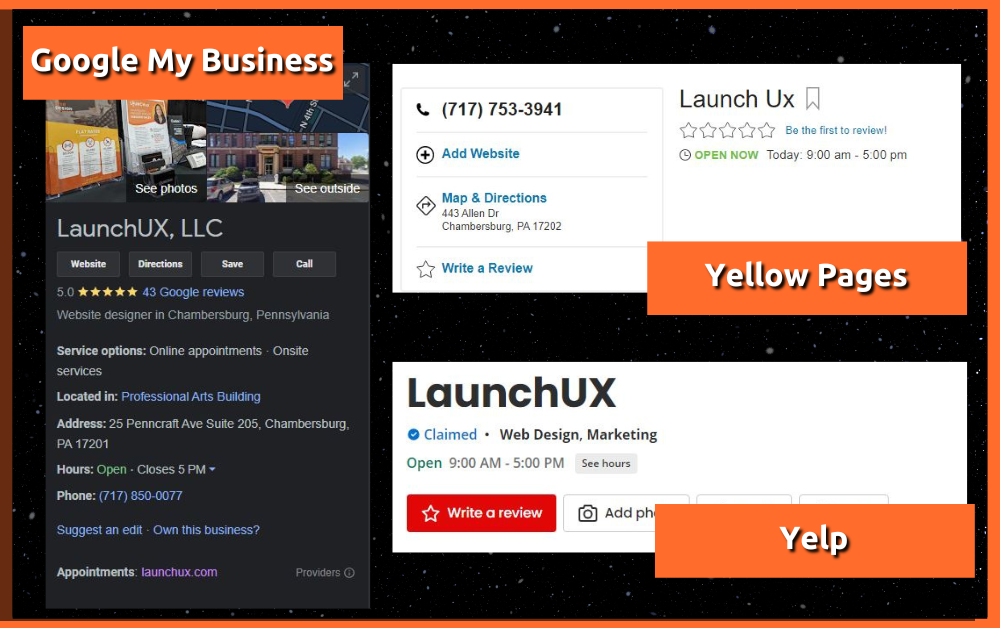
These listings are found on various platforms, including Google My Business, Yelp, Facebook, Yellow Pages, and numerous industry-specific directories. They serve as online references for consumers searching for local products and services.

The Local Search Landscape

With the rise of mobile devices, voice search, and location-based services, the significance of local search has surged. Today, more than ever, consumers are using search engines to find nearby businesses. This shift in consumer behavior has made local SEO a critical component of a successful online strategy.

Local business listings play a pivotal role in local SEO by helping search engines understand the relevance and location of your business. When you optimize these listings correctly, your business is more likely to appear in local search results, leading to increased visibility and potential customers.

Benefits of Local Business Listings for SEO

Now that we’ve established what local business listings are and the importance of local search, let’s explore the key benefits of optimizing your business listings for SEO:

Improved Local Search Rankings

When you optimize your business listings, search engines are more likely to consider your business as a relevant result for local queries. This can lead to higher rankings in local search results, putting your business in front of potential customers at the moment they actively seeking your products or services.

Increased Online Visibility

Local business listings appear not only in search engine results but also on various directories and map services. By ensuring your business is listed accurately and consistently across these platforms, you increase your online visibility and make it easier for potential customers to find you.

Enhanced User Experience

A well-optimized business listing provides users with essential information about your business, such as your location, hours of operation, contact details, and customer reviews. This enhances the user experience and helps potential customers make informed decisions about engaging with your business.

Trust and Credibility

Having accurate and up-to-date business listings instills trust and credibility in your brand. Consumers are more likely to choose businesses with complete and consistent information in their listings, as it demonstrates professionalism and reliability.

Competitive Advantage

Optimizing your local business listings gives you a competitive edge. If your competitors have neglected their listings or have inconsistent information, you can stand out as the go-to choice for local customers searching for your products or services.

Mobile and Voice Search Optimization

As mobile and voice search continues to gain prominence, local business listings become even more critical. When someone asks their voice assistant to find a nearby coffee shop or dentist, accurate business listings are essential for ensuring your business is among the top results.

How to Optimize Your Local Business Listings for SEO

Now that you understand the importance of local business listing for SEO, let’s explore how to optimize them effectively:

Claim and Verify Your Listings

Start by claiming and verifying your business listings on major platforms like Google My Business, Yelp, and Bing Places for Business. This process ensures you have control over your listing and can update it as needed.

Consistency Is Key

Ensure that your business name, address, and phone number (NAP) are consistent across all listings and your website. Inconsistent information can confuse search engines and harm your SEO efforts.

Provide Detailed Information

Fill out every available field in your business listings, including your website URL, hours of operation, categories, and a compelling business description. The more information you provide, the easier it if for potential customers to find and contact you.

Use High-Quality Images

Include high-quality images of your business, products, and services in your listings. Visual content can significantly impact user engagement and interest.

Encourage Customer Reviews

Actively encourage satisfied customers to leave reviews on your business listings. Positive reviews not only build trust but also improve your search ranking.

Monitor and Update Regularly

Regularly monitor your listings for accuracy and update them whenever there are changes in your business information. This ensures that potential customers always have the most up-to-date details.

The LaunchUX Advantage

At LaunchUX, we understand the critical role that local business listings play in enhancing your online presence and SEO performance. Our team of experts specializes in driving new revenue to your business through effective website design and SEO strategies.

If you’re ready to harness the power of local business listing for SEO and elevate your online visibility, contact us today. Let us help you take your business to new heights and connect with local customers actively searching for your products or services.

Advanced Strategies for Local Business Listings

To further explore the topic of local business listings and SEO, let’s dive into some advanced strategies and insights. These tactics can help you maximize the benefits of local business listings and stay ahead of the competition.

Leverage Schema Markup

Schema markup, also known as structured data, helps search engines better understand the content of your listings. By incorporating schema markup into your business listings, you can provide additional information such as product details, reviews, and event information. This can enhance your visibility in search results and increase click-through rates.

Monitor and Respond to Reviews

While we mentioned the importance of encouraging positive reviews, it’s equally essential to monitor and respond to all reviews, including negative ones. Addressing negative reviews professionally and promptly demonstrates your commitment to customer satisfaction and can help mitigate any potential damage to your online reputation.

Explore Paid Local Advertising

In addition to optimizing your organic local listings, consider investing in paid local advertising campaigns. Platforms like Google Ads offer options to promote your business in local search results and maps, increasing your visibility even further.

By incorporating these advanced strategies into your local business listing optimization efforts, you can take your SEO game to the next level and enjoy even greater online success.

A Holistic Approach to Local SEO

In today’s digital landscape, local SEO success requires a holistic approach that combines the optimization of local business listings, content marketing, and ongoing measurement of key performance indicators. By following the strategic outlines in this comprehensive guide and adapting to evolving trends, you can position your business for sustained growth and online prominence.

Remember, the digital world is ever-changing, and staying ahead of the competition requires ongoing effort and adaptation. If you’re seeking expert guidance and support to navigate the complexities of local SEO and maximize your online presence, LaunchUX is here to assist you.

With LaunchUX as your partner, you can unlock the full potential of local business listings, content marketing, and SEO. Contact us today to take the next step towards achieving your online marketing goals and connecting with local customers actively searching for your products or services.

Single Page Website Development

The digital world has seen a surge in the popularity of single-page websites, largely driven by frameworks like Angular, React, and VueJS. These websites are characterized by having all content on a single page, with navigation linked to different sections rather than separate pages. While this trend is praised for its simplicity and efficiency, it’s crucial to understand why traditional multi-page web development might still be the better choice for certain projects.

Understanding Single Page Websites

The Appeal of Single Page Applications (SPAs)

Single Page Applications (SPAs) offer a streamlined, linear experience. Users enjoy a smooth, uninterrupted interaction as they scroll through content, with no need to load new pages. This approach can lead to faster website load times and a more cohesive user journey, particularly for storytelling or presenting a portfolio.

Key Frameworks in SPA Development

Frameworks like Angular, React, and VueJS are the driving forces behind SPAs. They provide the tools and structures necessary to create dynamic, responsive websites. These frameworks have been instrumental in popularizing the SPA model due to their ability to handle data efficiently without requiring page refreshes.

The Case for Traditional Web Development

Enhanced SEO and Discoverability

One of the key advantages of traditional multi-page websites is their SEO friendliness. Unlike single page websites search engines typically favor multi-page structures due to their clear hierarchy and greater depth of content. Each page can be optimized for different keywords and topics, enhancing the site’s overall discoverability and ranking.

Improved User Experience for Complex Sites

For websites that require a lot of content, such as e-commerce sites or large corporate websites, a multi-page structure can significantly improve user experience. It allows for more organized content, easier navigation, and clearer calls to action. Users can find specific information more efficiently, which is crucial for sites where user journey and information discovery are key.

Scalability and Flexibility

Multi-page websites offer greater scalability and flexibility. As a business grows and its needs evolve, expanding and updating a multi-page website is easier. Adding new products, services, or content sections is more straightforward and does not require overhauling the entire site structure.

While single page websites offer an attractive solution for simplicity and efficiency, they are not the best choice for every project. At LaunchUX, we believe in balancing the latest trends with practical considerations like SEO, user experience, and scalability. Traditional multi-page web development still holds significant advantages in these areas, making it a preferred choice for businesses looking to build a robust, effective online presence. As the web continues to evolve, choosing a web development approach that aligns with your business goals and audience needs is essential.

Dark Mode, an Enhanced User Experience

Dark mode has rapidly gained popularity in web design, becoming a feature that users actively seek and appreciate. This design trend, characterized by a dark color scheme replacing the traditional light backgrounds, is more than just an aesthetic choice. It offers a user-friendly interface that reduces eye strain and improves accessibility, making it effective across various devices.

Understanding the Appeal of Dark Mode

Benefits for User Health and Comfort

One of the primary advantages of dark mode is its potential to reduce eye strain, particularly in low-light environments. The darker color palette minimizes the light emitted by screens, making it more comfortable for users to view content for extended periods. This is particularly beneficial for users who spend a lot of time on their devices, whether for work or leisure.

Energy Efficiency and Device Longevity

Dark mode can also contribute to energy efficiency, especially on devices with OLED or AMOLED screens. These screens turn off black pixels, meaning that dark mode can reduce power usage, thereby extending battery life. This energy-saving aspect is increasingly important as users become more environmentally conscious and dependent on their mobile devices.

Dark Mode in Web Design: Practical Considerations

Enhancing Aesthetics and Focus

Incorporating dark mode into web design can enhance a website’s aesthetic appeal. It allows for a more modern, sleek look and can make certain design elements stand out more vividly. Additionally, the reduced glare and contrast can help users focus better on the content, improving overall engagement.

Challenges in Implementation

While dark mode offers numerous benefits, implementing it in web design has challenges. Designers must ensure that readability and contrast are maintained. Colors, images, and other design elements must be carefully adjusted to suit the dark theme without losing their effectiveness.

Your Partner in Dark Mode Integration

Consultation and Customization Services

If you’re looking to update your website’s user interface to include dark mode, LaunchUX is here to assist. Our team of experienced designers understands the nuances of integrating dark mode effectively. We can help customize a dark mode that looks great and enhances your website’s usability and user experience.

Tailored Solutions for Your Website

We recognize that each website has unique requirements and audience preferences. Our approach is tailored to fit your specific needs, ensuring that the dark mode integration enhances your site’s functionality and aligns with your brand identity.

A Step Towards Future-Ready Web Design

Dark mode is more than a trend; it’s a step towards creating more user-centric and energy-efficient web experiences. By embracing dark mode in web design, businesses can offer their users a more comfortable, engaging, and visually appealing experience. If you’re considering integrating dark mode into your website, LaunchUX is ready to guide you through the process, ensuring a seamless and impactful update to your user interface. Let’s talk and take your website to the next level of user experience.

Using Gravity Forms in Website Development

Finding tools that seamlessly integrate functionality with user-friendliness is key. At LaunchUX, we’ve found this balance and will explore various products in our upcoming series. In this segment, we are going to talk about Gravity Forms and why it is a tool we like to keep in our arsenal for clients. We’ve had nothing but positive experiences since we started exploring the product. Our extensive use of this dynamic plugin over the years has streamlined our development process. It has also enhanced our clients’ digital experiences.

Why Gravity Forms is our preference

Gravity Forms isn’t just any form builder; it’s a pivotal element in creating interactive and effective WordPress websites. Our agency’s reliance on this tool underscores its versatility and efficiency in web development. We personally use Gravity Forms to handle complex workflows, sending in support requests, following up, and logging potential leads into our CMS.

Ease of Use for Developers and Clients

What truly distinguishes Gravity Forms in the competitive landscape of form-building tools is its remarkably intuitive design. Developers and clients alike can easily select, place, and rearrange fields and elements on their forms, all with a simple movement of the mouse. This visual approach to form building is efficient, streamlining the process. It also demystifies form creation, making it more accessible for those with limited technical expertise.

This intuitive design extends beyond just the placement of fields. It encompasses a wide range of functionalities that are crucial for diverse form requirements. Gravity Forms enables the addition of basic contact fields and more complex elements like sliders or file uploads. Its user-centric interface also supports advanced features like conditional logic. The ability to see these changes in real time, as they’re being made, further adds to the convenience, allowing both developers and clients to immediately understand and visualize the impact of their modifications.

Extensive Integration Options

The true power of Gravity Forms in a development environment is illuminated by its extensive integration capabilities. Gravity Forms excels by offering seamless integration with a multitude of platforms. This includes, but is not limited to, popular CRM systems like Salesforce and HubSpot, email marketing platforms such as MailChimp and AWeber, and payment gateways like PayPal and Stripe.

These integrations are vital for businesses looking to automate and streamline their processes, from lead generation to payment processing.

Leveraging Zapier for Automation


Integrating Gravity Forms with Zapier has indeed revolutionized the way we approach web development and client solutions at LaunchUX. Zapier, known for its ability to connect different web applications and automate workflows, acts as a powerful ally when paired with Gravity Forms. This integration unlocks a myriad of possibilities, transforming how we manage data and streamline processes both internally and for our clients.

When it comes to client services, this integration has allowed us to offer more sophisticated and seamless web solutions. We can create forms that trigger automated workflows specific to each client’s business needs. For example, A restaurant’s online reservation form can automatically send details to the customer and restaurant manager, and update the booking system. Additionally, it can send a reminder to the customer on the day of their reservation. This kind of automation not only saves time but also enhances the customer experience, leading to increased satisfaction and loyalty.

The versatility of the Gravity Forms-Zapier integration lies in its customizability. Each business has unique needs and processes, and this combination allows us to tailor automated workflows that fit precisely with those requirements. Integrating with specific CRM systems, triggering custom email sequences, and connecting with accounting software for invoice generation are just a few possibilities. These options offer almost limitless potential. This adaptability is crucial in delivering value-added services that go beyond basic web development.

Reliability and Support

As a premium plugin, Gravity Forms offers the reliability and ongoing support essential in a professional setting. Regular updates and accessible support ensure the plugin remains compatible with the evolving WordPress platform, which is crucial for maintaining and improving our clients’ websites.

Plus developers like LaunchUX have worked with plugins like this extensively and can often provide support too, especially if you want something fairly custom.

Voice User Interface Technology in Web

Voice User Interface (Voice UI) technology is rapidly emerging as a transformative tool in web accessibility. By allowing users to interact with web applications using voice and natural language commands, Voice UI is breaking down barriers and creating a more inclusive digital environment. This technology represents more than just convenience; it’s essential for inclusive digital access. It ensures that people of all physical abilities can benefit from digital content.

Understanding Voice UI and Its Impact

The Basics of Voice User Interface

Voice UI technology leverages speech recognition and natural language processing to understand and respond to voice commands. This enables users to interact with and control web applications using spoken words, enhancing web accessibility. It’s particularly beneficial for those with visual impairments or physical limitations that hinder traditional navigation.

The Importance of Inclusivity in Web Design

Inclusivity in web design is more critical than ever. With the internet being an integral part of daily life, ensuring everyone can access and use web services is not just a matter of convenience but a fundamental right. Voice UI plays a pivotal role in this by providing an alternative way to interact with web content, thereby expanding the reach of the digital world to a broader audience.

The Benefits of Implementing Voice UI

Enhanced User Experience for a Wider Audience

Voice UI can significantly enhance the user experience, offering a more natural and intuitive way of interacting with websites. It’s particularly beneficial for users who find it difficult to use a mouse or keyboard, including the elderly and those with certain disabilities.

Meeting Accessibility Standards

Implementing Voice UI can help websites meet and exceed accessibility standards, such as the Web Content Accessibility Guidelines (WCAG). By incorporating voice navigation, websites can ensure they comply with legal and moral obligations to provide accessible digital content.

Challenges in Implementation

Ensuring Accuracy and Efficiency

One of the primary challenges in implementing Voice UI is ensuring the accuracy and efficiency of voice recognition. This requires a deep understanding of natural language processing and a commitment to continuously improving the system based on user feedback and technological advancements.

Balancing Voice and Traditional Navigation

Integrating Voice UI doesn’t mean abandoning traditional navigation methods. Maintaining a balance is crucial, offering users the choice of how they wish to interact with the website. This dual approach ensures that the website remains accessible and user-friendly for all visitors.

Voice UI as a Gateway to Greater Accessibility

Voice UI technology is more than a trend; it’s a gateway to a more accessible and inclusive digital world. By embracing it, web designers and developers can create websites that are functional and user-friendly and accessible to a broader range of users. As technology continues to evolve, the integration of Voice UI in web design is becoming essential to creating an inclusive internet for all.

Embracing Mobile-First Development

Smartphones are nearly ubiquitous as wristwatches, and the approach to web design has pivoted dramatically. At LaunchUX, we recognize and adapt to this shift by placing mobile-first development at the core of our design philosophy. This isn’t just a trend—it’s a response to the evolving way users interact with the web. Consequently, our designs are both visually appealing and functional across devices, preparing for the next digital innovation wave.

Understanding Mobile-First Design

Building for the Smallest Screen First

The principle of mobile-first design is straightforward: prioritize the mobile experience in your design process. This approach doesn’t just cater to the growing number of mobile users; it also leads to cleaner, more focused web designs. By starting with the most restrictive platform, we ensure that essential features and content are emphasized, and superfluous elements are eliminated.

Prioritizing Performance in a Mobile Context

Performance is paramount in mobile-first design, particularly because mobile users often access the web in varying network conditions. At LaunchUX, we pay close attention to optimizing elements like image sizes, script loading, and overall website architecture to ensure that our websites load quickly and run smoothly on mobile devices, thus enhancing user experience and engagement.

Tackling Mobile Design Challenges

Creativity Within Constraints

Designing for mobile means embracing constraints as opportunities for innovation. Limited screen space demands a focus on what’s truly important. Therefore, we achieve this by employing responsive design principles, using scalable vector graphics (SVGs), and creating intuitive navigation that ensures a seamless and engaging user experience on any device.

Consistency Across Devices

A cohesive experience across all devices is crucial. We rigorously test our designs on various platforms to ensure that visual elements, functionality, and content delivery are consistent. This approach not only strengthens brand identity but also builds user trust, as they receive a familiar and reliable experience on any device they choose to use.

The LaunchUX Method in Mobile-First

Embracing Advanced Mobile Capabilities

Our mobile-first designs go beyond scaling down desktop versions. We integrate mobile-specific functionalities like swipe gestures, geolocation services, and camera integration to leverage the full potential of mobile devices. This forward-thinking approach ensures that our websites are not just compatible with mobile devices but are truly optimized for them.

Continuous Evolution and Adaptation

The digital landscape is continually changing, and so are mobile design best practices. At LaunchUX, we’re committed to staying ahead of the curve, regularly updating our methodologies and conducting thorough testing to ensure our designs not only meet but exceed current standards and user expectations.

Embracing the Future with Mobile-First

The move to mobile-first isn’t just a shift in design strategy; it’s a commitment to meet users where they are. At LaunchUX, we’re dedicated to crafting web experiences that are not only visually stunning but also functionally robust on mobile devices. If you’re looking to elevate your web presence with a mobile-first approach, let’s connect and explore how we can transform your digital footprint together.

What Role Do Keywords Play In Search Engine Rankings?

In the vast digital landscape, where countless websites are vying for users’ attention, the importance of search engine rankings cannot be overstated. It’s the difference between being discovered by potential customers and languishing in obscurity. But what fuels these rankings? The answer lies in a single word: “Keywords.” In this comprehensive guide, we’ll delve into the critical role that keywords play in determining your website’s position in search engine results pages (SERPs).

Understanding Keywords

Before we explore how keywords influence search engine rankings, let’s start with the basics:

What Are Keywords?

Keywords, in the context of SEO (Search Engine Optimization), are specific words or phrases that users enter into search engines when looking for information, products, or services. These words act as digital signposts, guiding search engines to relevant web pages.

The Keyword Ecosystem

Keywords exist in an intricate ecosystem, comprising primary, secondary, and long-tail keywords. Primary are the main topics you want your website to rank for, secondary are related to primary ones, and long-tail are highly specific phrases.

The Role of Keywords in SEO

Now that we understand what keywords are, let’s explore their pivotal role in SEO and search engine rankings:

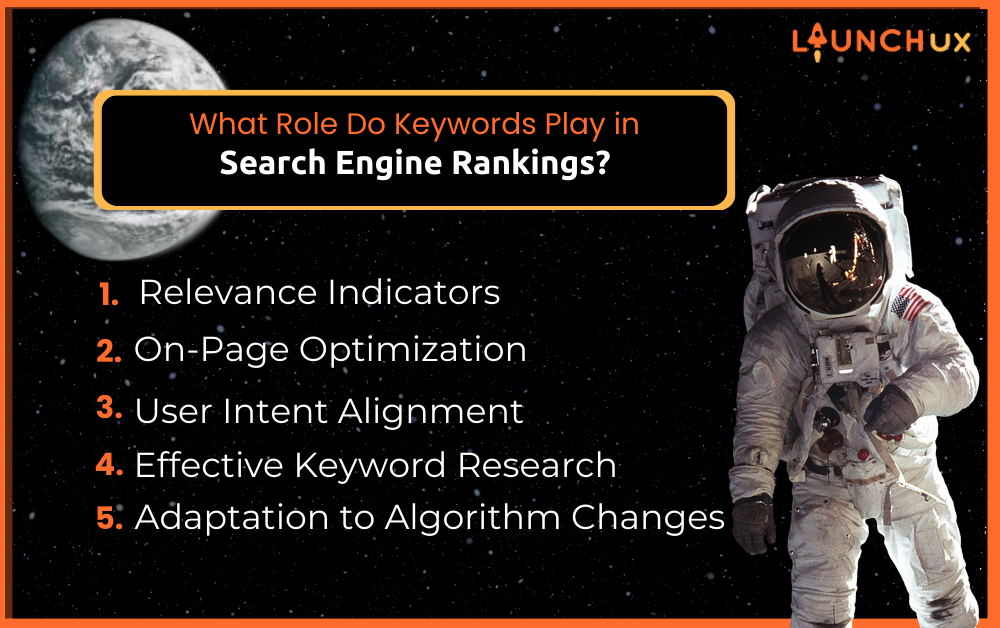
Keywords as Relevance Indicators

Search engines like Google aim to provide users with the most relevant results for their queries. Keywords are the primary indicators of a web page’s relevance. When your content aligns with the keywords users type into search bars, it signals to search engines that your page may have the answers users seek.

On-Page SEO with Keywords

Keywords are integrated into various on-page elements, including:

  1. Title Tags: Your page’s title tag is often the first thing users see in search results. Including relevant keywords here not only boosts rankings but also entices users to click through.
  2. Meta Descriptions: Meta descriptions should be compelling and contain keywords. They serve as a snippet of what your page offers, enticing users to visit your site.
  3. Header Tags: Header tags structure your content and provide search engines with an idea of your content’s hierarchy. Incorporating keywords into headers helps search engines understand your content’s organization.
  4. Content Body: The main body of your content should naturally incorporate keywords without overloading. Quality content that meets user intent is paramount.
  5. URL Structure: Including keywords in your URL structure can also positively impact SEO.
  6. Image Alt Text: Optimizing image alt text with relevant keywords enhances accessibility and SEO.

Keywords and User Intent

Understanding user intent is essential when choosing keywords. They must align with what users are looking for. Google’s algorithm has evolved to favor content that satisfies user intent, making it crucial to choose ones that reflect the searchers’ goals.

Keyword Research

Effective keyword research involves identifying the terms and phrases your target audience uses when searching. Tools like Google Keyword Planner, SEMrush, Ahrefs, Moz, and Ubersuggest can help you uncover valuable keywords.

Competitive Analysis

Examine your competitors are look at what they are targeting. This can help you discover opportunities and gaps in your own keyword strategy.

User Experience and Keywords

Keywords are not just for search engines; they also play a role in improving user experience (UX). When users find the information they’re looking for easily, they are more likely to stay on your site and engage with your content.

Keyword Clusters and Semantic SEO

In today’s SEO landscape, it’s essential to think beyond individual keywords. Consider keyword clusters and semantic SEO, which focus on the broader context of related terms and topics. This approach aligns with search engines’ efforts to understand content comprehensively.

The Changing Landscape of Keyword Optimization

Keyword optimization is a dynamic field, influenced by ever-evolving search engine algorithms and user behavior. Here are some key considerations:

  1. Keyword Density: In the past, keyword stuffing – excessively using them in your content – was a common practice. Today, search engines penalize this tactic. Focus on natural, user-friendly keyword integration.
  2. Voice Search: As voice search becomes more prevalent, the way users phrase queries is changing. Optimize for conversational keywords and questions.
  3. Mobile SEO: With the increasing use of mobile devices, optimizing for mobile search and local keywords is essential.
  4. Algorithm Updates: Stay up-to-date with search engine algorithm updates, as they can significantly impact keyword rankings. Google, for example, regularly releases updates that affect how keywords are interpreted and ranked.
  5. Data-Driven Keyword Strategies: Leverage data-driven insights to refine your keyword strategy continuously. Monitor keyword performance, track rankings, and adjust your approach based on real-time data.

Elevate Your SEO Strategy with LaunchUX

As you can see, keywords are the foundation of effective SEO. Understanding their role in search engine rankings is vital for anyone looking to improve their online visibility. But SEO can be complex, and staying up-to-date with the latest trends and algorithms is crucial.

If you’re ready to take your SEO game to the next level, consider partnering with LaunchUX. Our team of experts specializes in web design and SEO services, ensuring your website ranks higher, attracts more visitors, and ultimately drives business growth. Contact us today!

The Power of Keywords for SEO Success

Keywords serve as the glue that binds your content to search engine rankings. Furthermore, they act as the key to getting noticed in a crowded digital landscape. Additionally, by comprehending the pivotal role of keywords in SEO, conducting thorough and effective keyword research, and remaining adaptable to ever-evolving trends, you can successfully harness the immense power of keywords. Consequently, this strategic approach will enable you to elevate your website’s search engine rankings and drive unparalleled success in the ever-competitive online world.

Oxygen Builder in Web Development, Our Experience

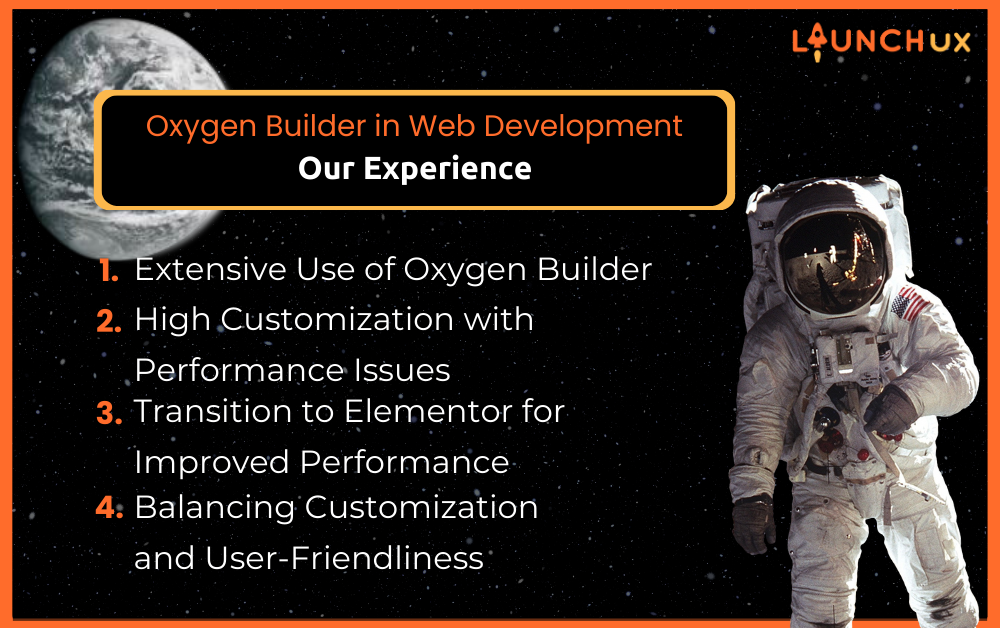
Selecting the right tools can significantly impact both the performance and maintainability of a website. At LaunchUX, our exploration of various website builders several years ago led us to Oxygen Builder, a tool we employed for one of our largest retail clients. Our experience over five years provided us with valuable insights into its capabilities and limitations.

Oxygen Builder: A Brief Overview

Oxygen Builder is a powerful, flexible tool for building WordPress websites. Known for its robust customization options, it allows developers to create highly tailored websites. Its appeal lies in its ability to offer deeper levels of customization compared to many standard page builders.

Our project with Oxygen Builder demonstrated its ability to support a large-scale retail website effectively. Over five years, the site ran well, handling the client’s needs with minimal issues. However, it’s important to note that there was a noticeable lag during peak traffic times, particularly during rush buying periods. This aspect is crucial for retail websites where user experience can directly influence sales.

Moving to a More Custom Solution

Recently, we transitioned this client to a custom solution that integrates Elementor. This shift resulted in a significant speed improvement, with performance enhancements of over 400%. This change highlighted Oxygen Builder’s limitations in handling certain high-demand scenarios and underscored the importance of continually evaluating and updating the tools we use to ensure optimal performance.

Usability for End-Users

While Oxygen Builder excels in customization and flexibility, it presents challenges for end-users in terms of ease of updates and edits. This aspect was particularly noticeable in our project, where the client required a more straightforward interface for managing their content. Oxygen Builder offers deep customization, which is beneficial for developers. However, its complexity can pose a challenge for clients needing to make regular updates without much technical support.

Weighing the Pros and Cons

In conclusion, Oxygen Builder served us well in maintaining a large retail website for an extended period, demonstrating its stability and reliability. However, its performance under high-traffic conditions highlights the importance of choosing the right tool for the right job. This is underscored by the challenges faced by end-users in managing the site. At LaunchUX, our experience with Elementor integrations exemplifies our commitment to evolving our tools and techniques to meet our clients’ changing needs.

When considering a website builder, it’s crucial to balance the need for customization and developer control with performance and user-friendliness. Consulting with a seasoned agency like LaunchUX can provide the guidance necessary to make the best choice for your specific requirements.

Modern Frameworks: Reshaping Web Design Evolution

Imagine a world where web design was once just a series of simple text on screens, a stark contrast to the interactive, fluid experiences we navigate today. This transformation is a tale of technological evolution, from the rudimentary days of HTML to the era of modern frameworks. This journey highlights how web design has not just changed but revolutionized the way we interact with the digital world. Let’s delve into this evolution and see how modern frameworks have become pivotal in contemporary web design.

The Early Stages: HTML and the Genesis of Web Design

HTML: The Genesis of Modern Frameworks

The journey to modern frameworks in web design began with HTML, the foundational language for creating web pages. Initially straightforward and more focused on content structure than aesthetics, HTML laid the essential groundwork for web design. This foundation was later built upon by modern frameworks, transforming the field into a dynamic and visually rich domain. It was this basic yet powerful language that set the stage for the evolution of web design, providing a platform for more sophisticated technologies to emerge. As web design progressed, the limitations of HTML became clear, paving the way for the development of modern frameworks that offered greater flexibility and functionality. Since their introduction, these frameworks have revolutionized web development, enabling designers to build upon HTML’s simple structures. They have created web experiences that are complex, interactive, and highly responsive.

A Step Towards Stylish Web Pages

The introduction of CSS was a significant milestone, enabling designers to add stylistic elements to web pages. This was crucial in moving towards a more visually appealing web, setting the stage for more advanced design capabilities. It allowed for better control over layouts, fonts, and colors, transforming the basic HTML into something more engaging and personalized. With CSS, designers began experimenting with aesthetics, creating unique styles and themes for websites. This newfound flexibility marked the beginning of an era where web design could truly reflect a brand’s identity and artistic vision.

The Shift to Interactivity and Adaptability

JavaScript: A Cornerstone for Modern Frameworks

JavaScript’s emergence marked a significant evolution in the journey towards modern frameworks in web design. It revitalized static HTML pages, instilling them with interactive elements. These elements are now effortlessly managed by modern frameworks. JavaScript was pivotal in transitioning from basic web pages to dynamic, user-interactive sites, effectively setting the stage for the advanced capabilities provided by modern frameworks. It enabled developers to create more responsive and engaging user experiences, which are now fundamental aspects of web design. Modern frameworks, building on the principles established by JavaScript, have further simplified the process of creating complex functionalities, making web development more efficient and accessible. This evolution highlights the crucial role of JavaScript in web design, paving the way for today’s sophisticated, user-centric websites. These advanced sites are now seamlessly powered by modern frameworks.

Embracing Responsive Design

The explosion of mobile devices necessitated a shift towards responsive design, ensuring websites could adapt to various screen sizes. This development reshaped the focus of web design, prioritizing flexibility and user experience across devices. Designers now had to think in terms of fluid grids and flexible images, ensuring that layouts were as functional on a smartphone as they were on a desktop. This shift resulted in a heightened focus on touch interfaces and mobile-first design principles. It recognized the increasing trend of mobile internet usage. As a result, responsive design became a fundamental aspect of web development, integral to creating an inclusive and accessible digital world.

The Era of Modern Frameworks

The Power and Versatility of Modern Frameworks

Now, we find ourselves in the age of modern frameworks like React, Angular, and Vue.js. These frameworks offer sophisticated tools for creating complex, responsive, and efficient web applications. They represent the intersection of creativity and technology, enabling designers and developers to craft advanced web experiences. Furthermore, modern frameworks simplify the development process, offering reusable components and efficient data management, which accelerates project timelines and enhances maintainability. Modern frameworks encourage a community-driven approach to web development, enabling developers to exchange resources, tools, and best practices. This collaborative environment continuously refines and expands the capabilities of these frameworks. Lastly, their adaptability and scalability make them ideal for building everything from small personal blogs to large-scale enterprise applications, demonstrating their versatility in various web projects.

Looking forward, we anticipate technologies like AI and VR to further push the boundaries of web design. The potential for more immersive and intelligent web experiences is on the horizon, driven by the capabilities of modern frameworks. AI, in particular, is poised to revolutionize web design by automating complex processes, personalizing user experiences, and enhancing accessibility. Virtual Reality (VR) could transform websites into 3D environments, offering an entirely new dimension of user interaction. As these technologies mature, they promise to integrate more deeply with modern frameworks, creating web experiences that’s not only visually stunning but also intuitively responsive to user needs.

Conclusion: The Continuous Evolution of Web Design

The journey from simple HTML to the advanced capabilities of modern frameworks illustrates the dynamic nature of web design. As we embrace these advancements, we open doors to endless creative possibilities and innovative solutions in the digital landscape. The integration of modern frameworks with upcoming technologies like AI and VR heralds a new era of web design, one that will continuously reshape how we interact with the digital world. This evolution transcends aesthetics and functionality, focusing on creating a more connected, intuitive, and immersive web experience. It aims to resonate with users on a deeper level, enhancing their interaction with the digital world.What future innovations do you foresee in web design with the advancement of modern frameworks? Join the conversation and share your insights!