rocketfuel, Author at LaunchUX - Page 23 of 28

Author: rocketfuel

Unlocking Success: The Value of Professional Web Design

Your website is often the first impression potential customers have of your business. While a quick, cheap website might seem appealing, the long-term benefits of a professionally designed website are extensive. In this blog, we’ll explore how a quality website is a valuable investment with a strong return on investment (ROI) for your business.

Building Credibility and Trust

A professionally designed website instills credibility and trust, essential for attracting and keeping customers. It offers a sleek, user-friendly interface with thoughtful design, which a hastily made website can’t provide. Superior user experience is another perk, with intuitive navigation and compelling layouts that keep visitors engaged and reduce bounce rates.

SEO: Gaining Visibility

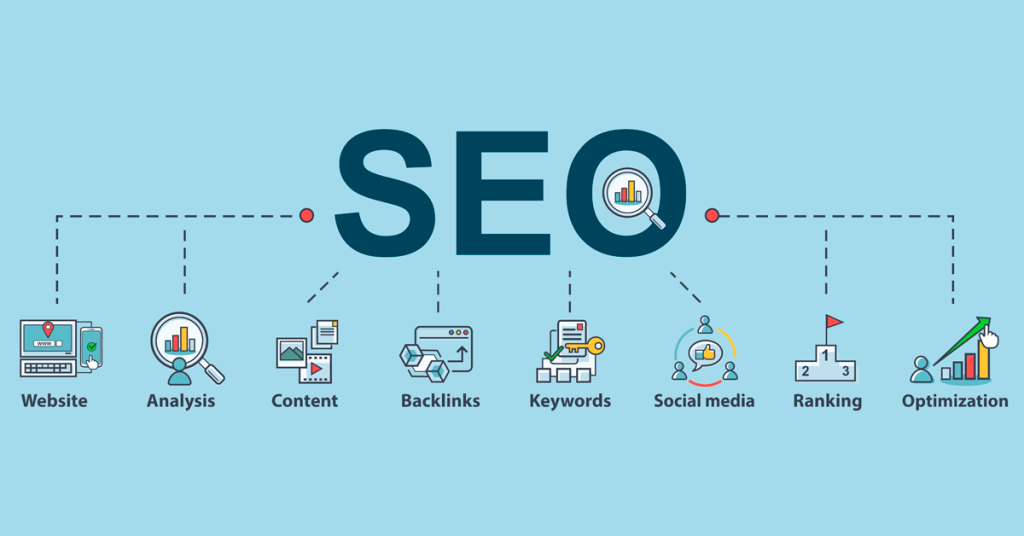
SEO is also a key benefit. Professional design incorporates technical elements that boost your site’s search engine visibility, including optimal keyword placement, mobile responsiveness, and fast loading times. Plus, scalability is vital. As your business expands, a professional website on a content management system (CMS) easily adapts, saving time and money.

Leveraging Enhanced Analytics

Another advantage to professional web design is enhanced analytics. A well-built site provides detailed insights into visitor behavior, essential for optimizing marketing strategies. Moreover, a high-quality website gives you a competitive edge. While others may use generic designs, your commitment to professional design distinguishes you in the market.

Driving Higher Conversion Rates

High conversion rates are a significant outcome of investing in a professional website. With user-centric design and strategic call-to-action placements, your website can convert visitors into loyal customers. And though the initial cost might be higher, the long-term savings are substantial due to less frequent updates and repairs.

A Worthwhile Investment

Remember, a website is more than a digital business card; it’s a powerful conversion tool and a long-term investment in your brand. If you’re unsure how to start, at LaunchUX, we specialize in creating websites that are not only visually appealing but also high-performing. Investing in professional web design can elevate your brand image, engage customers more effectively, and ultimately, positively impact your bottom line. Never underestimate the ROI a high-quality website can bring to your business.

API Integrations: Maximizing Business Efficiency

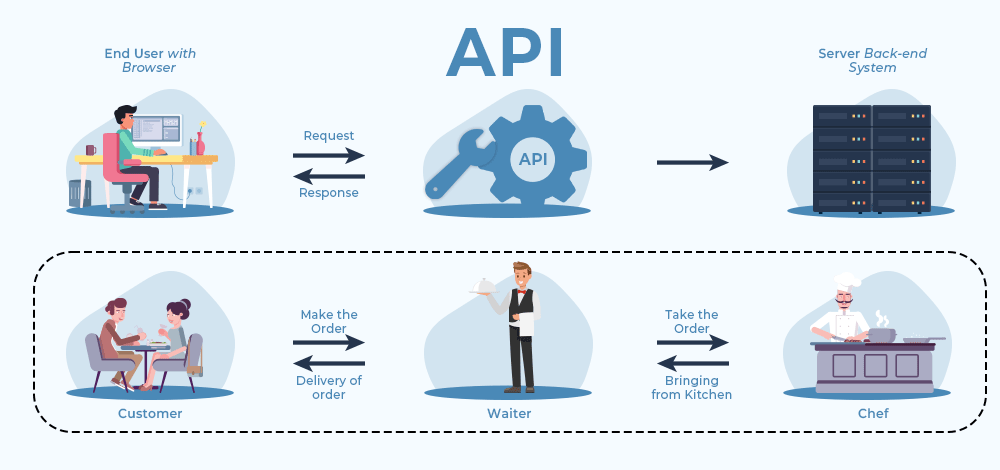
Efficiency is not just a goal; it’s a necessity. One of the most effective ways to achieve this is through API (Application Programming Interface) integrations. APIs act as bridges between different software applications, allowing them to communicate with each other without human intervention. This seamless interaction enables businesses to automate various processes, thereby streamlining operations and improving efficiency. For example, companies like Salesforce and HubSpot offer robust APIs that can be integrated with other tools for customer relationship management, marketing automation, and data analytics. This interconnectedness allows businesses to have a unified view of their operations, making data-driven decision-making easier and more accurate.

Key Benefits: How API Integrations Enhance Business Operations

API integrations offer several key benefits that can significantly enhance business operations. One of the most notable is automation. By integrating different software applications, businesses can automate repetitive tasks, freeing up employees to focus on more strategic activities. For instance, integrating an e-commerce platform like Shopify with an inventory management system can automate the process of updating stock levels, reducing the risk of overselling or underselling. Another benefit is data synchronization. API integrations ensure that data is consistently updated across all platforms, providing businesses with accurate and real-time information. This is particularly useful for companies that rely on real-time analytics to make quick decisions. For example, integrating Google Analytics with your CRM can provide valuable insights into customer behavior, enabling more targeted marketing strategies.

Real-World Impact: Case Studies in Efficiency

Several companies have successfully leveraged API integrations to streamline their business operations. One such example is Netflix, which uses numerous API integrations to provide personalized recommendations to its users, thereby improving user engagement and retention. Another case study involves FedEx, which has integrated its shipping API with various e-commerce platforms. This integration allows customers to get real-time shipping quotes and tracking information, enhancing the overall customer experience and streamlining FedEx’s operations. These examples demonstrate that API integrations can have a tangible impact on business efficiency, customer satisfaction, and ultimately, the bottom line.

API Integrations as a Strategic Investment

In conclusion, API integrations are not just a technical requirement but a strategic investment that can significantly improve business efficiency. LaunchUX offers Integration Development, a service that emphasizes API integrations to enhance business operations. These integrations automate tasks, sync data, and enable analytics for better decision-making. In today’s competitive market, efficiency is crucial. API integrations provide businesses a way to not just survive, but thrive.

Keep Up With Trends: Elevating Your Business on Social Media

Are you a business owner aiming to make your mark in the ever-evolving world of social media? In this digital age, staying relevant and growing your following isn’t just about being present online; it’s about smartly riding the wave of trends. Let’s dive into how you can keep up with trends in social media, not just to stay afloat but to sail ahead of your competition.

Trends on social media are more than just fleeting fads; they’re a window into what your audience finds engaging at any given moment. By tapping into these trends, you’re achieving more than just increased visibility. You’re also showcasing your brand’s awareness and relevance in the dynamic landscape of digital media. Moreover, engaging with trends can significantly enhance your brand’s appeal to younger demographics, who are often the driving force behind these online movements. This engagement not only boosts your brand’s online presence but also fosters a deeper connection with a broader, more diverse audience, opening new avenues for growth and customer loyalty.

Not all trends are created equal, and not all will be suitable for your brand. Learn how to sift through the sea of hashtags, challenges, and viral content to find the gems that align with your business values and audience’s interests. It’s about striking a balance between what’s trending and what genuinely represents your brand’s ethos. This discernment is crucial for maintaining brand integrity. It ensures that your engagement with trends resonates authentically with your audience, fostering stronger connections and loyalty.

Leveraging Tools and Resources

Discover the tools and resources that can help you stay ahead of the curve. From social media analytics tools to trend forecasting platforms, understand how technology can be your ally in trend-spotting. Explore how these tools excel at tracking current trends. They not only keep you informed but also predict upcoming ones, giving your business a strategic edge. Moreover, utilizing these resources can help streamline your social media efforts, making it easier to integrate trending topics into your content calendar effectively and efficiently.

Engaging with Your Community

Your followers are your best trendsetters. Learn how engaging with your community can give you insights into emerging trends and how you can use these insights to craft content that resonates and engages. Actively participating in conversations fosters a deeper connection with your audience. Hosting interactive sessions, like Q&As or live discussions, provides real-time feedback on what’s trending. Additionally, monitoring comments and responses can reveal subtle shifts in interests. This helps you to anticipate trends before they fully emerge, and ensuring your content remains fresh and relevant.

Expertise in Trend Analysis and Content Creation

Explore how LaunchUX’s expertise in social media can take the guesswork out of trend analysis and content creation, allowing you to focus on what you do best – running your business. Our team at LaunchUX possesses a keen eye for what’s buzzing in the digital world. We not only identify potential trends but also curate content that uniquely positions your brand to shine in the crowd. Moreover, our approach combines creative flair with data-driven insights, ensuring that each piece of content is not just trendy but also impactful and aligned with your business objectives.

Tailored Strategies for Your Unique Brand

Every business is unique, and so should its social media strategy. Find out how LaunchUX creates customized social media plans that not only keep up with trends but also align perfectly with your brand’s voice and goals. Our personalized approach guarantees that your social media presence is not only trend-aware but also intertwined with your brand’s identity. This ensures that every aspect of your social media engagement reflects your core values and resonates with your audience. This means every post, campaign, and interaction is crafted to resonate with your specific audience, ensuring maximum engagement and brand loyalty.

Conclusion

Staying relevant on social media is crucial for any business looking to grow its audience and influence. By understanding and leveraging trends, you can ensure that your brand not only keeps up but stands out. With LaunchUX’s expertise in helping you keep up with trends, navigating the dynamic social media landscape becomes a breeze. Ready to elevate your social media presence to the next level?
Contact LaunchUX today and let’s create a buzz together!

Choosing the Right Web Hosting for Your Business

A website serves as the foundation of your business’s online presence. However, the success of your website doesn’t solely depend on its design or content; it also hinges on the quality of your web hosting service. A reliable, fast, and secure hosting service can significantly impact your site’s performance, user experience, and even search engine rankings. For example, Google considers page load speed as one of its ranking factors, and a slow-loading website can also increase your bounce rate, affecting both your SEO and user experience negatively. Given that LaunchUX offers Web Hosting services, understanding the nuances of choosing the right hosting can provide immense value to your clients and prospects.

Key Considerations: Factors to Evaluate When Choosing a Hosting Service

When it comes to selecting a web hosting service, there are several key factors that businesses should consider. One of the most crucial is uptime reliability. Your hosting service should guarantee at least 99.9% uptime to ensure that your website is accessible to users at all times. Companies like Amazon Web Services (AWS) and Google Cloud Platform offer high uptime guarantees, making them popular choices for businesses that can’t afford any downtime. Another important consideration is scalability. As your business grows, your hosting needs will evolve, and your hosting service should be able to accommodate this growth. For instance, you may start with shared hosting but eventually need to upgrade to a dedicated server or cloud hosting as your traffic increases. Security is another critical factor, especially for businesses that handle sensitive customer data. Features like SSL certificates, firewalls, and regular backups can provide an added layer of protection.

Real-World Examples: Businesses That Got It Right

Several businesses have reaped the benefits of choosing the right web hosting service. One such example is Dropbox, which initially started on a shared hosting platform but quickly moved to AWS to accommodate its rapid growth. This move not only provided them with the scalability they needed but also ensured high uptime and security. Another example is Etsy, an online marketplace for handmade goods, which uses a combination of cloud and dedicated hosting to manage its large and fluctuating traffic volumes. These case studies highlight the importance of choosing a hosting service that aligns with your business needs and can adapt as those needs change.

Making an Informed Decision for Long-Term Success

In conclusion, choosing the right web hosting service is a critical decision that can have far-reaching implications for your business. Given that LaunchUX offers Web Hosting services, a blog focusing on this topic can serve as a valuable resource for your clients, helping them make informed decisions that contribute to their long-term success. By considering factors like uptime, scalability, and security, businesses can select a hosting service that not only meets their current needs but also supports their future growth. In a digital landscape where your website serves as the face of your business, the importance of choosing the right web hosting service cannot be overstated.

The ROI of Social Media Advertising

Social media advertising has emerged as a powerful tool for businesses to reach their target audience. However, the effectiveness of social media advertising is often questioned, primarily because many businesses struggle to measure its return on investment (ROI). Understanding ROI is crucial for any marketing strategy, but it becomes especially vital in the context of social media where budgets can quickly spiral if not carefully managed. According to a CMO survey, marketing leaders expect to spend 22.2% of their budgets on social media over the next five years, up from 13.3% now. With such significant investments at stake, understanding the ROI of social media advertising is not just beneficial but essential.

Key Metrics: What to Measure and Why

When it comes to measuring the ROI of social media advertising, several key metrics come into play. These include Cost Per Click (CPC), Click-Through Rate (CTR), Conversion Rate, and Customer Lifetime Value (CLV). Each of these metrics provides valuable insights into the effectiveness of your social media campaigns. For instance, a low CPC and high CTR generally indicate that your ad is resonating with your audience. However, these metrics alone don’t paint the full picture. Conversion rate tells you how many clicks actually resulted in your desired action, such as a sale or a sign-up. Meanwhile, CLV helps you understand the long-term value a customer brings, which can be crucial for determining whether your social media spending is truly justified. Companies like Airbnb and Lyft have mastered the art of social media ROI by focusing not just on immediate conversions but also on long-term customer engagement and retention.

Real-World Applications: Case Studies that Prove the Point

Several businesses have successfully leveraged social media advertising to achieve impressive ROI. One notable example is fashion retailer ASOS, which reported a 33% increase in sales after implementing a targeted Facebook ad campaign. Another success story comes from Shopify, an e-commerce platform that achieved a 130% ROI on their social media ad spend by focusing on highly targeted, conversion-optimized campaigns. These case studies demonstrate that when executed correctly, social media advertising can offer substantial returns, making it a worthwhile investment for businesses of all sizes.

ROI as the Cornerstone of Effective Social Media Management

In summary, understanding the ROI of social media advertising is crucial for making informed decisions about your marketing spend. As a provider of Social Media Management services, focusing on ROI metrics can add immense value to your offerings, helping your clients make the most of their social media investments. By measuring key metrics like CPC, CTR, Conversion Rate, and CLV, businesses can gain a comprehensive understanding of their social media performance, allowing them to fine-tune their strategies for maximum impact. In a digital landscape where every click counts, understanding the ROI of your social media advertising efforts can make the difference between a campaign that soars and one that falls flat.

Why Should Service-Based Businesses Prioritize Local SEO?

In today’s digital era, a business’s online presence can make or break its success. For service-based businesses, having a strong online presence is vital. Local SEO (Search Engine Optimization) is a potent tool that can help service-based businesses excel in their markets.

Local SEO involves helping a business’s online presence to boost its visibility in search results. It includes various strategies to improve a business’s rankings in search engine results for local queries, such as those containing “near me” or location-specific keywords. This is particularly important for service-based businesses that depend on local customers.

The Local Search Landscape

The Growing Significance of Local Searches

The internet is changing, and how people search for things is changing too. Nowadays, many online searches are about finding stuff nearby. People want to know where to get products and services close to them. A study by HubSpot found that 46% of all Google searches are about local stuff. This shows how important local SEO is for service-based businesses.

Local SEO vs. Traditional Advertising

Old-school ads like in newspapers, on the radio, or on billboards can be pricey and reach a lot of people who might not even want what you offer. But with local SEO, you focus on reaching folks in your area who are actively looking for services like yours. That makes it more likely that they’ll become your customers.

The Benefits of Prioritizing Local SEO

Enhanced Online Visibility

Local SEO helps service-based businesses show up prominently in local search results, making them more visible to potential customers. When more people can see your business, you have a better chance of attracting local clients who are actively looking for services like yours.

Improved Website Traffic

When you use a well-optimized local SEO strategy, it can bring more visitors to your website. As more local users come to your site, you can showcase your services, provide helpful information, and turn those visitors into paying customers.

Increased Trust and Credibility

Businesses that show up at the top of local search results often seem more trustworthy to potential customers. By investing in local SEO, you can create a good online reputation and earn trust in your community.

Better Targeting of Local Audience

With local SEO, you can focus on specific geographic areas, ensuring that your marketing efforts reach the right people. This precise targeting can lead to more people becoming customers and make your marketing more cost-effective.

Local SEO Strategies for Service-Based Businesses

Optimizing Your Google My Business Listing

A well-set-up Google My Business (GMB) listing is essential for local SEO. Make sure your listing has accurate info about your business, like your address, phone number, and hours. Encourage happy customers to leave reviews because positive ones can make you more visible.

Keyword Research and Optimization

Keyword research is key for local SEO. Figure out the words and phrases potential customers might use when they’re looking for services in your area. Put those keywords in your website content, tags, and headings to boost your search rankings.

Local Content Creation

Writing content that’s all about your local area is a smart way to get local customers interested. Think about making blog posts, articles, or guides about local topics or showing how you’re involved in your community. This can help folks see your business as a local expert.

Links from trusted local websites can really help your local SEO. Team up with local groups, charities, or well-known people to get good links to your website.

Mobile Optimization

Lots of people do local searches on their phones, so your website has to look and work well on mobile devices. It should load fast and be easy to use on smartphones and tablets.

Monitoring and Analytics

Use tools like Google Analytics and Google Search Console to regularly check how your local SEO is doing. Keep an eye on how your website is doing, where it shows up in search results for different keywords, and how people use your site. Then, use what you learn to make your strategy better.

Measuring Local SEO Success

Key Performance Indicators (KPIs)

To gauge the success of your local SEO efforts, track key performance indicators such as:

  • Organic Website Traffic
  • Click-Through Rates (CTR) from Local Search Results
  • Conversion Rates for Local Visitors
  • The Number of Positive Reviews and Ratings
  • Local Keyword Rankings

Leveraging Online Directories

Online directories like Yelp, Yellow Pages, and TripAdvisor are popular platforms where users search for local businesses. Ensure that your business is listed accurately on these directories. Consistently in your business name, address, and phone number (NAP) across all online directories can have a positive impact on your local SEO.

Customer Reviews and Ratings

Customer reviews and ratings play a vital role in local SEO. Encourage your satisfied customers to leave reviews on platforms like Google My Business, Yelp, and Facebook. Positive reviews can improve your visibility and attract more local customers. Additionally, respond to reviews, both positive and negative, to demonstrate your commitment to customer satisfaction.

Unlock Your Local Potential

In summary, local SEO is a must for service-based businesses aiming to thrive in today’s competitive online world. Prioritizing this helps you grow your online presence, attract local customers, and build trust in your local community.

Keep in mind that local SEO is an ongoing effort that requires adaptation to changing trends. Monitor your performance, track key metrics, and adjust your strategies to stay ahead.

Ready to boost your service-based business with local SEO? Our team of experts at LaunchUX is ready to assist you. Don’t miss out on the chance to connect with local customers actively seeking your services. Start your journey today and witness your business flourish online. Contact us today!

Local SEO Strategies for Small Businesses

The importance of search engine optimization (SEO) is well-understood. However, what many small businesses often overlook is the power of local SEO. Unlike general SEO, which focuses on improving your site’s visibility on a national or global scale, local SEO aims to make your business visible to people in your immediate area. This is especially crucial for small businesses like restaurants, retail shops, and service providers who rely heavily on local clientele. Google reveals 46% of searches are local. Forbes study shows 95% of smartphone users conduct local searches, leading 61% to call and 59% to visit businesses. These statistics highlight the immense potential of local SEO for driving foot traffic and conversions.

There are several strategies small businesses can employ to optimize their online presence for local search. One of the most effective is to claim and verify your Google My Business (GMB) listing. This free tool from Google allows you to list important information about your business, such as location, hours of operation, and customer reviews. A well-optimized GMB listing can significantly improve your business’s visibility in local search results and Google Maps. Another strategy is to focus on local keywords. For example, a bakery in Boston might use keywords like “Boston bakery” or “best pastries in Boston” in their website content, meta descriptions, and titles. Local businesses can also benefit from local backlinks, which are incoming links from other local businesses or organizations. For instance, a local gym might sponsor a community event and earn a backlink from the event’s website, thereby improving its local SEO.

Real-World Impact: Case Studies and Success Stories

Several small businesses have leveraged local SEO to great effect. One example is a family-owned restaurant that saw a 50% increase in customer visits after optimizing their website for local search. They also were regularly updating their Google My Business listing. A local dental clinic doubled new patient appointments by using local keywords and garnering positive online reviews. These examples prove local SEO’s practicality and tangible impact.

Local SEO as a Long-Term Investment

Local SEO is crucial for small businesses to boost visibility and compete locally. As a cornerstone of LaunchUX’s services, our local SEO strategies offer not only immediate benefits but also long-term value, helping clients tap into the local market and establish a resilient online presence. This approach ensures businesses remain relevant and accessible to their community in the digital age.

Why Scaling Back on SEO is a Mistake You Can’t Afford to Make

it’s tempting to look for quick wins and immediate gratification. However, when it comes to SEO, cutting corners or scaling back is a strategy fraught with peril. Here’s why maintaining a consistent and robust SEO strategy is crucial for long-term success, especially for business owners with a focus on technology, marketing, and business planning.

TechGuru Inc., a tech-focused blog, enjoyed strong SEO rankings and organic traffic in its first year. However, in the second year, the company shifted its focus to immediate revenue-generating activities like PPC and social media advertising, scaling back on SEO efforts such as content updates and backlink acquisition.

Within six months, this decision led to a significant drop in keyword rankings, a 30% decline in organic traffic, and increased customer acquisition costs. The brand’s credibility also suffered, allowing competitors to gain market share and customer trust. TechGuru Inc.’s experience serves as a cautionary tale, highlighting the long-term repercussions of neglecting SEO in favor of short-term gains.

The Ever-Changing Algorithms

Search engine algorithms are continually evolving. What worked yesterday may not work tomorrow. If you scale back on your SEO efforts, you risk falling behind and losing the gains you’ve made. Consistency is key to staying ahead of algorithmic changes.

The Snowball Effect

SEO is cumulative. The efforts you put in today will yield results down the line. When you scale back, you’re not just affecting your current standings; you’re potentially compromising future growth. The snowball effect of SEO means that consistent efforts are compounded over time, leading to exponential growth.

The Competitive Landscape

Your competitors are not standing still. If you decide to scale back on SEO, you’re essentially giving them free rein to establish themselves more firmly in your industry. In competitive markets, even a small lapse can result in significant setbacks.

User Behavior and Expectations

As technology evolves, so do user expectations. Voice search, mobile browsing, and other emerging technologies are making SEO more complex but also more critical than ever. By scaling back, you miss the opportunity to adapt to new trends and meet your audience’s changing needs.

The Importance of Fresh Content

Search engines love fresh, high-quality content. Regularly updating your website with original, rich content not only improves your rankings but also provides value to your visitors, enhancing user experience and customer loyalty.

Long-Term ROI

SEO is a long-term investment. While it may take time to see significant returns, the long-term benefits far outweigh the initial costs. Unlike paid advertising, the results of a good SEO strategy are more permanent. You’ll continue to reap the benefits long after the work has been done.

Credibility and Trust

In the age of misinformation, credibility is a valuable currency. A strong SEO presence signals to your audience that you are a reputable source of information, products, or services. Scaling back on SEO can erode this trust and credibility over time.

Scaling back on SEO is a short-sighted decision that can have long-term repercussions. In a world that’s increasingly digital, maintaining a robust online presence is not just an option; it’s a necessity. Given the complexities of modern SEO, a consistent, long-term strategy is the only way to ensure sustainable growth and success.

The Importance of Mobile Responsiveness in Web Design

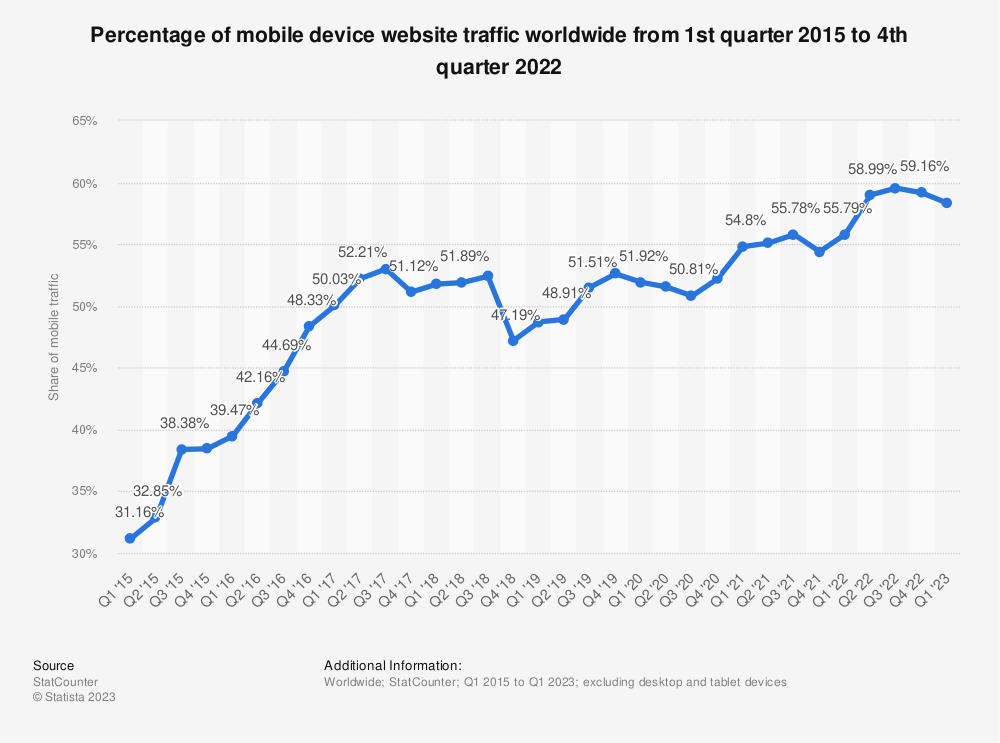
The way people access the internet has dramatically shifted towards mobile devices. According to Statista, over half of all web traffic now comes from mobile phones. This shift has made mobile responsiveness in web design not just a luxury but a necessity. Businesses that fail to adapt to this trend risk losing a significant portion of their audience. For example, Google has implemented mobile-first indexing, which means the search engine predominantly uses the mobile version of a website for ranking and indexing. If your site isn’t mobile-friendly, you’re essentially telling Google—and your potential customers—that your business isn’t keeping up with the times.

User Experience: The Heart of Mobile Responsiveness

The core benefit of a mobile-responsive design lies in the user experience it offers. A site optimized for mobile responsiveness adjusts its layout, images, and functionalities according to the device on which it is accessed. This adaptability ensures that users don’t have to pinch, zoom, or scroll horizontally to view content, making navigation seamless and intuitive. Companies like Amazon and Airbnb provide excellent examples of this. Mobile-responsive designs enhance ease and functionality, boosting mobile interactions and conversions. Non-optimized mobile sites often face higher bounce rates due to poor navigation.

Business Implications: Mobile Responsiveness as a Competitive Advantage

In a crowded digital marketplace, having a mobile-responsive website can serve as a significant competitive advantage. A study by Google found that 61% of users are unlikely to return to a mobile site they had trouble accessing, and 40% would go to a competitor’s site instead. These numbers underscore the business implications of mobile responsiveness. Uber and Lyft thrive by offering mobile app-based services, tailored for different screen sizes. Their success in user engagement and revenue hinges on mobile-friendly business models.

An Investment in the Future

In conclusion, mobile responsiveness is now essential, impacting user engagement, SEO, and revenue. As LaunchUX provides web development, mobile-responsive design is a key foundation, not just an extra. This ensures websites are future-ready, meeting today’s needs and adapting to future trends and user shifts.

Keyword Stuffing: Avoid This Outdated SEO Tactic

In the early days of SEO, keyword stuffing was a common practice to trick search engines into ranking a page higher. However, search engines have evolved, and this tactic is not only ineffective but can also harm your website’s credibility and rankings. Here’s what you need to know about keyword stuffing, how to avoid it, and why you should steer clear of SEO agencies that still employ this outdated strategy.

What is Keyword Stuffing?

Keyword stuffing is the practice of overloading a webpage with target keywords or numbers in an attempt to manipulate a site’s ranking in search engine results. This can include unnaturally high keyword densities, lists of phone numbers without substantial added value, blocks of text listing cities and states, and even inserting irrelevant keywords into meta tags or content. Not only does this create a poor user experience, but it’s also a red flag for search engines.

How to Avoid Keyword Stuffing

1. Focus on Natural Language

Write your content in a way that sounds natural and provides value to the reader. Your keywords should fit seamlessly into the text and not disrupt the flow of the content.

2. Use Synonyms and Variations

Instead of repeating the same keyword multiple times, use synonyms and variations to make the content more engaging and less repetitive.

3. Limit Keyword Density

While there’s no hard-and-fast rule for keyword density, keeping it between 1-3% is generally considered safe. Use tools to check keyword density and ensure you’re not overdoing it.

4. Leverage Long-Tail Keywords

Instead of focusing solely on high-volume keywords, incorporate long-tail keywords that are more specific and less competitive. This not only helps you avoid keyword stuffing but also improves the chances of ranking for niche queries.

5. Prioritize User Experience

Always write for the user first, and search engines second. If your content provides value and answers the user’s query, you’re on the right track.

Beware of SEO Agencies That Still Use Keyword Stuffing

If an SEO agency promises quick results and employs tactics like keyword stuffing, it’s a sign that they’re not up-to-date with current best practices. Not only will this not improve your rankings, but it could also result in penalties that are difficult to recover from.

Red Flags to Watch For:

  • Promises of quick, guaranteed rankings
  • Use of outdated jargon and tactics
  • Lack of focus on content quality and user experience

Conclusion

Keyword stuffing is an outdated and harmful SEO tactic that you should avoid at all costs. Always focus on creating high-quality, valuable content that serves the needs of your audience. And if you’re considering hiring an SEO agency, make sure they’re committed to up-to-date, ethical SEO practices. Given the complexities of modern SEO, falling for quick-fix solutions like keyword stuffing can do more harm than good.