
rocketfuel, Author at LaunchUX - Page 24 of 28

Author: rocketfuel

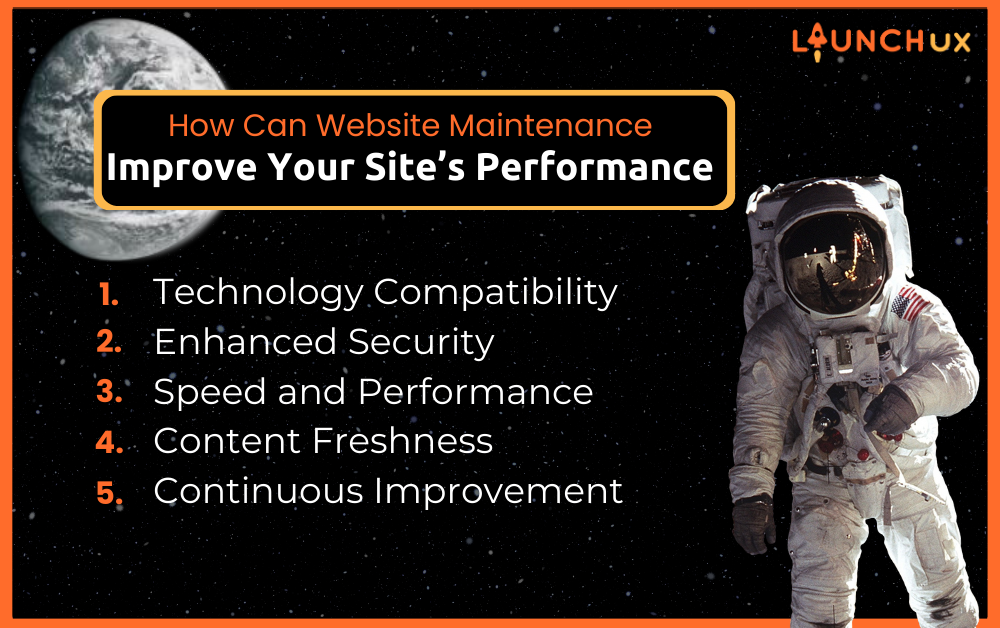
How Can Website Maintenance Improve Your Site’s Performance?

In the digital era, your website is more than just a digital brochure; it’s a dynamic platform that represents your brand, engages with your audience, and drives your business forward. But, just like any valuable asset, it requires regular care and attention. This is where website maintenance comes into play. Let’s explore how regular website maintenance can significantly enhance your site’s performance, making it a robust tool for your business’s success.

The Heartbeat of Your Website: Regular Updates and Security

Keeping Up with Technology:

The digital world doesn’t stand still, and neither should your website. Regular updates ensure compatibility with evolving technologies and web standards. This ongoing process keeps your site functional and accessible across various devices and browsers, offering a consistent and smooth user experience.
Fortifying Your Digital Fortress:

In an age where cyber threats are rampant, maintaining the security of your website is non-negotiable. Regularly updating security patches is vital to protect against vulnerabilities. A secure website not only protects sensitive data but also builds trust among your visitors, a key component in fostering online relationships.

Speed and Performance: The Need for Speed

Optimizing for Speed:

Website speed is a critical factor in user experience and search engine rankings. Regular maintenance tasks like image compressions, code cleanup, and caching optimization are essential to keep your website running at optimal speed. A fast-loading website is more likely to retain visitors and perform better in search engine results.

Regular Clean-Ups:

Websites can become cluttered with outdated content, broken links, and unused plugins, leading to decreased performance. Routine clean-ups ensure your website remains efficient and streamlined, enhancing both user experience and search engine visibility.

SEO: Staying on Top of Search Results

Content Updates and SEO:

Regular content updates are a cornerstone of effective SEO. Keeping your site fresh with new blog posts, revising existing pages, and adding new content are key strategies to engage your audience and signal to search engines that your site is active and relevant.

Technical SEO:

Beyond content, website maintenance involves optimizing meta tags, improving site structure, and ensuring mobile responsiveness. These technical aspects are crucial for SEO and play a significant role in enhancing the overall user experience.

User Experience: The Cornerstone of Website Success

Keeping Up with User Expectations:

User expectations are constantly evolving, and your website needs to keep pace. Regular maintenance allows you to update the design, add new functionalities, and adapt to changing trends, thereby enhancing user satisfaction and engagement.

Analytics and Feedback:

Part of maintenance is analyzing website performance and user feedback. This data is invaluable for making informed updates and improvements, ensuring your website not only meets but exceeds user expectations.

Types of Website Maintenance

When it comes to maintaining a website, there are several key areas to focus on. Each type plays a crucial role in ensuring the website’s overall health and performance.

Technical Maintenance:

  • Software Updates: Regularly update CMS, plugins, and scripts to ensure compatibility and security.
  • Backup Management: Implementing routine backups to safeguard data against loss or corruption.
  • Uptime Monitoring: Continuously website uptime to quickly address any downtime issues.

Content Maintenance:

  • Content Updates: Refreshing existing content and adding new, relevant content to keep the website dynamic and engaging.
  • Blog Management: Regularly publishing and updating blog posts to drive traffic and improve SEO.
  • Multimedia Management: Updating and optimizing images and videos for faster loading time and improved user experience.

SEO Maintenance:

  • Keyword Optimization: Regularly reviewing and updating keywords to stay aligned with search trends and user behavior.
  • Meta Data Optimization: Updating meta titles, descriptions, and tags to improve search engine visibility and click-through rates.
  • Link Auditing: Checking for and fixing broken links to maintain website integrity and user trust.

Security Maintenance:

  • Security Audits: Conducting regular security checks to identify and address vulnerabilities.
  • SSL Certificates: Ensuring SSL certificates are up to date for secure user connections.
  • Spam and Malware Scanning: Regular scanning for spam and malware to protect the website and its visitors.

Performance Maintenance:

  • Speed Optimization: Implementing strategies like caching, image optimization, and code modification for faster load times.
  • Mobile Optimization: Ensuring the website is responsive and performs well on various mobile devices.
  • Browser Compatibility Testing: Regular testing to ensure the website works seamlessly across different web browsers.

User Experience Testing:

  • Design Updates: Refreshing the website’s design to keep it modern and user-friendly.
  • Navigation Improvements: Continuously improving site navigation for ease of use and better user engagement.
  • Accessibility Enhancements: Ensuring the website is accessible to all users, including those with disabilities.

The Continous Journey of Improvement

Website maintenance is far from being a one-time task; instead, it’s an ongoing commitment to keeping your digital presence in top shape. Through regular updates, security checks, performance optimizations, and SEO enhancements, you are not merely addressing issues; rather, you are actively propelling your website to new heights.

A well-maintained website is indeed a high-performing website. Moreover, it’s capable of attracting and retaining visitors, ranking well in search engines, and driving business growth. Essentially, it serves as the digital storefront of your brand, and its performance directly impacts your online success.

Are you ready to elevate your site’s performance through website maintenance? If so, contact us at LaunchUX, and let’s discuss how we can keep your digital presence robust, secure, and ahead of the curve. Don’t wait; invest in the continuous improvement of your website today for a brighter digital future tomorrow. Both your website and your users deserve it.
The Future of SEO in 2024: The Primacy of Original, Rich Content

As we look ahead to 2024, the landscape of Search Engine Optimization (SEO) is poised for further evolution. While traditional elements like keywords, meta descriptions, and backlinks will continue to hold value, the spotlight is increasingly turning towards original, rich content as the cornerstone of effective SEO strategies. Here’s why this shift is happening and what it means for business owners, especially those with a strong focus on technology, marketing, and business planning.

The Rise of User Experience

Search engines like Google are becoming increasingly sophisticated in understanding user behavior and preferences. The algorithms are designed to prioritize websites that offer a high-quality user experience, which includes fast load times, mobile optimization, and, most importantly, valuable content. Original, rich content not only engages the user but also encourages them to spend more time on your website, reducing bounce rates and improving your site’s SEO performance.

The Decline of Shallow Content

Gone are the days when keyword stuffing could get you to the top of search engine results. Search engines are now equipped with advanced algorithms that can understand the context, relevance, and quality of content. Shallow, repetitive content is easily flagged and pushed down in rankings, making it imperative for businesses to invest in well-researched, comprehensive content.

Semantic Search and Natural Language Processing

With advancements in Natural Language Processing (NLP), search engines are getting better at understanding the intent behind a search query. This means that your content needs to be more than just keyword-optimized; it needs to address the questions and needs of your target audience in a meaningful way. Original, rich content that provides in-depth answers to user queries will be favored by these smarter algorithms.

The Importance of E-A-T (Expertise, Authoritativeness, Trustworthiness)

Search engines are placing greater emphasis on the E-A-T criteria, especially for YMYL (Your Money or Your Life) topics. Original, rich content created by experts in the field is more likely to be ranked higher. This is particularly relevant for businesses in specialized industries, where expertise can be clearly demonstrated through high-quality, authoritative content.

Multimedia and Interactive Elements

While text-based content is crucial, the role of multimedia elements like videos, podcasts, and interactive infographics is growing. These elements make your content richer and more engaging, thereby improving user experience and SEO rankings.

As we move into 2024, the focus of SEO is shifting towards creating original, rich content that offers real value to users. Businesses that adapt to this change will not only improve their search engine rankings but also establish themselves as authorities in their respective fields. Given the increasing complexity of SEO, a data-driven approach that leverages advanced analytics tools can provide invaluable insights into what kind of content resonates with your target audience. In this ever-evolving landscape, staying ahead of the curve will require a commitment to quality, originality, and depth of content.

Measuring the Value of SEO: Key Metrics and KPIs

Understanding the value of SEO is crucial for any business owner, especially those with a focus on technology, marketing, and business planning. While SEO is often seen as a long-term investment, there are several key metrics and KPIs that can help you gauge its effectiveness and ROI. Here’s a guide on how to measure the value of your SEO efforts.

Traffic Metrics

Organic traffic is the most direct measure of SEO success. Use tools like Google Analytics to track this metric over time. Assess the quality of your organic traffic by looking at metrics like bounce rate, average session duration, and pages per session. Monitor the click-through rate (CTR) of your organic search results as well. A higher CTR often indicates more relevant and compelling content or meta descriptions.

Conversion Metrics

The ultimate goal of SEO is to convert visitors into customers. Track the conversion rate of organic traffic to understand how effectively your SEO efforts are driving sales or other desired actions. Compare the cost of acquiring a customer through organic search versus other channels. Lower costs typically indicate a more effective SEO strategy. Consider the long-term value of customers acquired through organic search. A higher customer lifetime value can justify a more substantial investment in SEO.

Engagement Metrics

A longer time spent on a page often indicates that the content is valuable and relevant to the user, which is a positive signal for search engines. A lower bounce rate suggests that visitors are finding your content useful and are more likely to explore other parts of your website. Use analytics tools to track how users navigate through your site. This can provide insights into the effectiveness of your internal linking and overall site structure.

Competitive Metrics

Monitor how your website ranks for targeted keywords over time. While not the only measure of SEO success, it’s a useful gauge of your site’s visibility. Compare your organic traffic and keyword rankings to those of your competitors to get an idea of your market share. A strong backlink profile is a good indicator of your site’s authority and credibility. Use tools to track the number and quality of backlinks to your site.

Final Thoughts

Measuring the value of SEO involves a combination of traffic, conversion, engagement, and competitive metrics. By regularly monitoring these KPIs, you can gain a comprehensive understanding of your SEO performance and make data-driven decisions to improve your strategy. Given the complexities of SEO, a nuanced approach to measurement can provide valuable insights into what’s working and what needs adjustment.

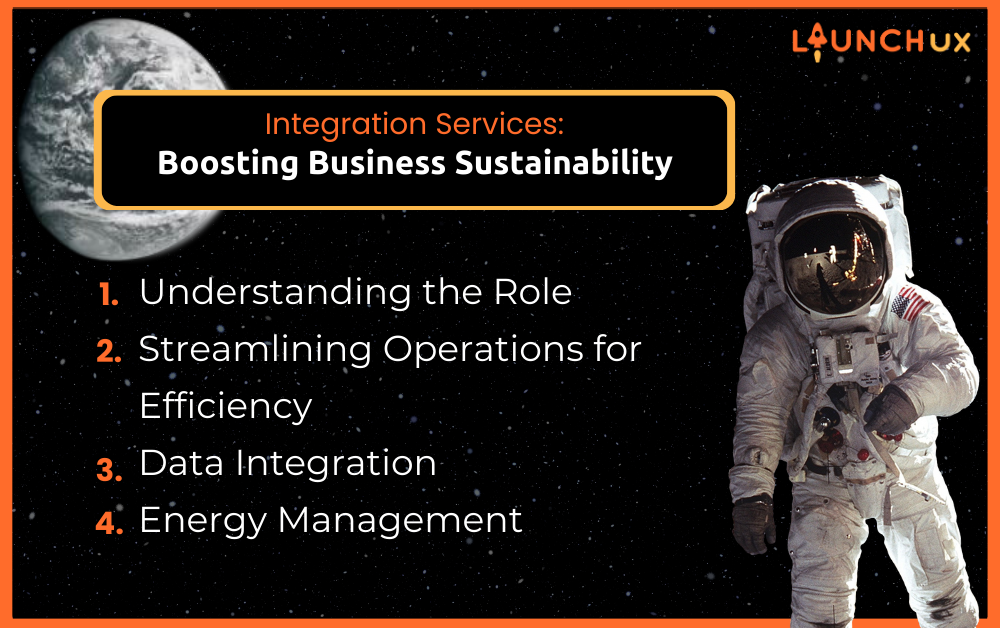
Integration Services: Boosting Business Sustainability

In the modern business landscape, the quest for sustainability is no longer a choice but a necessity. Companies are increasingly recognizing that sustainable practices are not only beneficial for the environment but also for their bottom line. However, achieving sustainability is a complex task that requires strategic planning and execution. This is where the concept of integration services comes into play. By leveraging integration services, businesses can streamline operations, reduce waste, and embrace eco-friendly practices more effectively.

Understanding the Role of Integration Services in Sustainability

Integration services refer to the process of combining different subsystems or components into one cohesive system, ensuring they work together effectively. In the context of sustainability, these services can be instrumental in connecting various aspects of a business, from supply chain management to energy usage, to create a more sustainable operation. 

Streamlining Operations for Efficiency

One of the primary benefits of using integration services is the increased operational efficiency. By integrating different systems and processes, businesses can eliminate redundancies and streamline workflows. This not only leads to cost savings but also reduces the environmental impact. For example, an integrated inventory management system can help reduce overstocking, leading to less waste and a lower carbon footprint.

Facilitating Remote and Flexible Work Models

The rise of remote work has presented an opportunity for businesses to reduce their environmental impact. Integration services like Slack allow for seamless communication and collaboration among remote teams. This reduces the need for physical office space and commuting, thereby contributing to a reduction in carbon emissions.

Data Integration for Informed Decision-Making

Sustainability efforts require accurate and timely data. Integration services can play a crucial role in bringing together data from various sources, providing a comprehensive view of a company’s environmental impact. This integrated data can help businesses make informed decisions about where to focus their sustainability efforts, whether it’s reducing energy consumption, minimizing waste, or sourcing materials more responsibly.

Enhancing Supply Chain Sustainability

The supply chain is often one of the most significant contributors to a company’s environmental impact. Integration services can help businesses gain better visibility and control over their supply chains. By integrating information from suppliers, manufacturers, and distributors, companies can identify areas where they can reduce waste, optimize transportation, and ensure that partners adhere to sustainable practices.

Energy Management through Integration Services

Energy consumption is a critical aspect of a company’s sustainability profile. Integration services can help in the effective management of energy usage by connecting various systems like heating, ventilation, air conditioning (HVAC), and lighting. Through an integrated system, businesses can optimize energy usage, reduce waste, and lower their carbon footprint.

Compliance and Reporting

Sustainability often involves adhering to various environmental regulations and standards. Integration services can aid in managing compliance by consolidating data and processes required for reporting. This ensures that businesses are not only meeting legal requirements but also communicating their sustainability efforts transparently to stakeholders.

Enhancing Customer Engagement

Today’s consumers are increasingly environmentally conscious and prefer to engage with sustainable brands. Integration services can help businesses align their customer engagement strategies with their sustainability goals. For instance, integrating customer feedback systems with sustainability initiatives can help businesses understand consumer preferences and adjust their practices accordingly.

The Role of Technology in Integration Services

Advancements in technology are continually enhancing the capabilities of integration services. Technologies like Artificial Intelligence (AI) and the Internet of Things (IoT) are enabling more sophisticated integration of systems and processes. AI, for instance, can analyze large sets of data to identify patterns and suggest areas for sustainability improvements. Similarly, IoT devices can monitor and control resource usage in real-time, contributing to more sustainable operations.

Challenges and Considerations

While integration services offer numerous benefits for sustainability, businesses must also be aware of the challenges. Integration projects can be complex and require significant investment in time and resources. Companies need to carefully plan and execute these projects, ensuring they have the right technology and expertise in place. Additionally, employee training and change management are critical to ensure that new systems and processes are adopted effectively.

Conclusion

In conclusion, integration services are not just a strategic advantage but a necessity for businesses aiming to enhance their sustainability practices. By facilitating efficient operations, informed decision-making, and effective resource management, these services play a crucial role in helping businesses reduce their environmental impact while improving their overall performance. As we strive towards a more sustainable future, the role of integration services in enabling eco-friendly business practices becomes increasingly indispensable. For businesses looking to embark on this journey, LaunchUX is here to handle all your integration needs, ensuring that you are well-positioned to lead in sustainability and make a meaningful impact on our planet.

How Long Does SEO Take?

One question that often comes up is, “How long does SEO take?” The answer, however, is not as straightforward as many would like it to be. SEO is a long-term investment, and the time required to see results can vary significantly depending on various factors. This blog aims to shed light on what you can expect and why patience, along with a well-executed strategy, is key.

The Variables at Play

Competition

Your industry’s competition level can significantly impact how quickly you see results. If you’re in a highly competitive market, climbing the search engine rankings may take longer.

Website Age

New websites often take longer to rank well because they lack the authority that comes with age and consistently high-quality content.

Quality of Content

Original, rich content that provides value to users is a critical factor in how quickly you can rank. Search engines prioritize content that is expertly written, authoritative, and trustworthy.

The number and quality of backlinks your website has can also influence how long it takes to see SEO results. High-quality, relevant backlinks are a strong indicator of your site’s credibility.

The Timeline

First 1-3 Months: The Setup Phase

During the initial months, focus on setting up your SEO strategy. This includes keyword research, optimizing meta descriptions, and improving site speed. Don’t expect significant changes in your ranking during this phase.

3-6 Months: Content Development

This is the time to start creating high-quality content. Whether it’s blog posts, videos, or podcasts, make sure your content is original, rich, and valuable to your target audience.

6-12 Months: Initial Results

You may start to see some improvement in rankings and an increase in organic traffic. However, it’s crucial to continue optimizing and not become complacent.

12-24 Months: Consistent Growth

If you’ve been consistent with your SEO efforts, you should see more stable results during this period. You’ll rank for more keywords and see a steady increase in organic traffic.

The Importance of Ongoing Efforts

SEO is not a “set it and forget it” type of strategy. It requires ongoing efforts, including regular content updates, backlink acquisition, and technical optimizations.

Conclusion

So, how long does SEO take? There’s no one-size-fits-all answer, but generally, you can expect to start seeing initial results anywhere from 6 to 12 months, with more significant improvements occurring after the first year. Given the variables at play, it’s essential to approach SEO with a long-term perspective.

High Stakes of Skimping on SEO: It’s an Investment That Pays Dividends

Spending $2,000 to $4,000 monthly on SEO might make some business owners balk. But let’s cut to the chase: if you’re hesitating to invest in SEO, you’re making a monumental mistake. The cost of missed opportunities far outweighs the upfront investment, and here’s why you’re setting yourself up for failure if you don’t get serious about SEO.

The Ruthless Cost of Missed Opportunities

Let’s be blunt: every day you’re not fully invested in SEO is a day you’re handing your competitors the keys to the kingdom. Think SEO is too expensive? Try calculating the cost of letting your competitors dominate the search rankings, effectively siphoning off the vast pool of customers who could have been yours. While you’re pinching pennies, your competitors are investing in capturing market share, building brand credibility, and yes, reaping the rewards in revenue. The question isn’t whether you can afford to invest $2,000-$4,000 monthly in SEO; it’s whether you can afford not to. For example, roofers get most of their non-referral business through their websites. If SEO generated two new roofs each month or a lifelong customer, it’s already been a positive investment.

The Folly of Short-Term Thinking

If you’re shying away from SEO because of the cost, you’re trapped in a short-term mindset. SEO is not a cost; it’s an investment in your business’s future. Unlike paid ads that vanish the moment you stop paying, the benefits of SEO are long-lasting. A well-optimized website continues to attract high-quality organic traffic long after the work has been done. So, while you’re hesitating to invest, you’re not just losing out on immediate gains; you’re jeopardizing your long-term success.

The Recklessness of Ignoring SEO

Ignoring SEO in today’s digital age is akin to opening a retail store and not putting up a sign. You’re essentially invisible. And in this fast-paced, hyper-competitive environment, being invisible is fatal for any business. The bottom line is that SEO is not a luxury or an optional strategy; it’s a necessity. If you’re not willing to invest in SEO, you’re essentially saying you’re not interested in the viability and longevity of your business.

The stakes are high, and the cost of inaction is even higher. Investing $2,000-$4,000 a month in SEO is not an expense you should debate; it’s a strategic imperative you can’t afford to ignore. The real cost lies in the missed opportunities, the market share ceded to competitors, and the long-term impact on your business’s viability.

In the unforgiving digital marketing arena, failing to invest adequately in SEO isn’t just a bad strategy; it’s a recipe for business failure.

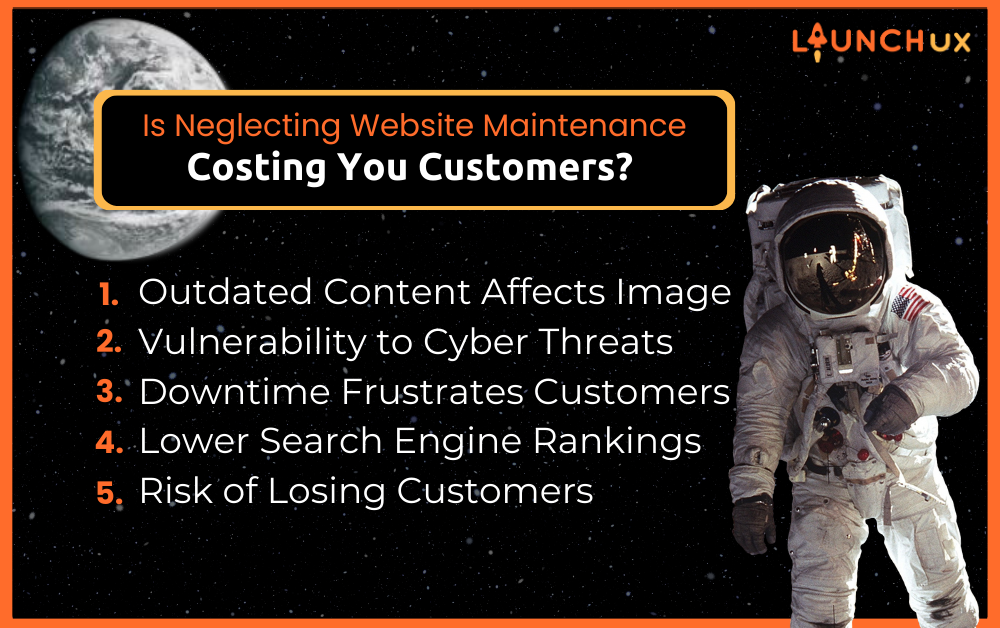
Is Neglecting Website Maintenance Costing You Customers?

In the digital era, your website is the cornerstone of your business’s online presence. It’s not just a platform; it’s a dynamic entity that requires constant attention and care. But what happens when website maintenance is pushed to the back burner? Could this oversight be costing your customers and, ultimately your business’s success? Let’s explore the critical importance of regular website maintenance and how neglecting it can have far-reaching consequences.

The Vital Role of Website Maintenance

A Mirror to Your Brand:

Your website is often the first interaction potential customers have with your brand. It’s essential to make a positive and lasting impression. Regular maintenance ensures your site accurately reflects your brand’s values and professionalism, keeping it fresh, relevant, and engaging.

Ensuring Seamless Accessibility and Functionality:

A well-maintained website is accessible and functional. It offers a convenient avenue for advertising, showcases your products or services, and provides a platform for customer engagement. Neglecting maintenance can lead to a frustrating user experience, driving potential customers away.

The Backbone of Your Online Presence:

In today’s digital age, a strong online presence is non-negotiable. Your website is at the center of this presence, linking your social media, marketing efforts, and online transactions. Keeping it well-maintained is crucial for the seamless integration of these elements.

The Consequences of Neglect

Your Website Content Will Be Outdated:

“Content is king,” the experts always say. But that’s because good content can really take your website – and business – to greater heights. Content also plays an important factor in search engine optimization and what you put out will help you build your credibility in the industry.

With these things in mind, having outdated content due to poor website maintenance – or the lack of it – could hurt your image significantly, pull down your rankings, and make you lose customers and money.

But having fresh and relevant content could do wonders for your business – from boosting your marketing campaign to helping you ensure a steady stream of income.

Your Website Will Become More Vulnerable to Threats:

It is no secret that the Internet is a playground for scammers and identity thieves. Every year, millions of websites are hacked, and important data are stolen to be used for identity theft, illegal purchases, and even crimes.

So, with everyone doing their best to make their website as secure as possible, neglecting maintenance will make you more vulnerable to these threats.

For instance, if your platform releases regular core updates, missing them would mean not getting major security patches that will make your website more secure.

Plugin updates are also important for functionality and to delete security threats, most of which are malware that could potentially steal important information from your business and your customers.

Your Website Could Lose Search Engine Rankings:

Buiding a website is more than just about earning more but also about growing your business. So, if you want that to happen, you need to be on top of your game in terms of optimizing your website.

When you neglect website maintenance, you will start to fail the ranking factors set by search engines like Google in ranking your website.

For instance, a lot of customers leave a website that takes 5-6 seconds to load. This affects customer experience and it could be a red flag for search engines to decrease your ranking in organic search results.

Google is also on the lookout for websites that get easily hacked and once it happens to your website, Google will instantly remove you from its list of ranked websites.

You Risk Losing Your Customers:

According to Oberlo: “As it stands in 2023, the number of digital buyers is at 2.64 billion. This makes up 33.3% of the population worldwide. In other words, one out of every three people you see around you is an online shopper. The number of online shoppers has been growing over the past few years. In 2023, there are 80 million more digital buyers than there were in 2022—a 3.1% year-over-year increase.” A lot of businesses are aware of this fact and will capitalize on it by making sure that their website is accessible, functional, and fast.

Now if you do not maintain your website, your customers will start to experience errors and other difficulties in accessing and making purchases on your website.

But aside from losing money, you are also risking losing the customers you tried so hard to win over. By neglecting website maintenance, you will give an impression to your customers that you do not care about their convenience and it could easily make them lose loyalty to your brand.

LaunchUX: Your Ally in Website Maintenance

Comprehensive and Proactive Maintenance:

A LaunchUX, we understand the stakes. Our comprehensive maintenance services are designed to keep your website at peak performance. We take a proactive approach, addressing potential issues before they impact your business.

Tailored Solutions for Your Unique Needs:

Every business is unique, and so are its website maintenance needs. We offer customized solutions that align with your specific requirements, ensuring your website supports your business goals effectively. Whether you need regular updates, security checks, performance optimization, or content management, our team has you covered.

Expertise and Support When You Need It:

Navigating the intricacies of website maintenance can be daunting. That’s where our team of experts comes in. We’re dedicated to providing you with the support and guidance you need. Whether you’re dealing with technical issues, seeking strategic advice, or simply looking for ways to improve your website, we’re here to assist you every step of the way.

Keeping Your Website Secure and Efficient:

Security and efficiency are at the heart of our maintenance services. We understand the ever-present threat of cyber attacks, which is why we prioritize security updates and patches. By staying ahead of potential vulnerabilities, we ensure your website remains a safe and secure environment for your business and customers.

Embrace Website Maintenance: Your Gateway to a Prosperous Online Future

In conclusion, neglecting website maintenance can have devastating consequences for your business. It’s not a matter of if, but when, the effects will catch up with you. A poorly maintained website can lead to outdated content, increased vulnerability to cyber threats, extended downtime, lower search engine rankings, and the loss of valuable customers. In the digital age, where online shopping and information-seeking are the norm, these consequences are too great to ignore.

The good news is that you don’t have to face this challenge alone. LaunchUX is your ally in the world of website maintenance. We offer comprehensive and proactive solutions tailored to your unique needs, ensuring your website remains secure, efficient, and customer-friendly.

Ready to safeguard your website’s performance and customer experience? Partner with LaunchUX today for top-notch website maintenance services. Contact us now to explore how our expertise can help you maintain a website that drives customer engagement and revenue growth. Don’t delay; secure your online success with LaunchUX.

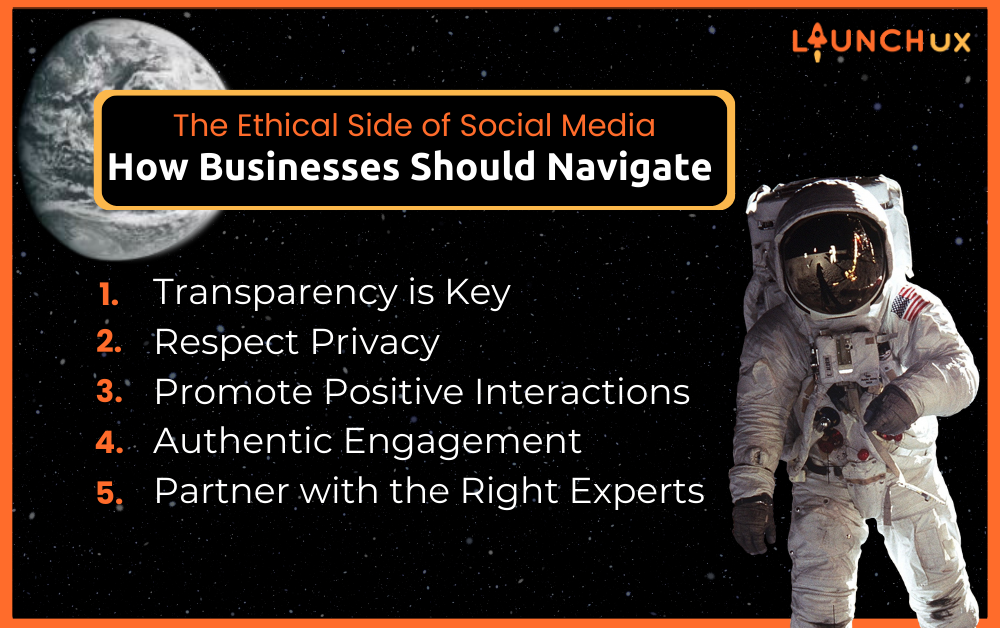
The Ethical Side of Social Media: How Businesses Should Navigate

In today’s digital landscape, social media is more than a communication tool; it’s an ethics battleground demanding businesses’ careful responsibility. Understanding and upholding social media ethics is vital for reputation, trust, and lasting customer relationships. In this blog, we delve into social media’s ethical challenges and how businesses, aided by experts like LaunchUX, navigate this complex terrain effectively.

Transparency is Key

One of the cornerstones of the ethical side of social media is transparency. Customers value honesty and openness from the brands they interact with. This means being upfront about your products or services, your business practices, and even the challenges you face. Avoid misleading information or exaggerated claims about what your business can offer. Transparency not only builds trust but also fosters a sense of authenticity, which is highly valued in today’s market.

Respect Privacy

Respecting user privacy is non-negotiable on social media. With the rise of data breaches and misuse of personal information, customers are increasingly wary of how their data is handled. Ensure that your business follows all legal requirements regarding data protection and privacy. Be clear about how you collect, use, and protect customer data, and always seek consent before using customer information for marketing or other purposes.

Promote Positive Interactions

Social media platforms can sometimes be a hotbed for negativity and toxic behavior. As a business, promoting positive and respectful interactions on your platforms is part of your ethical responsibility. Encourage constructive conversations, address negative comments professionally, and avoid engaging in or provoking online conflicts. This not only reflects well on your brand but also contributes to a healthier online community.

Authentic Engagement

Engaging with your audience authentically is another aspect of the ethical side of social media. This means avoiding practices like buying followers or using bots to artificially inflate engagement. Focus on building a genuine community around your brand by sharing valuable content, responding to comments, and participating in relevant discussions.

Partner with the Right Experts

Navigating the ethical side of social media can be challenging, especially for businesses without specialized expertise in this area. This is where partnering with a company like LaunchUX can be invaluable. LaunchUX understands the intricacies of social media ethics and can help your business develop and implement strategies that are not only effective but also ethically sound. From managing your social media presence to ensuring compliance with data protection laws, LaunchUX can guide your business in maintaining an ethical and reputable social media presence.

Contact the LaunchUX Crew

Conclusion

The ethical side of social media is an integral aspect that businesses cannot afford to overlook. In a world where online reputation can make or break a business, navigating social media ethically is not just a legal requirement but also a strategic imperative. By prioritizing transparency, respecting privacy, promoting positivity, engaging authentically, and partnering with experts like LaunchUX, businesses can successfully navigate the ethical challenges of social media and build a trustworthy and respected online presence.

The Power of Social Media: Boosting Business with Profile Views and Exposure

Social media has transformed into an indispensable tool for businesses aiming to expand their reach and succeed in the digital age. Key to this success are profile views and business exposure. In this concise blog, we’ll explore why social media is vital for business growth and how it can significantly impact your profile views and exposure.

1. Extensive Reach and Engagement

Social media platforms like Facebook, Instagram, Twitter, and LinkedIn boast billions of active users worldwide, offering businesses an unparalleled reach to connect with their target audience. Regularly engaging with your audience through posts and interactions helps increase profile views, ensuring more people discover and engage with your business.

2. Enhanced Exposure

Exposure is a make-or-break factor for businesses. Social media shines a spotlight on your brand, ensuring your target audience encounters your business frequently. Consistent posting and engagement elevate your online visibility, increasing profile views and, in turn, conversions

3. Building Trust and Authority

Social media enables businesses to build trust and authority. Modern consumers research businesses online before making a purchase. A well-maintained profile showcasing expertise and commitment to customer satisfaction establishes trust. Sharing valuable content positions your brand as an industry authority, influencing purchase decisions.

4. Leveraging Paid Advertising

Paid advertising on platforms like Facebook and Instagram helps businesses reach a wider, targeted audience quickly. Allocate a budget to accelerate growth, increase profile views, and expand your business exposure.

5. Real-time Feedback and Analytics

Social media provides real-time feedback and analytics to refine your strategy. Analyzing post engagement, audience demographics, and key metrics helps you understand what works and adjust your approach for better results, ultimately boosting profile views and business exposure.

6. Fostering Customer Engagement and Loyalty

Engaging with your existing customer base on social media fosters loyalty. Encourage customers to share their experiences, provide feedback, and interact with your content. This not only increases profile views but also solidifies customer loyalty, creating brand advocates.

In conclusion, social media is essential for business growth. Profile views and business exposure are central to this growth. By leveraging social media’s power, you can reach a vast audience, establish authority, and build trust. Whether through organic strategies or paid advertising, social media equips businesses to thrive in the digital landscape. Embrace the significance of social media—it’s the key to unlocking your business’s full potential.

The Power of Zoho Sites: A Comprehensive Guide to Site Development

Zoho Sites is a robust website builder that offers a plethora of features designed to help businesses create professional, functional, and aesthetically pleasing websites. With its drag-and-drop interface, pre-designed templates, and a wide range of customization options, Zoho Sites makes it easier than ever to establish an online presence. But while the platform is user-friendly, leveraging its full potential requires a certain level of expertise. This is where the importance of hiring a skilled developer comes into play.

The Features You Can Leverage

Zoho Sites is more than a website builder, providing advanced SEO, analytics, and integration with Zoho’s suite, like CRM, Campaigns, and Analytics. It lets you create attractive, interactive websites with multimedia, blogs, and social feeds. Its responsive design guarantees a seamless experience across all devices.

Why Hiring a Developer Matters

While Zoho Sites is designed to be user-friendly, the platform’s extensive features can be overwhelming for someone without technical expertise. A skilled developer can help you navigate these complexities and make the most out of what Zoho Sites has to offer. They can customize your website to align perfectly with your brand, optimize it for search engines, and even integrate it with other business tools you may be using. Moreover, a developer can implement advanced features like custom forms, automated workflows, and specialized scripts to enhance functionality.

Developers also bring a level of strategic thinking to the table. They can help you plan the architecture of your website, ensuring that it not only looks good but also provides a seamless user experience. This is crucial for customer retention and conversion. Furthermore, they can set up analytics tools in a way that provides you with actionable insights, helping you continuously improve your website and, by extension, your business.

The Bottom Line

Zoho Sites offers a powerful platform for businesses to establish and grow their online presence. However, to unlock its full potential, hiring a skilled developer is often necessary. They guide you through complex features, tailor your site to your brand, and add advanced functions for business growth. While Zoho Sites lays the base, a developer helps you build a skyscraper, not just a small structure.