
rocketfuel, Author at LaunchUX - Page 8 of 28

Author: rocketfuel

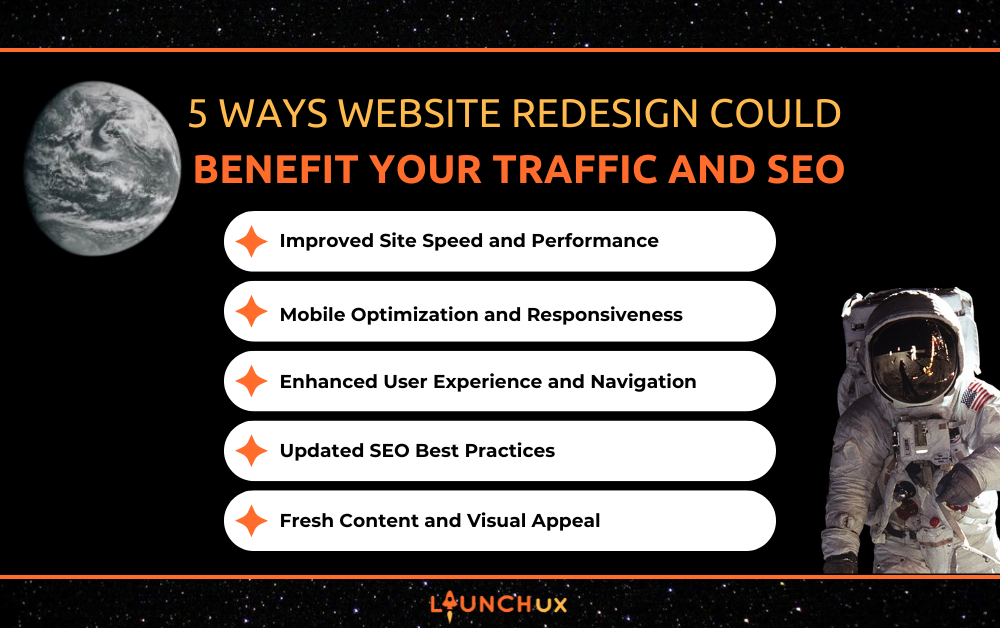
5 Ways Website Redesign Could Benefit Your Traffic and SEO

Your website is frequently the first initial interaction potential customers have with your brand. At LaunchUX, an innovative and strategic website redesign can do much more than just improve how your site looks. When executed correctly, it enhances search engine performance, strengthens user engagement, and drives more qualified traffic. Whether your site is outdated, slow, or simply no longer meeting user expectations, a redesign provides the perfect opportunity to refresh both the user experience and technical foundation. With SEO baked into the process, you can expect long-term visibility gains and increased organic traffic. In this blog, we’ll explore five essential ways a website redesign can benefit your traffic and SEO.

Improved Site Speed and Performance

Why Speed Matters for SEO

Website speed has evolved ro become a critical factor in search engine ranking algorithms, and it directly affects user satisfaction. A slow website frustrates visitors, causes them to bounce quickly, and sends negative signals to search engines. During a redesign, elements such as unoptimized code, oversized images, and outdated plugins are typically addressed to boost speed. These changes help improve loading times and make your site more efficient and responsive. Quicker websites not only perform better in search results but also encourage users to engage with more content. Ultimately, quicker websites build trust and helps improve both SEO and conversion rates.

Engaging Visitors Through Performance

When your website performs well, users are more likely to stick around, explore different sections, and complete actions such as signing up or making a purchase. Redesigning your site with performance in mind allows you to implement new technologies like lazy loading, compressed files, and CDN integration. These methods greatly diminish the time it takes for your pages to load fully. The longer users stay on your site, the more favorable signals are transmitted to search engines, which can lead to higher rankings. In turn, improved rankings can bring in more targeted traffic. This creates a cycle of performance-driven growth for your digital presence.

Staying Competitive Online

Your competitors are constantly upgrading their digital platforms, and if your site lags behind, it could cost you valuable traffic and business. A website redesign positions your brand as modern, trustworthy, and professional—qualities that users and search engines both reward. Additionally, improving load speed across devices helps ensure that mobile and desktop visitors get the same high-quality experience. In competitive industries, even a one-second delay in page load time can mean losing a lead to a faster site. By staying on top of performance trends during your redesign, you’re investing in long-term visibility and customer retention.

Mobile Optimization and Responsiveness

Adapting to Mobile-First Indexing

With Google’s mobile-first indexing, your site’s mobile version is now the primary version evaluated by search engines. That means if your site isn’t optimized for mobile, you could be losing visibility and rankings, even if your desktop version performs well. A redesign helps ensure your layout, text, buttons, and media scale smoothly across smartphones and tablets. The result is a cleaner, easier experience for mobile users, who currently represent the majority of web traffic. A mobile-friendly site isn’t just a convenience—it’s a necessity for SEO success. Without it, your website could fall behind, no matter how strong your content is.

Improving User Experience Across Devices

Responsive design creates a seamless browsing experience across all screen sizes, making your site more accessible and engaging. With a redesign, you can tailor your interface to adapt automatically to different devices, which reduces user frustration and improves usability. Visitors are more likely to explore further when navigation feels intuitive and content is easy to consume. This increased engagement benefits SEO by lowering bounce rates and boosting time on site. A mobile-optimized website also improves shareability, allowing users to send links to others without worrying about how the page will display. Ultimately, you capture more opportunities to rank and convert across platforms.

Expanding Your Reach

Optimizing your site for mobile isn’t just about keeping up—it’s about expanding your potential audience. A mobile-optimized site ensures that everyone, regardless of their device, can access your content and interact with your brand. Many users today rely solely on mobile devices for browsing, and failing to serve them effectively means missing out on traffic and revenue. A website redesign helps you tap into this growing segment of users, broadening your reach and increasing your visibility. More visibility means more impressions, more clicks, and more conversions. With responsive design in place, you’re positioned to grow across every channel.

Enhanced User Experience and Navigation

Streamlining the User Journey

A great user experience starts with simple, intuitive navigation. During a website redesign, it’s common to restructure menus, refine page layouts, and declutter the interface for smoother browsing. When visitors are able to quickly find what they’re searching for, they’re more likely to stay on your site, engage with more content, and complete desired actions. Straightforward navigation also helps search engines crawl your site more effectively, improving how your pages are indexed and ranked. A smooth user journey increases the chances of conversion and supports stronger SEO performance. The better the experience, the more valuable your site becomes to both users and search engines.

Encouraging Longer Sessions

When your site is easy to navigate and visually appealing, users naturally spend more time exploring it. A redesign allows you to guide visitors through your content using clear calls to action, internal links, and well-organized page structures. The longer a user stays on your site, the more Google sees your content as relevant and engaging. These longer sessions can help boost your rankings, especially for competitive keywords. Additionally, increased time on site often correlates with higher conversion rates. A positive user experience isn’t just good for people—it’s good for business.

Building Trust and Authority

Your website is a reflection of your brand, and outdated designs can hurt credibility. A redesign helps you present a modern, polished, and professional image that inspires trust from the moment someone lands on your page. Trust plays a significant role in user behavior—people are more likely to share, bookmark, and link to sites they feel confident in. These actions directly support SEO by increasing authority and driving referral traffic. The combination of aesthetic appeal and functional clarity positions your site as a trusted resource. With that trust comes stronger engagement and a more loyal audience.

Updated SEO Best Practices

Modernizing On-Page SEO

A website redesign offers you an ideal opportunity to bring your on-page SEO up to current standards. Many older websites lack proper heading structures, meta tags, optimized images, and clean URLs. With a modern site, you can integrate all of these essential elements to make your content more discoverable. Updated pages are easier for search engines to index and rank, giving your site a competitive advantage. You also have the chance to optimize titles and descriptions to improve click-through rates. Together, these updates help drive more organic traffic and improve overall SEO health.

Cleaning Up Technical Issues

As websites age, they tend to accumulate technical problems like broken links, redundant pages, and slow-loading assets. A redesign gives you the opportunity to conduct a full technical audit and resolve these hidden issues. Fixing crawl errors, optimizing redirects, and simplifying your site structure make it more straightforward for search engines to access your content. A cleaner site not only boosts your rankings but also ensures that users aren’t frustrated by glitches or dead ends. These behind-the-scenes improvements build a stronger foundation for future SEO efforts. By addressing technical debt, your site becomes more robust and search-friendly.

Aligning with SEO Goals

Redesigning your website offers you the power to align it more closely with your marketing and SEO goals. You can reevaluate which keywords you’re targeting, optimize content placement, and build a better internal linking structure. These changes help direct traffic to your most valuable pages and improve your visibility for essential search terms. The redesign also provides an opportunity to implement schema markup and structured data to enhance rich results. All of these adjustments support a more focused, strategic approach to SEO. With a clear plan in place, your site is better positioned to grow traffic consistently.

Fresh Content and Visual Appeal

Refreshing Outdated Content

One of the most significant benefits of a website redesign is the chance to review and update your existing content. Old blog posts, outdated product pages, and irrelevant information can be revised or removed to improve relevance and clarity and updated content cues to search engines that let them know your website is active and trustworthy, which can positively influence rankings. You can also use this opportunity to add internal links, re-optimize with current keywords, and improve formatting for readability. These content updates not only boost SEO but also provide a better experience for users. Over time, refreshed content becomes one of your most valuable digital assets.

Adding New Media and Features

A redesign gives you the freedom to incorporate new visuals and features that modernize your website experience. Videos, animations, and infographics help capture user attention and communicate complex information quickly. When optimized for speed and SEO, these media elements enhance user engagement and support higher rankings. Interactive tools and dynamic content can also increase session time and encourage more sharing across platforms. By introducing new features, your site feels fresh and relevant, which keeps users coming back. These upgrades help differentiate your brand and reinforce your authority in your industry.

Making a Lasting First Impression

Your homepage and landing pages are often the first things visitors see—and they form immediate opinions about your brand. A website redesign ensures that you make a memorable and positive first impression. Cohesive branding, high-quality visuals, and consistent messaging all contribute to a sense of professionalism. When visitors experience confidence in your brand, they’re more likely to explore your content, trust your products or services, and convert. First impressions also affect SEO indirectly by improving engagement metrics. A redesigned site builds both confidence and loyalty from the very first click.

At LaunchUX, we understand that a thoughtful website redesign can lead to powerful results—from increased search rankings to higher user engagement. By optimizing performance, embracing mobile design, improving user experience, updating SEO strategies, and refreshing content, your new website can become a magnet for qualified traffic. Whether your current site is holding you back or you’re ready to evolve, a redesign offers a chance to realign with your goals and outperform competitors. Let us help you build a website that not only looks great but works hard behind the scenes to grow your business.

Ready to transform your website? Contact LaunchUX today to ask how to begin your website redesign and unlock your site’s full SEO potential.
The Role of Keyword Research in Digital Strategy

If you’re a business owner looking to grow online, keyword research isn’t just a marketing buzzword—it’s the backbone of your entire digital strategy. By understanding the exact phrases your customers are typing into search engines, you can create blog posts that answer real questions, build website pages that rank for relevant terms, and run Google Ads that target high-intent buyers. In this blog, we’ll break down how keyword research powers your blog, website, and advertising efforts—so you can attract the right traffic and get better results from every piece of content you publish.

Why Keyword Research Matters for Your Business

Keyword research is one of the most important tools a business owner can use to grow online. It directly influences how visible your brand is in search engines and how effectively you reach new customers. Without keyword research, your marketing becomes guesswork instead of strategy.

It Helps Customers Find You First

When people search online for services or products, they’re using specific phrases. Keyword research shows you what those phrases are, so you can optimize your content to match. This increases your chances of showing up in Google results ahead of competitors. It’s the difference between being found—and being forgotten.

It Aligns with What People Are Actually Searching

Many businesses unknowingly create content using internal jargon or vague terms. Keyword research helps you understand how your audience talks about their problems and what language they use when searching. This allows you to tailor your messaging to real-world queries. When you match your content to user intent, you get more qualified traffic.

It Informs Smarter Business Decisions

Keyword data provides insight into what your audience cares about and how demand shifts over time. This can guide not just your content strategy, but your product offerings, service pages, and advertising efforts. By focusing on high-value keywords with strong search volume, you ensure your efforts are aligned with actual market demand. In short, keyword research helps you prioritize what matters most to your customers.

Blogging with Purpose: Using Keyword Research to Drive Organic Traffic

Blogging can be a powerful tool for bringing new visitors to your site, but only if it’s backed by strategy. Keyword research helps you create blog content that answers specific questions your audience is actively searching for. Instead of publishing random topics, you’re building content that ranks, resonates, and converts.

Choosing the Right Blog Topics

Keyword research gives you clarity on what people want to read. By targeting keywords with solid search volume and low competition, you increase your chances of getting seen. This approach also prevents you from wasting time on blog posts that won’t drive traffic. With the right keywords, each post becomes an opportunity to attract new visitors.

Building Authority Over Time

Consistently publishing keyword-optimized content helps your website gain authority in the eyes of search engines. When you cover related topics in-depth, Google begins to view your site as a trustworthy source in your industry. This makes it easier for future content to rank. Over time, you create a content ecosystem that brings in steady, organic traffic.

Turning Traffic Into Leads

Targeted blog content doesn’t just attract readers—it attracts the right readers. When someone lands on a post that directly addresses their question or need, they’re more likely to explore your services. Adding calls to action and linking to service pages helps convert that blog traffic into leads. Keyword research ensures you’re writing content that moves people further down the sales funnel.

Optimizing Your Website for the Right Audience

Your website is often the first impression a potential customer has of your business. Keyword research helps ensure that impression starts with the right people finding you. By targeting the terms your ideal customers are searching for, you can improve visibility and drive more qualified traffic to your site.

Service Pages That Speak Your Customer’s Language

Too often, business websites focus on what they want to say, not what their customers are searching for. Keyword research helps you build service pages around terms people are actually using—like “affordable IT support” or “emergency HVAC repair near me.” This increases your chances of ranking for relevant local and niche searches. As a result, your website becomes a stronger tool for lead generation.

On-Page SEO That Boosts Rankings

Using the right keywords throughout your headers, meta descriptions, and page content tells Google exactly what your page is about. This improves your chances of appearing in search results for those terms. Keyword research ensures you’re not just guessing what to optimize—you’re making data-driven choices. Strong on-page SEO also helps users stay on your site longer, reducing bounce rates.

Improved Site Structure and Navigation

When you group keywords into themes, it helps inform how your website should be structured. For example, separate pages for “web design,” “SEO services,” and “social media management” make more sense than lumping everything into one general page. This improves user experience and makes your content easier to find. A keyword-informed structure also creates more internal linking opportunities, which supports your overall SEO.

Fueling Google Ads with Strategic Keyword Selection

Running Google Ads without keyword research is like throwing darts in the dark—you might hit the target, but you’ll waste a lot of budget trying. Keyword research ensures your ads reach people who are actively looking for your product or service. It also helps you craft more relevant ads that convert at a higher rate.

Targeting High-Intent Search Terms

Not all keywords are created equal. Some indicate general interest, while others show clear buying intent—like “buy CRM software” or “roof repair near me.” Keyword research helps you identify and prioritize those high-converting phrases. This leads to better ad performance and a stronger return on investment.

Controlling Ad Spend with Better Targeting

When you know which keywords are worth bidding on, you can avoid wasting money on irrelevant or low-intent traffic. Research also reveals negative keywords—terms you don’t want your ads to show for. This level of targeting helps stretch your ad budget further. It’s one of the simplest ways to reduce cost-per-click while increasing conversions.

Writing More Effective Ad Copy

Strong keyword research informs the language you use in your ad headlines and descriptions. By matching your copy to the exact terms people are searching for, you improve your Quality Score and click-through rate. You also show potential customers that your business understands their needs. This relevance builds trust and increases the chances of a click turning into a lead or sale.

Conclusion: Let Keyword Research Guide Your Digital Strategy

Keyword research isn’t just for marketers—it’s a valuable tool every business owner should understand and use. Whether you’re writing blog content, building a website, or running Google Ads, the right keywords help you attract the right audience. They ensure your message shows up when and where it matters most.

At LaunchUX, we use keyword research to create smart, data-driven strategies that help businesses grow online. If you’re ready to take the guesswork out of your digital marketing, let’s talk. We’ll help you turn search data into real-world results.

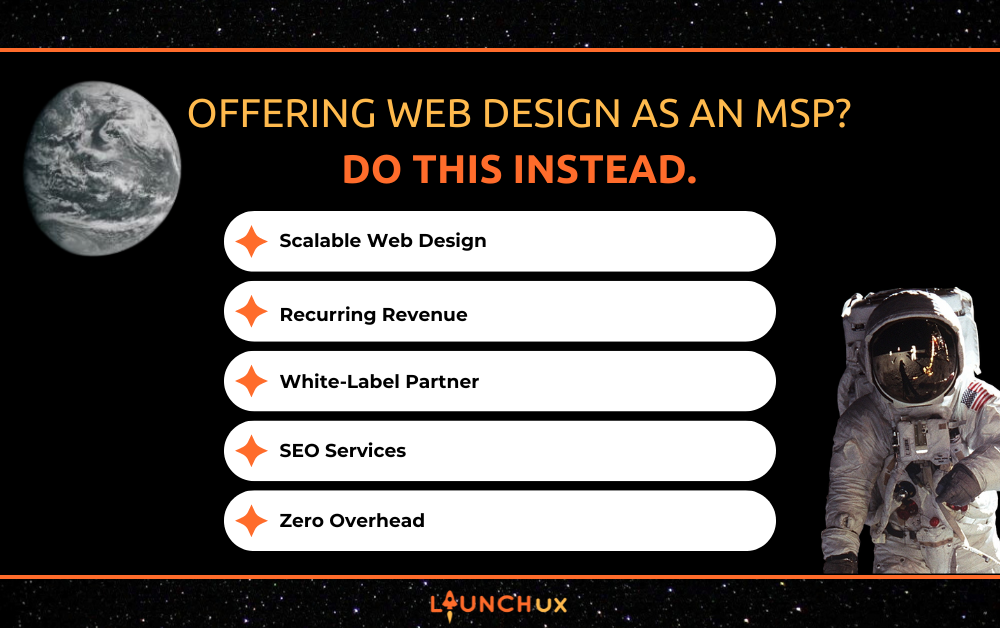
Offering Web Design as an MSP? Do This Instead.

Clients are expecting their Managed Service Providers (MSP) to do more than maintain networks and fix technical problems. They want guidance in building a complete digital presence—including their websites. But just because clients want web design doesn’t mean you should be the one doing it.

If you’ve considered offering web design services—or you already are—you’ve likely realized how different it is from your core offerings. Creative work doesn’t fit neatly into your ticketing system. The process is slow, labor-intensive, and filled with revisions.

Here’s the good news: MSPs don’t have to choose between saying no and doing it all themselves. In this article, we’ll break down a more efficient, scalable, and profitable way to offer web design to your clients—without adding pressure to your team or overhead to your business.

Why MSPs Are Getting Into Web Design

Clients Are Demanding More

The days of being “just the IT guy” are long gone. Most small business clients will prefer to consolidate their digital vendors. That means they expect their MSP to provide web services, email marketing, social media guidance, SEO, and more.

Web design is often the first—and most visible—element of a business’s digital brand. If your client’s website looks dated, loads slowly, or isn’t mobile-friendly, they’ll blame you whether you built it or not. They want solutions, not excuses.

You’re Losing Work by Saying No

When MSPs say “we don’t do websites,” clients often find another provider who does. The risk isn’t just losing a one-time project. You’re opening the door to a competitor who may also offer IT services—and that’s a threat to your long-term client relationships.

The Temptation to Do It In-House

To meet demand and keep control of the relationship, many MSPs attempt to build websites in-house. Some hire freelance developers or assign it to a tech-savvy technician. Others try to patch something together using Wix, Squarespace, or WordPress.

But what begins as a side project often turns into a drain on your team, your time, and your brand.

The True Cost of In-House Web Design

Offering web design seems like an easy value-add—until you’re stuck in week six of revisions, your techs are missing tickets, and the client is getting frustrated.

Let’s break down the hidden costs:

Time Drain

Your technicians were hired to solve IT issues—not to select fonts, crop images, or manage client feedback loops. When you redirect their focus to web work, you’re losing productivity where it matters most.

Lower Quality Output

Web design requires a completely different skillset than IT support. You need UX knowledge, SEO awareness, graphic design, and project management. Without these, the result is often a templated, underperforming site that reflects poorly on your business.

Staffing and Turnover

Hiring web developers, designers, or SEO experts isn’t cheap. You’ll need ongoing training to keep up with trends, and turnover in these creative roles tends to be higher than in technical positions.

Financial Risk

A poorly executed website project doesn’t just cost you time—it can cost you clients. Unhappy website clients may not trust you with their IT needs either. And if you’ve promised hosting or SEO, the pressure to deliver can extend well beyond launch day.

There’s a Better Way: Partner With a Web Design Provider Built for MSPs

Rather than trying to reinvent yourself as a digital agency, a smarter path is to partner with a white-labeled web design company that knows how to support MSPs and their clients.

Introducing MSP WebPro

MSP WebPro is a specialized solution backed by LaunchUX, a nationally recognized web design and SEO agency. It’s designed specifically for MSPs who want to offer websites and digital services to their clients—without building a creative team or managing fulfillment.

Here’s what makes the model so effective:

  • White-labeled delivery: Everything is branded as your MSP. Your client never knows another company is involved.
  • Turnkey service: We handle design, development, content, SEO, hosting, and updates.
  • Ongoing revenue: You earn monthly income from every website we build, host, or optimize.

This model keeps your team focused on IT support while you expand your services, grow your revenue, and deepen your client relationships.

What’s Included With MSP WebPro

MSP WebPro isn’t just a one-and-done website service. It’s a full-spectrum digital presence solution that includes:

1. Professionally Designed Websites

All websites are:

  • Mobile-responsive
  • Custom-designed (no generic templates)
  • Optimized for user experience and conversions
  • Fully managed from start to finish

2. SEO and Content Strategy

We don’t just build beautiful sites—we make sure people can find them. Our SEO packages include:

  • Keyword research and implementation
  • On-page SEO (titles, metadata, headings)
  • Optional monthly blogging
  • Local search optimization

3. Hosting and Maintenance

  • Lightning-fast, secure hosting
  • Daily backups and performance monitoring
  • SSL certificates
  • Plugin and theme updates (for WordPress)

4. Project Management

We handle all the timelines, checkpoints, and client communication. You’ll stay informed and in control, but we take care of the logistics.

Want to see how it works? Apply to the MSP WebPro Partner Program to schedule a call.

The Financial Model: More Revenue, Less Risk

You make money on every project—without lifting a finger. MSP WebPro’s partner program allows you to:

  • Charge your client your desired rate
  • Pay MSP WebPro a wholesale price
  • Keep the margin
  • Earn recurring revenue on ongoing hosting, SEO, and updates

Case Scenarios: When Partnering Makes Sense

Here are three scenarios where white-label web design delivers major wins:

1. The Solo MSP

You manage everything yourself and don’t have time for new projects. A client asks for a website. Instead of turning them away, you bring in MSP WebPro and deliver a finished site—earning a profit without a time investment.

2. The Growing Team

You’ve tried offering web design but find it hard to scale. Each new client stretches your resources. With a web partner, you can take on more work and stay focused on IT services.

3. The Strategic MSP

You’re looking for long-term growth and better client retention. Adding websites, SEO, and hosting services turns you into a full-service provider—without hiring a single new employee.

Why LaunchUX? Why MSP WebPro?

Not all web design partners are created equal. Here’s what sets us apart:

FeatureMSP WebProDIYFreelancers
White-labeledYesNoSometimes
Fully managedYesNoNo
MSP-focusedYesNoNo
SEO built-inYesNoSometimes
Long-term supportYesNoRarely
Recurring revenueYesNoNo

LaunchUX brings years of experience, a team of certified professionals, and a proven system that works seamlessly with your MSP business.

Say Yes to Websites—Without the Headache

Offering web design can be profitable—but only when done the right way.

Instead of building your own creative department or turning away clients, partner with a team that makes it easy to say yes. With MSP WebPro and LaunchUX, you’ll deliver great websites, retain more clients, and earn recurring income—without straining your internal resources.

Start today—apply to become a partner and turn website projects into profit, not problems. If you need a professional website for your own, reach out to LaunchUX—our award-winning team is ready to help.

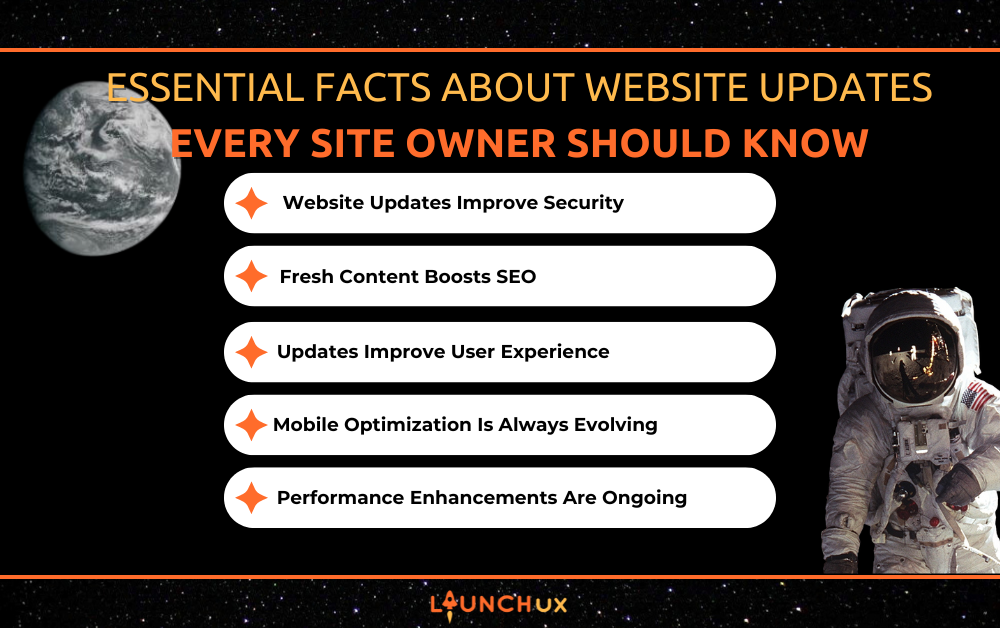
Website Updates: Essential Info for Site Owners

Website updates are essential for keeping your website secure, modern, and high-performing through regular maintenance and ongoing improvements over time. At LaunchUX, we help businesses succeed online by offering ongoing updates that strengthen, protect, and enhance website performance. Without regular updates, your website can become vulnerable, outdated, and frustrating for users to navigate or interact with. Website issues don’t always appear overnight but build slowly due to neglect, leading to costly repairs or security breaches. When updates are consistent, your website runs smoothly and remains aligned with modern standards and user expectations. Let’s explore the most essential facts every site owner should know about the value of regular website updates.

Website Updates Improve Security

Protecting Against Cyber Threats

Cybercriminals target outdated websites because older software may contain known vulnerabilities and weak entry points. Without regular updates, hackers can exploit plugins or themes to access your data or take control of your site. Website updates apply critical patches that block malicious attempts before they become serious problems or lead to data loss. These patches are often released in response to widespread attacks or newly discovered security flaws in popular software. By staying current, you reduce the chance of unauthorized access to sensitive content or private customer information. Security updates are one of the simplest ways to shield your valuable content and sustain a professional online presence.

Outdated Software Creates Vulnerabilities

Every plugin, theme, or CMS you use must stay updated to avoid becoming a liability to your website’s integrity. Over time, developers release fixes for bugs and security issues, which are essential to apply as soon as possible. Skipping even minor updates can open your site to malware, data theft, or disruptive errors that break key functionality. Cybercriminals specifically scan for websites running older versions of software because those vulnerabilities are widely known. When you update regularly, you’re proactively closing off potential access points before attackers discover them. It’s a simple but highly effective way to reinforce your site’s safety without making significant infrastructure changes.

Safe Browsing Builds Trust

Your users expect a secure experience, and browsers now warn visitors when a site lacks basic protections. Security certificates, firewalls, and updated software all play roles in making your site appear trustworthy to new users. Frequent website updates maintain these protections, ensuring users don’t receive alarming browser warnings while visiting your pages. Trust is a significant part of user experience and can determine whether someone stays, clicks, or purchases from your site. A secure environment encourages users to enter contact details or payment information without second thoughts. When users feel safe, they’re more likely to return and recommend your site to others in their network.

Fresh Content Boosts SEO

Search Engines Favor Active Websites

Search engines respond more positively to websites that are regularly updated with new, relevant, and high-quality content. An inactive website may appear outdated, causing it to slip in search rankings over time compared to active competitors. Website updates show search engines your business is still operating, evolving, and responding to market demands. This activity helps ensure your content is indexed correctly and shows up for valuable keyword searches.Each update reinforces your authority in your niche and signals relevance to both users and search engine bots. Fresh content equals a more substantial presence in organic search results, which can drive valuable traffic to your site.

New Content Brings New Opportunities

Each time you post a blog, update a service page, or add case studies, you create more ranking opportunities. The new content allows you to target different search queries or address trending industry topics relevant to your audience. Fresh content also provides internal linking opportunities that strengthen your site’s overall SEO structure and flow. The more value your content offers, the more time users spend exploring your site and learning about your brand. These interactions help search engines recognize your site as helpful, which boosts visibility in search results. When paired with proper keyword use, regular updates can significantly increase your website’s long-term search performance.

Improved Engagement Through Relevance

Users want content that reflects current information, modern solutions, and updated offerings or promotions. Old content that references outdated prices, policies, or services can frustrate or mislead potential customers. Website updates help you refine your messaging and ensure your brand appears professional and in touch with trends. Updated content also helps clarify what differentiates you from competitors who may not invest in ongoing site maintenance. Engaging, relevant information encourages users to take action—whether sending contact details, making payments, or registering for updates. Every update gives you a new opportunity to connect with your audience and improve their experience.

Updates Improve User Experience

Faster Load Times and Fewer Errors

Slow-loading pages drive visitors away and damage your ability to capture leads or generate new customers from your traffic. Many website updates improve performance by reducing code bloat and optimizing how content is delivered across devices. Updated tools and plugins often work more efficiently, reducing lag or technical errors that frustrate users. Better performance leads to longer session durations and a lower bounce rate, both critical for SEO success. When your site performs quickly, visitors are more likely to engage with more content and complete intended actions. Speed improvements also support accessibility for users with slower internet connections or mobile data limitations.

Seamless Navigation Across Devices

Modern users access your site from desktops, laptops, tablets, and smartphones—sometimes all in a single day. Consistent updates ensure your navigation menus, layouts, and buttons function correctly across every device and browser type. Poor mobile experiences are one of the leading reasons users abandon websites without interacting further. Updated frameworks and responsive designs ensure your site adjusts smoothly to all screen sizes and orientations. Improving mobile usability boosts both engagement and satisfaction among on-the-go users and mobile-first customers. When users can navigate easily, customers feel assured by your brand and proceed with the actions you encourage.

Functional Features That Work as Intended

Website features like contact forms, image sliders, and shopping carts must operate correctly to provide a smooth experience. Over time, these tools may break if supporting software becomes outdated or incompatible with your core platform. Frequent website updates ensure all functionality is preserved and improves how users interact with your site. Broken features frustrate visitors, hurt credibility, and can even stop users from converting or returning. Timely updates reduce the risk of major failures and give users the seamless experience they expect. Every working feature reflects your attention to detail and commitment to quality service.

Mobile Optimization Is Always Evolving

Adapting to User Behavior

Mobile web browsing has overtaken desktop, making it necessary to ensure your site operates well on both phones and tablets. Users expect fast loading, intuitive layouts, and interactive elements that function well on small screens. Website updates ensure your mobile design evolves with shifting user habits and emerging usage patterns. As expectations rise, a mobile-first approach becomes necessary for maintaining engagement and driving conversions. Without updates, your mobile site may feel clunky, outdated, or difficult to navigate. Keeping mobile performance top-of-mind is key to future-proofing your online presence.

Keeping Up With Tech Advancements

Mobile technology evolves quickly, introducing new devices, screen sizes, browsers, and input methods every year. Your website must remain compatible with these changes to avoid looking broken or outdated to mobile users. Frequent updates ensure smooth experiences regardless of whether users are on Android, iOS, or a new browser version. As devices shift toward foldable screens or new resolutions, your site should adapt accordingly. Regular updates keep your brand polished and functional across any technology your visitors may use. Staying current helps you avoid falling behind competitors who offer better mobile experiences.

Responsive Design Is an Ongoing Process

Responsive design isn’t something you set once and forget—it requires regular testing and refinement to stay effective. Every change in user behavior, screen resolution, or browsing method may require layout or performance adjustments. Website updates help ensure that your design remains clean, scalable, and user-friendly across devices. An adaptable site helps you deliver consistent user experiences and maintain professionalism at every customer touchpoint. Whether users scroll vertically or tap horizontally, responsive design must stay modern and intuitive. Regular attention to design responsiveness keeps your digital presence both flexible and functional.

Performance Enhancements Are Ongoing

Updates Optimize Speed and Stability

A fast, stable website is essential for attracting and retaining users in today’s competitive digital environment. Website updates often include code improvements, caching adjustments, and other refinements that speed up page loads. Fast load times directly impact how long users stay and how many pages they visit during a session. Improved performance also helps search engines rank your site higher by meeting technical expectations. Frequent updates reduce downtime and ensure consistent access to your content and services. The smoother your site runs, the more likely users are to return and engage with your brand.

Plugin and Platform Improvements

Plugins and website platforms are frequently updated to include bug fixes, security patches, and enhanced features. Outdated tools can conflict with your site’s core files or slow down performance across essential pages. By updating regularly, you avoid compatibility issues and maintain a high-functioning digital environment. Software improvements can also unlock new capabilities that enhance how your site serves visitors. Modern functionality keeps your brand looking innovative and responsive to customer needs. Well-maintained platforms reduce the likelihood of expensive technical issues down the road.

Long-Term Efficiency Gains

A well-updated site performs better, costs less to maintain, and grows more easily with your evolving business goals. By addressing issues early through updates, you avoid more serious breakdowns that require costly repairs. Website updates also prepare your platform to effortlessly merge with cutting-edge tools and technologies as your requirements expand. The longer you delay, the more complicated and expensive future updates or redesigns may become.
Regular maintenance keeps everything working efficiently and prevents disruption to users and staff.
It’s a small investment that delivers significant long-term value and peace of mind.

Conclusion

Website updates are essential to maintaining your digital presence, supporting both short-term performance and long-term success. From security and SEO to design and speed, every part of your website benefits from routine maintenance and updates. At LaunchUX, we offer professional website update services that protect your investment and keep your business moving forward. Our team ensures your site remains fast, secure, mobile-friendly, and search-optimized at all times.
Don’t let an outdated website hold you back.
Contact LaunchUX today to schedule your next round of strategic, performance-driven website updates.

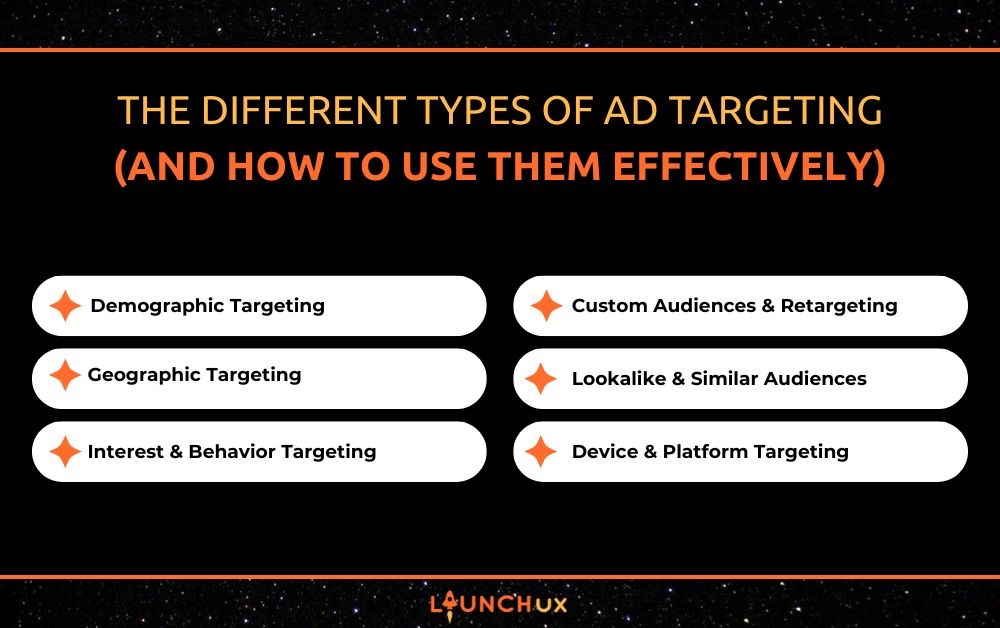
The Different Types of Ad Targeting

When it comes to running ads on social media, one of the biggest mistakes businesses make is trying to reach everyone. Without precise ad targeting, your ads could end up in front of people who have no interest in your product or service. That means wasted budget and missed opportunities. In this blog, we’ll break down the different types of ad targeting, show practical examples, and give you tips on how to test and refine your approach.

Demographic Targeting

Understanding Demographics

Demographic ad targeting lets you reach people based on age, gender, income level, education, and marital status. This is one of the most straightforward ways to start narrowing your audience. By focusing on these attributes, you can ensure your message lands with people most likely to find it relevant.

Who Should Use It

Brands with products tailored to specific life stages, income levels, or gender typically benefit most from demographic targeting. Luxury brands might focus on higher income brackets, while children’s products naturally target parents. It’s an effective way to segment broad audiences into meaningful groups.

Examples of Application

A jewelry company might target women aged 25-45 who are likely to be interested in fashion and accessories. An online course platform could focus on college graduates seeking professional growth, tailoring messaging to career advancement. These campaigns work best when you clearly understand who benefits most from what you offer.

Tips for Success

Combine multiple demographic filters to fine-tune your audience and boost ad performance. For example, target women aged 30-45 with kids for back-to-school shopping campaigns, ensuring your content speaks directly to their needs. Testing different combinations will help reveal which demographic mix drives the best results.

Geographic Targeting

Defining Geo-Targeting

Geo-targeting shows your ads to people in a specific location—by country, city, zip code, or even within a radius around your business. This strategy ensures your ads appear only to people who can actually visit your location or benefit from your local service.

When to Use It

It’s perfect for local businesses, events, or services tied to a location. Seasonal products that depend on climate or regional trends also benefit. Using geo-targeting helps you avoid spending money advertising to people too far away to ever become customers.

Examples of Use

A snow removal company could target northern cities where winter weather demands their services. A restaurant might advertise only within 10 miles of its location to bring in local diners. Even national brands use geo-targeting to run regional promotions tied to local events.

Advanced Strategies

Try geo-fencing to trigger ads when people enter a defined area, such as a shopping center or near your storefront. This approach can drive immediate foot traffic by reaching potential customers when they’re already nearby, increasing the chance they’ll stop in.

Interest & Behavior Targeting

What It Covers

Interest and behavior ad targeting focuses on reaching people based on hobbies, lifestyle choices, past purchases, and even life events like moving or getting married. It taps into what matters most to them, aligning your message with their current interests.

Why It Matters

Aligning ads with users’ interests makes your message far more relevant and engaging, leading to higher click-through rates and conversions. It helps ensure your budget is spent reaching people already inclined to care about what you offer.

Common Examples

You might advertise camping gear to outdoor enthusiasts or promote pet insurance to people who recently adopted a pet. By focusing on specific interests or recent activities, your ads stand out and speak to real needs and desires.

Pro Tips

Layer interests for sharper targeting. If you sell eco-friendly yoga mats, target people interested in both sustainability and yoga. This combined approach filters out broader audiences and zeroes in on those most likely to respond, making your campaigns more efficient.

Custom Audiences & Retargeting

What It Means

Custom ad targeting allows you to reach people who already know your brand—like past website visitors, customers, or your email subscribers. These are warm audiences who’ve shown interest before, making them more likely to convert.

Who Should Leverage This

Any business wanting to nurture existing relationships or re-engage people who showed interest but didn’t convert should use custom audiences. It’s particularly valuable for e-commerce, service-based businesses, and B2B companies that need multiple touches to close a sale.

Examples in Action

You might show a discount ad to customers who left items in their cart, or upsell camping accessories to people who previously bought a tent. These targeted nudges help close the loop and turn interest into action.

Maximizing Impact

Use segmented lists to personalize ads. For example, offer loyalty rewards to repeat buyers or announce a new product to your most engaged email subscribers. Tailored retargeting strengthens relationships and keeps your brand top of mind.

Lookalike & Similar Audiences

How It Works

Lookalike targeting finds new people who resemble your best customers by matching demographics, interests, and behaviors. It leverages existing data to expand your reach to people likely to have similar buying habits.

Best Use Cases

This approach is ideal for scaling campaigns after you’ve identified an audience that converts well. It helps you grow efficiently by leaning on proven data instead of starting from scratch every time.

Sample Campaigns

Create a lookalike audience from your top purchasers to find more high-value customers. Or base it on people who recently completed a lead form to generate similar high-intent prospects. The platform’s algorithms do the heavy lifting to find these matches.

Optimization Tips

Experiment with similarity percentages—1% for close matches that are almost identical to your core audience, or 5-10% for a broader group that still shares key traits. Testing different ranges helps you balance quality leads with overall reach.

Device & Platform Targeting

What You Target

You can customize ads by device type, like mobile vs. desktop, or by platform, such as Instagram, Facebook, or LinkedIn. This flexibility allows you to reach people where they’re most active and in the format they prefer.

Why It’s Important

People behave differently on mobile vs. desktop. Some platforms drive quick impulse purchases, while others are better for in-depth research or professional networking. Matching your ads to these behaviors makes your campaigns more effective.

Real Examples

Use mobile-optimized video with swipe-up offers on Instagram Stories for users on smartphones. On the other hand, promote downloadable white papers on LinkedIn to desktop users who are more likely to fill out longer forms. Each tactic plays to the strengths of the platform and device.

Fine-Tuning Results

Tailor your creative and calls to action to fit each platform’s style and how your audience engages there. Review performance metrics by device and platform to see where your budget delivers the highest ROI, then adjust accordingly.

Conclusion

Choosing the right ad targeting is just as important as crafting the perfect ad. With so many options available, you can make sure your ads appear to the people most likely to care. Keep testing different audience segments, watch performance metrics closely, and fine-tune your strategy to lower costs and boost results. Ready to make your ad dollars go further? Let LaunchUX get you started!

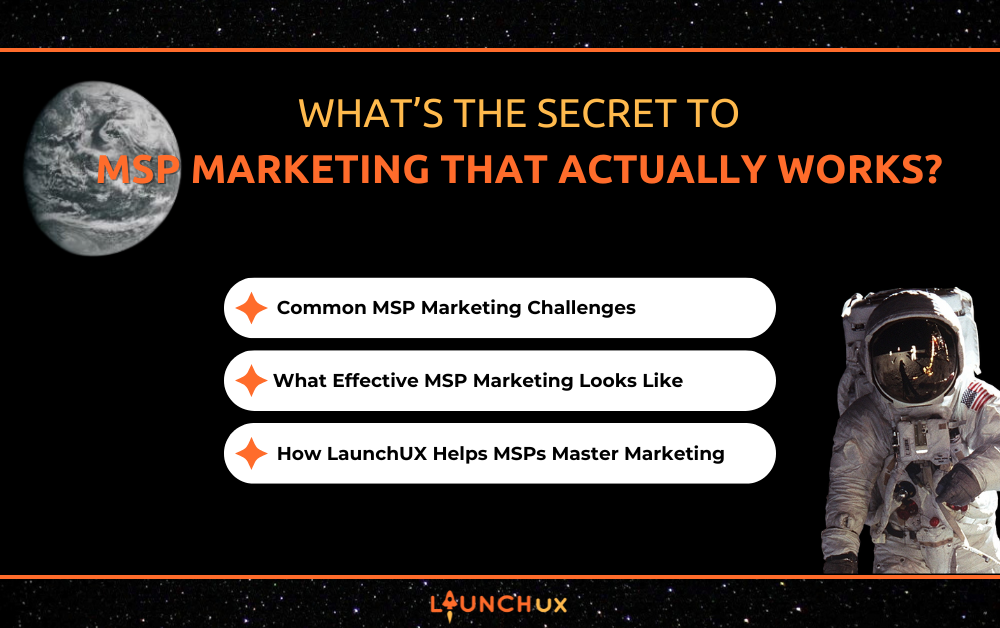
What’s the Secret to MSP Marketing That Actually Works?

Marketing is one of the biggest hurdles MSPs face. You’re great at solving IT problems—but when it comes to getting found online, attracting new leads, or standing out in a crowded market, MSP marketing can feel overwhelming. Most providers don’t have the time, tools, or expertise to build a consistent strategy that actually works. That’s why many successful MSPs turn to agencies like LaunchUX and MSP WebPro—trusted partners who understand both technology and how to market it effectively. In this blog, we’ll explore the most common marketing struggles MSPs face and how teaming up with the right agency can help you grow your business faster and smarter.

Common MSP Marketing Challenges

When you’re focused on supporting clients and fixing complex IT issues, marketing your MSP often falls to the bottom of the to-do list. But ignoring MSP marketing can limit your growth, especially when you’re competing against providers with bigger budgets or more polished online presence. Here are some of the most common challenges MSPs face when trying to market themselves:

Lack of In-House Marketing Expertise

Most MSPs don’t have a marketing department—and that’s okay. But without someone who knows how to build a brand, generate leads, or manage digital campaigns, marketing efforts often stall or miss the mark entirely.

Overly Technical Messaging

Too many MSP websites and ads are full of industry jargon that the average business owner doesn’t understand. Talking about “RMM tools” or “endpoint detection” might make sense to you—but your audience cares about reliability, security, and peace of mind. MSP marketing needs to translate technical services into clear business value.

Websites That Don’t Convert

Even if you have a website, it may not be working for you. Slow loading times, outdated design, or lack of clear calls-to-action can all cost you leads. Many MSPs have sites that look “fine” but do little to actually generate business.

Inconsistent or Ineffective Social Media

Social platforms—especially LinkedIn—are powerful for MSPs, but many providers either don’t post consistently or share content that’s too dry or technical. This leads to low engagement and missed opportunities to build trust with potential clients.

Poor Local SEO

Your ideal clients are already searching for “IT support near me” or “cybersecurity services [city]”—but if your site isn’t optimized, they’ll never find you. Without strong local SEO, even great MSPs get buried in search results.

What Effective MSP Marketing Looks Like

It’s one thing to know what’s not working—but what does successful MSP marketing actually look like? At its core, it’s about building trust, making it easy for clients to find you, and communicating your value in a way that resonates. Here’s what a strong marketing strategy for MSPs should include:

Clear, Benefit-Driven Messaging

Effective MSP marketing doesn’t just list services—it focuses on outcomes. Instead of saying “we manage your network,” say “we keep your business running smoothly, with less downtime and fewer headaches.” Speak your client’s language, not your own.

Websites Built to Generate Leads

Your website isn’t just a digital brochure—it’s a sales tool. A high-performing MSP site should be fast, mobile-friendly, SEO-optimized, and designed with conversion in mind. That means easy navigation, clear CTAs, trust signals like testimonials, and compelling content that answers your clients’ top concerns.

Consistent, Human-Focused Social Media Content

Your audience wants to see the people behind the tech. Sharing cybersecurity tips, team spotlights, helpful blogs, or client success stories can turn social media from a time-waster into a growth tool. Especially on LinkedIn, MSP marketing is all about showing up with value.

Local SEO That Brings in the Right Traffic

Effective marketing ensures that when someone searches for “MSP in [your city],” you show up. Local SEO strategies—like optimizing your Google Business Profile, building local backlinks, and publishing targeted service pages—help you rank higher and attract real leads.

Funnels and Automation to Nurture Leads

Not every visitor is ready to call right away. With lead magnets (like downloadable guides or free audits), email follow-ups, and contact forms that actually work, your MSP can stay top-of-mind and move prospects closer to becoming clients.

How LaunchUX Helps MSPs Master Marketing

At LaunchUX, we understand that MSP marketing isn’t just about posting on social media or tweaking a few keywords—it’s about creating a system that consistently brings in qualified leads, builds credibility, and supports long-term growth. Whether you’re starting from scratch or trying to refine your existing strategy, here’s how we help MSPs thrive:

Specialized SEO for MSPs

We go beyond surface-level tactics and build an SEO strategy tailored to the MSP space. That includes optimizing your service pages, building backlinks, improving local visibility, and helping you rank for terms your ideal clients are actually searching—like “IT support in [your city].”

Web Development with a Conversion-First Mindset

Your website needs to work as hard as you do. Our web development approach focuses on designing secure, fast-loading, mobile-friendly websites that are built to convert. Every detail—from layout to call-to-action—is crafted with your growth in mind.

Done-for-You Social Media Management

Most MSPs don’t have time to create content or post regularly—that’s where our social media management services come in. Our team handles everything—writing, scheduling, and engaging—so you can focus on what you do best. We create content that builds trust, showcases your expertise, and humanizes your brand.

Clear Messaging That Speaks to Business Owners

We help translate your technical services into compelling, easy-to-understand language that resonates with your target audience. It’s not just about what you do—it’s about why it matters to your clients.

That’s why we created MSP WebPro—a dedicated arm of LaunchUX built specifically for managed service providers. With MSP-focused strategy, content, and design, MSP WebPro is where IT providers turn when they’re ready to market smarter.

Conclusion – Let’s Build a Smarter MSP Marketing Strategy

You don’t have to be a marketing expert to grow your MSP—you just need the right partner. With MSP marketing, consistency, clarity, and strategy are what set you apart from the competition. At LaunchUX and MSP WebPro, we specialize in helping managed service providers get found online, generate qualified leads, and build lasting relationships with their clients. If your marketing efforts have stalled or you’re ready to grow faster, let’s talk.

Looking for a way to add more revenue? MSPs who refer others to MSP WebPro can also earn commission—another way we help our partners grow. Contact us today to learn more.

Why Isn’t My Website Showing Up on Google?

Launching a new website is exciting — until you realize no one can actually find it on Google.
You type your business name or key services into the search bar, and… nothing.

Don’t worry. You’re not alone. Whether you run a local shop or a growing e-commerce brand, many business owners face this problem. The good news? In most cases, it’s fixable.
This guide breaks down the most common reasons your website might not show up on Google, plus what you can do to change that.

Common Reasons Your Website Isn’t Showing Up on Google

1. Your Site Is Too New

If you just launched your site, it might not appear on Google yet simply because it’s too new.
Google uses bots (called crawlers) to discover and index pages across the internet. This can take a few days to a few weeks, especially if no other sites link to yours yet.

Quick tip:
Type site:yourdomain.com into Google. If nothing shows up, your site likely isn’t indexed yet.

  • Example – site:launchux.com

Need help speeding up indexing? Reach out to our team — we can set up your site in Search Console and submit it directly.

2. No One’s Linking to Your Website

Links from other websites act like “votes of trust.” If no reputable sites link to you, Google might think your content isn’t important.
Start by:

  • Listing your business on Google Business Profile, Yelp, and local directories.
  • Asking partners, vendors, or happy customers to link back to your site.

Even a handful of quality links can make a big difference.

3. Your Site Blocks Crawlers

Sometimes your own site tells Google to stay away. This could be due to:

  • A misconfigured robots.txt file accidentally blocking search engines.
  • Pages with a noindex tag, which literally instructs Google not to show them.

Check your site settings or ask your developer to ensure you’re not hiding your pages by mistake.

4. Thin or Duplicate Content

Google wants to serve helpful, original content.

  • Pages with very little text (like a sparse service page) might be skipped.
  • Duplicate pages (common in e-commerce with similar products) can also confuse Google.

Make sure each page offers unique, valuable information.

Technical SEO Issues That Hurt Visibility

1. Slow Website Speed

Google prioritizes sites that load quickly. A slow site frustrates users — and it notices. Run your site through PageSpeed Insights to see if speed is a problem.

2. Mobile Usability Problems

With over 60% of Google searches on mobile, your site must work on smartphones. Use Google’s Mobile-Friendly Test to see if your site passes. If visitors have to pinch, zoom, or wait for huge images to load, you’re likely losing rankings.

3. Missing or Bad Meta Data

Your title tags and meta descriptions are critical. If they’re missing, too generic, or stuffed with awkward keywords, Google might skip or misinterpret your page.

For example:

  • Good title: “Affordable HVAC Installation in Chambersburg | ABC Heating”
  • Bad title: “Home | ABC Heating”

Is It a Google Penalty?

Not showing up might also mean Google penalized your site.

  • A manual penalty usually appears in Search Console notifications.
  • An algorithmic drop can cause a sudden drop in traffic.

Clues you’ve been penalized include a steep traffic decline or sudden drop in keyword rankings.

Concerned your site might be penalized? Let LaunchUX perform a free audit and diagnose the problem.

How to Get Your Website on Google

1. Submit Your Site to Google

Don’t just wait around.

This gives Google a roadmap to your content.

2. Improve Content Quality

Google loves content that:

  • Answers real customer questions.
  • Includes original photos, videos, or case studies.
  • Keeps visitors engaged longer.

Start by adding helpful FAQs or how-to guides that your audience is searching for.

Focus on earning quality links.

  • Offer guest posts on local blogs.
  • Sponsor a community event (often they’ll link back).
  • Get listed on trusted industry sites.

Avoid buying cheap backlinks — Google penalizes shady tactics.

4. Make Sure Your Site is Technically Sound

  • Fix broken links and 404 errors.
  • Use HTTPS for security (Google favors secure sites).
  • Keep your URL structure clean and descriptive (like yourdomain.com/services).

Frequently Asked Questions

How long does it take for Google to show my website?
Usually between a few days to a few weeks, depending on your industry, links, and technical setup.

Is paying for ads the only way to appear on Google?
No. Ads can get you immediate visibility, but proper SEO helps you show up organically, without paying per click.

What’s the difference between being indexed and ranking high?
Indexed means Google knows your page exists. Ranking means it’s actually showing up on page 1 for keywords people search. Both are important.

Ready to Get Your Website Found on Google?

If your website isn’t showing up on Google, don’t panic — but don’t ignore it either. With the right steps, you can get your site indexed, improve rankings, and start driving more customers your way.

Want expert eyes on your site?

Contact LaunchUX today for a free SEO analysis. We’ll help you uncover exactly what’s holding you back— and how to fix it.

How to Improve Your Google Maps Ranking

If you run a local business, chances are your customers are finding you on Google. But simply appearing on Google Maps isn’t enough — you want to rank near the top. A strong Google Maps Ranking means more people calling, visiting, and ultimately buying from you instead of your competitors. This guide breaks down exactly what influences your ranking and how you can climb higher with practical, proven strategies.

Why Google Maps Ranking Should Matter to You

Local Searches Drive Local Business

Consumers rely on Google to find nearly everything. Studies show over 80% of local searches on mobile result in a purchase or visit within 24 hours. This means someone searching for “coffee shop near me” or “emergency plumber in [city]” is ready to take action — they just need to find the right business.

Showing Up on the Map Means More Foot Traffic

The businesses that appear in the top 3 spots — the local pack — get about 70% of all clicks. This is free visibility that directly translates to calls, direction requests, and walk-ins. If you’re not there, you’re missing the bulk of potential customers who are ready to buy.

Trust and Visibility Go Hand in Hand

Being featured prominently with solid reviews builds credibility. Consumers often equate high rankings with quality. A strong Google Maps presence reassures customers that your business is legitimate, active, and trusted by others.

What Determines Your Google Maps Ranking?

Relevance — Are You What They’re Looking For?

Google’s primary goal is to connect searchers with the most relevant businesses. The categories you select, the services you list, and the keywords in your business description all help Google figure out exactly what you offer. For example, if you’re a roofing contractor, using “roof installation,” “roof repairs,” and “metal roofing” in your description makes it crystal clear.

Distance — How Close Are You to the Customer?

While you can’t change your physical location, you can be strategic. Make sure your service areas are clear on your profile so you show up in surrounding neighborhoods and cities. Many businesses forget to update their radius or list nearby towns they serve, which can limit their visibility.

Prominence — Is Your Business Well-Known Online?

Google evaluates how established and popular your business is by looking at reviews, backlinks from other websites, press mentions, and consistent citations across directories. The more your business is talked about and linked to online, the more prominent you appear in Google’s eyes.

Profile Completeness

Google wants to show searchers businesses that look legitimate and ready to serve them. Profiles with business hours, detailed services, regular posts, Q&A responses, and lots of photos tend to outperform sparse listings. Completing every section of your profile gives Google more reasons to rank you higher.

The Ultimate Checklist to Improve Your Google Maps Ranking

Optimize Your Google Business Profile

Start by claiming and verifying your profile. Then fully optimize it:

  • Use your exact legal business name (no stuffing with extra keywords).
  • Write a clear, detailed description using your services and local city names naturally.
  • Choose the most accurate primary category (like “HVAC contractor” or “family dentist”) and add relevant secondary categories.
  • List out all your key services and products.
  • Upload professional photos showing your location, staff, work, and even happy customers.

Build & Manage Reviews

Reviews are one of the biggest trust factors for Google and potential customers alike.

  • Always ask satisfied customers to leave a Google review. Make it easy by sending a direct link.
  • Respond promptly to all reviews, thanking customers for positive feedback and addressing concerns calmly.
  • Don’t stop at a handful of reviews. Aim to keep new reviews coming in every month to show Google and customers that your business is active.

Strengthen Local Signals & Citations

Google cross-references your business info across the internet.

  • Make sure your NAP (name, address, phone) is exactly the same everywhere — your website, Facebook page, Yelp, industry directories, and even local chamber listings.
  • Build citations by getting listed on reputable local and industry sites. The more quality places that list your business consistently, the stronger your local signals.

Stay Active on Your Profile

Keeping your profile fresh signals to Google that you’re engaged and operational.

  • Post weekly updates or offers. This could be seasonal promotions, new services, or behind-the-scenes looks.
  • Regularly upload new photos to showcase work or happy customers.
  • Monitor and answer any questions that show up in the Q&A section. Being responsive improves trust and keeps you competitive.

Support It With a Local-Friendly Website

Your website ties everything together.

  • Include local keywords in your page titles, meta descriptions, and content so Google knows where you operate.
  • Embed a Google Map on your contact or location page.
  • Make sure your site loads quickly and is easy to navigate on mobile. A poor mobile experience can cost you rankings and customers.

Common Mistakes That Can Lower Your Google Maps Ranking

Wrong or Missing Categories

Choosing vague or unrelated categories confuses Google and reduces your chances of showing up in relevant searches. Always review your categories and adjust as your services evolve.

Inconsistent Information

Even small differences like “Street” vs. “St.” can disrupt Google’s confidence in your business data. Audit your listings regularly to ensure perfect NAP consistency across all platforms.

Ignoring Reviews

Businesses that fail to respond to reviews look inattentive. Whether a review is glowing or critical, always reply. It shows Google and customers that you care and are actively managing your reputation.

Duplicate or Unverified Listings

Multiple listings for the same business divide your authority and can confuse both Google and customers. Regularly search for your business name online and claim or remove duplicate profiles.

Conclusion

Improving your Google Maps Ranking isn’t just about gaming the algorithm. It’s about making it easier for local customers to find, trust, and choose you over competitors. By following these actionable steps, you’ll enhance your online visibility, attract more calls and visits, and set your business up for sustained local growth. Ready to get started? Run a quick audit of your Google Business Profile today or contact LaunchUX to help you take the next step.

Need-to-Know Things About Hashtag Research

Hashtag research plays a crucial role in connecting your content with the right audience. At LaunchUX, we understand that using the right hashtags can dramatically improve your content’s discoverability and interactions. Whether you’re a small business or an influencer, mastering hashtag strategies helps you reach users who are genuinely interested in what you offer. Without thoughtful hashtag research, your posts may go unnoticed in the sea of content flooding social feeds every day. In this post, we’ll cover key facts that every content creator should know to make hashtags work harder for them. Understanding these essentials will give you a strategic edge in your social efforts.

Finding the Right Hashtags

Reaching Your Ideal Audience

Hashtag research helps you pinpoint tags your target audience is actually searching for or following. Using these relevant hashtags puts your content in front of people who care, which leads to better engagement. Simply choosing random or generic hashtags often misses the mark and can hurt your overall visibility. Focusing on hashtags that fit your niche facilitates building genuine connections and nurturing a loyal following. This targeted approach ensures your content reaches those most likely to interact with it. Over time, this kind of engagement translates into stronger brand awareness and growth.

Not all hashtags are created equal; some are extremely popular and crowded, while niche tags tend to have smaller, more engaged audiences. Through hashtag research, you can find the right mix that keeps your content visible longer and attracts the right crowd. Leveraging popular hashtags lets you engage with a more extensive audience, but your posts might get buried quickly due to high volume. Niche hashtags offer more focused exposure, with users who are genuinely interested in your content. Balancing these two types of hashtags helps you maximize reach without losing relevance. This strategy improves your chances of consistent engagement and growth.

Spotting New Opportunities

Research also uncovers trending themes or related hashtags you might not have considered using before. This approach preserves the freshness of your content while matching what your audience cares about now. Staying aware of shifts in popular hashtags helps you remain relevant in conversations happening in your niche. It also allows you to experiment with new tags that could bring unexpected engagement. By diversifying your hashtag strategy, you avoid stagnation and stay ahead of the curve. Continuous hashtag research makes your social presence more dynamic and appealing.

Avoiding Overused Hashtags

Using overly popular hashtags might seem like an easy shortcut, but your content can disappear quickly in those feeds. High-volume tags flood users’ feeds, making it difficult for your posts to stand out unless they get instant engagement. Without early interaction, your content gets pushed down before many users even see it. Recognizing this limitation helps you avoid wasting effort on ineffective tags. Instead, you learn to focus on hashtags that give your posts a better chance of being noticed. This understanding is crucial for building a lasting social media presence.

Why Niche Tags Matter

Niche hashtags attract smaller, more engaged communities where your posts stand out better and get more attention. Although niche tags reach fewer people, those followers are genuinely interested in your subject. As a result, you can expect greater engagement and more loyal followers. Regular use of niche hashtags helps you build a loyal and active audience over time. Concentrating on quality rather than quantity enables you to establish meaningful interactions that benefit your brand. Niche tags are essential for sustainable growth and community building.

Smart Tag Strategy

Effective hashtag research allows you to blend popular and niche tags thoughtfully in your posts. This mix ensures your content reaches a broad audience while maintaining relevance and visibility for longer. Monitoring how your hashtags perform lets you refine your choices to maximize engagement. Over time, you develop a personalized hashtag strategy that works best for your brand and goals. Combining different hashtag types strategically is key to standing out in crowded social feeds. This ongoing refinement drives consistent growth and brand recognition.

Timing is Everything

Trending hashtags offer a great way to jump into popular conversations and gain quick visibility, but timing is critical. Using trending tags too early or too late can reduce their effectiveness significantly. Keeping up with trending hashtags through regular research allows you to join conversations at the right moment. Participating when interest peaks increases your chances of engagement and new followers. This responsiveness helps your content stay relevant and competitive in fast-moving social spaces. Timing your hashtag use correctly is an essential skill for social success.

Seasonal Opportunities

Events, holidays, and industry-specific periods create perfect chances to use seasonal hashtags that resonate with your audience. Research helps you identify these timely tags that make your posts more relatable and engaging. Posting content with relevant seasonal hashtags aligns your brand with what’s currently on people’s minds. Users searching for holiday-related or event-specific content are more likely to discover and interact with your posts. Leveraging seasonal tags helps strengthen your connection with your audience and boosts engagement. It’s a simple way to add relevance and timeliness to your content strategy.

Tools to Stay Ahead

There are many tools available that track trending and seasonal hashtags for you, providing real-time insights. Using these tools ensures you spot opportunities early and keep your content fresh and timely. Analytics platforms also help you understand which hashtags perform best with your audience. Relying on data-driven hashtag research gives you a competitive edge in the constantly evolving social media landscape. Regular use of these tools makes your hashtag strategy more innovative and more effective. Staying proactive helps you make the most of every trend and season.

Learning from Competitors and Influencers

Watching Your Competitors

Checking out the hashtags your competitors use gives valuable insight into what works well in your industry. Competitor hashtag analysis reveals popular tags that attract engagement and traffic. This research saves you time and uncovers effective hashtags you might not have considered. It also highlights less saturated tags that could be smart targets for your brand. Adopting and adapting competitor hashtags sharpens your own strategy. Learning from your competition helps you stay relevant and competitive.

Influencer Insights

Influencers have deep knowledge of their audiences and use hashtags skillfully to maximize reach and engagement. Studying their hashtag choices provides inspiration and reveals trends that resonate strongly with your shared target market. Incorporating influencer-inspired hashtags can help your posts reach the right followers more effectively. It also enables you to understand which content types perform best alongside certain tags. Drawing from influencers’ strategies enhances your overall hashtag research and content approach. This insight is valuable for refining your social media efforts.

Understanding Your Audience

Competitor and influencer hashtag research offers clues about what your audience values and finds engaging. Hashtags that generate high interaction often indicate topics and themes that resonate most with your followers. Gaining this insight lets you personalize your content more precisely to audience interests. Better understanding your audience’s preferences strengthens your connection with them. Audience-centric hashtag research is key to building loyalty and meaningful engagement. It creates a solid foundation for long-term social media success.

Staying Consistent with Hashtag Research

Hashtag popularity can shift quickly, and what works well today might become ineffective tomorrow. Social media trends evolve constantly, impacting which hashtags perform best. Consistent hashtag research ensures you keep using current and effective tags. Without ongoing updates, you risk relying on outdated hashtags that reduce your reach and engagement. Staying informed about these trends preserves your content’s relevance and keeps you competitive in crowded feeds. Regular research is essential for maintaining your social presence.

Keep Your Content Fresh

Updating your hashtags regularly introduces your content to new audiences and signals to social platforms that you’re active and engaged. Using fresh tags helps prevent stagnation and keeps your social media presence vibrant. This approach also broadens your reach by tapping into different communities. By continuously refreshing your hashtag list, you increase the chances of discovery and interaction. A dynamic hashtag strategy supports steady growth over time. Fresh hashtags help keep your brand top-of-mind.

Build a Lasting Strategy

Consistent hashtag research forms the foundation of a sustainable and effective social media presence. Tracking trends, testing new tags, and adjusting your approach create a responsive strategy that evolves with your audience. This long-term mindset helps you stay relevant and discoverable as your niche changes. Investing time regularly in hashtag research improves your engagement and brand awareness. It’s a crucial part of any successful digital marketing plan. With the right strategy, your social media growth becomes both steady and scalable.

Conclusion

Innovative hashtag research is essential for connecting with the right audience and growing your social media impact. At LaunchUX, we focus on helping you stay current with the best hashtags, balancing trends with relevance, and learning from your industry. Understanding your niche, mixing popular and niche tags, leveraging seasonal trends, and analyzing competitors all play a role in successful hashtag use. Don’t let your posts get lost in the noise—invest in consistent hashtag research to keep your content discoverable and engaging. 

Ready to take your social strategy to the next level? Contact LaunchUX today for expert guidance and support on hashtag research and digital marketing.

Social Media Content Ideas to Boost Your Engagement

Designing social media content that resonates might feel overwhelming, but with the right ideas, you can create lasting bonds with your audience while growing your online presence. At LaunchUX, effective content is the foundation of any successful social strategy. It’s no longer just about posting frequently; it’s about sharing content that your audience genuinely wants to interact with. When you focus on value-driven, authentic, and creative content, you begin to build trust and encourage long-term engagement. In this blog, we’ll explore several powerful social media content ideas that can spark inspiration and help you level up your digital presence.

Tips & How-To Guides

Share Practical Advice That Solves Problems

Offering useful tips and how-to guides allows you to provide real value to your audience. When people see your content as helpful and informative, they’re more likely to follow and share it. Focus on solving specific problems your followers face within your niche, and make your advice actionable. Whether you’re in wellness, tech, or retail, showing people how to achieve results positions you as a go-to resource. As a result, you’ll build authority and drive more consistent engagement from your followers.

Break Down Complex Topics Simply

If your industry deals with complicated concepts, your role is to simplify them. Use everyday language and clear steps to break down tough subjects so anyone can understand. You can also use visuals like graphics, diagrams, or video clips to support your explanations. The easier it is for people to follow along, the more likely they are to engage with your content. Simplified education earns attention and builds loyalty from followers who appreciate clarity and accessibility.

Encourage Followers to Try and Share

After posting a helpful tutorial or tip, invite your followers to give it a try. This call to action motivates people to engage and creates opportunities for them to share their results. When followers post about their experience with your advice, it adds social proof to your brand. Make it easy for them by offering templates, examples, or a branded hashtag. Over time, this participation fosters a community that actively uses and talks about your content.

Behind-the-Scenes Sneak Peek

Humanize Your Brand with Authentic Content

Behind-the-scenes content creates transparency and helps your audience feel connected to your brand. It allows followers to see the faces, places, and routines that drive your work. Sharing these moments shows that there are real people and effort behind your business. Whether it’s your morning setup, team collaborations, or raw footage from your workspace, authentic content invites trust. This approach makes your brand feel more personal, approachable, and relatable.

Showcase Your Creative Process

Let your audience in on how your product or service is developed. Documenting your process—from brainstorming and planning to execution—adds depth to your content. It also builds excitement and curiosity about what goes into creating the final result. People enjoy feeling like insiders, and showing your behind-the-scenes steps offers a unique view they can’t get elsewhere. This level of transparency increases appreciation and encourages followers to support your journey.

Build Anticipation for New Launches

Sneak peeks are excellent for teasing upcoming launches or projects. You can share glimpses of packaging, product testing, or design phases to keep your audience guessing. Creating this type of buildup makes people feel more involved and invested in what’s coming next. The more they see the effort behind the scenes, the more they’ll value the final product. Anticipation drives interest, engagement, and even early sales when the launch finally arrives.

Polls or Questions

Spark Conversations with Thought-Provoking Questions

Asking your audience questions is a simple yet powerful way to initiate meaningful conversations. Target discussions that are meaningful to your niche and spark genuine curiosity or emotion. Open-ended questions work well because they invite longer, more thoughtful responses. This type of engagement can also teach you more about your audience’s interests, concerns, and habits. Conversations build community, and interactive posts like these often get more reach on social platforms.

Use Polls to Understand Your Audience Better

Polls are a quick and effective tool for gathering feedback from your followers. They help you gauge opinions on different products, services, or content ideas in real-time. This input can inform your future content strategy and business decisions. When people feel that their opinions matter, they are more likely to stay engaged with your brand. Polls are not just engaging—they’re also informative for you as a creator or business owner.

Make It Interactive and Fun

Keeping your polls and questions light-hearted now and then can make your content more enjoyable. Ask about preferences, “this or that” choices, or fun hypothetical scenarios that still relate to your brand. These interactive moments create a break from more serious content and make your feed feel more human. Humor and creativity go a long way in building rapport with your audience. When people have fun engaging with your posts, they’re more likely to remember and share your brand.

Customer Testimonials or Reviews

Build Trust Through Real Stories

Sharing stories from real customers helps build trust with your audience. When people see how others have benefited from your product or service, they’re more likely to believe in its value. Testimonials work because they highlight real experiences and outcomes. They show your audience what to expect and can help reduce hesitation or doubt. Featuring customer stories regularly makes your social media feel authentic and reliable.

Highlight Different Perspectives

It’s important to showcase a range of voices and experiences through your testimonials. Not every customer is the same, and different stories resonate with different people. Highlighting a diverse group of customers ensures that more potential buyers feel seen and understood. Whether it’s someone new to your brand or a longtime supporter, each perspective adds credibility. Variety also keeps your content fresh and relevant for a wider audience.

Use Visuals to Enhance Impact

Adding photos or videos to testimonials makes them more engaging and trustworthy. Seeing a smiling customer using your product adds a human element that text alone can’t achieve. Video testimonials can be particularly impactful, as they allow emotion and enthusiasm to come through. These visuals serve as compelling proof of the value you offer. They help new followers picture themselves having a similar positive experience.

Tapping into trending topics keeps your content timely and relevant. When you participate in conversations that your audience already cares about, your visibility increases. It shows that your brand is current and pays attention to what’s happening in the world. Whether it’s a meme, event, or viral challenge, participating with intention can boost engagement. Trends offer a chance to reach new audiences and join a larger cultural dialogue.

Not every trend will suit your brand, so it’s important to filter them through your unique identity. Adapt the tone, visuals, or message to align with your brand’s personality and values. This ensures that your content feels authentic rather than forced or out of place. By staying consistent while still being part of the moment, you build stronger recognition. Followers appreciate when a brand is both timely and true to itself.

Encourage Audience Participation

Trends and challenges work best when your audience can get involved. Call on your audience to participate by sharing content using your hashtag or template. This approach enhances engagement and provides user-generated material ideal for resharing. Participation creates a sense of belonging and fun within your community. The more involved your audience feels, the more connected they become to your brand.

Conclusion

Building content that resonates with your followers’ needs demands planning, creativity, and a little experimentation. By incorporating a variety of social media content ideas—like helpful guides, behind-the-scenes moments, interactive polls, customer testimonials, and trending challenges—you give your followers multiple ways to connect with you. These content types don’t just drive engagement; they also build trust, spark conversation, and showcase the personality of your brand. At LaunchUX, we help businesses craft content strategies that inspire action and grow audiences.

Ready to supercharge your content strategy with LaunchUX? Start using these social media content ideas today, and let us help you build a community that thrives.